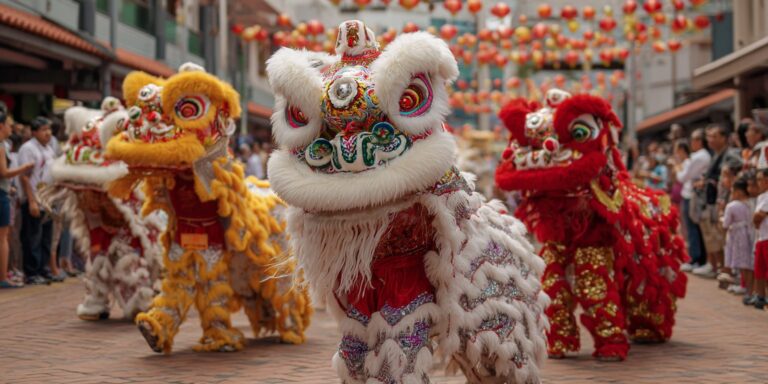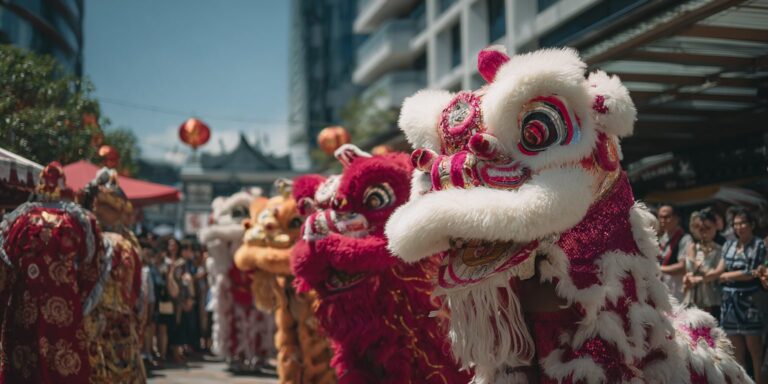
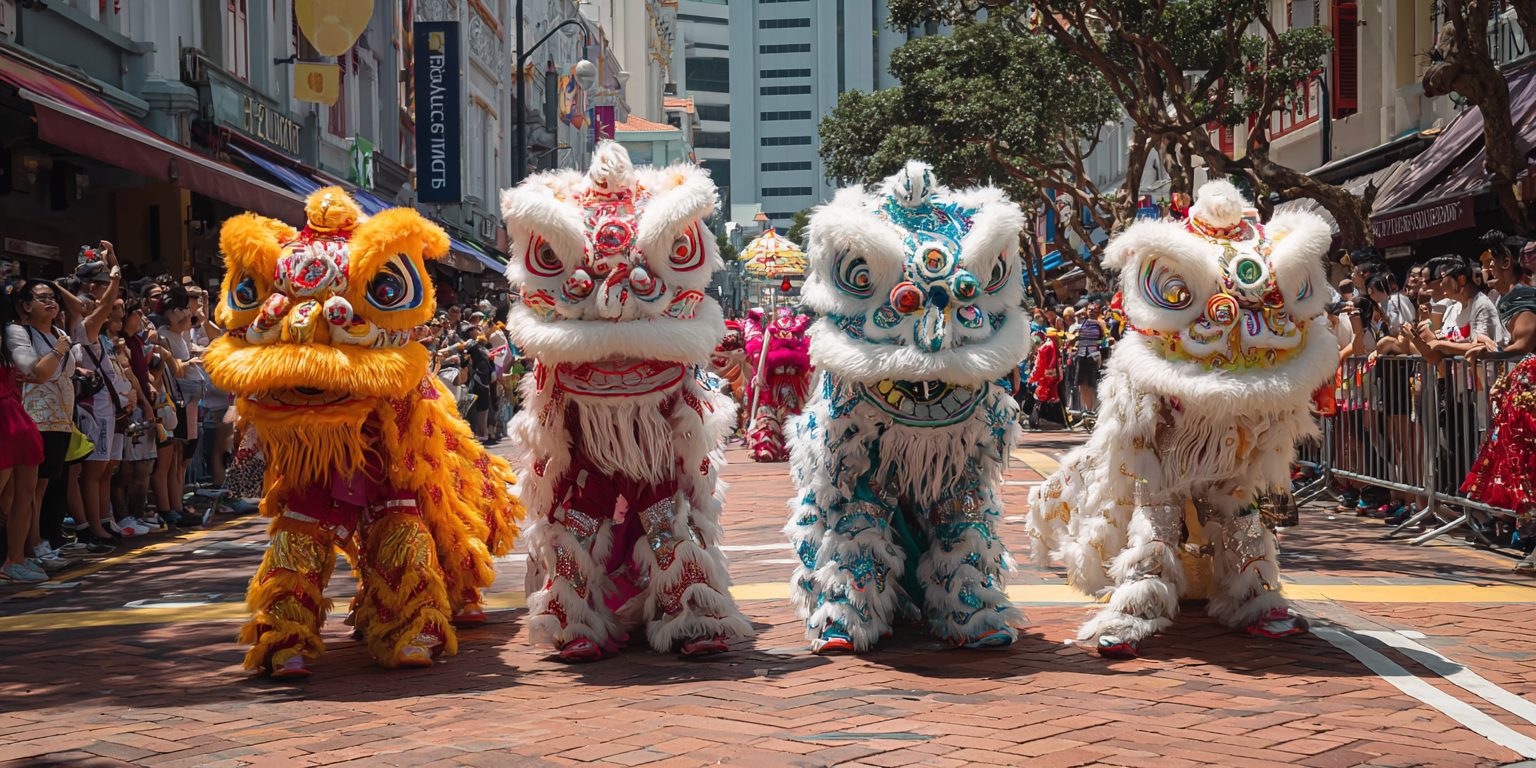
Southern Lion Dance Singapore Features – Tradition, Performance, and Modern Celebrations
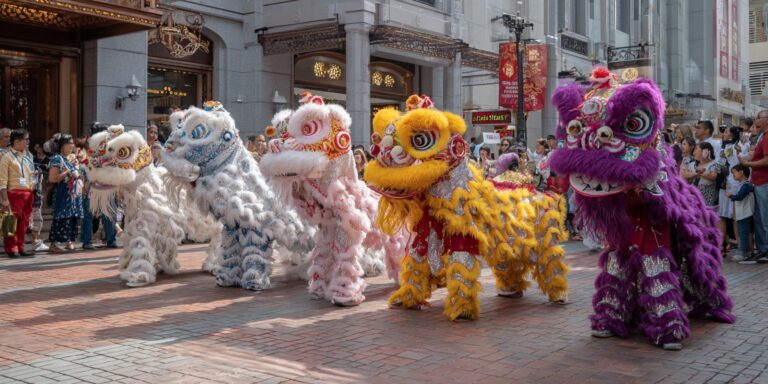
Southern Lion Dance Singapore Features – Tradition, Performance, and Modern Celebrations captures the dynamic evolution of a centuries-old art form deeply rooted in local heritage. From its origins and distinctive regional styles like Fo Shan, He Shan, and Buddha Crane, to the iconic high-pole stunts and drum performances, Southern lion dance in Singapore stands out for its technical mastery and cultural richness.
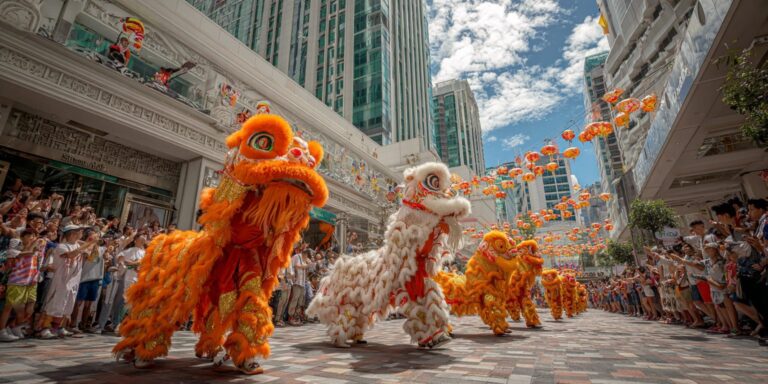
Award-winning troupes such as Yiwei Athletic Association consistently shine at national and international championships, bringing innovative routines to major venues like Suntec City and Marina Square during Chinese New Year festivities.
Modern celebrations highlight how Southern lion dance has integrated with other traditional acts—such as Bian Lian mask changing and God of Fortune mascot performances—to create vibrant spectacles for both festivals and corporate events. International competitions and community initiatives have expanded participation across diverse groups, reinforcing the lion dance’s role in cultural exchange and social cohesion.
As Singaporean teams continue to represent the nation globally, the tradition remains a powerful symbol of unity, discipline, and evolving artistry within Singapore’s multicultural landscape.
Southern Lion Dance Singapore Features – A Living Tradition
Southern Lion Dance remains an essential part of Singapore’s vibrant cultural tapestry, celebrated for its artistry, athleticism, and communal spirit. Troupes across the island have elevated the form, combining tradition with thrilling new elements that captivate both local and global audiences. Whether performing at iconic venues or neighborhood temples, Southern Lion Dance connects generations and communities through shared spectacle and pride.
Singaporean teams are now recognized as leaders in the international lion dance circuit, regularly clinching top honours at championships and representing the city-state on global stages. The dedication of these troupes—reflected in rigorous training, innovative choreography, and cultural inclusiveness—ensures that this living tradition continues to evolve.
Corporate events, festivals, and major shopping malls frequently feature lion dance performances that seamlessly integrate with Bian Lian mask changing acts or appearances by the God of Fortune mascot, offering audiences a multi-layered cultural experience. This blend of heritage and modernity is what sets Singapore’s Southern Lion Dance scene apart.
Performers embrace both time-honoured rituals and contemporary showmanship, keeping the art form relevant while honoring its deep roots. As we move into 2025, expect even more creativity from Singapore’s award-winning troupes—contact Wolf Events via WhatsApp or our Contact Form to bring this dynamic tradition to your next celebration.
Origins and Evolution of Southern Lion Dance in Singapore
The history of Southern Lion Dance in Singapore traces back to early Chinese immigrant communities who brought their regional traditions to these shores. Over decades, local troupes adapted foundational styles such as Fo Shan and He Shan to reflect Singapore’s multicultural context. The art evolved beyond temple festivals into mainstream celebrations and high-profile corporate events.
In recent years, Singaporean lion dance groups have become known for their discipline, technical precision, and inclusive training practices. The involvement of women and non-Chinese participants has grown notably, reflecting broader shifts in society. International competitions like the World Chinese King of Lion Dance Championship have spurred further innovation while deepening respect for tradition.
| Era | Key Developments | Community Impact |
|---|---|---|
| Pre-1960s | Arrival of Southern Chinese troupes; Temple festivals | Community bonding |
| 1970s-1990s | Formation of official associations; Style adaptation | Wider public participation |
| 2000s-Present | International accolades; Integration with other acts | Cross-cultural appeal |
Distinctive Styles and Performance Elements
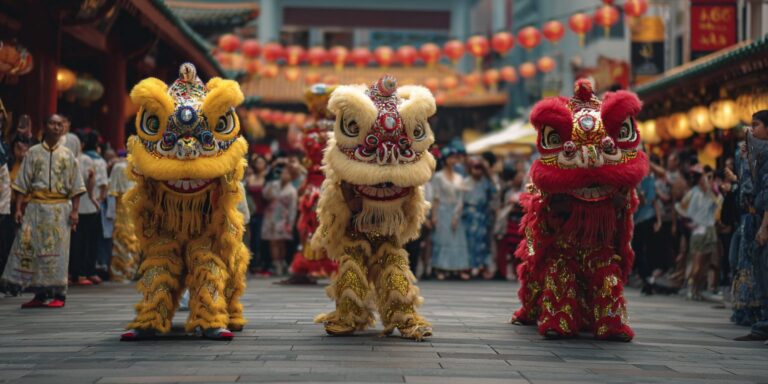
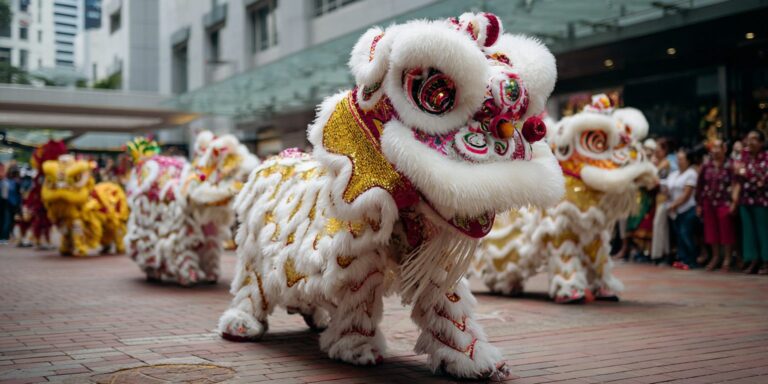
Singaporean troupes are adept at several distinctive Southern lion dance styles – Fo Shan emphasizes powerful movements and bold expressions; He Shan features fluidity and acrobatic leaps; Buddha Crane style brings unique footwork and comedic touches. Each style comes with its own head design, choreography nuances, and rhythm patterns. These stylistic differences are showcased during competitions or festive events where expert judges evaluate not only athletic ability but also authenticity of movement.
It’s not uncommon for a single event to feature multiple styles—especially when paired with drum ensembles or supporting acts like Bian Lian mask changing—for a richer audience experience.
| Style | Signature Features | Popular Venues |
|---|---|---|
| Fo Shan | Strong stances; dramatic head shakes | Corporate launches |
| He Shan | Graceful jumps; agile maneuvers | Festivals & mall shows |
| Buddha Crane | Playful moves; intricate steps | Community celebrations |
High-Pole Stunts and ‘Plucking the Green’ Ritual
‘High-pole’ lion dance has become synonymous with show-stopping displays in Singapore—think lions balancing atop narrow poles several meters above ground at venues like Suntec City or Marina Square. These daring feats require months of specialized training for both safety and synchrony. Another signature element is ‘plucking the green’ (cai qing), a ritual where the lion retrieves auspicious greens (often lettuce) suspended at challenging heights.
This act symbolizes luck and prosperity for businesses or households. For many clients booking performances through Wolf Events, this ritual remains a highlight that blends excitement with deep cultural meaning.
Drum Accompaniment and Musical Elements
No lion dance performance feels complete without its pulsating musical backdrop—the synchronized beats of drums, cymbals, and gongs drive every leap and gesture on stage. Each sequence is choreographed not just for movement but also to match intricate musical cues. Drum performances often precede or accompany lion dances in Singapore’s event scene today.
Skilled drummers add intensity to high-pole routines or comedic interludes in Buddha Crane style acts. For clients seeking a truly immersive experience at their festival or corporate event, Wolf Events offers packages featuring both award-winning lion dancers and electrifying drum ensembles.
Wolf Events Fact Machine
Did you know? The ‘plucking the green’ (cai qing) ritual in Southern Lion Dance originated as a way for troupes to demonstrate agility and wit while receiving payment from businesses—a tradition still observed by Singaporean teams at major events today.
Southern Lion Dance in Modern Singapore
Southern lion dance has become a powerful symbol of Singapore’s multicultural vibrancy, blending centuries-old tradition with the pulse of a modern city. Rooted in styles like Fo Shan, He Shan, and Buddha Crane, each performance is rich with history and distinct artistry. The high-pole stunts and ‘plucking the green’ rituals are now iconic sights at events across the city, from bustling heartland estates to glitzy shopping malls like Suntec City and Marina Square.
Singaporean troupes are renowned for their disciplined training and technical prowess. Teams such as Yiwei Athletic Association have captured national and international titles, regularly raising the bar with jaw-dropping routines on towering poles. This dedication has transformed lion dance into not just a cultural spectacle but also a source of national pride, drawing diverse participants—including women and non-Chinese athletes—into its ever-expanding community.
As Southern lion dance evolves, it remains deeply woven into Singapore’s festivals, corporate events, and public celebrations. Modern developments have seen local troupes excel at international stages like the World Chinese King of Lion Dance Championship and the Taoyuan International Dragon-Lion Dance Invitational. These successes highlight Singapore’s role as both innovator and guardian of this living heritage.
For businesses and communities seeking authentic cultural engagement or electrifying entertainment, working with passionate professionals like Wolf Events ensures a truly memorable lion dance experience.
Role in Festivals, Corporate Events, and Community Celebrations
Lion dance remains at the heart of major festivals in Singapore, from Lunar New Year to Mid-Autumn festivities. Its thunderous drums and vibrant costumes stir excitement in neighbourhoods and temples alike. In recent years, more corporations have included lion dance as part of their annual openings or milestone celebrations—recognising its power to usher in prosperity and good fortune while uniting staff through shared tradition.
Community groups also use lion dance as a bridge between generations, passing down skills while fostering teamwork among youth from all backgrounds. The art form’s inclusiveness is increasingly evident at multicultural events where participants reflect Singapore’s diversity. By engaging Wolf Events for your next festival or company gathering, you’ll not only thrill your guests but contribute to sustaining this living heritage.
Integration with Bian Lian, God of Fortune, and Drum Performances
Singapore’s event scene increasingly features creative collaborations that blend Southern lion dance with other traditional acts. Bian Lian mask changing adds an element of theatrical surprise—its rapid face changes captivate audiences alongside the athleticism of the lions. The God of Fortune mascot is another crowd favourite; when paired with lion dancers, it amplifies festive energy while distributing lucky tokens or sweets.
Drum performances remain central to every show—each beat driving the rhythm for acrobatic leaps and synchronised choreography. These integrations elevate events beyond standard routines into immersive cultural showcases that appeal to all ages and backgrounds.
Singapore’s Achievements in International Lion Dance Competitions
Singaporean teams consistently shine on international stages thanks to disciplined practice and creative flair. At global events like the World Chinese King of Lion Dance Championship in 2024 and upcoming competitions such as the Taoyuan International Dragon-Lion Dance Invitational 2025, local troupes demonstrate world-class skill in freestyle Southern lion dance categories.
Yiwei Athletic Association stands out as a perennial champion—its high-pole feats have become benchmarks for excellence across Asia. Success abroad has inspired even greater innovation at home; performers now incorporate new techniques learned from global peers while preserving signature moves unique to Singaporean styles. Each win not only cements national pride but also encourages young talent to take up this demanding art form.
Cultural Significance and Community Impact
The Southern lion dance in Singapore has evolved into more than just a festive spectacle. Its roots trace back to the early Chinese immigrant communities, who brought with them distinct styles like Fo Shan, He Shan, and Buddha Crane. Each style carries unique movements, costumes, and symbolism, but all share a common thread – they unite people in celebration and reverence.
The high pole lion dance, in particular, has become a signature of Singapore’s prowess on the world stage. Performances at major venues such as Suntec City and Marina Square have drawn both locals and tourists, reinforcing lion dance as a living heritage. Beyond its visual excitement—high-pole stunts, thundering drums, and the exhilarating ‘plucking the green’—the lion dance serves as a bridge between generations.
It is a community-driven art form that brings together performers of all ages for rigorous training and discipline. Modern performances often integrate other traditional acts like Bian Lian mask changing and God of Fortune mascots, reflecting Singapore’s multicultural spirit and innovative approach to tradition. International championships and local competitions further strengthen cultural pride while nurturing new talent.
Inclusiveness and Community Building
Lion dance troupes in Singapore are increasingly known for their inclusiveness. Participation now welcomes not just those of Chinese descent but also members from diverse backgrounds. This shift reflects the broader vision of community building—where respect for tradition goes hand in hand with openness to new faces. Troupes invest heavily in mentorship, encouraging young members to learn both performance skills and values like teamwork, discipline, and respect for heritage.
Regular workshops often include school visits or public demonstrations at malls during peak periods such as Chinese New Year. These events create opportunities for families and neighbourhoods to connect, fostering a sense of unity across cultural lines. Wolf Events exemplifies this commitment by curating experiences that are accessible for everyone, whether you’re booking a show for your company or participating in hands-on training sessions.
The face of Singapore’s lion dance scene is changing rapidly. Young performers now dominate national teams, bringing fresh energy to high-pole stunts and freestyle routines. Women are increasingly visible on stage—a testament to shifting attitudes within the traditional arts sector. International competitions such as the 2024 World Chinese King of Lion Dance Championship have further opened doors for female athletes and multicultural teams.
Evolution of Participation – Youth, Women, and Multiculturalism
Singaporean troupes often feature multi-ethnic lineups at major events like the Taoyuan International Dragon-Lion Dance Invitational in 2025. These developments not only raise performance standards but also inspire a new generation to embrace lion dance as their own. As participation broadens, so does creativity—troupes experiment with integrating Bian Lian performances or pairing the God of Fortune mascot with high-energy drum sequences.
Wolf Events remains at the forefront by supporting inclusive recruitment and innovative show formats.
Wolf Events remains at the forefront by supporting inclusive recruitment and innovative show formats. If you’re keen on booking a multicultural lion dance performance or want advice on building an inclusive troupe for your community event next year, connect with us directly through Whatsapp or our contact form.
Common Questions
What makes Southern lion dance in Singapore unique?
Southern lion dance in Singapore is known for its martial arts-based movements, expressive lion head designs, and thrilling high-pole stunts, often accompanied by powerful drum performances and traditional rituals like ‘plucking the green’.
How is Southern lion dance different from Northern lion dance?
Southern lion dance features more realistic lion heads, martial arts stances, and expressive facial movements, while Northern lion dance uses shaggy costumes and acrobatic jumps, resembling a Pekingese dog.
Where can I watch Southern lion dance performances in Singapore?
Major shopping malls, cultural festivals, and corporate events in Singapore often host Southern lion dance performances, especially during Chinese New Year at venues like Suntec City and Marina Square.
What is the significance of the ‘plucking the green’ ritual?
‘Plucking the green’ (Cai Qing) is a traditional act where the lion retrieves auspicious greens, symbolizing good fortune and prosperity for the event host.
Can Southern lion dance be combined with other traditional acts?
Yes, many event companies in Singapore offer packages that combine Southern lion dance with Bian Lian (mask changing), God of Fortune mascot appearances, and drum performances for a complete festive experience.
Southern Lion Dance in Singapore isn’t just a spectacle; it’s a living, breathing tradition that continues to evolve with each passing year. From the thunderous drums to the heart-stopping high-pole stunts, these performances blend centuries-old customs with modern flair, captivating audiences at festivals, corporate events, and international competitions alike.
If you’re curious to dive deeper into what makes Southern Lion Dance so uniquely vibrant in Singapore—from its community roots to its world-class achievements—feel free to browse around our website. For those ready to bring this dynamic art form to your next event, don’t hesitate to Whatsapp Us or drop us a note via our Contact Form.