Lion Dance History Singapore – Tradition, Symbolism & Modern Celebrations
Lion Dance History Singapore – Tradition, Symbolism & Modern Celebrations traces the vibrant journey of lion dance from its ancient origins to its central role in modern Singaporean festivities. Rooted in the traditions brought by early Chinese migrants, the lion dance has evolved to become a dynamic symbol of cultural pride and unity, with performances featuring prominently during Chinese New Year, weddings, business openings, and community events across Singapore.
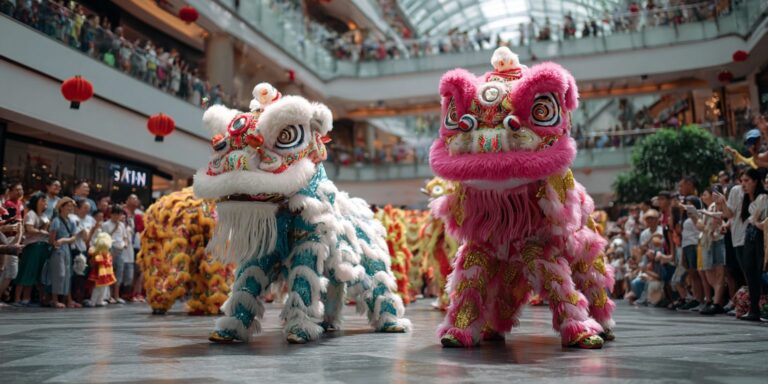
Recent years have seen Singapore’s lion dance troupes introducing innovative choreography and acrobatics, drawing large audiences at malls, temples, and public gatherings. Contemporary lion dance not only preserves its deep-rooted symbolism—ushering in good fortune and warding off evil—but also reflects the country’s multicultural spirit through its integration into diverse celebrations.
New historical accounts and expert insights highlight both the enduring significance and future prospects of this living tradition.
Lion Dance History Singapore – A Cultural Legacy
The lion dance holds a special place in Singapore’s vibrant heritage, blending centuries-old tradition with the city-state’s dynamic multicultural spirit. As one of the most recognisable cultural performances, lion dance has evolved from its roots in ancient China to become a symbol of good fortune and unity within Singaporean society.
Its continued relevance is evident in the packed crowds at shopping malls, temples, and community spaces during major festivals and everyday celebrations. Over the years, Singaporean lion dance troupes have redefined the art form by introducing innovative acrobatics and contemporary choreography. This creativity keeps the tradition fresh while honouring its origins.
The passion and discipline of local performers ensure that each routine is more than entertainment—it’s a living testament to the resilience and adaptability of Singapore’s cultural legacy. For those keen to experience this tradition up close or bring its blessings to their own events, Wolf Events remains a trusted partner.
Message us on WhatsApp or use our contact form for a memorable performance.
Origins and Historical Evolution
Lion dance arrived in Singapore with early Chinese immigrants who brought not just their hopes for prosperity but also their treasured customs. Its origins trace back to Han and Tang dynasties in China, where it was believed that the lion could ward off evil spirits and attract auspicious energy. In Singapore, these traditions were quickly woven into the tapestry of local life, adapting to new settings while preserving core rituals.
Throughout the decades, lion dance has mirrored Singapore’s own growth—embracing influences from Southern Chinese styles and gradually taking on local flavour. Today’s performances are marked by both respect for heritage and bold new expressions, thanks to passionate troupes who continue to innovate without losing sight of their roots.
| Era | Key Developments | Cultural Impact |
|---|---|---|
| Pre-20th Century | Brought by Chinese migrants; rooted in Southern styles | Became part of clan associations |
| 1970s–1990s | Rise of formal troupes; competitive performances | Boosted community pride; wider public interest |
| 2000s–Present | Integration of acrobatics, modern music & costumes | Broader appeal across ethnic groups |
Lion Dance in Singapore’s Festivals and Events
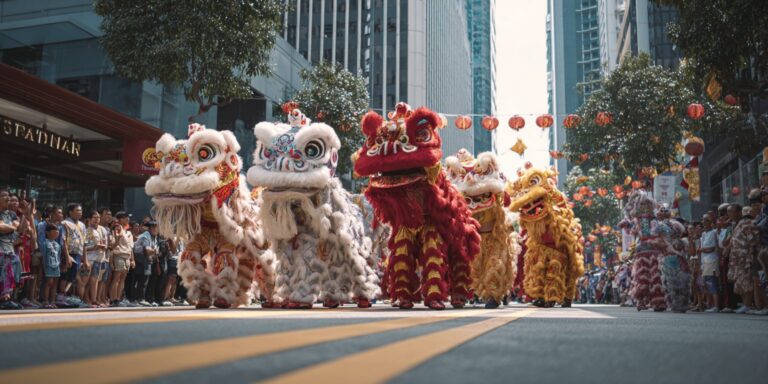
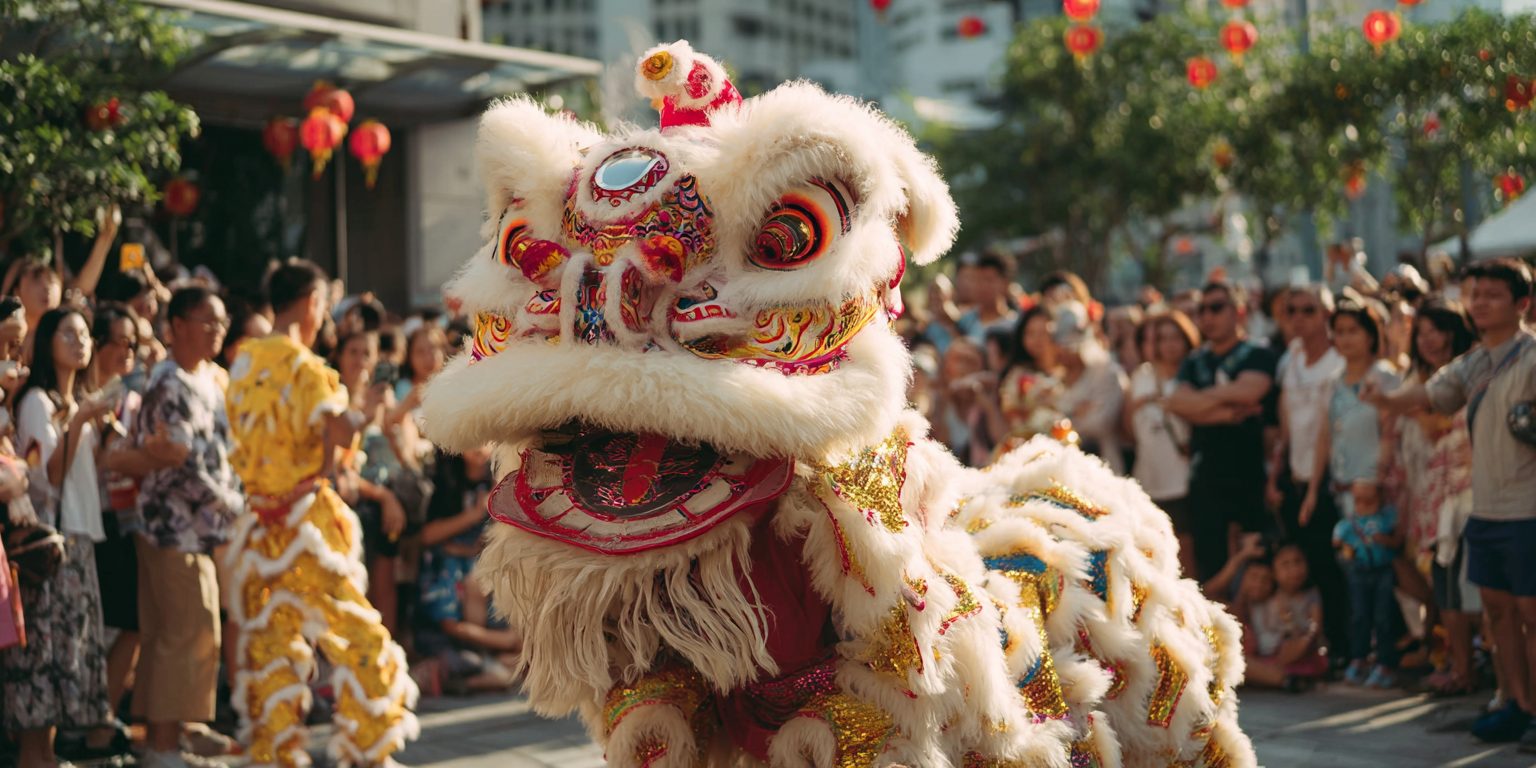
In 2025, lion dance remains a highlight at Chinese New Year celebrations across Singapore—drawing families, tourists, and business owners eager for good luck. Yet its role extends far beyond the lunar festivities. Lion dance is now a familiar feature at weddings, business openings, school events, charity galas, and even national celebrations like National Day.
This widespread presence demonstrates how deeply lion dance is woven into Singapore’s social fabric. It fosters community spirit while bridging generations and cultures—a reflection of the nation’s open-hearted ethos. Whether performed at temple fairs or modern shopping malls, every show brings together people from all walks of life.
| Event Type | Purpose | Typical Features |
|---|---|---|
| Chinese New Year | Usher in prosperity & chase away bad luck | Full troupe with drum performance |
| Weddings | Bless union & bring harmony | Short routine; blessing gestures |
| Business Openings | Attract wealth & protect premises | Lion ‘eats’ lettuce (cai qing); banner presentation |
| School Festivals & Community Events | Promote cultural appreciation & unity | Interactive demonstrations |
Symbolic Meanings and Rituals
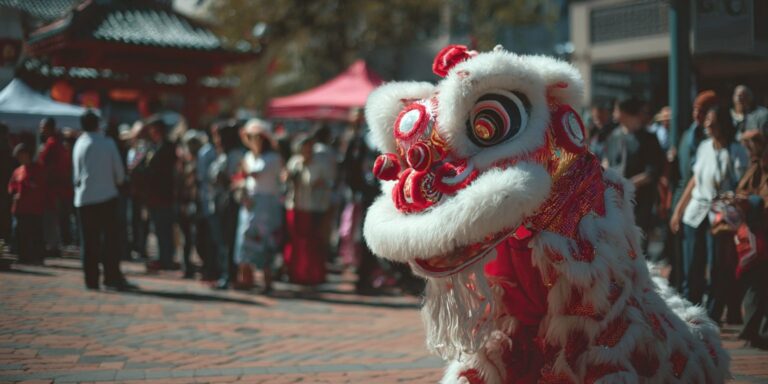
Every element of lion dance in Singapore carries deep symbolic meaning—from the vibrant colours of the costumes to the rhythmic beat of drums that accompany each step. The lion itself represents strength, courage, and wisdom. Traditional rituals such as ‘cai qing’ (plucking the greens) are performed to bestow luck upon homes or businesses.
These rituals have evolved yet remain central to every performance. Drummers sync their beats with each leap of the lion; troupe members meticulously prepare offerings to ensure authenticity. In recent years, some troupes have added creative twists—incorporating LED lights or modern props—but always with respect for core traditions that resonate with audiences old and young alike.
Wolf Events Fact Machine
Did you know? Singapore’s first recorded lion dance troupe dates back to 1937 with the formation of the Singapore Hok San Association—still active today and considered a pioneer of Southern lion dance styles in Southeast Asia.
Modern Lion Dance – Innovation and Community
Modern lion dance in Singapore has become a captivating blend of tradition and innovation. While the origins of lion dance stretch back to the Han and Tang dynasties, contemporary performances here reflect not only deep respect for heritage but also a keen embrace of creative evolution. Audiences in 2025 enjoy routines that are more daring, with acrobatic feats and imaginative choreography drawing new generations to this centuries-old art form.
Lion dance is now seen at more than just Chinese New Year festivities. The vibrancy of these performances energises weddings, business openings, school festivals, and multicultural community events across Singapore. This expansion highlights how lion dance continues to serve as a bridge between different cultures, fostering social cohesion and inclusivity.
Troupes work tirelessly throughout the year to refine their craft, ensuring every appearance is memorable. Scholarly works like Pauline Loh’s recent publication emphasise the resilience and adaptability of lion dance within Singapore’s dynamic society. As technology and modern tastes influence costume design, music, and performance style, lion dance remains an evolving symbol of both cultural pride and community spirit.
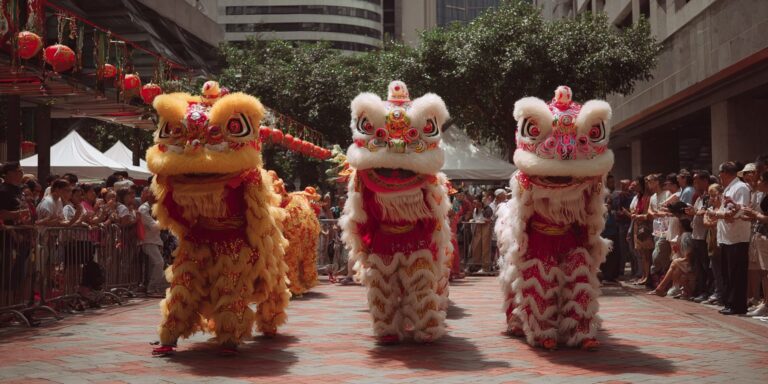
Singapore’s lion dance troupes have reimagined what it means to perform in the modern era. Recent routines incorporate bold acrobatics—lions leaping from high poles or executing coordinated stunts that delight crowds at malls and temples alike. Choreography has grown more theatrical, blending storytelling with traditional symbolism so that even non-Chinese audiences feel connected to the spectacle.
Contemporary Performance Styles
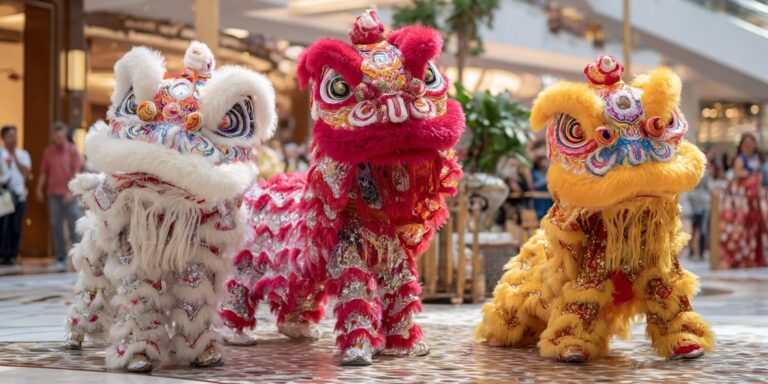
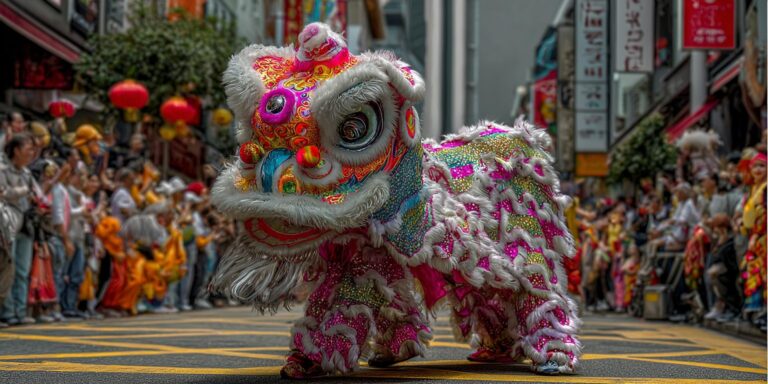
Beyond technical prowess, costume design has kept pace with contemporary aesthetics. Dancers now wear lions with vibrant colours and LED embellishments for nighttime shows, making each performance visually stunning. These innovations reflect a careful balance – troupes honour time-honoured movements while captivating new audiences through creativity.
Troupes are at the heart of Singapore’s lion dance scene. Many have deep roots stretching back decades, often tied to clan associations or neighbourhood groups. Over time, newer troupes have emerged with members from diverse backgrounds—reflecting Singapore’s multicultural identity. Community involvement remains central to every performance. Troupes regularly visit schools for cultural education programmes or take part in charity fundraisers and grassroots celebrations.
Lion Dance Troupes and Community Involvement
This engagement not only preserves tradition but also nurtures young talent, ensuring the art form continues to thrive in future generations.
The heartbeat of any lion dance is its music. Drum performances set the tempo while cymbals and gongs punctuate every leap or dramatic pause. In recent years, some troupes have experimented with amplified sound systems or fusion music elements to enhance outdoor shows—attracting bigger audiences without sacrificing authenticity. The discipline required for synchronised drumming matches that of the dancers themselves.
Influence of Music and Instruments
Musicians train rigorously to master traditional rhythms as well as adapt them for modern settings. The result is a dynamic audio-visual experience that showcases both heritage and innovation—a hallmark of every Wolf Events performance.
Lion dance and dragon dance are often mentioned in the same breath, but they embody distinct histories, movements, and symbolism within Singapore’s vibrant cultural landscape. The lion dance, with roots tracing back to the Han and Tang dynasties, has become a living tradition in Singapore.
Lion Dance vs. Dragon Dance – Key Differences
Over time, it has evolved from its origins as a ritual for warding off evil spirits into a central feature of Chinese New Year celebrations, business openings, and even multicultural festivals. In contrast, the dragon dance typically involves a larger ensemble manipulating an elongated dragon figure, symbolising power and prosperity on an even grander scale.
One of the key differences lies in their performance style and choreography. Lion dance is typically performed by two dancers inside a costume, focusing on lifelike movements and expressive gestures that mimic a lion’s curiosity or playfulness. Acrobatics and drum performances are now common in Singaporean lion dance shows, captivating audiences at malls and community events all year round.
Dragon dance, meanwhile, is more about coordinated group movement—multiple performers wield poles to animate the sweeping body of the dragon in fluid waves and spirals. Both dances carry deep cultural significance for Singapore’s Chinese community but have found new relevance across diverse settings—from weddings to schools—reflecting their integration into Singapore’s multicultural fabric.
Lion dance troupes today experiment with music, costumes, and technology to keep their performances fresh while honouring tradition. As highlighted in recent publications and expert interviews, this ongoing evolution not only preserves these art forms but also strengthens community ties across generations.
Lion dance in Singapore continues to evolve, blending centuries-old traditions with modern creativity. While its origins trace back to the Han and Tang dynasties, local troupes have taken great pride in refining their performances, drawing inspiration from both Southern and Northern lion dance styles. Today, the artistry and discipline of Singapore’s lion dance performers are admired not just for their athleticism but for their ability to tell stories that resonate across generations.
Recent years have seen a surge in innovative choreography and acrobatic stunts, making each performance a spectacle that captivates both young and old. At malls, community events, weddings, and business openings, lion dance is more than a ritual—it is an immersive cultural experience. These modern shows are enhanced by dynamic drum performances and inventive costumes, reflecting the influence of technology and contemporary music.
The Future of Lion Dance in Singapore
This transformation ensures that lion dance stays relevant and continues to excite audiences well beyond Chinese New Year. As Singapore grows more multicultural, lion dance has become a symbol of unity and shared heritage. Its presence at non-Chinese festivals and public gatherings speaks volumes about its role in fostering social cohesion.
Cultural historians like Pauline Loh have documented this journey, highlighting how lion dance remains rooted in tradition while embracing change.
This transformation ensures that lion dance stays relevant and continues to excite audiences well beyond Chinese New Year. As Singapore grows more multicultural, lion dance has become a symbol of unity and shared heritage. Its presence at non-Chinese festivals and public gatherings speaks volumes about its role in fostering social cohesion.
Cultural historians like Pauline Loh have documented this journey, highlighting how lion dance remains rooted in tradition while embracing change. For those looking to bring authentic and energetic lion dance performances to their next event, Wolf Events stands ready—message us on WhatsApp or use our Contact Form for a personalised consultation.
Common Questions
What is the history of lion dance in Singapore?
Lion dance in Singapore traces its roots to Chinese immigrant communities in the 19th century, becoming prominent in the 1930s and evolving into a key cultural tradition performed at major festivals and events.
Why is lion dance important during Chinese New Year in Singapore?
Lion dance is believed to ward off evil spirits and bring blessings of prosperity, health, and good fortune, making it a central ritual during Chinese New Year celebrations in Singapore.
How has lion dance evolved in modern Singapore?
Modern lion dance in Singapore features acrobatic choreography, innovative performances, and is showcased at a variety of events beyond Chinese New Year, including weddings and business openings.
What is the difference between lion dance and dragon dance?
Lion dance involves two performers mimicking a lion’s movements, while dragon dance uses a team to manipulate a long dragon puppet; both symbolize good luck and prosperity but differ in style and cultural representation.
What are the symbolic meanings behind the lion dance?
The lion dance symbolizes courage, strength, unity, and the warding off of evil spirits, with specific rituals like tossing orange peels representing the scattering of wealth and blessings.
The lion dance in Singapore is far more than an annual spectacle—it’s a living thread weaving together history, symbolism, and community spirit. From its ancient origins and vibrant rituals to its dynamic modern performances, the lion dance continues to adapt, thriving at weddings, business openings, and multicultural festivals across the island.
Curious to uncover more about the traditions, artistry, and evolving styles behind Singapore’s lion dance? Take a deeper dive through our website for detailed guides, expert insights, and the latest news on this captivating art form. If you’re ready to experience the energy firsthand or have questions about booking a performance, feel free to Whatsapp Us or reach out via our Contact Form.