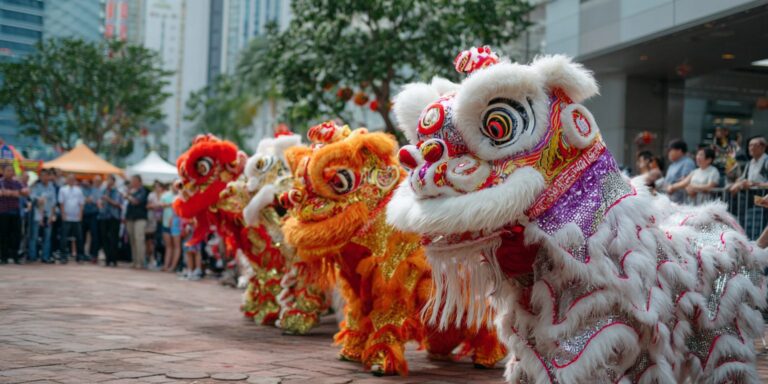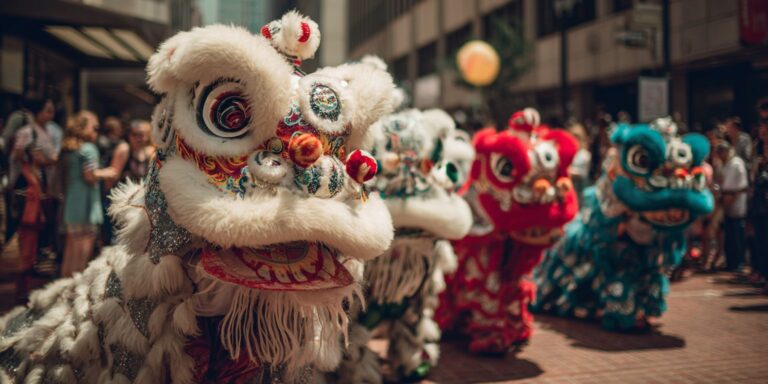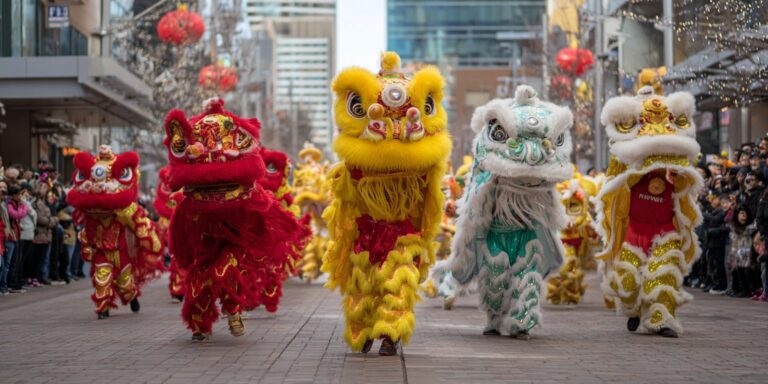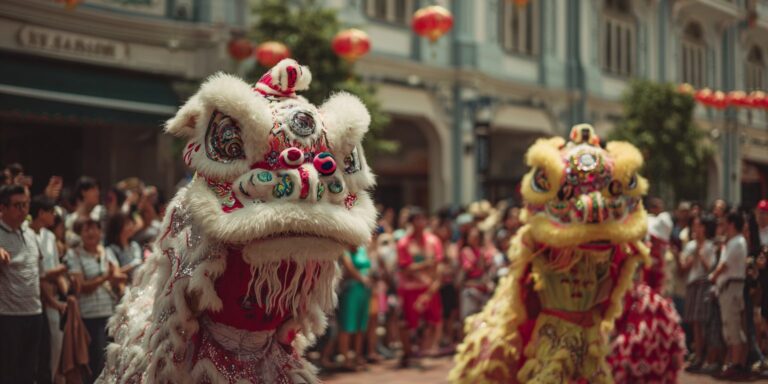
Intangible Cultural Heritage Lion Dance Singapore – Tradition, Diversity & Modern Relevance
Intangible Cultural Heritage Lion Dance Singapore – Tradition, Diversity & Modern Relevance is at the heart of Singapore’s vibrant multicultural identity. Recent developments, such as the joint Malaysia-China proposal to UNESCO in April 2025 and the celebrated performances during Chongqing Week in June 2025, have spotlighted lion dance as a living tradition that extends beyond festive entertainment.
Recognized by Singapore’s National Heritage Board and practiced by renowned troupes like the Singapore Wushu Dragon & Lion Dance Federation, lion dance continues to evolve while preserving its deep-rooted cultural significance.
The lion dance’s journey in Singapore reflects not only its historical origins but also its adaptation within a diverse society. Its intangible value lies in the artistry of costume makers, the energy of youth participation, and its connection to related traditional performances such as Bian Lian mask changing and God of Fortune mascot appearances.
As Singapore’s lion dance community awaits potential UNESCO recognition, attention is increasingly focused on how this heritage art form navigates modern challenges—ensuring relevance at corporate events and multicultural festivals—while maintaining its symbolic role in celebrations across the nation.
Intangible Cultural Heritage Lion Dance Singapore – An Overview
Lion dance in Singapore is far more than a festive spectacle. It stands as a living embodiment of intangible cultural heritage, weaving together generations, ethnicities, and traditions. The recent joint UNESCO nomination by Malaysia and China in April 2025 has brought renewed attention to the importance of lion dance across the region, with Singapore’s own practitioners poised to benefit from greater recognition and opportunities.
This move could further uplift the local community, especially with Singapore’s commitment to celebrating and preserving its unique multicultural landscape. Events like ‘Chongqing Week in Singapore’ and accolades such as the Stewards of Intangible Cultural Heritage award for the Singapore Wushu Dragon & Lion Dance Federation highlight the vibrant role lion dance continues to play.
It isn’t just about performance; it’s about identity, artistry, and social cohesion. Today, lion dance troupes perform at a wide range of events beyond Chinese New Year—from corporate launches to multicultural festivals—showcasing their adaptability while maintaining deep roots in heritage. The journey of lion dance in Singapore reflects ongoing efforts to balance tradition with innovation.
Challenges such as sustaining youth interest, supporting costume makers, and integrating related performances like Bian Lian and God of Fortune Mascot acts are met with creative solutions. As we look ahead, recognition on platforms like UNESCO could be transformative for practitioners, costume artisans, and the broader ecosystem.
For those looking to bring this dynamic tradition to their events or learn more about its evolving story, Wolf Events offers professional guidance—reach out via WhatsApp or our contact form for a personalised consultation.
Historical Roots and Evolution
Lion dance has been part of Singapore’s cultural fabric since the earliest waves of Chinese immigration in the 19th century. Originally rooted in Southern China’s folk traditions, both Northern and Southern styles found their way here through different dialect groups. Over time, local troupes adapted the dance to reflect Singapore’s diverse society—incorporating new music arrangements, costumes crafted by skilled local artisans, and even fusing elements from other traditional arts.
In recent decades, lion dance has moved beyond clan associations into schools, community clubs, and multicultural platforms like Chingay Parade. The rise in youth participation is especially notable—leaders from established troupes frequently mentor young performers from all backgrounds. This generational handover ensures that lion dance remains relevant while respecting its core rituals and symbolism.
| Era | Key Developments | Community Impact |
|---|---|---|
| 19th Century | Arrival with Chinese migrants; clan-based troupes | Cultural preservation among immigrants |
| Mid-20th Century | Expansion into community events; new performance styles | Wider public engagement |
| 21st Century | Integration with modern events; youth-led troupes | Cross-cultural appreciation; increased diversity |
Lion Dance as a Symbol of Good Fortune
At its heart, lion dance is performed to usher in prosperity, ward off evil spirits, and bless occasions with good fortune. Each movement is steeped in meaning—the awakening of the lion through drumming represents new beginnings while specific gestures symbolise courage or abundance. Today’s lion dance performances remain central to festivals like Lunar New Year but are equally popular at weddings, business openings, and national celebrations.
Many clients seek out professional troupes not just for entertainment but also as a way to invoke positive energy for their ventures or homes. The inclusion of related acts such as Bian Lian mask changing or God of Fortune mascot appearances can further enhance these blessings.
Did you know? Singapore’s lion dance community played a key role in the recent joint UNESCO nomination by Malaysia and China in April 2025—a move that could open new doors for international recognition and career opportunities for local practitioners.
| Event Type | Symbolic Purpose | Popular Add-ons |
|---|---|---|
| Business Opening | Attract prosperity & drive away bad luck | God of Fortune Mascot |
| Wedding | Bless marriage & ensure harmony | Drum Performance |
| Festival/Parade | Celebrate unity & cultural pride | Bian Lian Mask Changing |
Wolf Events Fact Machine
Lion dance in Singapore is more than just a performance—it’s a living testament to the nation’s vibrant multicultural spirit. With roots tracing back centuries, lion dance arrived alongside early Chinese immigrants and quickly became woven into the fabric of local life. Today, it stands as an essential part of Singapore’s intangible cultural heritage, celebrated at festivals, community gatherings, and even corporate events.
Lion Dance in Singapore’s Cultural Landscape
The artistry of lion dance thrives on diversity. Both Northern and Southern styles are practiced here, each with their own unique costumes, choreography, and symbolism. Troupes often collaborate with other traditional arts like Bian Lian (mask changing), God of Fortune mascot appearances, and dynamic drum performances to deliver rich, multi-layered experiences.
The craft extends beyond performance—local costume makers sustain age-old techniques while embracing creative innovation. Recent international developments have cast a fresh spotlight on Singapore’s lion dance community. In April 2025, the joint UNESCO nomination by Malaysia and China for lion dance as Intangible Cultural Heritage could bring new recognition—and opportunities—for local practitioners.
At home, the National Heritage Board continues to honor those preserving this tradition through awards and support. As Singapore grows ever more globalised, its lion dance remains a powerful bridge between generations and cultures.
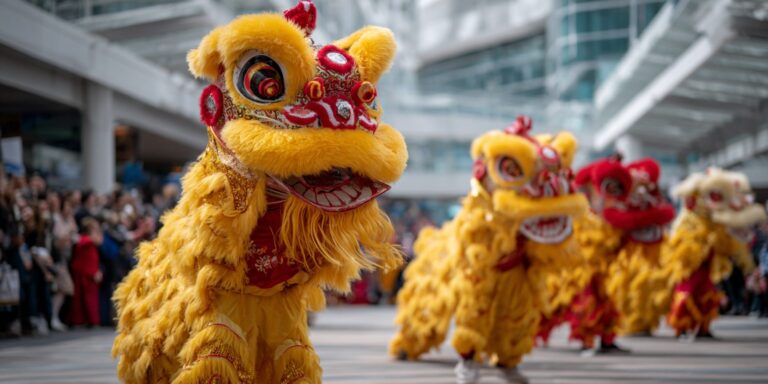
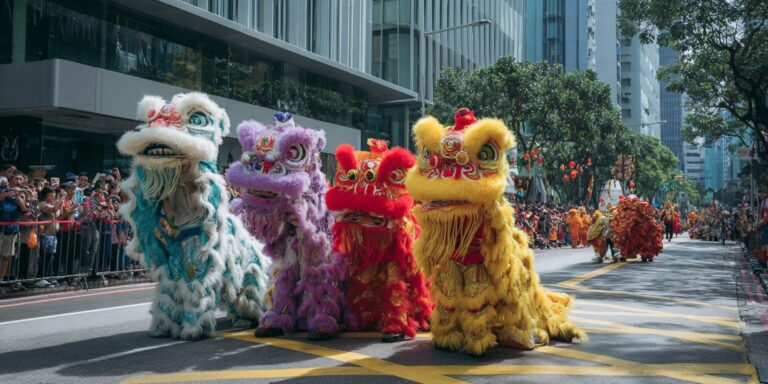
Lion dance troupes in Singapore take centre stage at major festivals such as the Mid-Autumn Festival, Deepavali celebrations in multicultural neighbourhoods, and the annual Chingay Parade. Their performances go beyond Chinese New Year and are now featured at community days, shopping mall openings, and even Hari Raya events—a testament to their appeal across all ethnic groups.
Major Festivals and Community Events
These events often blend lion dance with other traditional acts like mask changing and God of Fortune mascot appearances to create memorable spectacles. Public interest remains strong thanks to creative programming by event organisers who recognise the lion dance’s ability to unite people from all walks of life.
Singapore’s lion dance scene is fuelled by remarkable ethnic diversity. Malay and Indian youth now train alongside their Chinese peers in established troupes—bringing fresh perspectives while strengthening cross-cultural understanding. This inclusivity reflects Singapore’s broader commitment to multiculturalism. Younger generations are not only learning traditional techniques but also infusing modern flair—experimenting with new choreography or fusing lion dance with hip-hop beats during school competitions.
Ethnic Diversity and Youth Participation
Troupe leaders invest in mentorship programmes to nurture passion among youth, ensuring that this ancient art stays relevant for years to come.
Modern lion dance troupes in Singapore wear many hats – they are cultural ambassadors, event entertainers, educators, and artisans all at once. Beyond performing at festivals, these troupes teach children about heritage in schools, collaborate with fashion designers for costume innovation, and partner with companies for brand launches or employee engagement events.
The Role of Lion Dance Troupes Today
Recognition by bodies like UNESCO or the National Heritage Board boosts morale within the community but also brings new challenges—raising standards for training and artistry while increasing demand for skilled performers. Troupes now face opportunities to travel regionally or even globally for high-profile showcases. Wolf Events takes pride in supporting these evolving roles.
Lion dance holds a treasured position in Singapore’s multicultural landscape. Its roots stretch back generations, evolving from ancient Chinese tradition into a symbol of unity, resilience, and celebration for communities across the island. As intangible cultural heritage, lion dance is more than a performance—it reflects deep-seated values of harmony and prosperity, playing a vital role in festivals, corporate events, and national parades.
In recent years, efforts to preserve lion dance have become more visible and urgent. The tradition faces pressures from changing demographics, modern entertainment trends, and rising costs of training and equipment. Yet these challenges have also sparked creativity – troupes now incorporate innovative choreography, collaborate with other traditional arts like Bian Lian (Mask Changing), God of Fortune mascots, and dynamic drum performances to stay relevant at events beyond Chinese New Year.
Preservation, Challenges, and Modern Adaptations
Youth engagement and ethnic diversity are also shaping the future of lion dance in Singapore. Costume makers and artists remain the unsung heroes behind every vibrant performance. Their meticulous craftsmanship keeps the visual spectacle alive while honoring centuries-old techniques. With growing global recognition—bolstered by UNESCO nominations—lion dance practitioners in Singapore are poised to inspire new audiences while safeguarding a living heritage for generations to come.
The joint nomination by Malaysia and China to inscribe lion dance on UNESCO’s Representative List of the Intangible Cultural Heritage of Humanity marks a pivotal moment for the art form across Asia. If successful, this move will elevate Singapore’s lion dance scene on the world stage, potentially opening doors for international collaborations, tourism opportunities, and increased funding for local troupes.
Local organizations such as the Singapore Wushu Dragon & Lion Dance Federation have welcomed this development. They see global recognition as a catalyst not only for job creation but also for renewed appreciation among younger Singaporeans. Events like ‘Chongqing Week in Singapore’ further highlight how cross-cultural exchanges can invigorate traditional arts—demonstrating that lion dance remains relevant both as a heritage symbol and as an evolving performance art.
UNESCO Nomination and Global Recognition
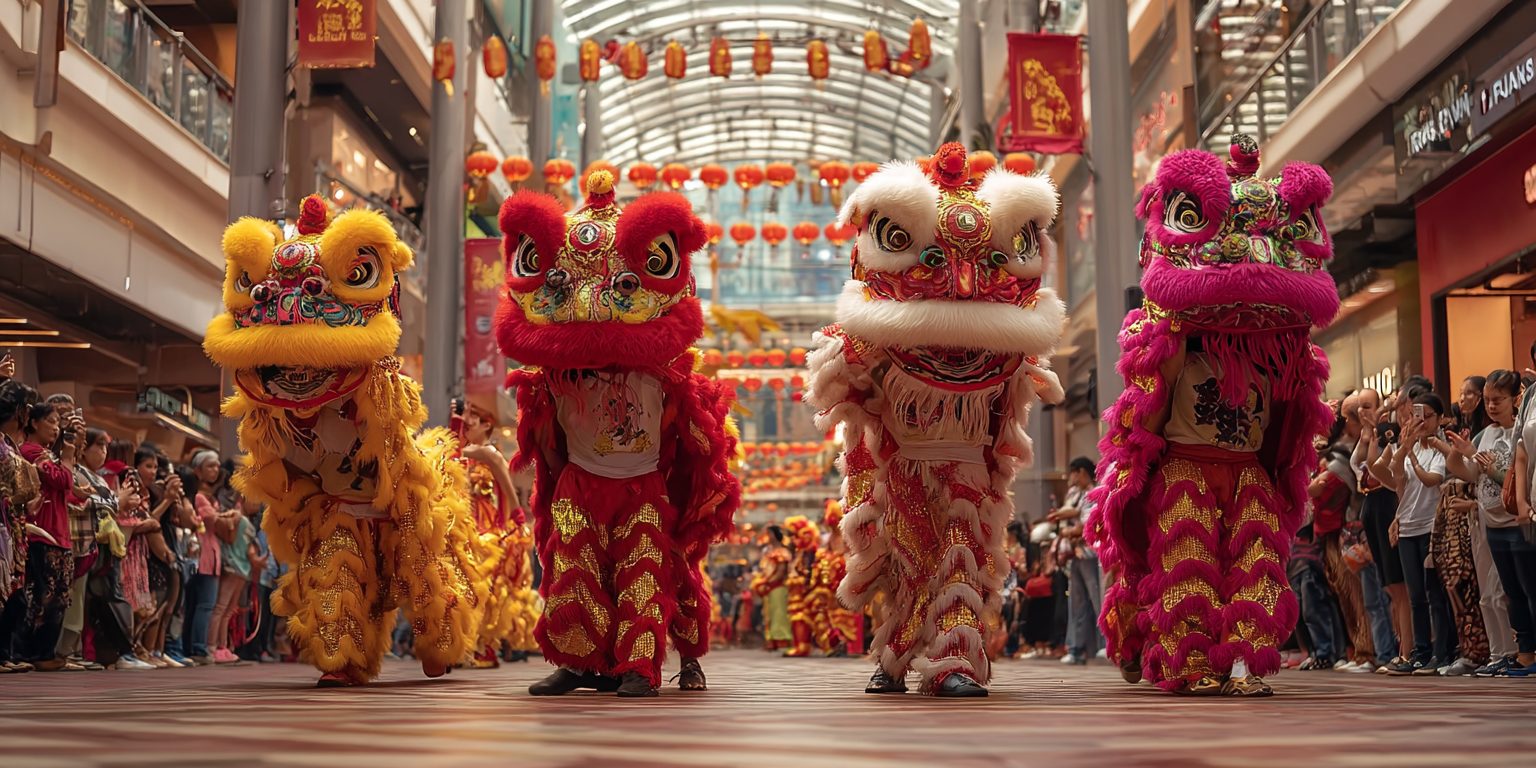
Behind every awe-inspiring lion dance lies exceptional artistry. Costume makers dedicate countless hours to crafting lions using traditional materials like papier-mâché, bamboo frames, silk fabrics, and vibrant paints. Every detail—from expressive eyes to intricate embroidery—reflects both cultural symbolism and technical skill.
Singapore’s lion dance costume makers face unique challenges – sourcing quality materials amid rising costs, balancing tradition with contemporary aesthetics requested by clients for modern events, and passing down their knowledge to apprentices willing to learn this specialized trade. These artisans are essential partners for troupes such as Wolf Events who seek visually stunning performances that honor heritage while captivating today’s audiences.
Costume Making and Artistic Craftsmanship
Sustaining lion dance as a living tradition requires thoughtful strategies that address present-day challenges. Rising venue costs, limited rehearsal spaces, fluctuating demand outside festive seasons, and waning interest among youth all pose real threats to continuity. To counter these issues, established troupes invest in outreach—collaborating with schools, organizing community workshops, and integrating new elements like Bian Lian mask changing or God of Fortune mascot performances into their repertoire.
Digital marketing has also proven effective – sharing performance highlights on social media attracts younger audiences who might otherwise overlook this art form. Wolf Events is at the forefront of these efforts in Singapore—offering fresh interpretations without losing sight of tradition.
Addressing Challenges and Ensuring Continuity
Lion dance in Singapore stands as a vibrant emblem of intangible cultural heritage, woven deeply into the nation’s multicultural fabric. Its roots trace back centuries, yet its influence continues to evolve, especially as Singapore’s lion dance community seeks international recognition. In 2025, the joint UNESCO nomination by Malaysia and China has placed a spotlight on lion dance and has inspired renewed appreciation for related traditional performances that often share the stage at major events.
Performances like Bian Lian (Mask Changing), God of Fortune Mascot appearances, and dynamic drum showcases amplify the festive atmosphere at Singaporean celebrations. These acts not only complement lion dance but also draw audiences from various backgrounds, reinforcing the cultural significance and collective memory of such traditions. As local troupes adapt these performances for modern venues—be it corporate launches or creative multicultural festivals—they ensure these age-old arts remain accessible and relevant to new generations.
Related Performances – Bian Lian, God of Fortune Mascot, and Drum Performance
Singapore’s approach to tradition is refreshingly innovative. Lion dance troupes frequently collaborate with performers skilled in Bian Lian and drum artistry to create immersive spectacles that captivate both young and old. The synergy between lion dance and other traditional acts infuses events with deeper meaning—Bian Lian mesmerizes with its swift mask changes while thunderous drumbeats heighten anticipation and energy.
Increasingly, organisers incorporate these performances into corporate functions, weddings, community festivals, and even product launches. The God of Fortune Mascot, in particular, has become a cherished symbol at business openings and family gatherings, believed to usher in prosperity. Such integration not only preserves heritage but also bridges cultural gaps, inviting people from all walks of life to participate in Singapore’s living traditions.
Integrating Traditional Arts in Modern Celebrations
Wolf Events stands apart with its passionate commitment to preserving traditional Chinese performance arts while tailoring each show for modern audiences. Our team brings together expert lion dancers, masterful Bian Lian performers trained in ancient techniques, charismatic God of Fortune mascots, and energetic drummers—all under one roof. Each act is meticulously choreographed for maximum impact whether you’re hosting an intimate family event or a large-scale festival.
We believe every celebration deserves authenticity paired with excitement. That’s why we customise our line-up to fit your occasion—blending tradition with innovation so your guests leave with lasting memories.
The Unique Offerings of Wolf Events
Wolf Events stands apart with its passionate commitment to preserving traditional Chinese performance arts while tailoring each show for modern audiences. Our team brings together expert lion dancers, masterful Bian Lian performers trained in ancient techniques, charismatic God of Fortune mascots, and energetic drummers—all under one roof. Each act is meticulously choreographed for maximum impact whether you’re hosting an intimate family event or a large-scale festival.
We believe every celebration deserves authenticity paired with excitement. That’s why we customise our line-up to fit your occasion—blending tradition with innovation so your guests leave with lasting memories. If you’re seeking a truly unforgettable event experience that celebrates Singapore’s rich heritage while staying fresh and engaging, message Wolf Events on WhatsApp or use our contact form today.
Common Questions
What is the significance of lion dance as an intangible cultural heritage in Singapore?
Lion dance is recognized as an important intangible cultural heritage in Singapore, symbolizing good luck, prosperity, and community unity, especially during major festivals and celebrations.
How is lion dance performed and what are its main styles?
Lion dance is performed by dancers in elaborate lion costumes, accompanied by drums, gongs, and cymbals. There are two main styles – the Northern lion dance, known for acrobatics, and the Southern lion dance, which is more common in Singapore and emphasizes symbolic movements.
Is lion dance in Singapore recognized by UNESCO?
As of 2025, Singapore and Malaysia have jointly nominated lion dance for inclusion in the UNESCO Representative List of the Intangible Cultural Heritage of Humanity, but official recognition is still pending.
What challenges does the lion dance tradition face in Singapore?
Challenges include a shortage of local costume makers, changing public attitudes towards noise from performances, and the need to attract younger generations to sustain the art form.
Can people of different ethnic backgrounds participate in lion dance in Singapore?
Yes, Singapore’s lion dance scene is increasingly diverse, with youth from various ethnic backgrounds, including Indian and Malay communities, joining troupes and contributing to the tradition.
Lion dance in Singapore is far more than a vibrant spectacle—it’s a living testament to the city’s rich cultural diversity, creative adaptability, and commitment to safeguarding intangible heritage. As lion dance continues to evolve, blending centuries-old tradition with modern flair and multicultural participation, it remains a powerful symbol of good fortune and unity for communities across the island.
Curious to dive deeper into the fascinating world of lion dance and its connections with Bian Lian, God of Fortune mascots, or traditional drum performances? Take some time to browse around our website for more insights on how these enduring art forms continue to shape Singapore’s cultural landscape today.
If you’re ready to bring the spirit of lion dance to your next celebration or corporate event, feel free to Whatsapp Us or reach out via our Contact Form.