Should I Choose Lion Dance or Dragon Dance for My Singapore Event?
Should I choose lion dance or dragon dance for my Singapore event? This question is becoming increasingly common as more event planners look to incorporate traditional Chinese performances into their celebrations. Recent coverage in 2025 shows heightened public interest in understanding the differences between lion and dragon dance, especially during Chinese New Year and major festivals.
Event companies across Singapore are responding to frequent customer confusion by offering clearer educational content and tailored service packages.
Choosing between lion dance and dragon dance involves more than just preference—it requires considering symbolism, performance style, event suitability, space requirements, and team size. With a rising trend of integrating traditional acts like lion dance, bian lian, and God of Fortune Mascot into both corporate and private events, it’s important to understand which performance best fits your venue, audience type, and event goals.
This guide addresses the practical differences so you can confidently select the right performance for your next Singapore event.
Should I Choose Lion Dance or Dragon Dance for My Event?
Choosing between lion dance and dragon dance for your event in Singapore can feel overwhelming, especially as both performances are steeped in tradition yet serve unique purposes. In 2025, more event planners are seeking clarity, as recent coverage points to rising interest in understanding the distinct qualities of each performance.
Whether you’re organising a lively corporate launch or a festive community gathering, the decision impacts not just your event’s cultural resonance but also its atmosphere and guest experience. Wolf Events has noticed that guests often confuse the two, leading to questions about which fits their venue size, audience type, and goals best.
Each dance offers a different style of interaction, symbolism, and logistical requirements—making your choice an important part of creating a memorable celebration. If you want expert advice tailored to your needs, reach out to Wolf Events on Whatsapp or use our Contact Form for personalised guidance.
Key Differences Between Lion Dance and Dragon Dance
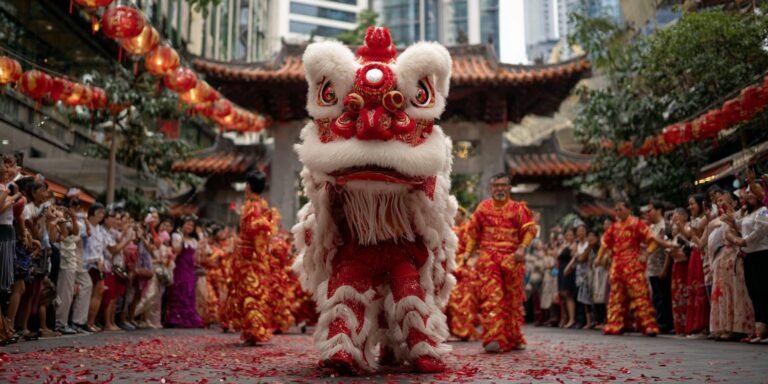
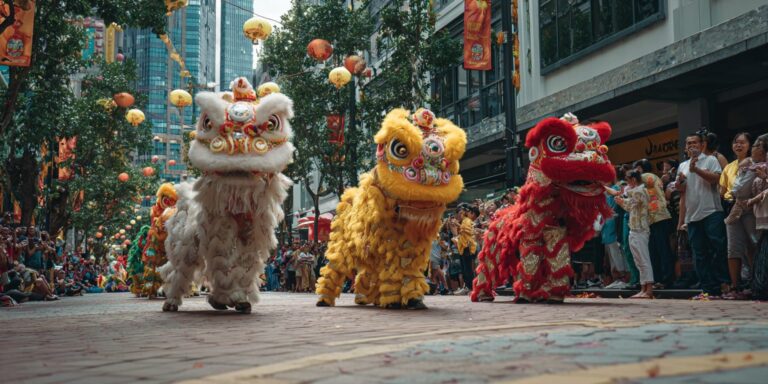
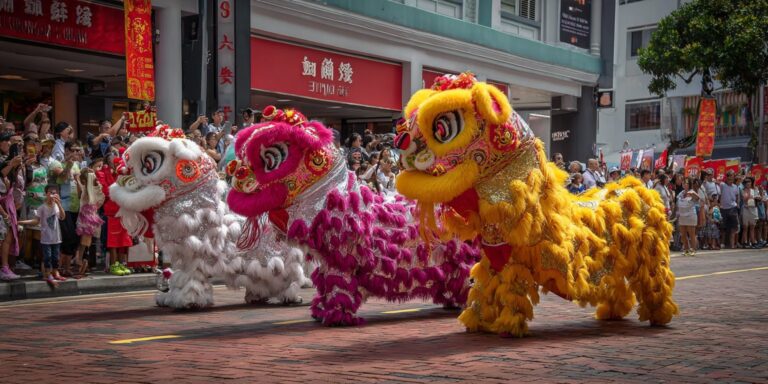
Lion dance and dragon dance are both iconic parts of Chinese culture but differ greatly in execution and effect. Lion dance features two performers inside a lion costume, focusing on intricate movements, acrobatics, and direct engagement with the audience. The dragon dance requires a large team to animate a long, flexible dragon figure held aloft on poles; it creates an impressive visual spectacle with sweeping motions.
For smaller venues or events where close-up interaction is key, lion dance stands out. The dragon dance, with its length and scale, is suited to grand occasions or outdoor festivals where space allows for dramatic choreography.
| Aspect | Lion Dance | Dragon Dance |
|---|---|---|
| Performers per Team | 2-10 | 10-20+ |
| Performance Style | Interactive & Acrobatic | Spectacular & Flowing |
| Ideal Venue Size | Small-Medium | Large/Open Spaces |
Symbolism and Cultural Significance
The lion dance is believed to bring good luck, ward off evil spirits, and attract prosperity—making it popular for openings, weddings, and business milestones. Its energetic movements mimic the mythical lion’s spirit of courage and good fortune. The dragon dance symbolises strength, unity, and power. Dragons are revered in Chinese culture as auspicious creatures that summon rain for crops and ensure prosperity.
Dragon dances often headline large festivals like National Day celebrations or major corporate galas.
Event Suitability – Venue Size and Audience Interaction
Lion dance shines in intimate settings such as shopfronts, ballrooms, or private homes. Performers can weave through guests, accept lucky red packets (ang baos), and create moments of excitement up close. Dragon dances require significant open space due to their length—some dragons stretch over 15 metres! This makes them ideal for stadiums or outdoor spaces where the full choreography can be appreciated by large audiences.
| Event Type | Recommended Performance |
|---|---|
| Corporate Launch (Indoor) | Lion Dance |
| Shopping Mall Opening | Either (space permitting) |
| Large Outdoor Festival | Dragon Dance |
| Wedding Banquet | Lion Dance |
Costume Design and Team Size
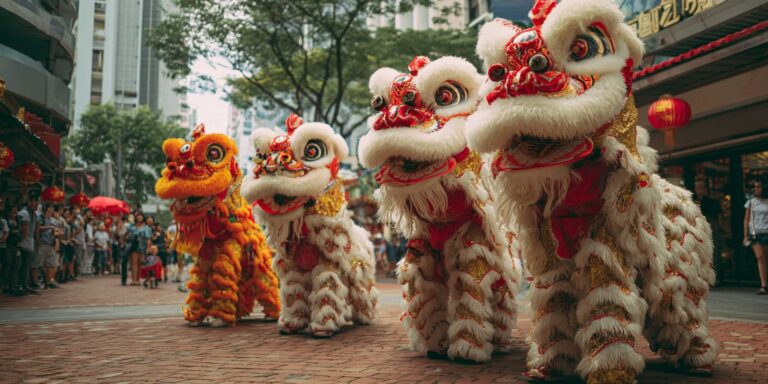
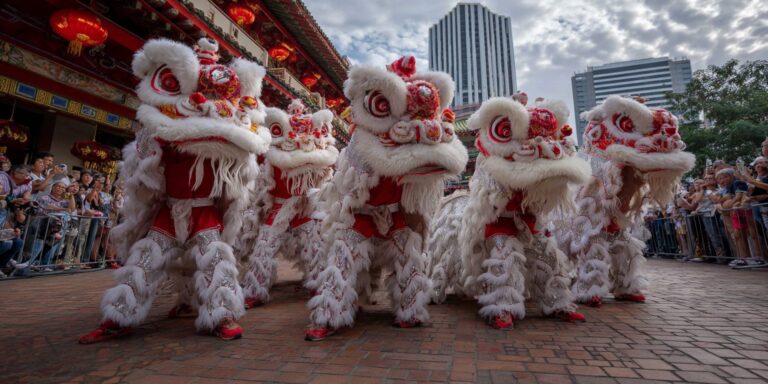
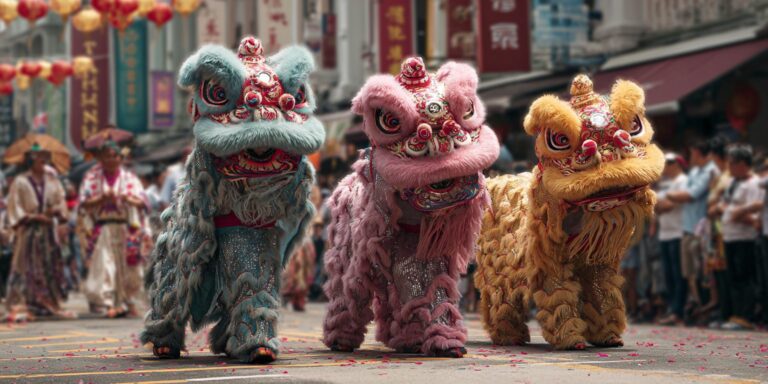
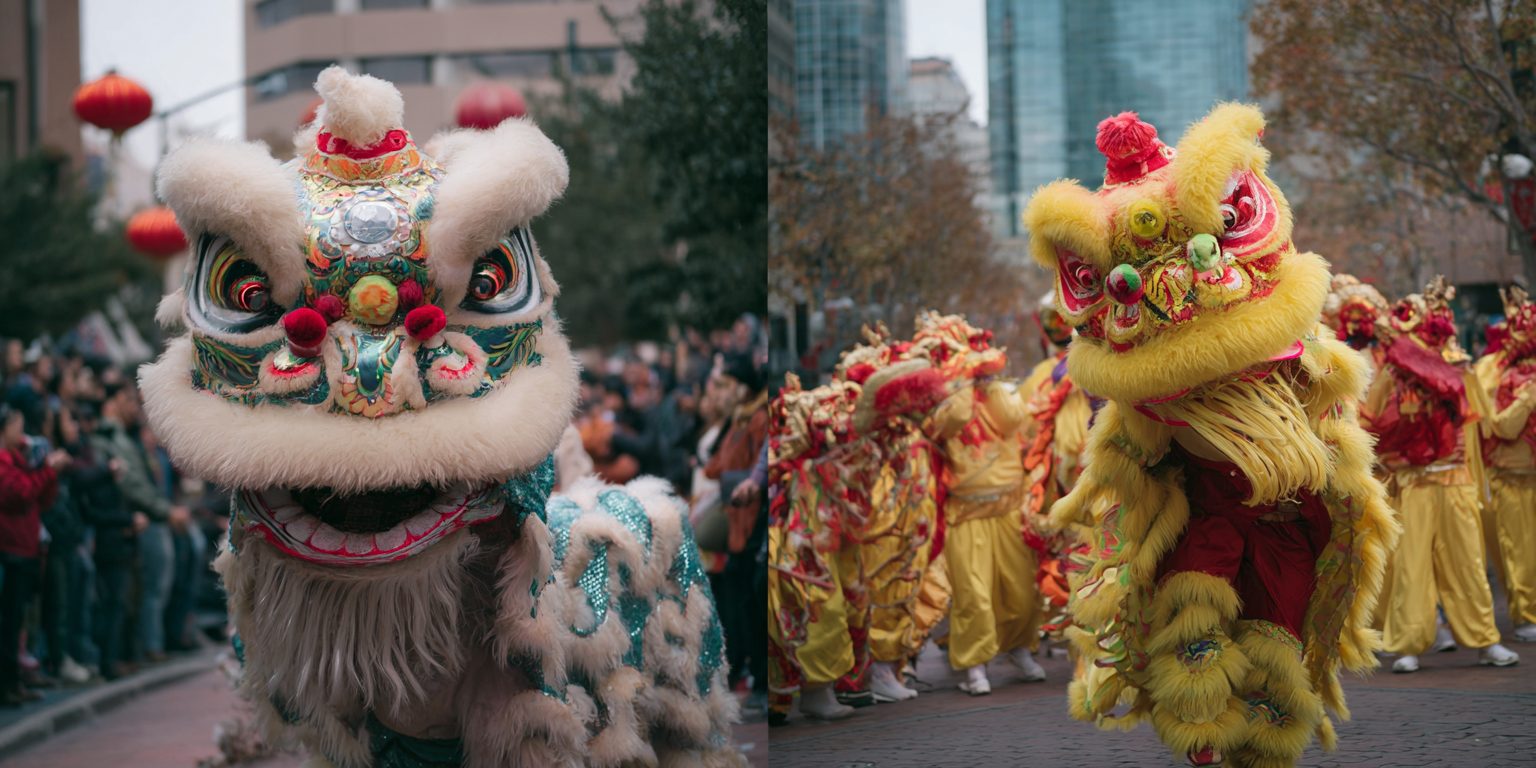
Lion costumes are highly detailed with expressive eyes, moving jaws, and vibrant colours—each crafted to represent different regional styles. A typical team consists of two main performers (head & tail), plus drummers. Dragon costumes are longer and designed for coordinated team movement. Multiple performers each hold a pole supporting the dragon’s body segments.
The effect is fluid motion across a wide area—a testament to teamwork.
Integrating Lion Dance, Bian Lian, and God of Fortune Mascot
A growing trend among Singapore event planners is blending multiple traditional performances for maximum impact. Pairing lion dance with bian lian (mask changing) dazzles audiences with quick costume changes while maintaining festive energy. Adding a God of Fortune mascot boosts photo opportunities and guest engagement—perfect for creating shareable moments at corporate functions or family reunions.
Wolf Events specialises in custom packages combining these elements so you can offer your guests an immersive cultural showcase without logistical headaches.
Making the Right Choice for Your Singapore Event
Your decision should reflect your event goals – consider your audience size, venue constraints, desired level of interaction—and budget. Lion dance offers flexibility for intimate gatherings or venues with limited space while delivering high audience engagement. Dragon dance is unbeatable for large-scale celebrations where you want an awe-inspiring centrepiece.
Our team will guide you through options tailored specifically for Singapore’s dynamic events scene in 2025.
Wolf Events Fact Machine
While both lion and dragon dances are staples of Chinese festivals, only the lion dance includes interactive moments where performers ‘eat’ symbolic greens (cai qing) and spit them out for good luck—a tradition unique to lion dance performances.
Common Questions
What is the main difference between lion dance and dragon dance?
Lion dance involves two performers hidden in a compact costume, focusing on acrobatics and audience interaction, while dragon dance requires a large team manipulating a long puppet in fluid, coordinated movements.
Which dance is more suitable for small venues or private events?
Lion dance is better suited for smaller spaces like weddings or store openings due to its compact size and interactive style.
What do lion dance and dragon dance symbolize?
Lion dance symbolizes protection, courage, and good fortune; dragon dance represents power, prosperity, and abundance.
How many performers are needed for each dance?
Lion dance requires two performers per costume; dragon dance typically needs 9 to 20 dancers, each holding a segment of the dragon.
Can both dances be performed at the same event?
Yes, both dances are often featured together at large celebrations, but space and budget considerations may affect the choice.
At the end of the day, deciding between a lion dance or a dragon dance for your Singapore event comes down to your venue size, audience engagement goals, and the cultural atmosphere you wish to create. Both performances offer powerful symbolism and unforgettable entertainment, but each brings its own flair—so weigh your options based on what will resonate most with your guests.
Still unsure which performance is right for you? Take a spin around our website to dive deeper into the differences, find inspiration from past events, or discover how you can combine lion dance with bian lian and God of Fortune Mascots for a truly festive experience. For tailored advice or to book an unforgettable show, just Whatsapp Us or reach out via our Contact Form.