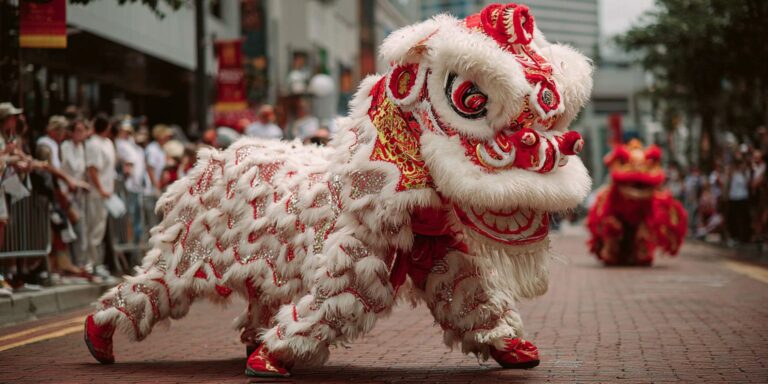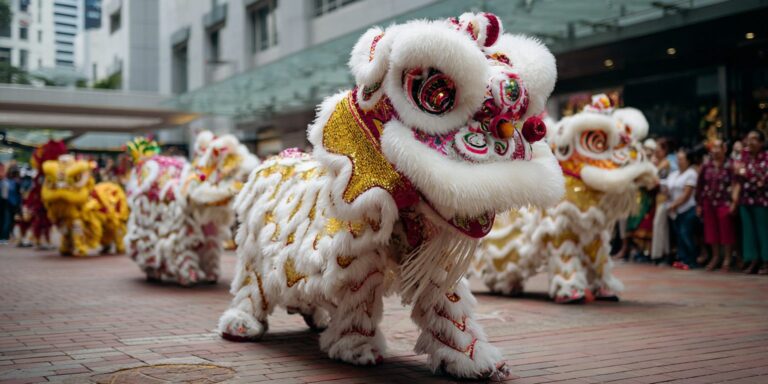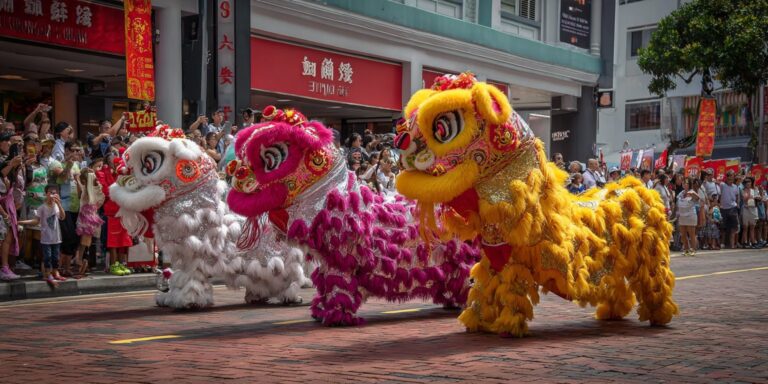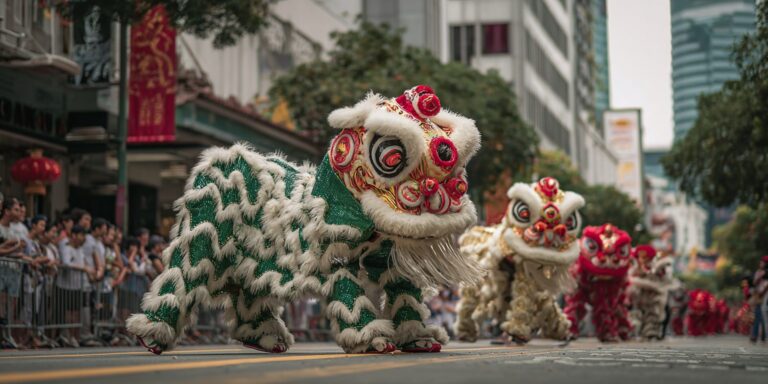
Traditional Lion Dance Singapore – Cultural Significance, Modern Performances & Event Booking
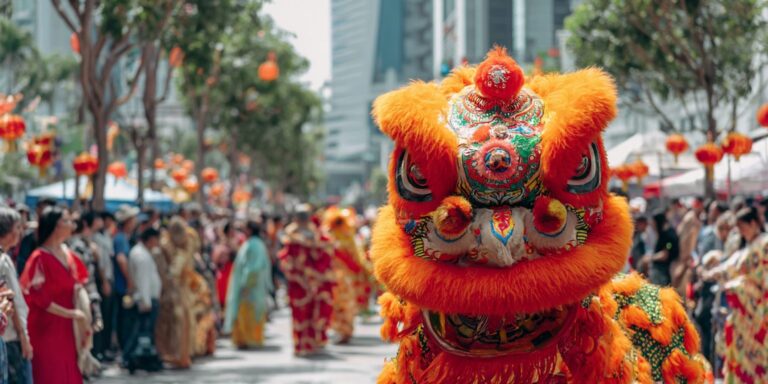
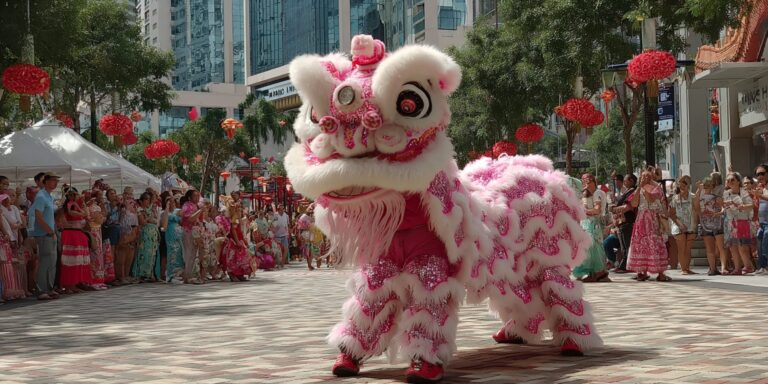
Traditional Lion Dance Singapore – Cultural Significance, Modern Performances & Event Booking remains a vital aspect of the nation’s festive calendar, especially during Chinese New Year 2025. Major venues such as Marina Square, Suntec City, and the F1 Pit Building host vibrant lion dance performances as part of large-scale events like the Chingay Parade.
The Cai Qing ritual, where lions pluck auspicious greens, continues to symbolize prosperity for businesses and families. With growing demand for these performances—especially those integrating traditional acts like Bian Lian and God of Fortune mascots—early booking is now essential for both private and corporate celebrations.
Modern lion dance in Singapore has evolved to feature a blend of traditional high pole routines, creative drum performances, and interactive elements tailored for diverse occasions beyond Chinese New Year. Businesses frequently hire professional troupes for openings or launches, while malls incorporate customized shows to attract crowds. The increasing professionalism of lion dance troupes is evident in their training standards and innovative show formats.
Understanding the cultural roots and modern adaptations of lion dance helps event planners and families make informed choices when booking a performance.
Traditional Lion Dance Singapore – A Living Heritage
Lion dance stands as a vibrant testament to Singapore’s rich Chinese heritage, weaving centuries-old tradition into the dynamic fabric of city life. In 2025, its rhythms and colours continue to captivate audiences at major celebrations like Chinese New Year and the landmark Chingay Parade, which this year commemorates Singapore’s 60th birthday.
Whether at bustling malls or the iconic Marina Square, every performance is a living display of cultural pride and artistry. The tradition of lion dance in Singapore has evolved beyond seasonal festivity. Today, it is a fixture at corporate launches, weddings, business openings, and even private parties year-round. The Cai Qing ritual—where lions “pluck the greens” to bestow blessings and good fortune—remains a crowd favourite for businesses seeking prosperity.
With increasing demand for tailored performances that integrate Bian Lian (mask changing), God of Fortune mascots, and thunderous drum acts, lion dance troupes are pushing creative boundaries while honouring their roots. As more organisations and families seek meaningful ways to mark milestones, booking a professional lion dance troupe has become both an art and a necessity.
Early reservations are now essential during peak periods. Professional troupes like Wolf Events set industry standards in safety, training, and showmanship. For those wanting an unforgettable experience rooted in authenticity and innovation, engaging with experienced providers ensures every event is imbued with true Singaporean spirit. Reach out to Wolf Events via WhatsApp or the Contact Form for expert advice and seamless booking.
| Performance Type | Description | Popular Occasions |
|---|---|---|
| Traditional Lion Dance | Classic southern-style performance with symbolic movements. | Chinese New Year, weddings |
| High Pole Lion Dance | Acrobatic act on tall poles showcasing athleticism. | Large public events, parades |
| Cai Qing Ritual | “Plucking the greens” for blessings and fortune. | Business openings, family celebrations |
| Integrated Shows | Lion dance with Bian Lian & God of Fortune mascot. | Corporate launches, mall events |
The Origins and Cultural Significance of Lion Dance
The roots of lion dance stretch back over a thousand years to ancient China, where the lion was revered as a symbol of power and good luck. This tradition journeyed with early Chinese settlers to Singapore, quickly embedding itself in local culture as a visual prayer for prosperity and protection.
Every movement in the lion’s repertoire—from bold leaps to playful gestures—carries deep meaning tied to warding off evil spirits and ushering in good fortune. Singapore’s multicultural setting has only enriched the lion dance tradition. Today’s performances often blend regional influences while remaining faithful to their core symbolism. The Cai Qing ritual remains one of the most cherished aspects; by presenting lettuce (“qing”) for the lion to “eat,” hosts invite wealth and harmony into their spaces.
This ritual is not just spectacle but spiritual assurance—a belief that continues to unite generations across communities.
Evolution of Lion Dance in Singaporean Celebrations
Lion dance in Singapore has transformed from temple courtyards to grand stages at Chingay Parades and corporate atriums. Troupes now incorporate high pole acrobatics and synchronised drumming for heightened excitement. Integrated shows featuring Bian Lian mask-changing artists or God of Fortune mascots have become popular options for clients seeking something unique.
With each passing year, performers introduce fresh choreography while preserving time-honoured techniques through rigorous training. Safety standards are paramount—especially in high pole acts—and reputable groups invest heavily in both skill development and creative production values. As demand surges during festive seasons, early bookings are vital.
Wolf Events Fact Machine
Did you know? The Cai Qing ritual in Singapore’s lion dance is so revered that some businesses schedule their store openings based on the availability of top lion troupes—believing the precise timing of ‘plucking the greens’ can set the tone for their entire year.
Types of Lion Dance Performances in Singapore
Singapore’s lion dance scene is as vibrant as ever in 2025, with performances taking center stage at high-profile venues from Suntec City to the Chingay Parade at the F1 Pit Building. The tradition, steeped in centuries of Chinese heritage, has evolved here to include a range of performance styles catering to both cultural purists and modern audiences.
Whether you’re attending a grand mall celebration or hosting an intimate business opening, there’s a lion dance style tailored for every occasion. While the traditional lion dance remains beloved for its cultural authenticity, high pole lion dance has surged in popularity thanks to its breathtaking stunts and athletic showmanship. Beyond festive periods like Chinese New Year, demand for these performances continues throughout the year for weddings, birthdays, and corporate launches.
Many companies now combine lion dance with other acts—such as Bian Lian mask changing and God of Fortune mascot appearances—bringing an exciting twist to classic rituals and making each event truly memorable. With increasing integration of creative elements and a focus on professionalism, Singapore’s lion dance troupes offer expertise not just in performance but also in safety standards and customer experience.
Early bookings are essential during peak seasons, especially if you want to personalize your event with unique combinations or special rituals like Cai Qing.
Traditional vs. High Pole Lion Dance
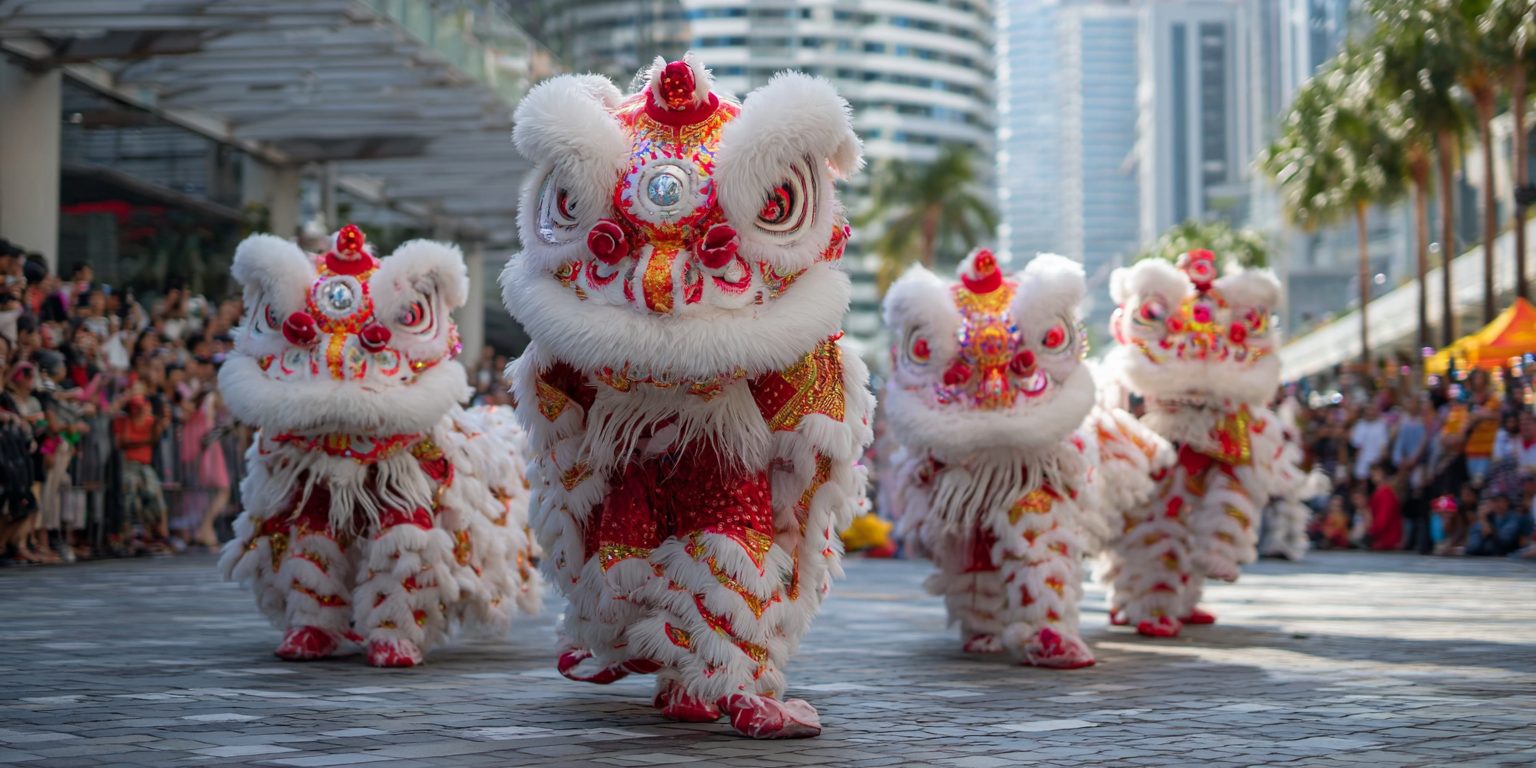
Traditional lion dance in Singapore is known for its rhythmic drumbeats, expressive movements, and deep connection to history. Performed mostly at ground level, it symbolizes good luck and wards off negativity—a staple at business openings and family gatherings. Troupes emphasize precise choreography passed down through generations, ensuring that every gesture honors the spirit of this time-honored art.
High pole lion dance elevates this tradition—literally. Performers execute daring acrobatics atop towering poles up to three meters high, captivating audiences with feats of balance and agility. These acts require rigorous training and strict safety protocols. The high pole style is especially popular at large-scale events where visual impact is key.
In recent years, troupes often blend both styles within one show for maximum effect.
| Feature | Traditional Lion Dance | High Pole Lion Dance |
|---|---|---|
| Performance Level | Ground level | Elevated poles (up to 3m) |
| Skill Focus | Choreography & rhythm | Acrobatics & stunts |
| Ideal For | Small venues, homes, shops | Large events & public shows |
| Safety Measures | Standard precautions | Rigorous training & mats |
| Audience Appeal | Cultural authenticity | Spectacle & thrill |
The Cai Qing Ritual – Symbolism and Practice
The Cai Qing ritual—or ‘Plucking of Greens’—remains a highlight of every major lion dance performance across Singapore in 2025. During this act, the lion ‘eats’ auspicious greens (usually lettuce) before spitting them out to bestow prosperity on the host. This symbolic gesture is believed to bring blessings and drive away misfortune—a reason why so many businesses insist on including Cai Qing when they hire a troupe.
Today’s Cai Qing rituals can be personalized with creative arrangements or even integrated with God of Fortune mascots for extra festive flair. Professional troupes work closely with clients to tailor the ritual’s presentation according to venue size or cultural preferences. For corporate launches or family celebrations alike, Cai Qing serves as both a meaningful tradition and an unforgettable moment that sets the tone for success.
Lion Dance for Events – Corporate, Mall, and Private Functions
Lion dance is more than a festive spectacle; it’s a living tradition deeply embedded in Singapore’s cultural landscape. In 2025, the vibrant beats of the drums and the captivating movements of lion dance troupes continue to energise major events—from mall launches at Marina Square and Suntec City to high-profile functions like Chingay Parade celebrating Singapore’s 60th birthday.
The Cai Qing ritual, where lions pluck symbolic greens, remains a sought-after highlight for businesses and families seeking blessings and prosperity. The versatility of lion dance makes it ideal for corporate events, mall promotions, private gatherings, and even business openings. Whether you prefer a traditional performance grounded in history or an innovative high-pole act that pushes boundaries, today’s troupes offer customisable experiences tailored to each event’s needs.
Increasingly, organisers are enhancing their celebrations by integrating lion dance with other heritage acts for an unforgettable showcase that resonates with guests. Demand for lion dance bookings has grown steadily beyond Chinese New Year. Companies look to these performances to launch products or celebrate milestones; families invite troupes to weddings or birthdays as symbols of good fortune.
With this surge in interest, early reservations are strongly recommended—especially if you want a truly memorable event.
Integrating Bian Lian, God of Fortune, and Drum Performances
Modern lion dance shows have evolved into multi-act performances that captivate diverse audiences. Integrating Bian Lian—the mesmerising art of mask changing—with the energetic presence of the God of Fortune mascot adds layers of excitement and meaning to any event. These acts complement the visual spectacle of the lions while reinforcing wishes for wealth and luck.
A well-choreographed drum performance ties everything together, setting the rhythm and drawing crowds with its pulsating energy. For corporate launches or mall activations, this combination creates a dynamic atmosphere that boosts foot traffic and brand visibility. Wolf Events works closely with clients to customise each show—whether you want a dramatic Bian Lian reveal mid-performance or a God of Fortune handing out gold ingots after Cai Qing.
This tailored approach ensures your celebration stands out while honouring tradition.
Booking Tips and What to Expect
Booking a professional lion dance troupe involves more than just picking a date—it’s about ensuring your event runs smoothly from start to finish. Begin by checking availability well in advance; peak periods such as Lunar New Year see slots fill quickly across Singapore. Clarify your venue details so the troupe can recommend suitable acts—traditional floor routines work best in tight spaces, while high-pole performances need ample clearance.
Ask about customisation options – do you want Cai Qing performed? Would you like to add Bian Lian or God of Fortune? Transparent pricing is key—Wolf Events provides clear packages outlining what’s included so there are no surprises on event day. Expect experienced performers who prioritise safety standards and bring years of training to every show.
Our team arrives early for setup and coordinates seamlessly with your programme.
Lion Dance in Modern Singapore – Trends and Innovations
Lion dance performances in Singapore have evolved far beyond their roots, blending centuries-old tradition with a distinctly modern flair. Today, lion dance remains a powerful symbol of good fortune and prosperity, especially during Chinese New Year celebrations at iconic venues like Marina Square and the F1 Pit Building for the Chingay Parade.
The Cai Qing ritual still captivates audiences, its significance undiminished as businesses and families seek blessings for the year ahead. Increasingly, event organizers and companies are looking for ways to make their celebrations unique. This has led to creative integrations—lion dance troupes now regularly collaborate with Bian Lian (mask changing) artists, God of Fortune mascots, and drum ensembles.
These combinations create immersive experiences that delight guests at corporate launches, mall openings, and family gatherings. With high demand during festive periods, early booking is essential for those hoping to secure top troupes. The lion dance scene in Singapore reflects broader cultural shifts – it’s not just about honoring the past but adapting to contemporary tastes.
Whether it’s a high pole performance or a tailored show for a business opening, professional troupes like those at Wolf Events ensure each event feels special. Their expertise and innovative approach keep this art form vibrant and relevant in 2025.
Year-Round Demand Beyond Chinese New Year
Lion dance is no longer confined to Chinese New Year festivities. In recent years, more businesses have chosen lion dance performances for grand openings, product launches, and milestone celebrations throughout the year. Families also embrace the tradition for weddings and birthdays, recognizing its power to usher in luck regardless of the season.
This growing demand stems from both cultural respect and a desire to create memorable moments. Troupes now customize shows with elements like Bian Lian or God of Fortune mascots to fit any occasion—making every event stand out. For companies seeking a fresh way to connect with staff or clients in 2025, booking a lion dance remains one of Singapore’s most impactful choices.
Wolf Events specializes in year-round lion dance bookings for all occasions. Whether you need an auspicious Cai Qing blessing or a full-scale performance with drums and mascots, their team can personalize each show to your needs.
Professionalism, Training, and Safety Standards
Singapore’s leading lion dance troupes take professionalism seriously. Performers undergo rigorous training in choreography, acrobatics, drumming, and safety procedures. High pole acts require years of disciplined practice under experienced coaches—ensuring both breathtaking stunts and participant safety. In 2025, clients expect transparency about training standards and insurance coverage before making a booking.
Reputable agencies like Wolf Events adhere strictly to industry safety protocols – regular equipment inspections, certified instructors on-site, and well-rehearsed emergency plans are all part of their commitment. For event planners or families hiring a troupe for the first time, it pays to choose providers known for their professionalism—this ensures not just spectacular entertainment but peace of mind as well.
Contact Wolf Events directly on WhatsApp or via their contact form to discuss your needs; they are always happy to share details about their team’s qualifications and performance safety measures.
Common Questions
What is the significance of the traditional lion dance in Singapore?
The lion dance is believed to bring good luck, drive away evil spirits, and usher in prosperity, making it a vital part of Chinese New Year and business openings in Singapore.
When and where can I watch lion dance performances in Singapore?
Lion dance performances are most common during Chinese New Year (late January to early February) at malls, cultural centers, and public events such as the Chingay Parade, as well as at private and corporate functions.
What is the Cai Qing ritual in lion dance?
Cai Qing, or ‘Plucking of the Greens,’ is a ritual where the lion retrieves symbolic items (often lettuce and oranges) to bless the audience or business with prosperity and good fortune.
How can I book a lion dance performance for my event in Singapore?
You can book through specialized companies or event agencies that offer packages including lion dance, Bian Lian, and God of Fortune mascot services. Early booking is advised, especially during peak festive periods.
Are there different types of lion dance performances available?
Yes, options include traditional southern lion dance, high pole (jongs) performances, and themed acts that incorporate Bian Lian and mascot appearances for added entertainment.
In a city that never stops evolving, the traditional lion dance stands firm as both a cultural cornerstone and a dynamic entertainment choice for Singaporean events. Whether you’re planning a grand corporate launch, celebrating a family milestone, or simply want to bring prosperity to your business, understanding the depth and diversity of lion dance performances can make all the difference.
Ready to experience the vibrancy firsthand? Take a moment to browse around our website for in-depth guides, performance options, and booking tips on traditional lion dance in Singapore. When you’re ready to elevate your next event, reach out via Whatsapp Us or our Contact Form—we’re here to help you bring tradition and excitement together.