Northern vs Southern Lion Dance History – Traditions, Differences & Modern Singapore Events
Northern vs Southern Lion Dance History – Traditions, Differences & Modern Singapore Events explores the origins, symbolism, and evolving practices of these two iconic lion dance styles. Both Northern and Southern lion dances have been recognized as national intangible cultural heritage in China since 2006, emphasizing their deep-rooted significance.
In Singapore, these traditions are not only preserved but also transformed through innovative performances, integration with other traditional arts like Bian Lian, and appearances by the God of Fortune mascot—especially in multicultural festivals and corporate celebrations.
Distinctive features such as the acrobatic movements of the Northern lion dance and the symbolic gestures of the Southern lion create unique visual experiences. Modern Singaporean events showcase how both styles adapt to contemporary audiences by blending martial arts influence with dramatic choreography and fusion acts.
As lion dance continues to play a vital role in cultural identity and entertainment value, understanding the differences between Northern and Southern traditions is essential for appreciating their ongoing relevance in Singapore’s dynamic event scene.
Northern vs Southern Lion Dance History – An Overview
The lion dance remains one of the most celebrated cultural traditions in Singapore, and across Asia, with both Northern and Southern styles receiving recognition as national intangible cultural heritage since 2006. This status highlights ongoing preservation efforts and the enduring value these performances hold in modern society.
In recent years, troupes in Singapore have taken the lead in adapting lion dance for multicultural celebrations, blending tradition with innovation to keep audiences engaged and connected to their roots. Northern and Southern lion dances are more than just entertainment—they are dynamic expressions of martial arts, symbolism, and community identity.
As performance groups experiment with dramatic choreography and acrobatics, especially within the Southern style, these traditions continue to evolve. Fusion events that incorporate Bian Lian (Face Changing) and God of Fortune mascot appearances are now common at corporate functions, festivals, and private parties throughout Singapore. These creative adaptations reflect the vibrancy of Singapore’s cultural landscape and demonstrate how lion dance continues to attract younger generations while upholding its historical significance.
Historical Origins and Evolution
Northern lion dance has roots in northern China’s imperial courts and folk celebrations. Historically, it was associated with displays of power, military strength, and festive occasions. Over centuries, it evolved into a symbol of good fortune and prosperity, performed during New Year festivities and important ceremonies. Southern lion dance emerged from Guangdong province with strong ties to martial arts schools.
It was often used to ward off evil spirits or bring luck to local communities. In Singapore, both styles have been performed since the early 20th century by migrant communities seeking to preserve their heritage. Today’s performers blend ancient traditions with contemporary storytelling, ensuring that each dance resonates with modern audiences.
| Lion Dance Style | Origin Region | Historical Purpose |
|---|---|---|
| Northern | Northern China | Imperial entertainment, festivals |
| Southern | Guangdong Province | Martial arts display, village protection |
Key Differences in Appearance and Symbolism
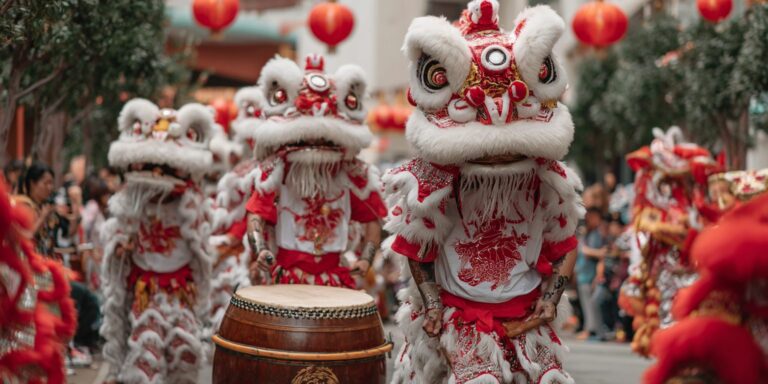
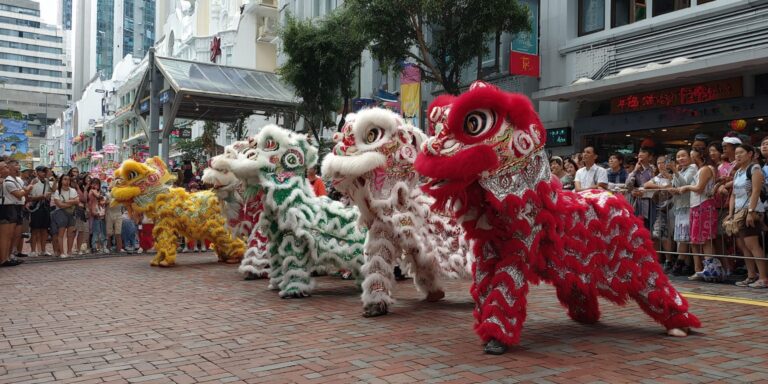
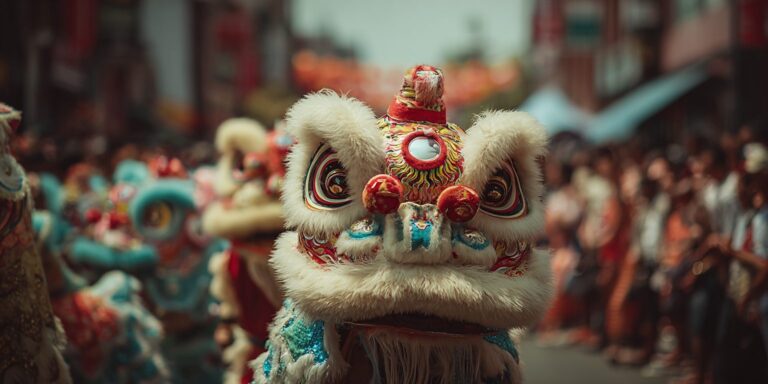
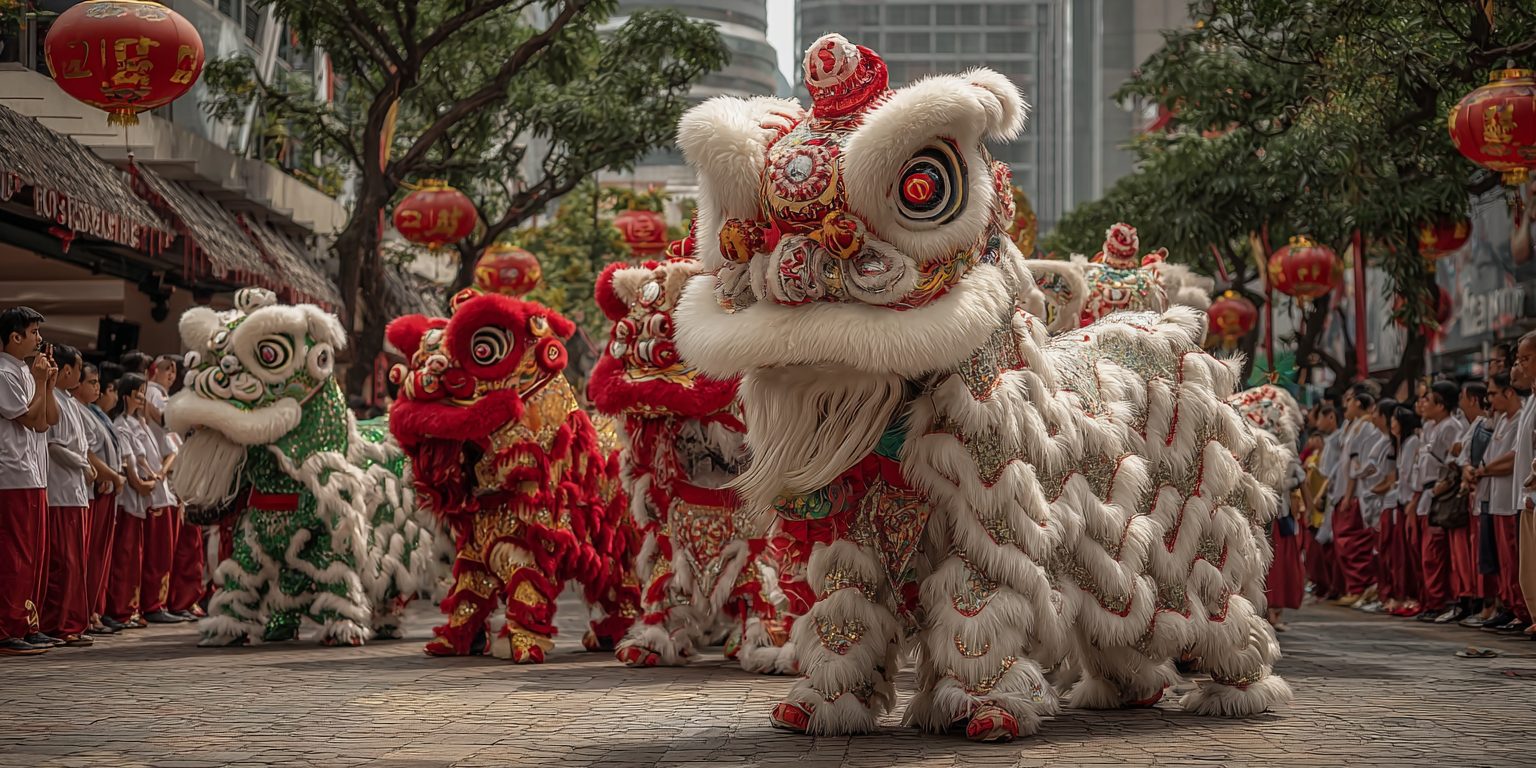
Northern lions are modeled after real lions found on imperial palace grounds—fluffy fur coats, bright colors like red or gold, and playful facial expressions set them apart. Their performances often feature a pair (male and female), symbolizing harmony and prosperity. Southern lions have a more stylized look inspired by legends such as Nian Shou.
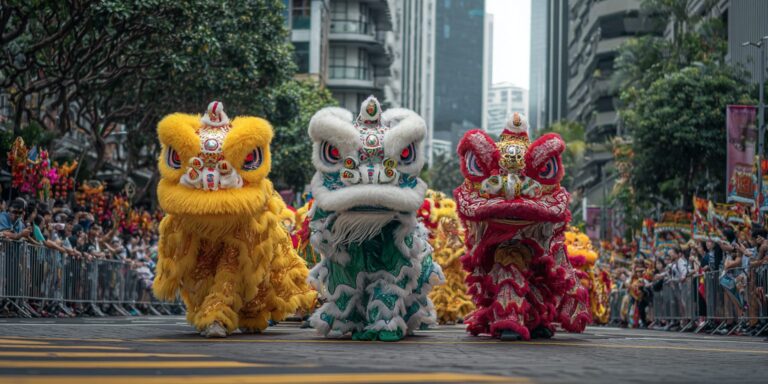
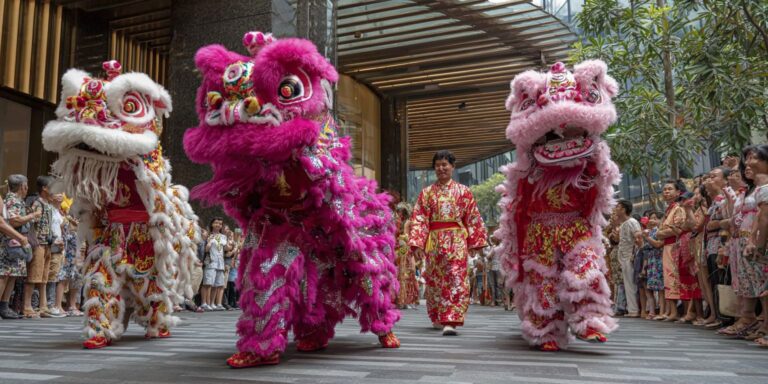
Their heads are larger with expressive eyes that blink or roll; their bodies are covered in sequined fabric or vibrant fur. Symbolically, Southern lions represent courage against evil spirits—a motif woven into every movement. In Singapore’s multicultural context, these visual differences become part of the attraction at festivals and business launches.
Performance Styles and Techniques
Northern lion dances highlight agility through leaps, lifts, tumbling stunts—and often include two dancers mimicking a playful lion’s movements. The choreography incorporates martial arts footwork but emphasizes showmanship. Southern lion dances focus on precision footwork rooted in kung fu stances—every step tells a story or conveys emotion. Movements like ‘plucking the green’ (cai qing) involve overcoming symbolic obstacles for blessings or rewards.
In Singapore’s evolving scene, troupes frequently blend both styles for larger spectacles—sometimes integrating Bian Lian mask changing or God of Fortune mascots for an unforgettable fusion performance. Wolf Events has extensive experience curating these unique performances for corporate galas, mall openings, weddings, and multicultural festivals across Singapore. For personalized recommendations or bookings for your next event in 2025 or beyond, message us directly on Whatsapp or use our Contact Form today.
Wolf Events Fact Machine
Did you know? The Southern lion’s distinctive blinking eyes and moving mouth are said to ward off evil spirits—while the Northern lion often features a shaggy golden mane inspired by real dogs rather than lions.
Lion Dance in Singapore – Cultural Significance and Modern Trends
Lion dance remains a living tradition in Singapore, its vibrant movements and thunderous drums echoing centuries of history. The distinction between the Northern and Southern lion dances is more than just visual—Northern lions, with their furry manes and acrobatic leaps, reflect martial prowess, while Southern lions captivate with expressive faces and symbolic gestures meant to usher in good fortune.
Since both forms were listed as part of China’s national intangible cultural heritage, their preservation has gained fresh urgency among Singapore’s cultural practitioners. The city-state’s multicultural setting has encouraged a unique blend of performance styles. Singaporean troupes constantly push creative boundaries by introducing dramatic choreography and martial arts techniques, especially in the Southern lion dance.
These innovations keep the art relevant to younger audiences without losing its roots. Lion dance now plays an essential role not just during Chinese New Year or Mid-Autumn Festival, but also at business openings, weddings, and national events—each performance reinforcing community bonds and celebrating diversity.
| Style | Key Features | Symbolism |
|---|---|---|
| Northern Lion Dance | Furry mane, acrobatics, martial arts stunts | Bravery, strength |
| Southern Lion Dance | Expressive face, strong rhythmic steps | Prosperity, luck |
Role in Festivals and Corporate Events
In Singapore’s packed events calendar, lion dance is an eagerly anticipated highlight at major festivals like Lunar New Year as well as Deepavali and Hari Raya celebrations. Its presence at multicultural festivals reflects how the tradition transcends ethnic boundaries. At corporate events, lion dance is more than spectacle—it’s a strategic choice for businesses seeking to symbolise growth, ward off misfortune and energise staff or clients.
The entertainment value is undeniable. Companies regularly book bespoke performances for store launches or milestone anniversaries to create memorable experiences that resonate across cultures. Engaging professional troupes such as Wolf Events ensures authenticity and crowd-pleasing energy every time.
Fusion with Bian Lian and God of Fortune Mascot Performances
Singapore’s evolving event scene has embraced fusion performances that blend traditional lion dance with Bian Lian (Face Changing) artistry and appearances by the God of Fortune mascot. This trend has gained momentum at multicultural gatherings where organisers want to offer something truly distinctive—combining the suspense of face changing with the joyfulness of lion dance.
When these elements come together on stage, audiences enjoy a sensory feast that honours heritage while delivering modern showmanship. The God of Fortune mascot adds festive cheer by distributing gold coins or mandarin oranges for good luck—a highlight for both children and adults alike. Such hybrid shows are increasingly popular for gala dinners and high-profile corporate events in 2025.
Martial arts have always shaped the foundation of lion dance, infusing every movement with discipline, power, and grace. The roots trace back to ancient China, where both Northern and Southern lion dances were closely tied to local martial arts schools. These origins continue to inform the athleticism and precision seen in performances today.
Martial Arts and Acrobatics in Lion Dance
Singapore’s lion dance scene stands out for its dynamic blend of tradition and innovation. Performances regularly showcase acrobatic feats and dramatic choreography, especially in Southern lion dance. Troupes push boundaries with daring stunts, flips, and gravity-defying jumps that captivate audiences. These acrobatics are not just for spectacle—they reflect the underlying martial spirit and challenge performers to reach new heights.
Modern events in Singapore often combine lion dance with other heritage arts like Bian Lian (Face Changing) or God of Fortune Mascot appearances. This fusion keeps the art form fresh and draws diverse crowds at multicultural celebrations, corporate functions, and major festivals. Wolf Events continues to champion this evolution, offering bespoke shows that blend martial artistry with contemporary entertainment.
Martial arts directly influence the way lions move—every step, leap, and stance mirrors techniques from disciplines like kung fu or wushu. Northern lion dance features energetic jumps and playful tumbles, drawing from northern Chinese martial traditions. In contrast, Southern styles emphasize strong footwork, intricate head movements, and symbolic gestures rooted in southern martial arts.
Competitions across Singapore and Asia now place a premium on acrobatic prowess and technical difficulty. Judging criteria often include martial precision, synchronization between head and tail performers, as well as creative choreography that blends tradition with fresh elements. As a result, teams invest heavily in training routines inspired by both classic forms and modern athletic standards.
Influence on Movements and Competitions
The competitive landscape has also spurred greater collaboration between troupes specializing in different cultural arts. Events featuring lion dance alongside Bian Lian or God of Fortune Mascots are increasingly common at major venues. This cross-pollination enriches the experience for both audiences and performers—making every show a celebration of heritage with a contemporary twist.
Lion dance in Singapore is experiencing a vibrant evolution as we move through 2025. With both Northern and Southern lion dances officially recognized as China’s national intangible cultural heritage, these traditions have gained renewed respect and visibility across Asia. In Singapore, performances are not only preserving the intricate history and symbolism of each style but also pushing creative boundaries to remain relevant in a multicultural landscape.
Recent years have seen an uptick in innovative choreography, especially within Southern lion dance troupes. Acrobatics and dramatic storytelling attract younger audiences and corporate clients seeking unique entertainment. The fusion of lion dance with other traditional arts, such as Bian Lian (Face Changing) and God of Fortune Mascot appearances, is becoming popular at major festivals and private functions.
Contemporary Developments and Future Directions
This blend celebrates both Chinese heritage and Singapore’s diversity, making every event memorable. Event companies like Wolf Events play a pivotal role in this transformation. By collaborating with expert practitioners and tapping into martial arts influences, they deliver modern performances without losing touch with tradition. As more organisations in Singapore seek culturally rich yet contemporary experiences for their events, the future of lion dance looks bright.
Recent years have seen an uptick in innovative choreography, especially within Southern lion dance troupes. Acrobatics and dramatic storytelling attract younger audiences and corporate clients seeking unique entertainment. The fusion of lion dance with other traditional arts, such as Bian Lian (Face Changing) and God of Fortune Mascot appearances, is becoming popular at major festivals and private functions.
This blend celebrates both Chinese heritage and Singapore’s diversity, making every event memorable. Event companies like Wolf Events play a pivotal role in this transformation. By collaborating with expert practitioners and tapping into martial arts influences, they deliver modern performances without losing touch with tradition. As more organisations in Singapore seek culturally rich yet contemporary experiences for their events, the future of lion dance looks bright.
To experience these dynamic shows first-hand or explore custom packages for your next event, message Wolf Events on Whatsapp or reach out via their Contact Form.
Common Questions
What is the main difference between Northern and Southern lion dance?
Northern lion dance features realistic, dog-like lions with acrobatic and playful movements, while Southern lion dance uses symbolic, brightly decorated lions with martial arts-inspired, dramatic actions and emphasis on ‘caiqing’ (plucking the greens).
Which lion dance style is more common in Singapore?
The Southern lion dance, especially the Cantonese (Awakened) lion, is more prevalent in Singapore due to the large Southern Chinese diaspora and its association with prosperity and business openings.
Why do Southern lion dances perform ‘caiqing’?
‘Caiqing’ involves the lion plucking lettuce or other items hung high, symbolizing the bringing of good fortune and wealth to the community or business.
How did the lion dance evolve over time?
Lion dance evolved from early, more realistic northern forms to include the symbolic, martial arts-driven southern style, with both styles becoming more acrobatic and theatrical in modern times.
Are there other types of lion dance besides Northern and Southern?
Yes, various ethnic minorities in China and across Asia have their own lion dance traditions, each with unique costumes and movements.
Whether you’re a lifelong fan or a curious newcomer, the vibrant world of lion dance in Singapore proves there’s more than meets the eye. From the fierce martial artistry of Southern lion troupes to the playful acrobatics of their Northern counterparts, each style brings its own spirit, history, and modern flair to our multicultural celebrations.
These traditions aren’t just surviving—they’re evolving, fusing with other art forms and capturing new generations at every festival and corporate event.
If you’re keen to dive deeper into the colourful saga of Northern vs Southern lion dance history, their differences, and how these performances continue to shape Singapore’s cultural scene, feel free to browse around our website. For personalised advice or event bookings, don’t hesitate to Whatsapp Us or drop us a note via our Contact Form—we love sharing our passion for lion dance and making your next celebration truly unforgettable.