Nian Monster Legend and Lion Dance – Cultural Roots and Modern Celebrations in Singapore
Nian Monster Legend and Lion Dance – Cultural Roots and Modern Celebrations in Singapore explores the deep ties between ancient folklore and contemporary tradition. The Nian monster legend, central to Chinese New Year, tells of a fearsome beast repelled by loud noises, vibrant colors, and the Lion Dance—a practice that has become a cultural hallmark in Singapore.
Today, Lion Dance is not only performed during festive seasons but has evolved into a year-round spectacle at weddings, business openings, and community events, symbolizing good fortune and driving away negative influences.
Singapore’s embrace of the Lion Dance reflects both its rich heritage and its commitment to cultural education. Schools now incorporate Lion Dance into their core activities, ensuring the next generation appreciates its symbolic elements—such as red costumes for luck or the rhythmic drumbeats meant to scare off evil spirits.
The renewed focus on ceremonial details like orange peels for wealth and the spiritual role of the lion head highlights how tradition adapts while remaining rooted in its origins. This evolving celebration showcases the Lion Dance as a living bridge between myth, identity, and modern Singaporean life.
Nian Monster Legend and the Birth of Lion Dance
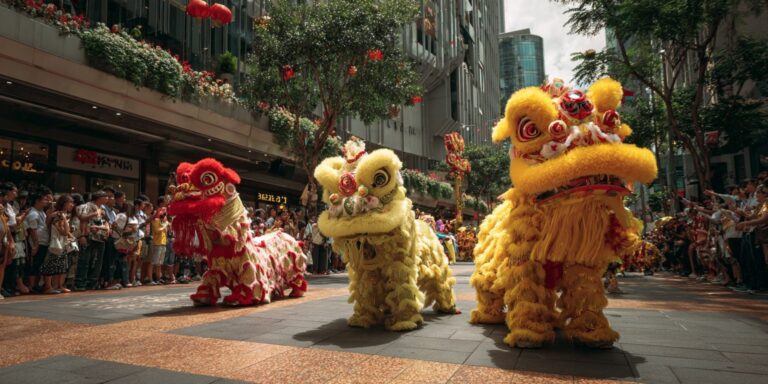
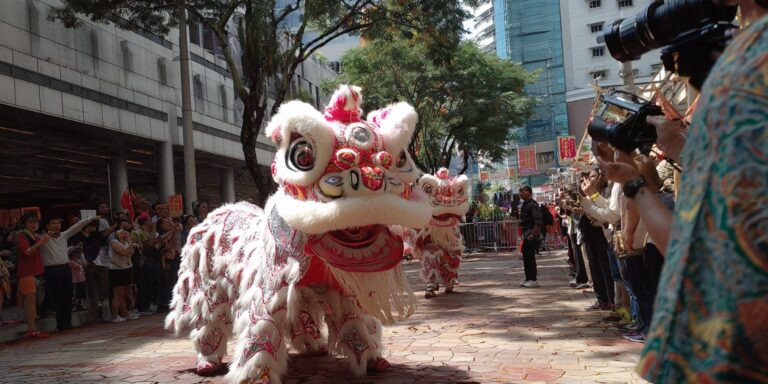
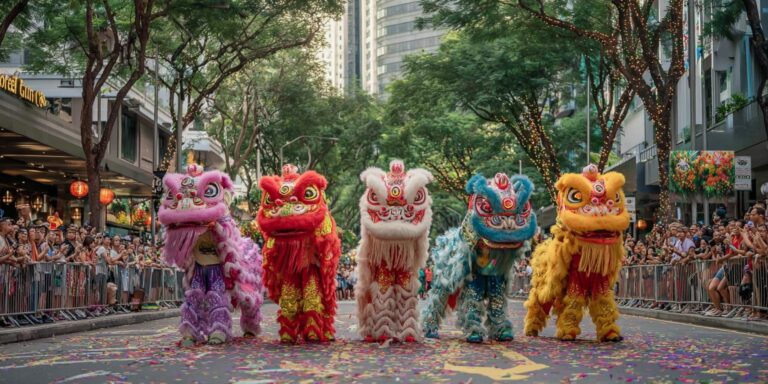
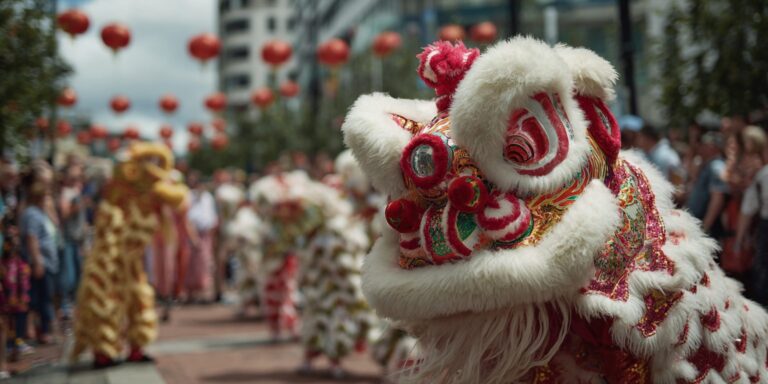
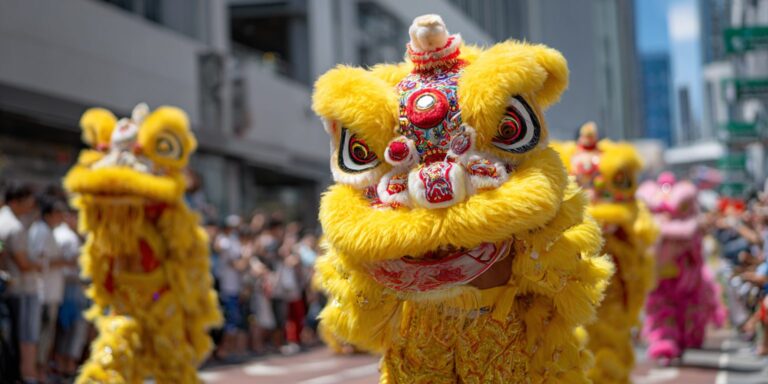
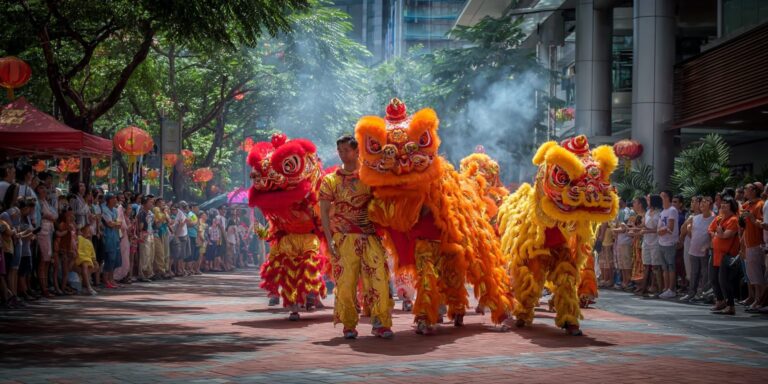
The Nian monster legend sits at the heart of one of Asia’s most vibrant traditions—the Lion Dance. Every Chinese New Year in Singapore, you can hear the thunder of drums and see flashes of red and gold as troupes take to the streets, echoing a tale that began centuries ago.
According to folklore, the monstrous Nian emerged from the mountains each spring, terrorizing villages until locals discovered its fear of loud noises, firecrackers, and the colour red. In response, villagers donned elaborate lion costumes, beat drums, and set off fireworks to repel Nian and usher in peace for another year.
Today, this ritual has become much more than a myth retold. Singapore’s Lion Dance scene is thriving not just during Chinese New Year but throughout the calendar—at weddings for good luck, at business openings for prosperity, and in schools as part of cultural education. The dance isn’t just a performance; it’s an act of community resilience and cultural pride.
The bold colours, rhythmic drumbeats, and energetic movements all serve a deeper purpose – to scare away evil spirits and invite fortune. Lion Dance troupes in Singapore are constantly innovating while staying true to tradition. From including God of Fortune mascots to weaving in Bian Lian mask changing performances, these acts have become cornerstones of festive entertainment packages.
Yet at its core remains the spirit of the original legend—a dynamic battle against misfortune that unites people across generations.
The Story of Nian – Origins and Folklore
Long ago in China’s rural villages, stories circulated about Nian—a fierce beast said to descend every lunar new year. It preyed on livestock and villagers until clever townsfolk discovered its weaknesses – noise, firelight, and vibrant red decorations. Children would hang red lanterns at their doors while families created makeshift lions from cloth and bamboo to chase away the monster.
The symbolic meaning behind these actions endures today in Singapore. The roar of firecrackers and rhythmic drumming replicate those age-old attempts to frighten away evil forces. Red remains a dominant colour not only for its beauty but for its storied power against adversity. This folklore isn’t static; parents pass it down to children through stories—and now through hands-on experience as schools integrate Lion Dance into their curricula.
| Element | Symbolism | Purpose |
|---|---|---|
| Red Decorations | Wards off Nian & evil | Protection |
| Drums & Firecrackers | Scare monster with noise | Repel misfortune |
| Lion Costume | Resembles powerful beast | Defend village |
How Lion Dance Became a Tradition
What began as a practical defense against mythical danger evolved into one of Southeast Asia’s most iconic celebrations. As communities grew more connected, lion troupes formed—each developing unique styles based on local customs. In Singapore today, you’ll find Southern Lions with broad heads performing agile stunts that echo both athleticism and artistry.
The Lion Dance has proven remarkably adaptable – it’s a highlight at business launches to draw prosperity; it marks milestones at weddings; it features in public festivals where it builds community spirit. The lion head itself is revered—blessed before every performance for spiritual protection—and oranges tossed by the lions symbolize wishes for wealth.
Singaporean troupes also embrace modern touches by combining Lion Dance with Bian Lian mask changing or appearances by the God of Fortune mascot during performances. These innovations keep the tradition fresh while reinforcing its original purpose – bringing good luck and unity wherever it is performed.
Wolf Events Fact Machine
Did you know? In traditional Lion Dance performances, orange peels are carefully arranged during the ‘cai qing’ (plucking the greens) segment because they symbolize gold and wealth—a practice that remains integral in Singaporean ceremonies today.
Symbolism and Rituals in Lion Dance
Lion Dance in Singapore is more than a festive performance—it is a living tradition deeply woven into the city’s cultural fabric. Rooted in the ancient legend of the Nian monster, this art form has evolved to serve as both a spiritual safeguard and a vibrant celebration of identity. According to the Nian legend, villagers used loud sounds, fiery colors, and energetic movements to scare away evil spirits.
Today, these elements remain central to every Lion Dance, imbuing each event with purpose beyond entertainment. Red hues and resounding drumbeats have become iconic symbols within the Lion Dance, each carefully chosen for its ability to ward off misfortune and summon prosperity. As Singapore grows more diverse, Lion Dance continues to adapt—taking center stage at weddings, business launches, school events, and multicultural festivals throughout 2025.
This ongoing evolution highlights its enduring relevance while nurturing a sense of community among new generations. In schools across Singapore, Lion Dance is now part of the curriculum, ensuring that children not only learn about their heritage but also embody it through movement and ritual. Renewed interest in symbolic gestures—such as scattering orange peels for wealth or honoring the lion head as a spiritual protector—reflects a deeper appreciation for tradition in modern settings.
Troupes are finding fresh ways to combine Lion Dance with other iconic acts like Bian Lian (mask changing) and God of Fortune mascots, offering uniquely Singaporean cultural experiences for every occasion. For those seeking an unforgettable performance that brings luck and unity to any gathering, Wolf Events delivers authentic Lion Dance experiences tailored for today’s celebrations.
Reach out on WhatsApp or use our Contact Form to secure your booking.
The Power of Red and Loud Sounds
Red dominates every aspect of Lion Dance—from costumes to banners—because it symbolizes happiness, vitality, and protection against evil in Chinese culture. The color red is believed to terrify malicious spirits like the Nian monster while inviting good fortune for hosts and guests alike. The tradition of using firecrackers alongside drums amplifies this effect; loud noises startle negative energies away while energizing everyone present.
In modern Singaporean events, the combination of thundering drums, cymbals, and the unmistakable crackle of firecrackers sets an electrifying tone that signals new beginnings. Whether at a school assembly or a grand business opening on Orchard Road, these sounds create a sense of communal excitement. The energetic rhythms are more than just music—they announce transformation, prosperity, and unity at every gathering.
| Element | Symbolic Meaning | Modern Application |
|---|---|---|
| Red Costumes | Luck & Protection | Weddings/Business Openings |
| Drums & Cymbals | Repel Evil Spirits | Community Festivals |
| Firecrackers | Celebrate New Beginnings | Grand Openings |
The Spiritual Role of the Lion Head
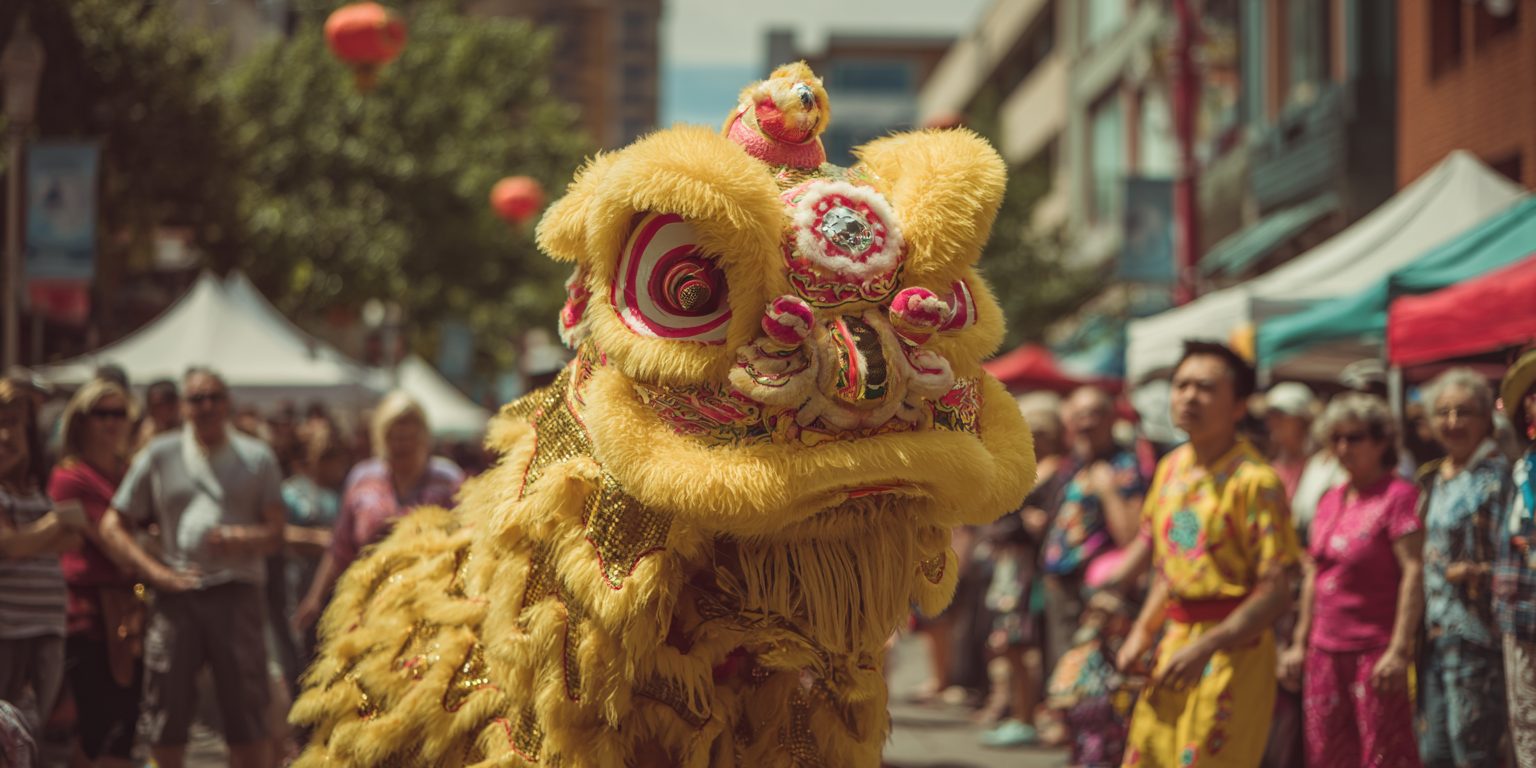
The lion head holds deep spiritual meaning in every performance. Traditionally crafted with care and artistry, it represents wisdom and strength—a guardian spirit brought to life through ceremony. Before each dance begins, performers often conduct rituals such as ‘dotting the eyes’ (开光), believed to awaken the lion’s protective power. In Singapore’s diverse communities today, the lion head remains central during special blessings at new homes or offices.
Its presence is said to clear negative energy while ushering in harmony and abundance. Some troupes even incorporate personalized blessings or combine their routines with God of Fortune mascots for extra auspiciousness. As families and businesses increasingly seek meaningful rituals for milestones in 2025, honoring the lion head’s spiritual role connects participants with both ancestral wisdom and contemporary hopes.
Lion Dance in Singapore’s Modern Culture
Lion Dance has evolved far beyond its legendary roots of scaring away the Nian monster during Chinese New Year. In contemporary Singapore, it remains a vibrant, living tradition that threads through modern life. Its heart-thumping drums and acrobatic lions bring energy and symbolism to both traditional festivals and fresh occasions.
Businesses invite Lion Dance troupes to their grand openings, believing the lions will sweep away misfortune and usher in prosperity. Couples choose Lion Dance for their weddings, seeking blessings for happiness and abundance. More than just a performance, the Lion Dance has become an emblem of community spirit, celebration, and cultural continuity—reflecting Singapore’s dynamic blend of heritage and modernity.
The use of red in costumes, the rhythmic clash of cymbals, and the tossing of orange peels all carry meaning. These symbols are not relics but active agents in ceremonies that wish luck and drive away negativity. Today’s Lion Dance troupes often combine their acts with Bian Lian mask changing or appearances by the God of Fortune mascot—curating unforgettable entertainment packages that bridge generations.
Beyond Chinese New Year – Weddings, Openings, and Festivals
While Chinese New Year remains the peak season for Lion Dance performances in Singapore, demand now stretches across the calendar. Wedding couples invite the lions to bless their union with auspicious energy. The dramatic entrance of a Lion Dance troupe at a banquet hall or outdoor venue never fails to excite guests.
Retailers and corporate offices regularly book Lion Dances for store launches or business anniversaries. The lions’ presence is thought to attract good luck and customers alike—a belief rooted in centuries-old tradition but just as powerful today. Festivals such as Mid-Autumn or National Day now feature Lion Dance troupes alongside Bian Lian performers and God of Fortune mascots, creating multi-layered spectacles that celebrate both heritage and innovation.
Lion Dance in Schools and Community Events
Singaporean schools are embracing Lion Dance as more than just a festive spectacle—they’re turning it into an educational journey. By incorporating it into core curriculum activities, schools pass down stories like the Nian monster legend while teaching students about rhythm, teamwork, and discipline. Community centres also use Lion Dance to engage residents from all backgrounds.
Performances at neighbourhood events foster social bonds and nurture an appreciation for shared cultural roots. The spiritual role of the lion head—often used in ceremonial eye-dotting rituals—remains significant, connecting young participants with deep traditions. These efforts ensure that Lion Dance stays relevant as a living heritage while inspiring pride in Singapore’s multicultural tapestry.
Related Cultural Performances – Bian Lian and God of Fortune
Bian Lian, or mask changing, and the God of Fortune mascot have become increasingly popular additions to Lion Dance performances in Singapore. While the Lion Dance traces its roots to the ancient Nian monster legend—where villagers used loud drums, firecrackers, and vibrant lion costumes to repel evil spirits—these related acts add new layers of spectacle and meaning.
The God of Fortune mascot, often seen distributing gold ingots or sweets, embodies prosperity and luck, heightening the celebratory atmosphere at business openings, weddings, and festivals. The inclusion of Bian Lian with Lion Dance not only entertains but also deepens cultural engagement. Bian Lian’s dazzling quick-change artistry symbolizes transformation and adaptability—a perfect complement to the Lion Dance’s themes of protection and renewal.
Together with the God of Fortune mascot, these performances provide a holistic representation of Chinese cultural heritage that resonates strongly with both older generations and young Singaporeans. As schools now adopt Lion Dance as part of their curriculum, children learn firsthand about these traditions’ historical roots and evolving role in community life.
Modern Lion Dance troupes in Singapore are adept at weaving together these cultural elements for a truly immersive experience. By incorporating symbolic details such as orange peels for wealth or specific drum rhythms for spiritual cleansing, they keep traditions vibrant while adapting to contemporary celebrations.
Integrating Lion Dance with Mask Changing and Mascot Acts
Lion Dance performances in Singapore have evolved beyond their mythological origins to become sophisticated showcases featuring mask changing (Bian Lian) and God of Fortune mascots. The seamless integration of these acts adds depth to any event, creating a multi-sensory journey steeped in symbolism.
For instance, while the thunderous drums and bold red hues of the Lion Dance drive away negativity—a direct nod to scaring off the Nian monster—the sudden transformations in Bian Lian captivate audiences with themes of resilience and surprise. The God of Fortune mascot plays a unique ceremonial role by bestowing blessings upon guests or businesses, reinforcing wishes for prosperity.
This is especially meaningful at business openings across Singapore where owners seek both protection from misfortune and an auspicious start. Schools also benefit from this integration; students not only witness but participate in acts that teach cultural history through performance art. Wolf Events understands how each element—Lion Dance, Bian Lian, God of Fortune—serves a distinct purpose yet works harmoniously together.
Whether it’s for weddings, corporate launches, or school programs, our curated shows ensure every aspect is authentically represented.
Enduring Legacy and Evolving Traditions
Lion Dance in Singapore stands as a living thread that connects ancient legends with contemporary celebrations. Its roots reach back to the Nian monster legend, where villagers used vibrant costumes, drums, and firecrackers to repel the beast. Over centuries, this story has evolved into the energetic Lion Dance we see today, blending old-world symbolism with new expressions of community spirit and prosperity.
While Lion Dance remains a centrepiece of Chinese New Year festivities, its presence now extends far beyond. From school halls to wedding banquets and business openings, the dance adapts to modern life while retaining deep cultural meaning. The use of bold red fabrics and the dramatic clash of cymbals are not just for spectacle—they symbolise luck and drive away negativity, reinforcing why Lion Dance is performed at significant milestones across Singapore.
Renewed interest in the spiritual elements of Lion Dance has sparked more thoughtful performances. The ceremonial lion head, once simply an icon, now commands respect for its role in blessing new ventures and homes. Schools introducing Lion Dance as a core activity ensure these traditions do not fade; instead, they inspire pride in heritage among new generations.
This evolution shows how Lion Dance continues to unite communities, nurture identity, and adapt gracefully to changing times.
Common Questions
What is the legend of the Nian monster?
The Nian is a mythical beast from Chinese folklore that would terrorize villages every New Year’s Eve until villagers discovered it feared loud noises, fire, and the color red, leading to the creation of the Lion Dance to scare it away.
Why is Lion Dance performed during Chinese New Year?
Lion Dance is performed to ward off evil spirits and bring good luck, based on the legend that the dance, loud drums, and red colors scared away the Nian monster.
What do the drums and firecrackers symbolize in Lion Dance?
Drums, cymbals, and firecrackers are used to create loud noises believed to frighten away evil spirits and the Nian monster, ensuring safety and prosperity for the coming year.
Is Lion Dance only for Chinese New Year?
While Lion Dance is most prominent during Chinese New Year, in Singapore it is also performed at weddings, business openings, school events, and other celebrations to bring blessings and good fortune.
What is the significance of the color red in Lion Dance?
Red is used extensively in Lion Dance costumes and decorations because the Nian monster was believed to fear this color, which now symbolizes luck, happiness, and protection.
As we’ve uncovered, the legend of the Nian monster and the vibrant tradition of Lion Dance are more than just festive spectacles—they are living symbols of resilience, prosperity, and unity in Singapore’s multicultural landscape. The evolution from ancient folklore to modern-day celebrations at weddings, business openings, and schools shows how these customs continue to adapt while keeping their roots intact.
Curious to learn more about how Lion Dance and related performances like Bian Lian and the God of Fortune mascot are shaping Singapore’s cultural scene? Take a moment to browse around our website for deeper insights, inspiring stories, and ways you can bring these traditions to your next event. For bookings or tailored advice, don’t hesitate to Whatsapp Us or reach us via our Contact Form.