Movie Lion Dance Scenes – Exploring Iconic Film Moments and Cultural Impact in Singapore
Movie Lion Dance Scenes – Exploring Iconic Film Moments and Cultural Impact in Singapore reveals how these vibrant performances have shaped cinematic storytelling and cultural perceptions. From classic martial arts films like ‘Once Upon a Time in China 3’ to modern animated features such as ‘Madagascar – Escape 2 Africa’, lion dance scenes are increasingly featured in both Asian and Western movies, blending tradition with innovation and influencing global audiences.
Singapore, a multicultural hub with a deep-rooted lion dance heritage, has seen its traditional art form reimagined on the big screen. The choreography and symbolism of lion dance scenes in cinema often differ from authentic performances, sparking discussion about cultural accuracy and representation. As filmmakers continue to use lion dance as a dramatic device, these scenes contribute to ongoing conversations about cultural exchange, audience perception, and the evolution of this iconic tradition in film.
Movie Lion Dance Scenes in Cinema History
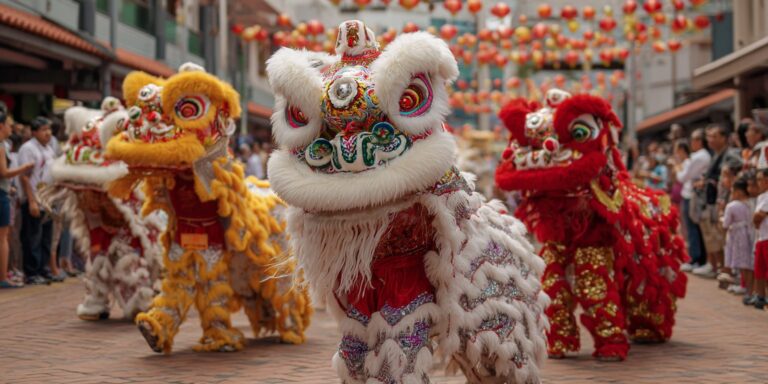
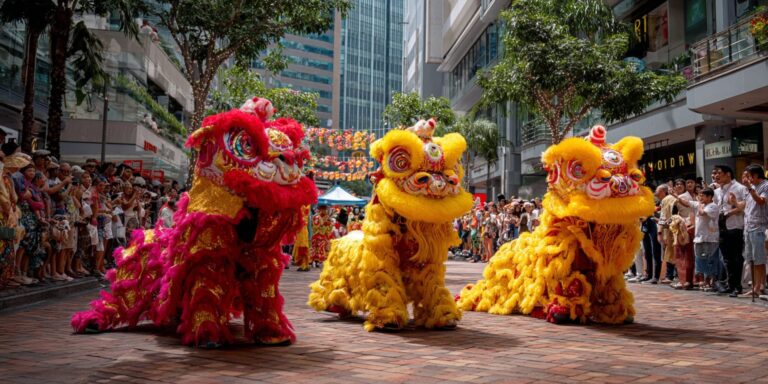
Lion dance scenes have carved out a unique niche in cinema, blending spectacle, tradition, and narrative power. From the thunderous energy of martial arts classics to clever nods in animated blockbusters, filmmakers use lion dance both as an homage to Chinese heritage and a visually striking storytelling tool. In recent years, renewed interest has surged thanks to viral social media clips and stage adaptations, though these often reinterpret the tradition for new audiences.
Classic films like ‘Once Upon a Time in China 3’ and ‘Dreadnaught’ remain benchmarks for their elaborate lion dance fight choreography. These movies not only showcase technical mastery but also reinterpret the cultural symbolism of the lion dance for global viewers. Meanwhile, Western productions and animations—such as the playful reference in ‘Madagascar – Escape 2 Africa’—demonstrate how the lion dance continues to inspire across genres and continents.
This ongoing evolution highlights both the adaptability of the art form and its enduring cinematic appeal.
Iconic Lion Dance Moments in Martial Arts Films
Martial arts cinema is where lion dance truly comes alive on screen. Iconic scenes from movies like ‘Once Upon a Time in China 3’ have set new standards for action choreography, integrating traditional moves with high-flying stunts and intricate storytelling. These sequences are more than visual feasts—they pay tribute to cultural rituals while pushing creative boundaries.
Choreographers work closely with lion dance troupes to ensure authenticity, yet they often inject cinematic flair that heightens drama or tension. The famous rooftop battle from ‘Dreadnaught’ stands as a testament to this blend of old and new, captivating audiences while introducing them to the athleticism behind real lion dance.
Such films have inspired a new generation of performers who now view lion dance not just as tradition, but as an evolving performance art with global relevance.
| Film Title | Year | Notable Lion Dance Scene |
|---|---|---|
| Once Upon a Time in China 3 | 1993 | Lion Dance Tournament Showdown |
| Dreadnaught | 1981 | Rooftop Lion Dance Battle |
| Madagascar – Escape 2 Africa | 2008 | Comedic Animated Lion Dance |
Lion Dance as a Storytelling Device
Directors often use lion dance not just for spectacle but as a narrative engine that drives plot and character development. In martial arts films, the outcome of a lion dance competition can symbolize personal triumph or communal pride. The performance itself becomes a metaphor for resilience, teamwork, or even rivalry between families or schools.
Western adaptations and animated films have also experimented with this device—sometimes reimagining it with humor or dramatic effect. Though these versions may lack traditional accuracy, they play an important role in introducing global audiences to the spirit of lion dance. As Singapore continues to grow as a multicultural film hub, expect even richer cinematic explorations that respect tradition while embracing innovation.
Wolf Events celebrates this dynamic legacy by bringing authentic lion dance performances to modern stages and events throughout Singapore. To experience genuine artistry up close, message Wolf Events on Whatsapp or use our contact form today.
Wolf Events Fact Machine
In the film ‘Once Upon a Time in China 3,’ Jet Li trained extensively with real lion dance troupes to perform the complex fight choreography, making its climactic lion dance duel one of the most technically accurate scenes ever filmed.
Cultural Significance of Lion Dance in Film
Lion dance sequences have become a memorable visual motif in cinema, weaving together cultural heritage and dynamic storytelling. Their presence in both Asian and Western films highlights the lion dance as more than just a festive performance—it becomes a cinematic language that communicates triumph, rivalry, and unity. Classic martial arts movies such as ‘Once Upon a Time in China 3’ and ‘Dreadnaught’ brought lion dance choreography to the forefront, inspiring directors and choreographers globally.
The artistry of these scenes has left an indelible mark, with each film adaptation shaping how audiences perceive the tradition. In recent years, renewed interest has emerged through animated blockbusters like ‘Madagascar – Escape 2 Africa’ and viral Broadway adaptations such as ‘The Lion King.’ These interpretations, while distinct from traditional Chinese lion dance, demonstrate the enduring appeal of animal-themed performances on screen.
For Singapore’s multicultural audience, these cinematic moments encourage both nostalgia for authentic lion dance and curiosity about its evolving expressions worldwide. As filmmakers continue to explore this art form, the lion dance on screen remains a bridge between generations and cultures.
Symbolism and Audience Impact
In cinema, the lion dance is charged with symbolism that resonates beyond its origins. Traditionally associated with prosperity, protection, and celebration during Chinese New Year, its on-screen representation amplifies these meanings. Directors often use the lion dance as a metaphor for overcoming adversity or uniting communities—whether it’s a climactic movie lion dance competition scene or an unexpected moment in an animated feature.
Audiences respond powerfully to these performances. The choreography’s energy draws viewers into the narrative, transforming what might be a simple festive scene into a pivotal storytelling device. For international audiences unfamiliar with the tradition, cinematic lion dance moments often spark curiosity about its roots. In Singapore especially, seeing local traditions depicted in global cinema fosters pride and strengthens cultural identity.
| Film Title | Symbolism Highlighted | Audience Reaction |
|---|---|---|
| Once Upon a Time in China 3 | Triumph over adversity | Inspired by martial arts innovation |
| Dreadnaught | Protection & bravery | Appreciation for choreography |
| Madagascar – Escape 2 Africa | Unity & celebration (comedic) | Curiosity among younger viewers |
Traditional vs. Cinematic Lion Dance
Traditional lion dance emphasizes precise footwork, rhythmic drumming, and cultural symbolism passed down through generations. Performers train rigorously to master not only physical technique but also the spiritual aspects that make each movement meaningful. In contrast, cinematic adaptations often prioritize spectacle—incorporating exaggerated stunts or blending martial arts elements for dramatic effect.
While films like ‘Once Upon a Time in China 3’ pay homage to authentic choreography, others take creative liberties to suit narrative needs or cater to international tastes. Animated features sometimes simplify or parody the movements for broader appeal. This evolution has fueled debates about cultural accuracy but also expanded global appreciation for lion dance as both art and entertainment.
In Singapore’s context—where tradition is cherished yet creativity thrives—the fusion seen on screen inspires new possibilities for live performance.
Lion Dance in Western and Animated Films
Lion dance scenes have made striking appearances in Western and animated films, bridging the gap between tradition and global entertainment. From the comedic sequences in ‘Madagascar – Escape 2 Africa’ to the adrenaline-fueled fight scenes in martial arts classics like ‘Once Upon a Time in China 3’, these portrayals offer both homage and creative reinterpretation.
Filmmakers often use lion dance as a visual storytelling tool, capturing its dramatic flair while introducing audiences to its cultural roots. The choreography of movie lion dance performances often diverges from traditional forms, blending martial arts with cinematic spectacle. This fusion is evident in Hollywood adaptations and animated features, where the symbolic meaning of the lion—courage, luck, and celebration—is maintained but delivered with new narrative twists.
Such creative liberties can sometimes blur cultural lines, yet they also open doors for greater appreciation and dialogue. In Singapore, where lion dance is both a cherished heritage and a modern performance art, local practitioners note how these cinematic representations inspire younger generations. They spark curiosity about the authentic traditions behind the on-screen drama.
For those interested in experiencing real lion dance or learning about its cultural context, connecting with experts like Wolf Events offers an unmatched opportunity to see the artistry up close.
Interpretations in Animation and Broadway
Animated films and Broadway productions have reimagined animal-themed dances for global audiences. While shows like ‘The Lion King’ on Broadway feature stylized movement inspired by African wildlife rather than traditional Chinese lion dance, they reflect a growing fascination with animal symbolism on stage. Choreographers adapt these movements to suit Western tastes while still honoring their origins through costume, music, and storytelling.
Animation provides even more creative freedom. In films like ‘Madagascar – Escape 2 Africa’, the lion dance becomes a playful motif—introducing children to Chinese culture through humor and spectacle. Though these interpretations differ from the disciplined art of traditional lion dance troupes, they help keep cultural motifs alive in popular memory.
As digital media continues to shape perceptions worldwide, authentic representation matters more than ever.
Opportunities for Lion Dance Performances in Singapore
Lion dance has always played a starring role in Asian cinema and continues to inspire audiences worldwide. In recent years, blockbuster films and viral stage adaptations have brought fresh attention to the art form, sparking new interest among filmmakers, event organisers, and cultural communities.
The influence of lion dance scenes—from the kinetic choreography in martial arts classics like ‘Once Upon a Time in China 3’ to comedic moments in animated films—has made this tradition both timeless and contemporary. Singapore stands at the crossroads of tradition and innovation, making it an ideal location for cinematic lion dance performances.
The city’s multicultural landscape offers countless opportunities to integrate lion dance into modern events, from film premieres to theatrical productions and community festivals. These performances not only celebrate heritage but also introduce creative storytelling devices that captivate today’s audiences. As global demand grows for authentic yet imaginative lion dance acts, Singaporean troupes are reimagining their craft.
By drawing inspiration from iconic movie scenes and adapting choreography for live audiences, they create experiences that resonate both locally and internationally. Wolf Events leads this movement, offering bespoke lion dance performances that channel the energy and spectacle of cinema while honouring the art’s cultural roots.
Inspiring Modern Events with Cinematic Lion Dance
Modern event planners look beyond traditional routines by seeking lion dance acts inspired by legendary movie moments. These cinematic performances combine dramatic choreography, dynamic music, and theatrical storytelling reminiscent of scenes from classic kung fu films or even Broadway adaptations like ‘The Lion King.’ This approach transforms any gathering—be it a corporate gala or a product launch—into an unforgettable experience.
The appeal lies in the fusion of martial arts precision with creative staging, often echoing famous fight sequences or symbolic rituals seen on screen. Audiences are drawn into a world where ancient tradition meets contemporary showmanship. By referencing well-known film moments and integrating them into live shows, Singaporean lion dance troupes offer something truly unique – entertainment that bridges cultures and sparks conversations.
Event organisers now have the chance to curate immersive experiences by booking cinematic lion dance acts for their next big occasion.
Wolf Events – Bringing Movie Magic to Live Performances
Wolf Events specialises in transforming iconic movie lion dance scenes into live spectacles that captivate Singapore audiences. Our team studies legendary film sequences—from adrenaline-pumping battles in martial arts epics to playful animated routines—and adapts them for real-world events without losing authenticity or cultural significance. We work closely with clients to tailor each performance, ensuring it reflects both the event’s theme and the powerful symbolism found in cinema.
By merging traditional skills with theatrical flair, Wolf Events delivers shows that are both culturally respectful and visually stunning. Our approach has attracted praise from event organisers seeking next-level entertainment that stands out from the crowd.
Common Questions
What are the most famous lion dance scenes in movies?
Notable examples include the climactic lion dance competition in ‘Once Upon a Time in China 3’ and the opening ceremony in ‘Dreadnaught’ (1981), both celebrated for their dynamic choreography and cultural authenticity.
How is lion dance portrayed differently in movies compared to traditional performances?
Movies often exaggerate the choreography for dramatic effect, sometimes blending martial arts with lion dance, whereas traditional performances focus on ritual, symbolism, and precise teamwork.
Are there any Western or animated films featuring lion dance scenes?
‘Madagascar – Escape 2 Africa’ features a comedic ‘lion dance’ sequence, and Broadway’s ‘The Lion King’ incorporates animal-themed dance, though these are more interpretive than traditional.
Why do filmmakers use lion dance scenes in martial arts movies?
Lion dance scenes provide visual spectacle, showcase cultural heritage, and often serve as a backdrop for dramatic or action-packed confrontations.
What is the significance of lion dance in Chinese cinema?
Lion dance symbolizes luck, strength, and community spirit, making it a powerful motif for storytelling and character development in Chinese films.
Movie lion dance scenes have not only dazzled audiences with their vibrant choreography but also deepened our understanding of this cultural art form. By tracing these cinematic moments, we see how filmmakers balance tradition and spectacle—sometimes stretching authenticity, but always driving the lion dance to new creative heights.
If you’re curious about more iconic lion dance moments or want to understand their impact beyond the silver screen, browse around our website for deeper insights and inspiration. For those ready to bring a touch of movie magic to your next event, don’t hesitate to Whatsapp Us or reach out via our Contact Form today.