UNESCO Intangible Heritage Lion Dance Application – What It Means for Singapore’s Cultural Scene
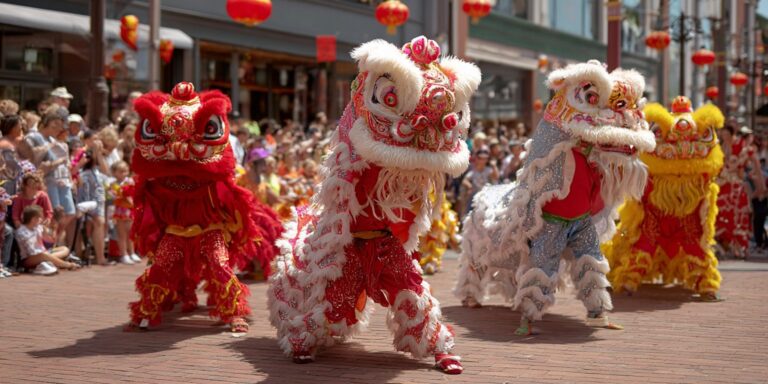
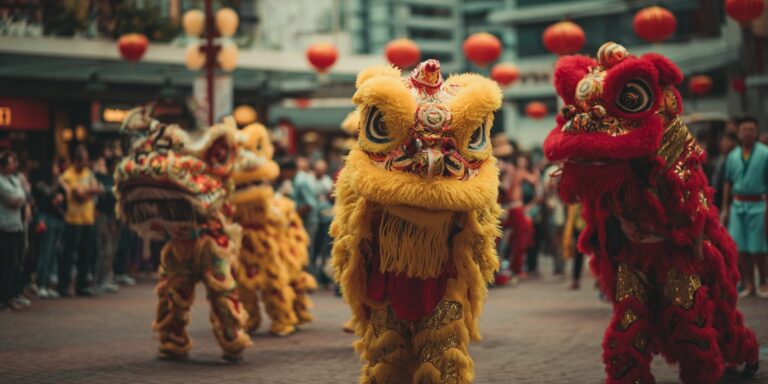
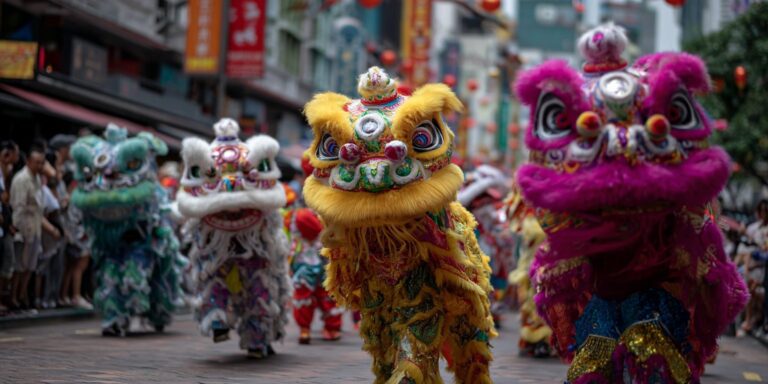
The UNESCO Intangible Heritage Lion Dance Application – What It Means for Singapore’s Cultural Scene has come into sharp focus following the joint submission by China and Malaysia to recognize lion dance as a shared cultural heritage in March 2025. This nomination holds significant implications for Singapore, where lion dance is deeply embedded in community celebrations, business openings, and national festivals.
As Southeast Asian countries collaborate to secure UNESCO status, Singapore’s vibrant troupes and practitioners stand to benefit from increased visibility, funding opportunities, and global recognition.
Beyond preservation, the UNESCO nomination is expected to drive innovation and economic growth within Singapore’s lion dance community. Modern adaptations—such as LED-lit costumes and digital archiving—reflect how local troupes are merging tradition with contemporary appeal. Experts highlight that UNESCO recognition could boost youth participation, create jobs, and ensure the transmission of skills to new generations.
With major international festivals already showcasing Singaporean talent, the application underscores the city-state’s evolving role in sustaining and modernizing this iconic art form.
UNESCO Intangible Heritage Lion Dance Application – Latest Developments
The joint UNESCO nomination by China and Malaysia for lion dance as an intangible cultural heritage marks a pivotal moment in the art form’s modern history. Submitted in March 2025, this collaboration is more than a diplomatic gesture—it signals a unified regional effort to protect, elevate, and innovate lion dance traditions across borders.
The process has inspired wider regional interest, with practitioners in Singapore and Southeast Asia closely monitoring developments and exploring how their local contributions can be highlighted on the world stage. Lion dance is experiencing a renaissance driven by both cultural pride and creative adaptation. Recent years have seen the emergence of LED-lit ‘Glow-in-the-Dark Lion’ costumes and international collaborations that reimagine performances for contemporary audiences.
Major events like the 9th International Festival of Intangible Cultural Heritage in Chengdu showcased troupes from around the globe, underlining the art’s broad appeal. In Singapore, this momentum fuels new job opportunities and attracts fresh talent, especially among youth eager to blend tradition with innovation. Recognition from UNESCO could further transform local communities, boosting economic prospects for performers while strengthening educational outreach.
As the nomination progresses, Singapore’s vibrant lion dance scene stands ready to benefit from increased visibility and renewed focus on cultural preservation. Event organisers are already integrating modern lion dance performances—including Bian Lian (mask changing) and God of Fortune Mascots—into business openings and festive occasions. Wolf Events actively supports this evolution by providing cutting-edge acts tailored for both heritage celebrations and corporate clients.
For those keen to experience or book Singapore’s finest lion dance talents, reach out to Wolf Events via WhatsApp or use our Contact Form for tailored appointments.
Overview of the Joint China-Malaysia Nomination
In March 2025, China and Malaysia presented a joint application to UNESCO to inscribe lion dance on the Representative List of the Intangible Cultural Heritage of Humanity. This initiative represents years of dialogue between cultural authorities, practitioners, and community leaders from both countries who share a passion for safeguarding this living tradition.
The nomination highlights not only lion dance’s deep historical roots but also its dynamic role in fostering cross-border understanding throughout Southeast Asia. The joint submission underlines regional unity while acknowledging the unique local flavours present in different countries’ lion dance styles. Singapore’s scene is particularly influential—blending elements from Chinese southern traditions with local multicultural nuances—and has earned recognition as one of Asia’s most innovative hubs for performance art.
This collaborative approach is expected to inspire other nations with vibrant lion dance cultures to join future heritage applications.
| Country | Role in Nomination | Unique Contributions |
|---|---|---|
| China | Lead applicant | Historical origins; global troupes |
| Malaysia | Co-applicant | Cultural adaptation; youth programs |
| Singapore | Regional supporter | Modern innovation; event integration |
Key Milestones and Timeline
The UNESCO application journey involves several critical milestones designed to ensure authenticity, inclusivity, and broad stakeholder engagement. Following the joint submission in March 2025, review panels will assess documentation provided by both governments as well as independent experts from associated regions such as Singapore. The process includes site visits, interviews with performers, and evaluation of educational initiatives that promote transmission among youth.
Major events like May’s International Festival of Intangible Cultural Heritage have amplified awareness while providing platforms for troupes to demonstrate their artistry on a global scale. As stakeholders await UNESCO’s decision—expected by mid-2026—lion dance communities are intensifying training programs and expanding digital archiving efforts to document evolving practices. Wolf Events remains at the forefront of these developments in Singapore, helping clients access top-tier performances that reflect both tradition and innovation.
| Milestone | Date/Period | Significance |
|---|---|---|
| Joint Application Submission | March 2025 | Official start of UNESCO process |
| International Festival Participation | May 2025 | Global exposure; community engagement |
| UNESCO Review Panel Assessments | Late 2025 – Early 2026 | Evaluation & site visits |
| Expected UNESCO Decision | Mid-2026 | Potential inscription; increased support |
Wolf Events Fact Machine
Did you know? The earliest recorded lion dance performance in Singapore dates back to 1905 during the opening of a clan association—highlighting over a century of local tradition even before the current UNESCO nomination.
Lion Dance as a Shared Cultural Heritage
Lion dance stands at the crossroads of history and modernity, celebrated across Asia for centuries. In 2025, this vibrant art form reached a pivotal moment as China and Malaysia jointly submitted an application to UNESCO, seeking recognition as a shared intangible cultural heritage. The move is more than symbolic—it is a concerted effort to protect lion dance traditions, foster cross-border collaboration, and inspire future generations.
The nomination highlights how lion dance transcends national borders, uniting communities throughout Southeast Asia. Its impact extends beyond performances; it shapes cultural identities, drives youth engagement, and supports local economies. Innovations like LED-lit costumes and digital archiving are ensuring that the tradition stays relevant for new audiences. As major festivals continue to feature international troupes, the global profile of lion dance only grows stronger.
With Singapore playing a crucial role in both preservation and innovation, the city-state exemplifies how tradition can thrive alongside progress. Lion dance here is not just a performance—it’s woven into community events, business openings, and educational initiatives. The anticipated UNESCO recognition is set to elevate its status even further, creating opportunities for performers and deepening appreciation for this dynamic heritage.
Cross-Border Collaboration and Regional Significance
The UNESCO application for lion dance is a testament to regional cooperation rarely seen in traditional arts. China and Malaysia have worked closely on the nomination process, signaling a shared commitment to preserving their intertwined cultural legacies. This collaborative spirit extends across Southeast Asia—countries like Singapore contribute actively by hosting international troupes and encouraging exchanges that enrich the art form.
Major festivals in 2025 have spotlighted this collective effort. At events such as the International Festival of Intangible Cultural Heritage in Chengdu, troupes from multiple nations performed side by side. These gatherings not only showcase artistic excellence but also foster mutual respect among practitioners. As lion dance continues to capture imaginations worldwide, its cross-border journey strengthens bonds throughout the region.
Singapore’s Role in Lion Dance Preservation
Singapore’s lion dance community stands out for both its vibrancy and adaptability. Local troupes have embraced modernization—LED-lit lions dazzle at night performances while digital platforms help archive rare techniques and stories from veteran performers. These innovations attract younger participants who see lion dance not just as heritage but as an evolving art with career potential.
Education remains at the heart of Singapore’s preservation efforts. Schools partner with experienced troupes to offer workshops and performances, ensuring that skills are passed on systematically. Business events rely on lion dance for prosperity blessings—a tradition that endures even as event demands change. With UNESCO recognition on the horizon, Singaporean practitioners are poised to benefit from greater visibility and new opportunities.
Lion dance has always been a vibrant tradition, but recent years have seen bold steps to keep it relevant for modern audiences. As Singapore’s lion dance troupes respond to changing event demands, they embrace technology, new performance styles, and creative collaborations. These innovations help the art form thrive not only during festive periods but also in business openings and international festivals.
Modernization and Innovation in Lion Dance
The joint UNESCO intangible heritage nomination by China and Malaysia in March 2025 has energized the scene further. Singapore, with its rich multicultural heritage and dynamic lion dance community, plays a key role in bridging tradition with fresh ideas. This cross-border collaboration strengthens Southeast Asia’s cultural bonds while elevating lion dance as a shared regional treasure.
LED-lit lion costumes have quickly become a crowd favourite at night events and shopping mall performances. These glowing lions blend tradition with spectacle, capturing younger audiences who are drawn to visually striking displays. Singapore troupes are early adopters of this technology, customizing LED patterns that sync with music or highlight acrobatic stunts.
LED Costumes and Digital Archiving
Digital archiving is another forward-thinking move. More troupes are now recording performances, digitizing old footage, and sharing their heritage online. This not only preserves rare routines but also makes lion dance accessible to schools and families who want to learn more about the craft. Wolf Events actively supports these innovations by offering modernized performances while maintaining deep respect for traditional techniques.
The future of lion dance depends on passionate young performers. In Singapore, schools, community groups, and cultural associations work closely to bring youth into the fold through workshops and mentorship programs. The UNESCO nomination has sparked excitement—many see it as a chance for new career opportunities in cultural arts. Community involvement goes beyond performance.
Youth Engagement and Community Involvement
Young volunteers help organize events, digitize archives, and even design costumes or social media campaigns. This hands-on approach ensures that each generation leaves its mark while respecting the roots of lion dance tradition.
UNESCO’s recognition of lion dance as intangible cultural heritage, jointly submitted by China and Malaysia in March 2025, signals a turning point for the tradition across Asia, including Singapore. This milestone strengthens the cross-border ties that have long defined lion dance’s evolution, allowing practitioners from Singapore to collaborate on a global stage.
Impact of UNESCO Recognition on Lion Dance
The process itself has already brought together diverse communities, encouraging dialogue and innovation while preserving unique local identities. The UNESCO nomination has amplified efforts to modernise lion dance. In Singapore, troupes are embracing innovations like LED-lit ‘Glow-in-the-Dark Lion’ costumes and digital platforms for archiving performances. These advancements not only appeal to younger audiences but also ensure the art form remains vibrant amid changing cultural landscapes.
As international festivals showcase Singapore’s lion dance talent alongside regional peers, the city-state’s reputation as a creative hub for traditional arts continues to grow. For Singaporean practitioners, this recognition means increased visibility and new opportunities to perform at high-profile events—from business openings to international heritage festivals. With more attention comes greater responsibility to safeguard the art’s authenticity while adapting it for contemporary audiences.
Wolf Events remains dedicated to leading this charge, combining tradition with innovation and encouraging everyone to experience the excitement of lion dance first-hand.
UNESCO recognition is expected to open doors for economic growth within Singapore’s lion dance community. Increased demand for performances at festivals, corporate events, and educational workshops will drive job creation for dancers, musicians, costume makers, choreographers, and event organisers. This surge supports both established troupes and emerging talents. The spotlight on lion dance also inspires youth participation—vital for sustaining the tradition.
Economic Opportunities and Job Creation
Young people now see lion dance as a viable career path or side profession thanks to greater exposure and evolving performance styles. Innovations like LED costumes offer new specialisations in costume design and technology integration. Wolf Events actively nurtures local talent by providing training programmes and mentorship opportunities. As interest grows due to UNESCO’s influence, we expect even more Singaporeans to join the industry—strengthening both cultural preservation and economic resilience.
The global recognition brought by UNESCO puts lion dance firmly in the spotlight—not just during Chinese New Year but throughout the year at various cultural events in Singapore. Schools are incorporating lion dance education into their arts curriculum, giving students hands-on exposure while fostering pride in their heritage.
Raising Cultural Awareness and Participation
Community centres and grassroots organisations are partnering with troupes like Wolf Events to host interactive sessions where families can learn about different styles of lion dance or try their hand at playing traditional drums. These efforts demystify the art form and encourage broader participation across all age groups.
With a fresh wave of attention from media coverage and international festivals such as Chengdu’s 9th International Festival of Intangible Cultural Heritage in May 2025, more Singaporeans are becoming aware of how important it is to keep these traditions alive.
The lion dance in Singapore stands at a dynamic crossroads, where deep-rooted tradition meets the pulse of modern innovation. As China and Malaysia lead a joint UNESCO intangible heritage nomination for lion dance this year, Singapore’s own vibrant scene is increasingly recognized for its cultural richness and adaptability.
Lion Dance in Singapore – Tradition Meets Modern Events
Local troupes are not only stewards of heritage but also pioneers, adopting new technologies like LED-lit costumes and digital archiving to keep performances fresh and relevant for contemporary audiences. This cross-border collaboration has elevated the lion dance beyond its ritual roots, now playing a vital role in business launches, festivals, and special events across Southeast Asia.
The global profile of the art form continues to grow, especially after recent international festivals featured Singaporean teams alongside their counterparts from China, Malaysia, and beyond. These exchanges foster mutual respect and fuel innovation while ensuring that the spirit of lion dance remains alive for future generations. UNESCO recognition is set to further energize youth engagement and job creation within Singapore’s cultural sector.
Leading practitioners believe this momentum will encourage more young people to participate, ensuring the transmission of skills and stories that make lion dance both an art and a living tradition. Wolf Events remains at the forefront of this movement—championing both preservation and progress—while offering unforgettable performances for any occasion.
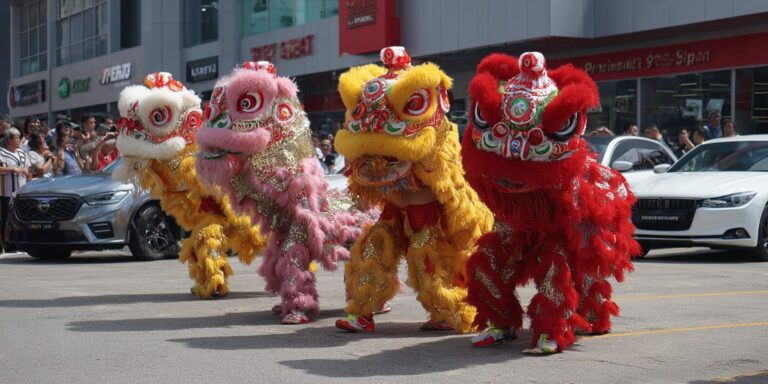
In Singapore’s competitive business landscape, lion dance has become an essential element for grand openings and corporate events. It symbolizes luck, prosperity, and positive energy—values that resonate strongly with local businesses looking to make an auspicious start or celebrate key milestones. With UNESCO nomination news spreading across Southeast Asia in 2025, more companies are turning to professional troupes like Wolf Events for these culturally significant performances.
Lion Dance for Business, Festivals, and Special Occasions
Beyond commerce, lion dance is central to community festivals and private celebrations throughout the year. Whether it’s Mid-Autumn gatherings or large-scale cultural parades, these vibrant displays foster unity while showcasing Singapore’s commitment to preserving its multicultural heritage. Innovative touches such as LED-lit lions have captured the imagination of younger audiences without diluting traditional artistry.
Modern events in Singapore increasingly demand variety without losing cultural depth. Integrating Bian Lian (face-changing) performances with lion dance brings visual excitement and theatrical flair—delighting both seasoned fans and first-time viewers. The God of Fortune mascot remains a perennial favorite at festive events, distributing sweets or gold coins while interacting warmly with guests.
Wolf Events seamlessly combines these services for clients who want an all-in-one package that honors tradition while elevating entertainment value. This approach not only enhances audience engagement but also reinforces core values like luck and happiness that are integral to Chinese festivities.
Integrating Bian Lian and God of Fortune Mascot Services
Modern events in Singapore increasingly demand variety without losing cultural depth. Integrating Bian Lian (face-changing) performances with lion dance brings visual excitement and theatrical flair—delighting both seasoned fans and first-time viewers. The God of Fortune mascot remains a perennial favorite at festive events, distributing sweets or gold coins while interacting warmly with guests.
Wolf Events seamlessly combines these services for clients who want an all-in-one package that honors tradition while elevating entertainment value. This approach not only enhances audience engagement but also reinforces core values like luck and happiness that are integral to Chinese festivities. For a truly immersive event experience reflecting both past and present, connect with Wolf Events on Whatsapp or through our Contact Form today.
Common Questions
What is the current status of the UNESCO intangible heritage lion dance application?
As of April 2025, China and Malaysia have jointly submitted the lion dance for UNESCO’s Representative List of the Intangible Cultural Heritage of Humanity, with the application process ongoing and awaiting review.
Why is UNESCO recognition important for lion dance?
UNESCO recognition helps protect and promote lion dance, increases job opportunities, encourages youth participation, and raises awareness of its cultural significance.
How does lion dance contribute to Singapore’s cultural scene?
Lion dance is a key feature of Singaporean celebrations, business openings, and festivals, symbolizing good luck and connecting communities through shared heritage.
What innovations are happening in the lion dance community?
Innovations include modern costume designs like LED-lit lions, digital archiving, and international collaborations to keep the tradition vibrant and relevant.
Who can participate in lion dance performances?
Lion dance is open to all ages, with increasing efforts to involve youth and provide training through schools, community groups, and professional troupes.
As Singapore stands at the crossroads of tradition and innovation, the UNESCO intangible heritage lion dance application is more than just a nod to our vibrant cultural past—it’s a statement about our future. With China and Malaysia leading the charge and Singapore’s practitioners pushing creative boundaries, this joint nomination signals new opportunities for our local community, from economic growth to deeper youth engagement.
Curious about how Singapore’s lion dance scene is evolving or how these global developments could impact your next event? Feel free to browse around our website for detailed insights, expert commentary, and practical ideas. If you’re inspired to bring the energy of lion dance to your own occasion, reach out via Whatsapp Us or Contact Form—we’re ready to help you make history.