Kung Fu Skills in Lion Dance Training – The Martial Arts Foundation Behind Singapore’s Lion Dance Performances
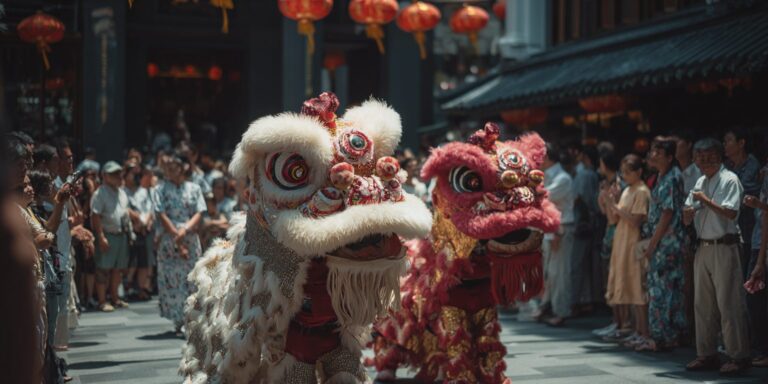
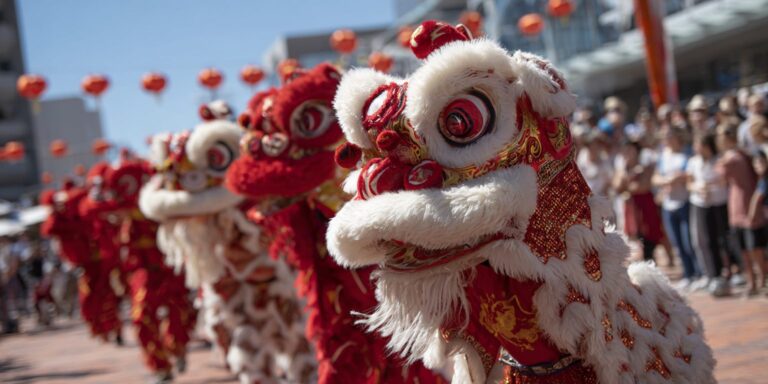
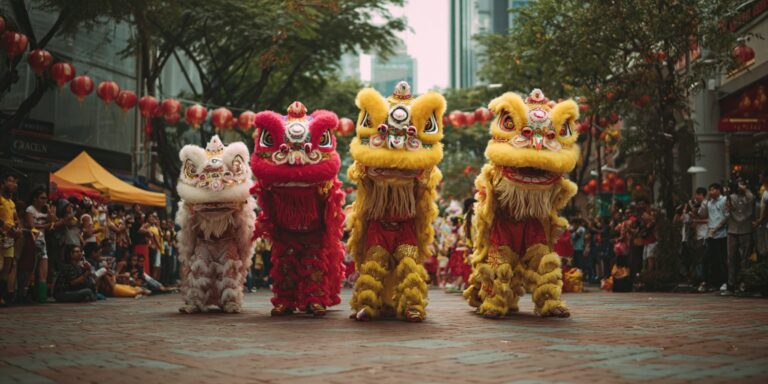
Kung Fu skills in lion dance training – the martial arts foundation behind Singapore’s lion dance performances, form the backbone of every acrobatic leap, synchronized movement, and powerful stance on stage. As Singaporean troupes increasingly integrate traditional kung fu stances and conditioning into their routines, lion dance has evolved beyond a cultural spectacle to a demanding physical discipline.
Recent training programs emphasize not only performance artistry but also injury prevention and long-term joint health through kung fu-based exercises.
This trend is supported by collaborations between professional lion dance troupes and martial arts schools, where dancers build strength, flexibility, and coordination under expert guidance. Online workshops and expert commentary now highlight the full-body fitness benefits of lion dance training and its roots in martial arts techniques. The emphasis on teamwork, precise stances, and systematic warm-ups distinguishes Singapore’s approach, blending local culture with the discipline of kung fu for both beginners and seasoned performers.
Kung Fu Skills in Lion Dance Training – The Martial Arts Connection
Lion dance in Singapore has become a dynamic blend of traditional art and athletic discipline, thanks to its deep-rooted connection with kung fu. Today’s lion dance troupes don’t just focus on the aesthetics—they train rigorously in martial arts stances, developing strength, agility, and balance. This approach builds the foundation for dramatic leaps, sharp footwork, and seamless teamwork seen in professional performances.
Modern training methods highlight the importance of physical conditioning and injury prevention. Collaboration between lion dance troupes and established martial arts schools is now common. Dancers benefit from kung fu-based exercises that enhance flexibility and joint health while reducing the risk of injuries. These shared practices ensure that dancers can handle demanding routines with endurance and grace.
Singapore’s lion dance scene also recognizes the broader benefits of kung fu integration. Beyond cultural preservation, lion dance training now serves as a holistic fitness regimen—promoting cardiovascular health, core strength, and mental discipline. This evolution attracts new generations to lion dance, positioning it as both an art form and a pathway to full-body wellness.
For those seeking professional guidance or unique training experiences, Wolf Events connects you directly with expert instructors—just message us on Whatsapp or use our contact form for bookings.
| Key Aspect | Kung Fu Training | Lion Dance Application |
|---|---|---|
| Stance Training | Horse stance, Bow stance | Balance & power for lifting the lion head |
| Physical Conditioning | Strength, endurance drills | Sustaining long performances |
| Flexibility | Stretching routines | High jumps & acrobatic moves |
| Injury Prevention | Joint & core strengthening | Safe landings & stable footing |
Origins of Lion Dance and Martial Arts
The roots of lion dance are inseparable from Chinese martial arts. Historically, kung fu schools developed lion dance as a way to showcase their students’ skills during festive occasions. Movements like powerful kicks or agile footwork have always mirrored classic martial arts forms. Today’s Singaporean troupes honour this tradition by working closely with kung fu associations such as Chung Wah Kung Fu Association.
They emphasize systematic warm-ups, conditioning drills, and disciplined practice—all hallmarks of martial arts training.
Essential Kung Fu Stances Used in Lion Dance
Mastery of stances is central to both martial arts and lion dance performance. Horse stance (ma bu) builds leg strength and stability, allowing dancers to support the heavy lion head or tail for extended periods. Bow stance (gong bu) aids in forward motion and dramatic lunges. Training sessions often include repetitive stance drills to develop muscle memory and endurance.
These stances not only create stunning stage visuals but also keep performers safe during challenging lifts or acrobatic sequences.
Physical Conditioning and Endurance for Lion Dancers
Lion dancing demands more than just technique—it requires full-body conditioning. Training routines incorporate squats, plyometrics, joint mobility exercises, and core workouts derived from martial arts programs. This comprehensive approach ensures dancers are ready for long performances without fatigue or strain. Professional coaches stress injury prevention through careful warm-up routines and targeted strengthening exercises for knees, hips, and shoulders.
As a result, modern troupes enjoy longer careers with fewer injuries—a testament to their commitment to both tradition and innovation.
Wolf Events Fact Machine
Many foundational lion dance stances—such as Ma Bu (horse stance) and Gong Bu (bow stance)—are directly borrowed from traditional kung fu, providing stability and explosive power essential for lifts and acrobatics during performances.
Teamwork and Synchronization in Lion Dance
Lion dance is a true test of group unity, where every move depends on the ability of performers to work as one. In Singapore, lion dance troupes increasingly train with martial arts schools to ensure that each dancer develops not only strength and flexibility, but also an acute sense of timing.
Kung fu stances form the bedrock of this training, anchoring dancers and teaching them how to move in harmony even during complex jumps or acrobatic lifts. Physical conditioning and injury prevention are now at the forefront of modern lion dance programs. Troupes focus on joint health, stamina, and full-body coordination—skills that only become truly effective when practiced together.
The discipline required mirrors that found in martial arts, blending cultural tradition with the fitness needs of today’s performers. Wolf Events works closely with coaches who understand these physical demands and prioritise teamwork in every rehearsal.
Role of Communication and Rhythm
Communication sits at the heart of every great lion dance performance. Dancers use subtle cues—nods, taps, shifts in weight—to stay perfectly synchronized under the heavy lion head and tail. The drumbeat sets the tempo, but real coordination comes from constant non-verbal interaction between team members. Rhythm training is woven into every practice session.
From beginners to seasoned troupes in Singapore, learning to move as one unit requires hours spent feeling out each other’s pace and responding instantly to changes in music or movement. This heightened awareness builds trust within the troupe and ensures each performance feels seamless.
Differences Between Lion Dance and Dragon Dance Training
While both lion dance and dragon dance share martial arts roots, their training methods diverge in key ways. Lion dance focuses heavily on paired teamwork—one person controls the head, another the tail—and requires deep understanding of kung fu stances for balance and powerful movements. Injury prevention exercises target knees, ankles, and lower back due to repeated squats and jumps.
Dragon dance training involves much larger teams working with a long flexible dragon structure supported by poles. Coordination here relies on group rhythm rather than intimate two-person communication. Physical conditioning still matters, but endurance takes precedence over explosive power. Singaporean troupes often blend traditional techniques with creative choreography unique to local culture.
Lion dance training in Singapore has evolved to blend centuries-old kung fu skills with modern approaches to injury prevention and physical fitness. Professional troupes now work closely with martial arts schools, ensuring that every dancer masters fundamental kung fu stances and movements before advancing to complex routines. These foundational exercises are not just for show—they build core strength, joint stability, and balance, all of which are critical for preventing injuries during high-impact performances.
Health Benefits and Injury Prevention
Singaporean lion dance troupes stand out by focusing on long-term fitness and overall well-being. Systematic warm-ups, dynamic stretching, and targeted conditioning routines have become standard practice. This attention to health extends beyond rehearsals, as dancers are encouraged to adopt ongoing strength and flexibility programs tailored to the unique demands of lion dance.
As a result, performers enjoy greater endurance, reduced risk of strains or sprains, and improved joint health even years into their careers. The collaborative nature of lion dance—requiring precise teamwork and synchronization—also cultivates mental discipline and coordination. Unlike dragon dance training, which emphasizes large group choreography and flowing patterns, lion dance places higher demands on individual athleticism, explosive power, and partner communication.
These differences highlight the need for specialized injury prevention strategies that address both the physical intensity and cultural artistry unique to lion dance in Singapore.
Proper joint protection is central to sustainable lion dance performance. Dancers repeatedly leap, squat, twist, and carry significant weight—sometimes while perched atop their partner’s shoulders. Recent workshops now teach injury prevention exercises rooted in kung fu conditioning – deep stances strengthen knee ligaments; controlled kicks enhance hip mobility; dynamic drills stabilize ankles.
| Aspect | Lion Dance Training | Dragon Dance Training |
|---|---|---|
| Core Focus | Kung fu stances & joint protection | Large group coordination |
| Injury Prevention | Systematic warm-ups & conditioning | General stretching routines |
| Physical Demands | Explosive strength & balance | Endurance & fluid movements |
Joint Protection and Long-Term Fitness
Singapore’s top lion dance coaches emphasize gradual skill progression for beginners. Novices start with basic stances and light routines before attempting acrobatic moves or heavy headpieces. This staged approach helps protect developing joints from overuse injuries. Long-term fitness is fostered through cross-training in martial arts techniques that complement lion dance movements.
Dancers regularly practice agility ladders, resistance band drills, and low-impact cardio to maintain functional strength without overstressing their joints. Many troupes also collaborate with physiotherapists to design custom recovery protocols—ensuring dancers stay healthy from one festive season to the next.
Lion dance in Singapore has evolved into a dynamic blend of tradition and athleticism. At Wolf Events, our training approach is deeply rooted in the martial arts origins of lion dance, incorporating proven kung fu stances and conditioning exercises that are tailored for both performance excellence and injury prevention.
We work closely with experienced martial arts instructors to ensure every dancer builds the essential strength, flexibility, and coordination needed to master complex movements while protecting their long-term joint health. Unlike standard dance routines, lion dance demands full-body fitness and acute awareness of teamwork. Our sessions emphasize systematic warm-ups, kung fu-based drills, and endurance exercises that mimic the physical intensity of live performances.
The Singapore Perspective – Lion Dance Training with Wolf Events
This method not only enhances physical conditioning but also cultivates synchronization among troupe members—a hallmark of world-class lion dance. In recent years, online workshops and local initiatives have highlighted the health benefits of lion dance training, positioning it as more than just a cultural showcase. Whether you are a beginner or seasoned performer, joining Wolf Events means gaining access to expert-led programs that prioritize both tradition and modern athletic standards.
We work closely with experienced martial arts instructors to ensure every dancer builds the essential strength, flexibility, and coordination needed to master complex movements while protecting their long-term joint health. Unlike standard dance routines, lion dance demands full-body fitness and acute awareness of teamwork. Our sessions emphasize systematic warm-ups, kung fu-based drills, and endurance exercises that mimic the physical intensity of live performances.
This method not only enhances physical conditioning but also cultivates synchronization among troupe members—a hallmark of world-class lion dance. In recent years, online workshops and local initiatives have highlighted the health benefits of lion dance training, positioning it as more than just a cultural showcase. Whether you are a beginner or seasoned performer, joining Wolf Events means gaining access to expert-led programs that prioritize both tradition and modern athletic standards.
If you’re considering lion dance training in Singapore or looking for a troupe that values your well-being as much as your artistry, message us on WhatsApp or use our Contact Form to arrange a session.
Common Questions
How are kung fu skills used in lion dance training?
Kung fu skills form the foundation of lion dance training by developing strength, balance, and coordination through stances like horse stance and bow stance, which are essential for controlling the lion costume and performing synchronized movements.
What physical benefits does lion dance training provide?
Lion dance training improves full-body strength, endurance, flexibility, and joint health, thanks to its roots in martial arts conditioning and the demanding nature of performances.
Is previous martial arts experience necessary for lion dance?
While not strictly required, previous kung fu or martial arts experience can accelerate learning and improve performance quality, as many techniques and stances are directly borrowed from kung fu.
What are the main stances used in lion dance?
The most common stances include horse stance (mǎ bù), bow stance (gōng bù), and wide squat stances, all of which are foundational in kung fu and critical for supporting the lion’s movements.
How does teamwork factor into lion dance training?
Teamwork is essential, as two performers must synchronize their movements to give the lion a lifelike appearance, requiring communication, rhythm, and mutual understanding, often developed through martial arts drills.
Kung fu isn’t just the secret ingredient behind Singapore’s most electrifying lion dance performances—it’s the backbone that keeps each leap, stance, and flourish precise and powerful. By blending martial arts discipline with vibrant tradition, today’s lion dance troupes are raising the bar for both artistry and athleticism. If you’re intrigued by how kung fu shapes every aspect of lion dance, there’s much more to discover.
Explore our website for deeper dives into training techniques, injury prevention tips, and expert advice on what sets Singapore’s lion dance scene apart. For tailored insights or to see our team in action, don’t hesitate to Whatsapp Us or reach out via our Contact Form—we’re always ready to share our passion for lion dance excellence.