Etiquette for Hosting Lion Dance at Home in Singapore – Customs, Preparation & Community Guidelines
Etiquette for Hosting Lion Dance at Home in Singapore – Customs, Preparation & Community Guidelines is increasingly relevant as more households seek to invite lion dance troupes for house blessings and festive celebrations. With the 2025 update allowing lion dance performances, including the ‘cai qing’ ritual, in HDB estates under clear community guidelines, understanding proper conduct is essential.
Hosts need to be aware of noise regulations, safety considerations, and the importance of notifying town councils or Residents’ Committees before arranging a performance in shared residential spaces.
Hosting a lion dance at home involves more than just scheduling a performance—it requires thoughtful preparation, respect for cultural traditions, and adherence to local guidelines. From knowing how to prepare your space and offerings, to engaging respectfully with professional troupes and observing do’s and don’ts like not touching the lion’s head or tail, mastering these details ensures harmony with neighbors and honors the deep cultural significance of the ritual.
This guide addresses both tradition and modern community expectations for a meaningful and respectful lion dance experience at home.
Etiquette for Hosting Lion Dance at Home in Singapore
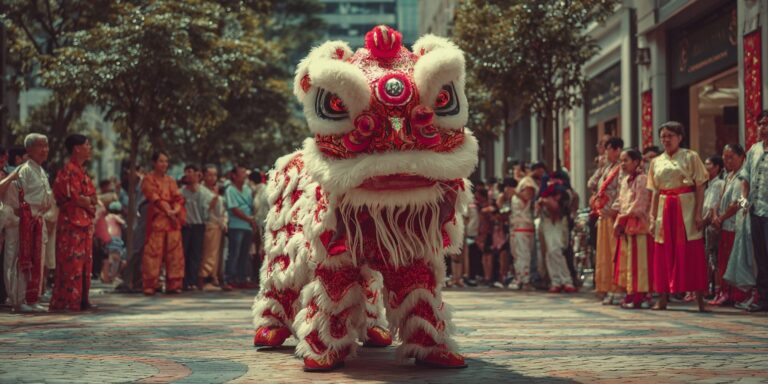
Hosting a lion dance at home in Singapore is a cherished tradition that brings together family, friends, and neighbours in celebration. The lion dance is more than just vibrant music and acrobatic performance—it is a time-honoured ritual believed to invite prosperity, happiness, and protection to the household. In recent years, especially as of 2025, there has been renewed clarity around guidelines for holding lion dance performances in residential settings, including HDB flats.
Residents are encouraged to observe community rules relating to noise levels and safety, ensuring every celebration remains harmonious and respectful within shared spaces. With the cai qing ritual now officially permitted in HDB estates when proper etiquette is observed, hosts must balance tradition with modern living standards. Notifying your town council or Residents’ Committee before scheduling a home performance is considered best practice and demonstrates consideration for neighbours.
Whether you are welcoming the lion for a house blessing or marking an auspicious occasion, understanding the nuances of preparation, engagement with professional troupes, and adherence to local guidelines will ensure your event is both memorable and well-received.
Understanding the Cultural Significance of Lion Dance
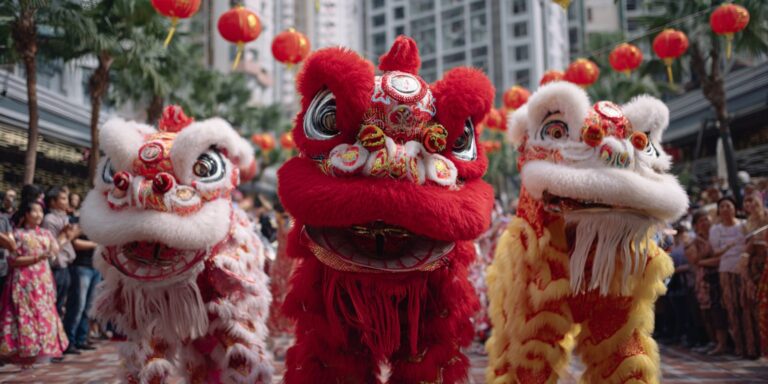
The lion dance embodies centuries of Chinese heritage and symbolism. More than entertainment, it represents a spiritual cleansing—warding off evil spirits while inviting good fortune into the home. Each element has meaning – from the drumbeats mimicking a heartbeat to the energetic leaps symbolising vitality and luck. For many households in Singapore, especially during festive periods or milestone events like housewarmings, hosting a lion dance is an affirmation of cultural roots and communal goodwill.
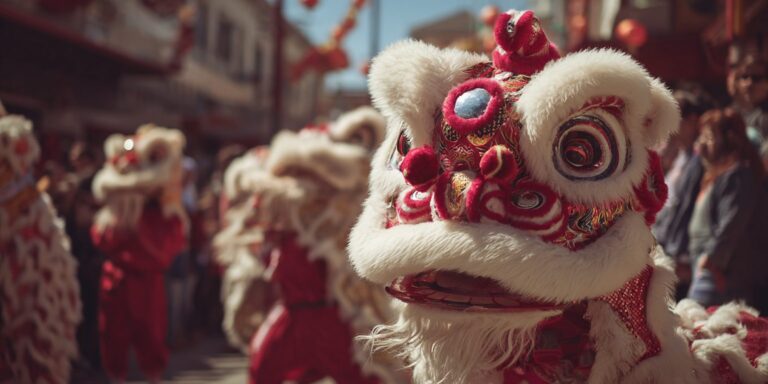
Respecting these traditions means appreciating their deeper significance. Observers are encouraged not to touch the lion’s head or tail—these parts are sacred and represent wisdom and strength. Proper etiquette fosters an atmosphere where both hosts and guests can fully experience the blessings associated with this iconic performance.
Cai Qing Ritual – Meaning and Preparation
The cai qing ritual is one of the most anticipated segments of any lion dance performance at home. ‘Cai qing’ literally translates to ‘plucking the greens,’ where the lion ‘eats’ lettuce (and often mandarin oranges), then spits it out to symbolise spreading wealth and good fortune throughout the house. For hosts preparing for cai qing at home, select fresh lettuce and oranges—some choose to include red packets (ang bao) as part of the offering.
Arrange these items in a prominent spot near your entrance or altar. It’s important to allow space for performers to execute their routine safely while ensuring all symbolic items are easily accessible for the ritual.
Essential Etiquette for Home Performances
Welcoming a lion dance troupe into your home requires thoughtful etiquette. Begin by greeting performers warmly upon arrival; offer them water if needed, as shows can be physically demanding in Singapore’s climate. Prepare your offerings ahead of time so there’s no delay during the performance. During the routine, refrain from interrupting or touching performers in costume—this maintains respect for both tradition and troupe professionalism.
If taking photos or videos, do so discreetly without obstructing their movements. Once finished, thank all troupe members personally—a gesture always appreciated by professionals.
Community Guidelines and Notification Procedures
In 2025, regulations allow lion dance performances in HDB estates provided community guidelines are strictly followed. Before hosting at home, notify your Residents’ Committee or town council about your planned event. This courtesy minimises noise complaints and ensures everyone is aware of potential disruptions. Follow specified noise curfews (often no loud performances after 10pm) and avoid blocking common walkways with props or guests.
By keeping communication open with neighbours—especially those unfamiliar with the tradition—you foster understanding while upholding Singapore’s reputation for harmonious multi-ethnic living.
Safety and Space Considerations
Safety should be paramount when inviting a lion dance troupe into residential spaces like HDB units or landed properties. Clear enough space indoors or on ground floors so performers can move freely without risking injury or property damage. Remove fragile items from pathways and keep young children supervised during performances—the drums can be loud! Confirm with your chosen troupe that they’re experienced working within smaller or unconventional venues common in Singapore homes.
Engaging with Professional Lion Dance Troupes
Choose an established professional troupe such as Wolf Events for your home celebration; experienced teams understand both tradition and modern etiquette required by today’s diverse households. Discuss your event details upfront—timings, rituals desired (like cai qing), space constraints—so they can tailor their approach accordingly. A quality troupe will guide you on how best to prepare offerings and manage guest expectations during performances.
Don’t hesitate to ask questions about cultural protocols—they’re happy to share their expertise! To secure your preferred date or get personalised advice on hosting a respectful lion dance at home, message Wolf Events via WhatsApp or use their Contact Form today.
Wolf Events Fact Machine
Did you know? In Singapore, HDB residents hosting a lion dance must inform their town council or Residents’ Committee in advance—a practice reinforced by updated guidelines as of 2025 to ensure community harmony and avoid unexpected disruptions.
Lion Dance in Singaporean Celebrations
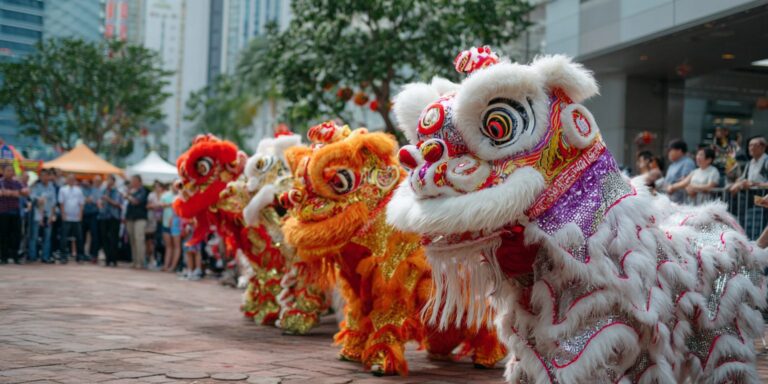
Lion dance continues to shine as a vibrant symbol of prosperity and cultural pride in Singapore, finding its way into business openings, festivals, and even home celebrations. In 2025, the tradition stands stronger than ever, with new guidelines ensuring performances can be enjoyed safely and harmoniously within HDB estates and residential spaces.
This blend of tradition with contemporary living allows more families and businesses to invite good fortune through captivating performances. For those planning to host a lion dance at home or in shared residential areas, it is important to follow the latest regulations. Residents must notify their town councils or Residents’ Committees in advance, respect noise levels, and prioritize safety for both performers and guests.
Engaging a professional troupe like Wolf Events ensures not only a spectacular show but also peace of mind that all etiquette and community guidelines are strictly observed.
Lion Dance for Business Openings and Special Occasions
Lion dance remains a top choice for marking new beginnings in Singapore’s bustling business scene. The energetic drumming, acrobatic movements, and symbolic ‘cai qing’—where the lion plucks auspicious greens—are believed to sweep away bad luck while inviting prosperity. Many business owners see this ritual as essential for attracting positive energy to their premises.
Special occasions such as housewarmings or milestone celebrations are also infused with meaning when accompanied by a lion dance. Hosts should prepare offerings such as oranges or lettuce, ensure enough space for the performance, and brief guests on basic etiquette—like refraining from touching the lion’s head or tail. By following these customs and working with experienced troupes like Wolf Events, you guarantee both an unforgettable experience and deep respect for this time-honoured art.
Modern Practices and Community Harmony
Modern lion dance practices have evolved to fit seamlessly into Singapore’s diverse residential landscape. Performances in HDB estates now come with clear guidelines on noise control, safety measures, and scheduling—ensuring celebrations do not disrupt community harmony. Notifying your Residents’ Committee ahead of time is now standard practice to prevent misunderstandings.
Inclusivity is also key; non-Chinese residents are encouraged to participate respectfully by learning about the ritual’s significance and proper etiquette. Today’s troupes adapt their shows with sensitivity to multicultural audiences while still delivering thrilling displays of skill. Choosing an established provider like Wolf Events means you benefit from professional advice on preparation, compliance with local rules, and a memorable performance that brings neighbours together in celebration.
Common Questions
Is it allowed to host a lion dance at home in Singapore?
Yes, as of 2025, lion dance performances are permitted in HDB estates and private homes, provided community guidelines and courtesy notifications are observed.
What should I prepare for a lion dance at home?
Prepare a safe, open space free of obstacles, symbolic offerings for the cai qing ritual (lettuce, mandarin oranges, red packet), and inform your neighbours or Residents’ Committee in advance.
What are the etiquette rules when hosting a lion dance?
Do not touch the lion’s head or tail, avoid wearing white, stand at a safe distance, and treat the performance with respect as it is a sacred tradition.
Do I need permission to host a lion dance in my HDB flat?
Formal permits are generally not required, but it is courteous and sometimes necessary to notify your town council or Residents’ Committee.
What is the significance of the cai qing ritual?
The cai qing ritual involves the lion ‘plucking the greens’ (lettuce, oranges, red packet) to symbolize bringing wealth, prosperity, and good fortune to the household.
Mastering the etiquette for hosting a lion dance at home in Singapore is about more than just tradition—it’s about creating a harmonious experience for your family, neighbours, and the performing troupe. With careful preparation, clear communication with your Residents’ Committee, and respect for cultural customs, you can ensure that your home celebration is both auspicious and warmly received by your community.
If you’re curious about the finer points of lion dance etiquette or want more tips on making your next celebration unforgettable, take some time to browse around our website. For personalised advice or to book a professional troupe for your event, feel free to Whatsapp Us or reach out via our Contact Form.