Lion Dance Etiquette and Customs – Essential Traditions for Singapore Events
Lion Dance Etiquette and Customs – Essential Traditions for Singapore Events are deeply rooted in centuries-old symbolism, ritual, and cultural meaning. In Singapore, these practices remain vital not only during Chinese New Year but also at business openings and community celebrations. Recent years have seen renewed emphasis on traditional rituals such as the eye-dotting ceremony, while community organizations and cultural centers actively educate both locals and visitors on proper lion dance etiquette.
Understanding the dos and don’ts, from how to prepare for a lion dance performance to appropriate audience behavior, is essential for anyone involved in these vibrant events.
Modern adaptations are shaping how Lion Dance Etiquette and Customs are upheld in Singapore. Younger generations are blending contemporary elements with time-honored practices, ensuring that the significance of costumes, colors, props, and blessing ceremonies is preserved. With a growing focus on respectful participation and awareness of taboos or superstitions, event hosts and spectators alike benefit from clear guidance on how to receive the lion dance properly—whether at home, in business settings, or within multicultural communities.
These evolving customs highlight the enduring importance of lion dance traditions in Singapore’s cultural landscape.
Lion Dance Etiquette and Customs in Singapore
Lion dance etiquette in Singapore goes far beyond mere performance—it’s a deeply-rooted cultural practice that communicates blessings, respect, and unity. Every step, gesture, and ritual element has meaning. Hosts and audiences alike play important roles in maintaining the sanctity of these traditions. While the art form has modernized over time, its core customs remain steadfast, especially during blessing ceremonies for businesses, homes, or festive occasions.
In recent years, community groups have renewed efforts to preserve lion dance etiquette through education and outreach. This ensures both newcomers and younger generations understand not just the spectacle but also the symbolism and expectations behind each action. Multiculturalism in Singapore also means more international audiences are engaging with lion dance, making it crucial to clarify dos and don’ts for everyone involved.
Understanding proper etiquette—from how to welcome a troupe to respecting taboos—helps foster appreciation for this vibrant tradition. Modern adaptations allow lion dance etiquette to evolve without losing its authenticity. Younger practitioners blend new elements into performances while honoring established customs, keeping the spirit alive for future generations. Wolf Events continues to champion authentic lion dance experiences in Singapore.
If you’re planning an event or want guidance on proper etiquette, reach out via Whatsapp or our Contact Form for personalized advice.
The Symbolism Behind Lion Dance Rituals
Every lion dance ritual is steeped in symbolism that reflects hopes for prosperity, protection, and good fortune. The rhythmic movements are designed to ward off evil spirits and attract positive energy, which is why the dance is often performed at openings or celebrations. Rituals like crossing over lettuce or plucking oranges aren’t random—they represent abundance and wealth being bestowed upon the host.
The ceremonial aspects go deeper than performance; they embody a cultural transmission of values like respect for elders, harmony with ancestors, and gratitude toward patrons. In Singapore’s multicultural context, these rituals also bridge communities by sharing blessings across different backgrounds.
Essential Customs Before, During, and After the Performance
Preparation begins well before the drums sound. Hosts should clear a safe space and provide offerings such as oranges or red packets (ang bao) as tokens of gratitude. Troupes often perform a short prayer or incense offering before beginning—their way of showing respect to tradition. During the performance, it’s customary not to interrupt or cross between the lions and their instruments; doing so may break the flow of luck being conferred.
Afterward, hosts express thanks with refreshments or a formal gesture of appreciation to acknowledge the dancers’ effort.
Audience and Host Etiquette – Dos and Don’ts
Respectful behavior from both hosts and audience members is essential during lion dance events in Singapore. Spectators should avoid touching the lions’ heads or tails unless invited—it’s seen as disrespectful otherwise. Flash photography can distract performers; instead, enjoy the moment live. Hosts should greet troupes warmly upon arrival but refrain from instructing dancers mid-performance.
Prepare red packets discreetly before presenting them after the show concludes as a token of thanks.
Blessing Ceremonies and Eye-Dotting Rituals
The blessing ceremony is often highlighted by the eye-dotting ritual—a sacred act where dignitaries or elders paint eyes onto new lion heads to “awaken” them before their first performance. This act symbolizes giving life to the lion spirit and is usually accompanied by prayers for safety and success. Many organizations now emphasize this ritual at major launches or cultural events in Singapore as a mark of authenticity.
It’s a proud moment that ties current generations back to ancestral roots.
Taboos and Superstitions to Observe
There are several taboos associated with lion dance etiquette in Singapore that both hosts and guests should observe. Avoid scheduling performances during mourning periods within your family or business; this is seen as disrespectful. Never step on or over any part of the lion costume—it’s believed to bring bad luck not only to you but also to those around you.
Always treat props such as banners or instruments with care, as mishandling them could offend both performers and spiritual guardians.
Modern Adaptations and Generational Changes
Younger performers are integrating new music styles or creative choreography while still honoring traditional etiquette—like maintaining reverence during blessings or adhering to age-old superstitions about costumes. Community centers actively educate youth about these customs through workshops, ensuring that while performances adapt visually with LED-lit lions or pop music medleys, their core rituals remain untouched.
This balance keeps lion dance relevant yet respectful amid evolving tastes.
Significance of Lion Dance Costumes and Colors
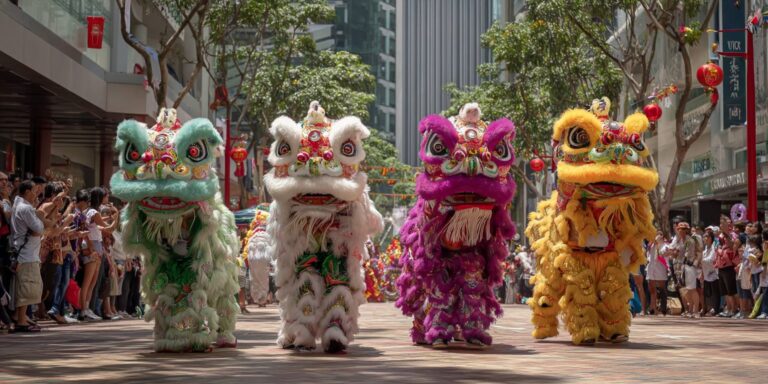
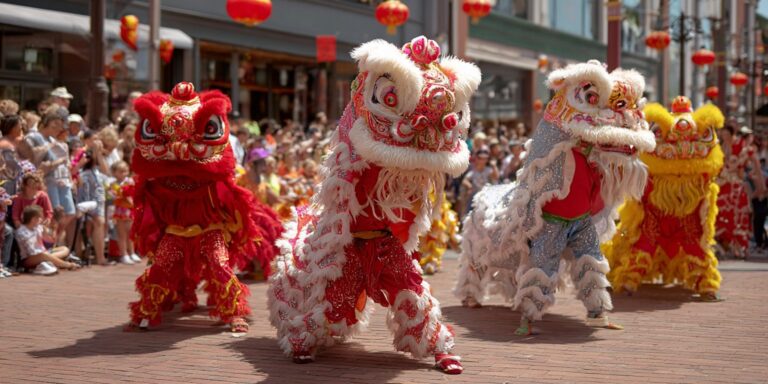
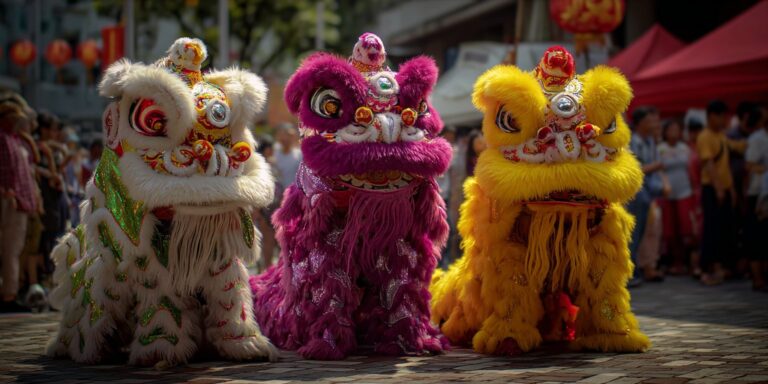
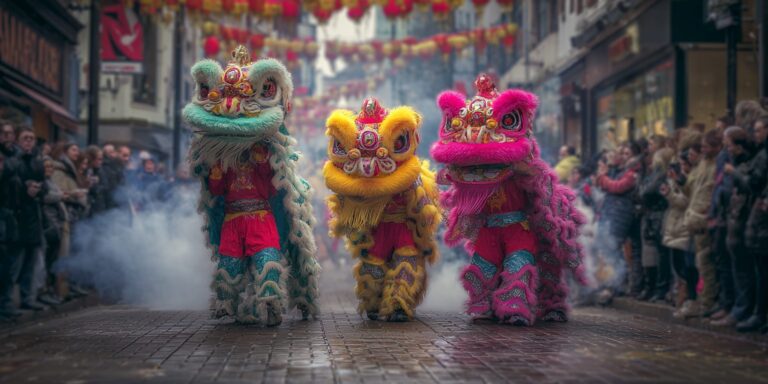
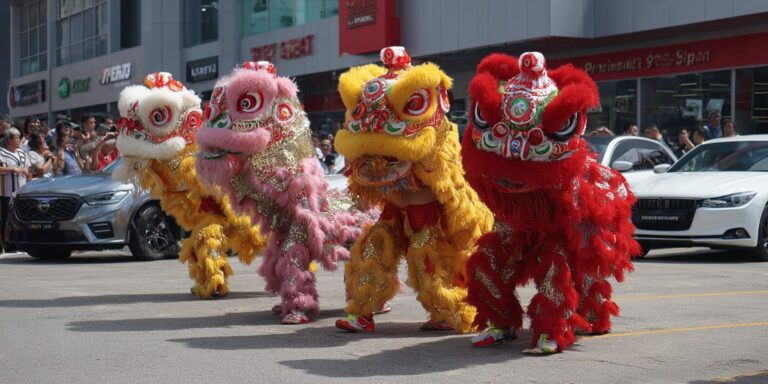
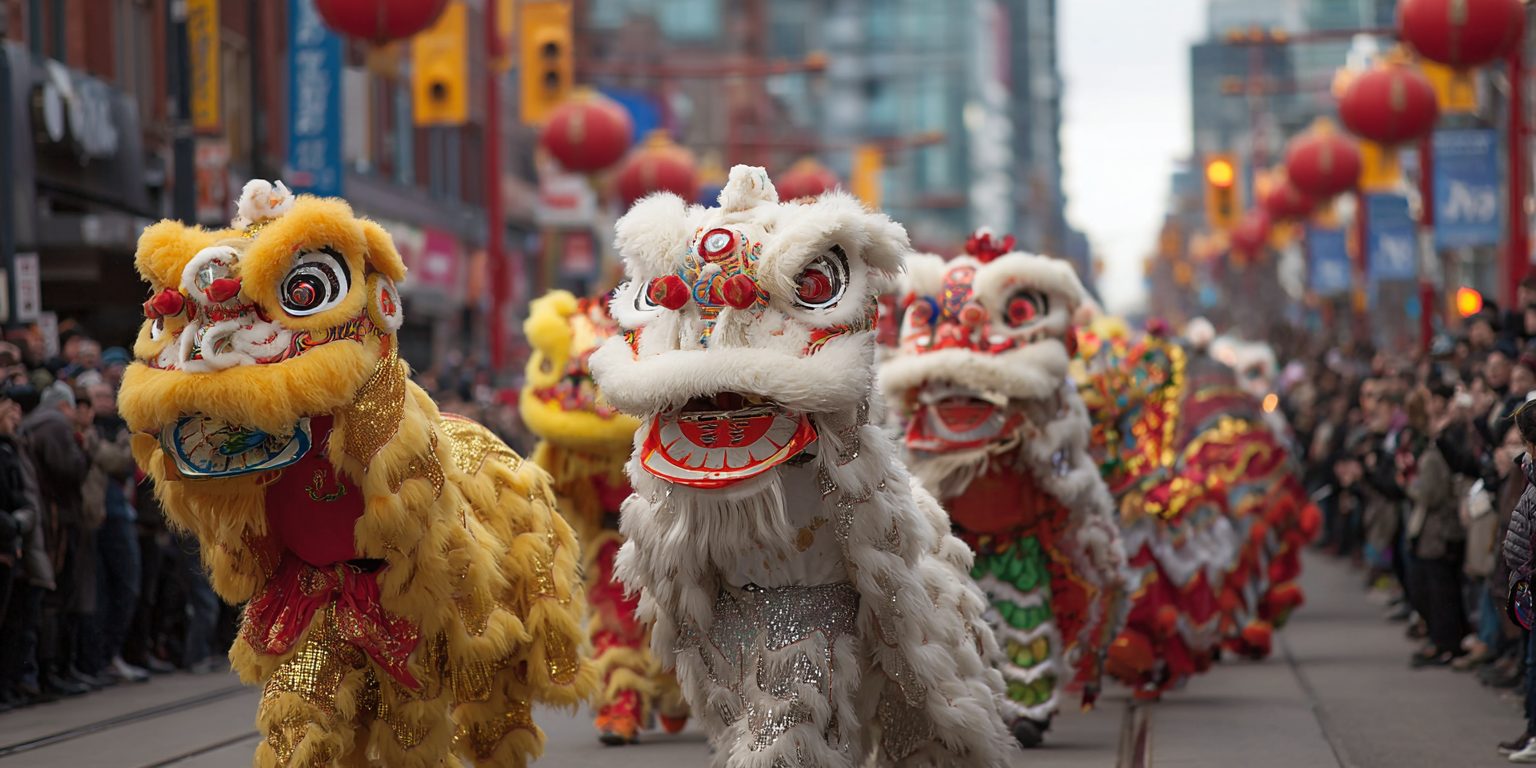
Lion dance costumes aren’t just decorative—they carry deep meaning tied to Chinese folklore and beliefs about luck. Red lions symbolize joy and prosperity; gold represents wealth; green signifies harmony; while white (rarely used) alludes to mourning. The careful selection of colors helps set intentions for each event—red lions are common at weddings or openings while gold might headline corporate launches aiming for financial success.
Wolf Events ensures every costume choice aligns with your event’s goals—contact us if you need guidance on selecting the right combination.
Wolf Events Fact Machine
The ‘eye-dotting’ ceremony, a key ritual before every authentic lion dance performance in Singapore, symbolically ‘awakens’ the lion spirit. This tradition is so vital that some troupes refuse to perform without it, ensuring each show starts with genuine cultural blessing.
Related Traditions – Bian Lian, God of Fortune Mascot, and Drum Performance
Lion dance performances in Singapore have become more vibrant and inclusive by integrating related traditions such as Bian Lian (face changing), God of Fortune mascots, and dynamic drum performances. These elements do more than entertain; they deepen the symbolism and ritual significance of any event. The combined spectacle reinforces messages of prosperity, luck, and cultural continuity, all while catering to audiences from diverse backgrounds.
Modern lion dance troupes skillfully blend these related traditions while upholding strict etiquette and age-old customs. Rituals like the eye-dotting ceremony remain central, grounding every performance in respect for heritage. Hosts are increasingly attentive to preparation—ensuring spaces are ready for blessing ceremonies and following dos and don’ts rooted in both tradition and contemporary practice.
Younger performers bring fresh energy to these events, introducing innovative choreography or music without losing sight of cultural meaning. Costumes, colors, and props are chosen with care to honor taboos and superstitions unique to each tradition. For businesses or families looking to host a truly memorable event, understanding these customs is key.
Wolf Events offers professional guidance on preparing for lion dance performances, ensuring every detail meets both modern expectations and traditional standards.
| Tradition | Symbolism | Key Etiquette |
|---|---|---|
| Bian Lian (Face Changing) | Transformation & Mystery | Do not touch performer; observe quietly |
| God of Fortune Mascot | Blessings & Prosperity | Greet mascot respectfully; allow mascot to lead blessings |
| Drum Performance | Awakening Spirits & Energy | Remain attentive during drumming; avoid interrupting |
Etiquette for Combined Performances
When lion dance is performed alongside Bian Lian or God of Fortune mascots, etiquette becomes even more important. Hosts should prepare a clean space free from obstacles for the performers. Red cloths or auspicious decorations help set a respectful tone. Audiences should avoid touching costumes or props—especially during face-changing acts or when the God of Fortune is distributing tokens.
Photography is welcome but should never disrupt rituals like the eye-dotting ceremony or distract performers mid-act. Always follow the lead of the troupe master or host when participating in blessing rituals. If unsure about specific customs—such as how to receive the God of Fortune at your business—Wolf Events can provide clear instructions tailored to your occasion.
| Do’s | Don’ts |
|---|---|
| Prepare a tidy event area | Block performance pathways |
| Follow host’s cues during rituals | Touch costumes or props uninvited |
| Applaud respectfully after performances | Use flash photography during sensitive moments |
Cultural Respect in Multicultural Events
Singapore’s multicultural environment means lion dance often graces events with diverse guests. Cultural respect starts with communication—event organizers should explain basic etiquette to all attendees before the performance begins. This helps non-Chinese audiences appreciate why certain gestures matter, such as bowing during blessings or refraining from loud conversations during rituals.
Inclusive performances bridge traditions without diluting their meaning. By honoring both Chinese customs and universal principles of respect, hosts create an environment where everyone feels welcome. Wolf Events specializes in guiding multicultural audiences through each step—making sure every guest knows how to engage meaningfully with these treasured traditions.
Common Questions
What are the key customs and etiquette to observe during a lion dance performance?
Key customs include not touching the lion’s head or body without permission, preparing red packets (ang bao) for the performers, and ensuring a respectful and attentive audience. Hosts should clear the performance area and avoid placing obstacles in the lion’s path.
Why is the eye-dotting ceremony important in lion dance?
The eye-dotting ceremony symbolically ‘awakens’ the lion, imbuing it with spirit and energy. This ritual is often performed before a new lion costume is used and is considered essential for good luck and authenticity.
Are there any taboos or actions to avoid during a lion dance?
Avoid stepping over the lion costume, mocking or imitating the lion, or interrupting the performance. It is also customary not to touch the lion’s head or tail unless invited by the performers.
How should businesses or homes prepare for a lion dance visit?
Hosts should prepare a clean and open space, offer red packets, and sometimes provide symbolic items like lettuce or oranges for the lion to ‘eat’ and scatter, representing prosperity and good fortune.
What is the significance of the colors and decorations on the lion costume?
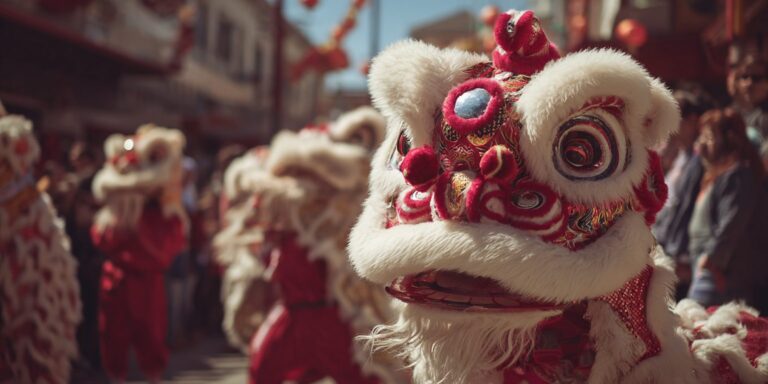
Each color and decoration on the lion costume holds symbolic meaning – red for luck, gold for wealth, green for vitality, and mirrors to ward off evil spirits.
Mastering lion dance etiquette isn’t just about tradition—it’s about fostering respect, connection, and authenticity at your event. Whether you’re a host planning your first performance or an enthusiastic audience member, understanding these essential customs ensures that every beat of the drum and leap of the lion carries its full meaning.
As younger generations in Singapore breathe new life into these rituals while honouring the old ways, your awareness helps keep this vibrant cultural heritage alive and thriving.
Curious to dive deeper into the nuances of lion dance etiquette and customs? Browse around our website for more in-depth guides, checklists, and insider tips on making your next celebration both memorable and respectful. And if you’re ready to elevate your event with an authentic lion dance experience, don’t hesitate to Whatsapp Us or use our Contact Form—our team at Wolf Events is always here to help!