Difference in Costumes and Props – Lion Dance, Bian Lian, and God of Fortune Mascots in Singapore
The difference in costumes and props – Lion Dance, Bian Lian, and God of Fortune Mascots in Singapore reflects both the diversity and depth of traditional performance arts in the region. Each performance style features distinct materials, construction techniques, and symbolic elements, from the intricate bamboo and papier-mâché lion heads to the rapid-changing masks of Bian Lian and the bold designs of God of Fortune mascots.
These differences go beyond aesthetics, shaping the authenticity and cultural resonance of each act.
Recent trends in Singapore highlight a renewed emphasis on authentic craftsmanship, with artisans prioritizing traditional materials and symbolic details such as the lion’s horn or mirror. Event companies are also adapting by offering customizable performance packages that cater to modern needs without sacrificing heritage. This focus on costume and prop distinctions not only preserves cultural identity but also enhances audience engagement during festive and corporate events.
Difference in Costumes and Props for Traditional Performances
Singapore’s vibrant traditional performance scene is distinguished by the costumes and props unique to each art form. Lion Dance, Bian Lian mask changing, God of Fortune mascots, and drum performances all feature specialized attire crafted for both visual impact and cultural authenticity. In recent years, there has been a strong movement towards reviving authentic materials and handcrafted details, especially in lion dance costumes.
This shift not only preserves heritage but also elevates the audience experience at modern events. Costume differences go beyond aesthetics—they shape how performers move, interact with props, and tell stories. While Lion Dance costumes rely on intricate bamboo frames, fur trims, and symbolic decorations, Bian Lian performers depend on lightweight fabrics and hidden mechanisms for lightning-fast mask changes.
God of Fortune mascots embrace bold motifs and plush construction to delight crowds during festive occasions. Drum ensembles often coordinate their outfits for rhythmic unity. Each choice in material or design brings specific meaning rooted in tradition. These costumes are more than stage attire—they’re living links to culture, meticulously maintained by skilled artisans across Singapore.
For event organisers seeking authenticity or customisation for corporate gatherings or festivals, understanding these differences is crucial. Wolf Events continues to lead the way by offering expert advice and tailored costume packages that balance tradition with contemporary needs. Message us on WhatsApp or use our contact form to explore options that will make your event unforgettable.
Lion Dance Costume Materials and Construction
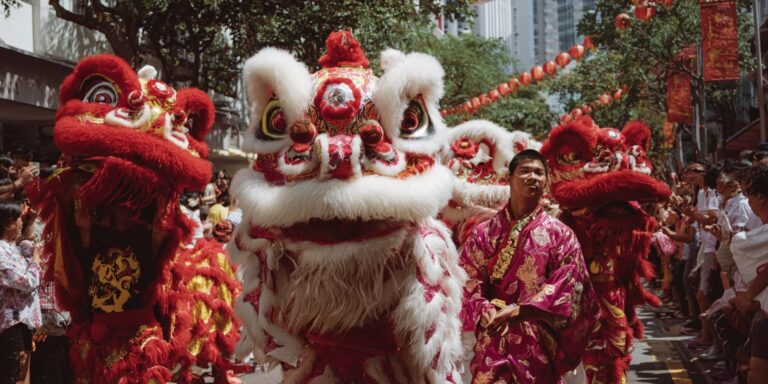
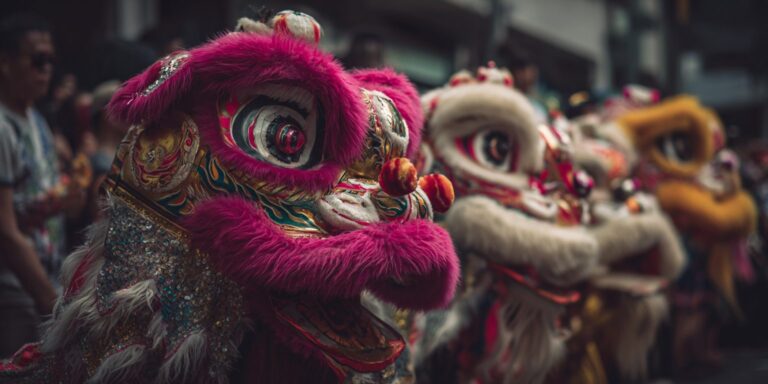
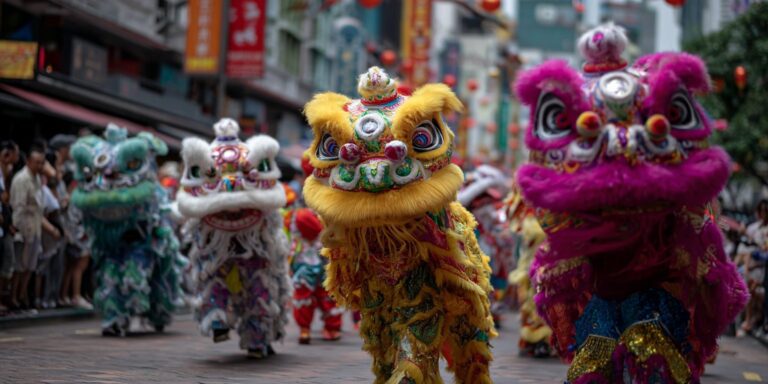
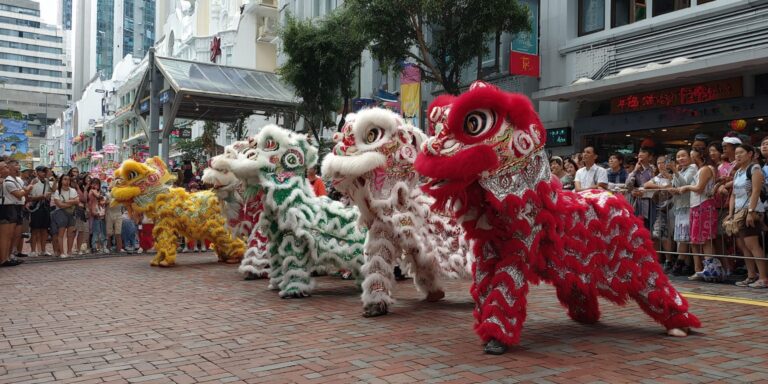
Modern lion dance costumes in Singapore are celebrated for their return to traditional craftsmanship. Artisans now favour bamboo for the frame—strong yet flexible—paired with hand-painted papier-mâché heads and lush faux or real fur for dramatic effect. The body is typically crafted from durable brocade or sequined fabric that shimmers under stage lights.
The precision involved in building these costumes ensures they withstand frequent performances while remaining comfortable for dancers inside. Experienced teams like those at Wolf Events source materials directly from reputable Asian suppliers to guarantee both authenticity and resilience.
| Component | Traditional Material | Purpose |
|---|---|---|
| Head Frame | Bamboo & Papier-mâché | Lightweight support & detailed design |
| Fur | Faux/Real Fur | Visual appeal & movement |
| Body Fabric | Brocade/Sequins | Durability & shine |
| Eyes/Ears/Mouth | Painted Papier-mâché | Expressiveness |
Symbolism in Lion Dance Props and Features
Every element of a lion dance costume carries deep cultural significance. The horn atop the head represents a link between earth and heaven, believed to draw auspicious energies during performances. The mirror set on the forehead reflects negative forces away from spectators—an ancient protective charm still revered today. Props such as the lettuce (symbolising prosperity) tossed during Cai Qing rituals add layers of meaning.
Ceremonies like dotting the eyes imbue the lion with ‘life,’ making each performance a spiritual as well as artistic event.
Bian Lian Mask Changing Costume Characteristics
Bian Lian artists require specialised attire designed for speed and secrecy. Costumes are made from lightweight silk or satin, tailored loosely so performers can move freely while switching masks mid-performance. Hidden pockets and quick-release mechanisms are skillfully integrated into sleeves or collars. The visual drama comes from vibrant embroidery depicting mythological themes—dragons, clouds, phoenixes—each chosen to enhance the magic of transformation on stage.
God of Fortune Mascot Costume Elements
God of Fortune mascots have become icons at festive events across Singapore. Their costumes feature oversized foam heads with exaggerated smiling faces, symbolising abundance and joy. Robes are made from plush velvet adorned with golden patterns representing wealth. Accessories such as scrolls or gold ingots amplify the mascot’s blessings during appearances at malls or corporate launches.
Customisable elements allow brands to add logos without compromising traditional symbolism.
Role of Drums and Percussion in Performances
“Drums aren’t just background music—they’re central to every traditional performance’s energy.” In lion dance especially, drum rhythms cue every leap and gesture while amplifying excitement among spectators. Costumes worn by drummers tend toward coordinated shirts or jackets emblazoned with troupe emblems, creating unity on stage. High-quality drums are covered in cowhide or synthetic skins stretched over wooden frames for deep resonance—a detail that professional teams like Wolf Events never compromise on.
Wolf Events Fact Machine
The small circular mirror on a lion dance head isn’t just decorative—it’s believed to ward off evil spirits by reflecting them away from the performance area, making it a key protective feature in every authentic lion costume.
Regional and Stylistic Variations in Costume Design
Lion dance costumes in Singapore reflect a fascinating blend of tradition and innovation. Recent years have seen artisans double down on authentic materials, favouring bamboo frameworks, papier-mâché heads, and natural fur to capture the soul of classic lion dance. This attention to detail isn’t just about nostalgia—it’s about preserving a living heritage that resonates with audiences today.
Symbolism runs deep in these costumes. Every feature, from the lion’s horn that connects heaven and earth to the mirror on its forehead that wards off negativity, is intentional. These meaningful details aren’t just for show; they’re brought to life through rituals like ‘dotting the eyes,’ which has become a highlight at many Singaporean events.
At Wolf Events, we work closely with costume artisans who understand these nuances, ensuring every performance is both visually stunning and culturally respectful. Event organisers now seek bespoke costume solutions that bridge tradition and modernity. Customisable mascot packages, drum ensembles, and prop enhancements are increasingly popular for corporate launches or community festivals.
The result is a rich tapestry of regional influences—Southern and Northern styles, Bian Lian masks, God of Fortune mascots—all adapted thoughtfully for Singapore’s diverse event scene.
| Costume Type | Traditional Materials | Key Symbolic Feature |
|---|---|---|
| Lion Dance (Southern) | Bamboo frame, papier-mâché head, fur | Horn (heaven), mirror (evil reflection) |
| Lion Dance (Northern) | Lightweight wood or plastic frame, synthetic fur | Bold colours, intricate patterns |
| Bian Lian | Silk robes, concealed mask mechanisms | Rapid mask change (mystery & magic) |
| God of Fortune Mascot | Foam headpiece, embroidered robe | Gold ingot & smiling face (prosperity) |
Southern vs Northern Lion Dance Styles
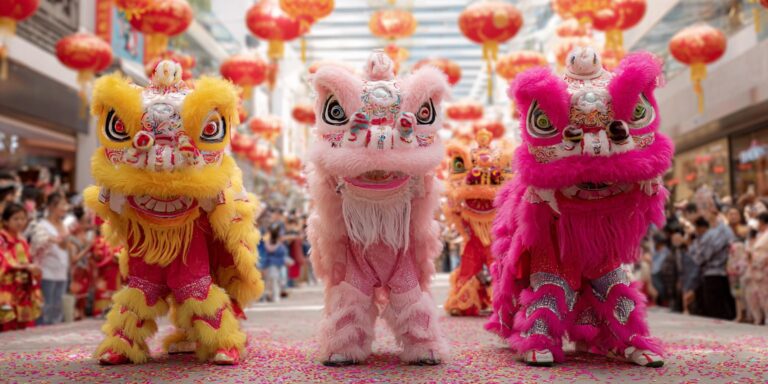
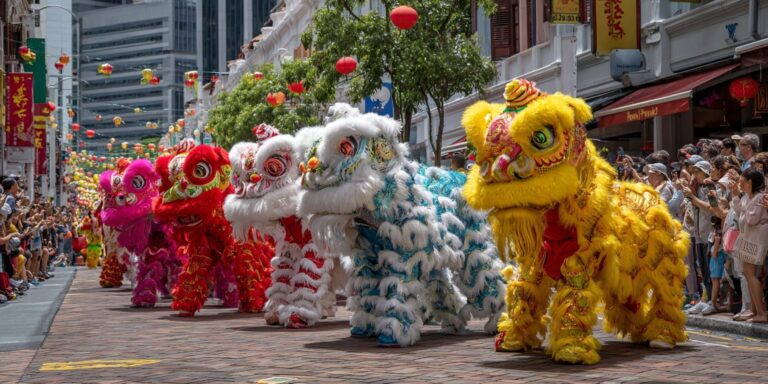
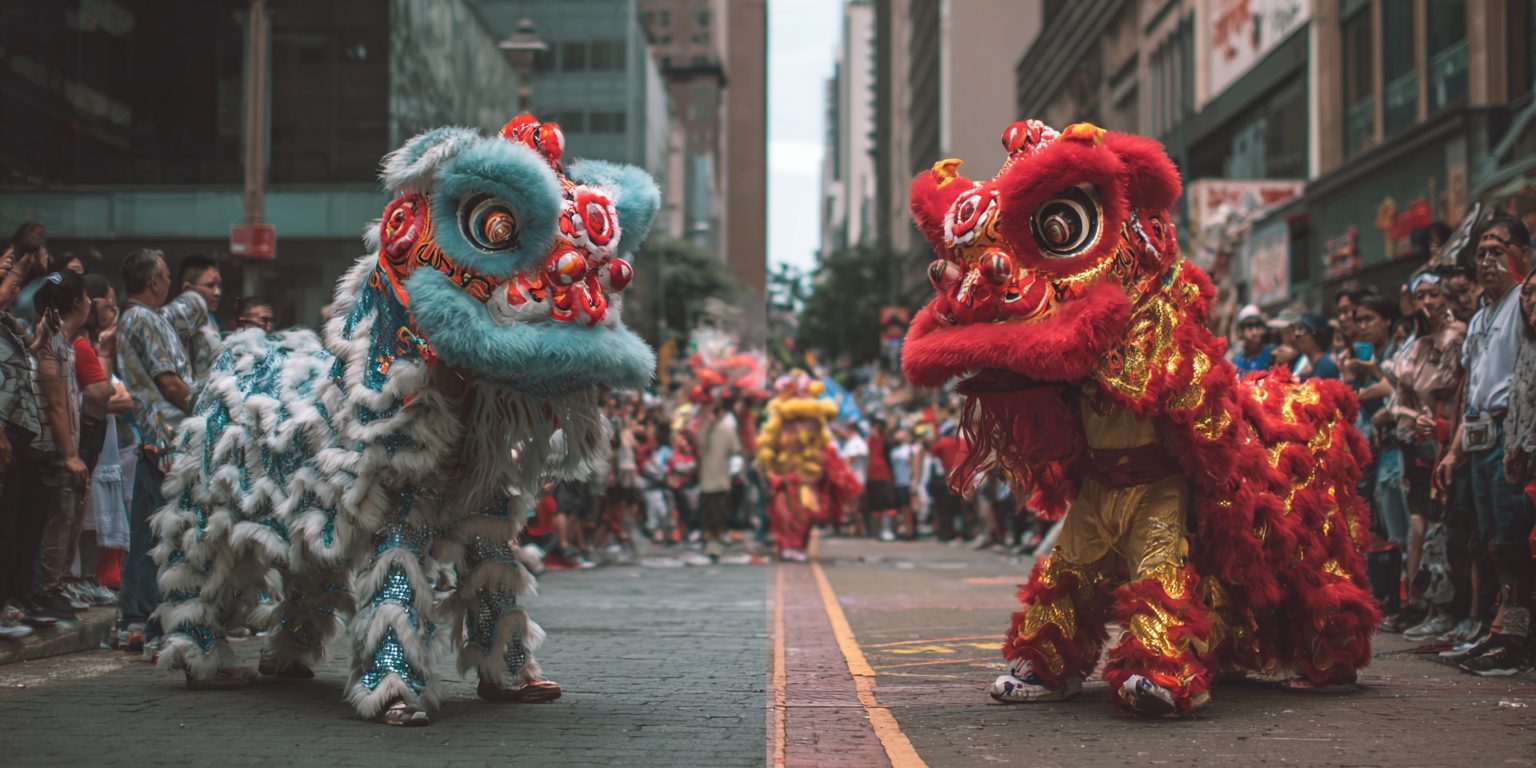
Southern lion dance costumes feature broad jaws and expressive eyes. These lions are built with sturdy bamboo frames and real or high-quality faux fur. Their movements are dramatic and powerful—perfect for chasing away bad luck at business openings or festive gatherings. The Southern style dominates Singapore performances due to its symbolic protection and strong roots in Cantonese communities.
Northern lions look quite different – they have shaggy coats, rounder faces, and brighter colours inspired by Peking opera aesthetics. The construction often uses lighter materials like plastic frames for agility during acrobatic routines. Props like balls or ribbons may accompany these lions to showcase playful interaction with performers. While less common locally, Northern lions are gaining traction at themed cultural events seeking variety.
Modern Adaptations in Singapore Events
Today’s event planners in Singapore want both authenticity and flair. Costume makers respond by blending traditional craftsmanship with modern materials—think reinforced joints for safety during high-energy stunts or lightweight fabrics for outdoor shows. Many clients request custom logos or corporate motifs stitched into the lion’s robe or the God of Fortune mascot’s sash.
Drum teams now don coordinated attire that matches the lion’s colour scheme, enhancing visual unity on stage. For those booking Bian Lian performances through Wolf Events, ask about our selection of silk robes with vibrant hues—a nod to Sichuan opera but tailored for contemporary showmanship. These thoughtful updates ensure each performance stands out while respecting cultural origins.
Ready to create an unforgettable experience?
Maintenance and Care of Performance Costumes
Performance costumes in Singapore’s vibrant arts scene are evolving, with renewed appreciation for traditional craftsmanship and materials. Lion dance costumes, bian lian (mask changing) attire, and God of Fortune mascot suits all require meticulous care to preserve their unique features. Each costume is crafted with specific materials—lion heads use bamboo frames, papier-mâché, and natural fur; bian lian costumes feature complex mask mechanisms; God of Fortune mascots often include intricate embroidery and symbolic props.
Proper maintenance goes beyond cleaning. It respects the symbolism behind each element, such as the lion’s horn symbolising a connection to the heavens or the God of Fortune’s fan that brings prosperity. Regular inspection, gentle cleaning methods, and professional repairs ensure these costumes retain their cultural integrity through countless performances.
Costume artisans in Singapore stress that authenticity in materials isn’t just about tradition—it enhances both performance quality and audience experience. With frequent use at corporate events, festivals, and private celebrations throughout 2025, event companies like Wolf Events customise their costume care routines. This includes storage in climate-controlled environments to prevent deterioration of natural materials and routine ceremonies like ‘dotting the eyes’ to maintain spiritual significance.
Investing in proper costume care not only prolongs lifespan but also safeguards the authenticity that keeps audiences engaged year after year.
Preserving Traditional Materials
Traditional lion dance costumes rely on organic materials—bamboo frames provide flexibility while papier-mâché keeps lion heads light yet sturdy. Real fur and silk fabrics demand gentle handling to avoid matting or colour fading. For bian lian performers, preserving delicate mask mechanisms is vital; these are often handmade using time-honoured techniques that can be damaged by rough use or improper storage.
God of Fortune mascot costumes also feature hand-sewn details that reflect wealth and luck symbolism. Cleaning requires soft brushes and natural cleansers to protect threads and embellishments. Artisans recommend storing all costumes away from direct sunlight and humidity to prevent mould growth or weakening of adhesives used in older construction methods.
Tips for Longevity and Authenticity
Routine inspections can catch small issues before they become costly repairs—look for loose threads, worn-out fastenings or faded paint on props like mirrors or horns. Avoid machine washing; instead, air out costumes after each performance to prevent odours without stressing fabric fibers. Engage professional costume restorers when significant repairs are needed.
They understand both the technical structure and symbolic value of each piece. For event planners seeking custom lion dance costumes in Singapore, ask suppliers about recommended care protocols as part of your booking process. Wolf Events prioritises authenticity by working closely with artisans who share best practices for costume upkeep.
Whether you’re a performer or organiser, maintaining these cultural icons means future audiences will continue to experience their magic at every event.
Common Questions
What are the main differences between Lion Dance and Dragon Dance costumes?
Lion Dance costumes are shorter and operated by two performers inside, featuring a large ornate head and fur-covered body, while Dragon Dance costumes are longer, require more performers, and are manipulated externally using poles.
What materials are used in traditional Lion Dance costumes?
Traditional Lion Dance costumes are made from bamboo, wood, papier-mâché, cloth, fur (real or synthetic), and decorated with paint and lacquer for vibrant appearance.
Why are props like drums and mirrors important in Lion Dance performances?
Drums, cymbals, and gongs provide the rhythmic foundation, while mirrors on the lion’s head are believed to ward off evil and bring good luck.
How do Bian Lian (Mask Changing) costumes differ from Lion Dance costumes?
Bian Lian costumes are designed for rapid mask changes, featuring layered masks and quick-release mechanisms, whereas Lion Dance costumes focus on animal mimicry and ornate headpieces.
What is the significance of the God of Fortune mascot costume?
The God of Fortune mascot costume symbolizes prosperity and good luck, often featuring bright colors, a large smiling mask, and gold-themed props to attract positive energy during festive events.
Whether you’re drawn to the vibrant spectacle of lion dance, intrigued by the swift artistry of Bian Lian mask changing, or enchanted by the cheerful presence of the God of Fortune, each performance in Singapore tells a story not just through movement, but through meticulously crafted costumes and meaningful props.
Understanding these differences gives you a deeper appreciation for the rich traditions and skilled craftsmanship behind every show you see.
Curious to dive deeper into the world of traditional performance costumes and their evolving role in modern events? Take some time to browse around our website—there’s plenty more to discover about the artistry, symbolism, and innovation shaping Lion Dance, Bian Lian, and God of Fortune mascots in Singapore. For event bookings or tailored performance packages, Whatsapp Us or reach out via our Contact Form for expert advice.