Difference Between Dragon Dance and Lion Dance – Key Facts for Singapore Events
The difference between dragon dance and lion dance – key facts for Singapore events is a topic gaining attention as more event planners and corporate clients seek to create memorable celebrations. Recent articles in 2025 highlight a surge in public curiosity about distinguishing these two iconic Chinese performances, especially in multicultural cities like Singapore where both dances are common at festivals, business openings, and major gatherings.
This growing interest has led to increased efforts by performance troupes and cultural organizations to educate audiences about the unique features, symbolism, and logistical requirements of each dance.
Despite their frequent appearances at the same events, confusion remains widespread regarding aspects such as team size, costume design, movement style, and audience engagement. Lion dance vs dragon dance symbolism, how many people in a dragon dance team, and the suitability of each performance for different occasions are frequent points of discussion among event organizers.
With modern adaptations and renewed popularity for both art forms in Singapore’s corporate and festival scene, understanding the clear differences is essential for making informed event planning decisions.
Difference Between Dragon Dance and Lion Dance – Key Facts
Singapore’s vibrant event scene has sparked a renewed curiosity about the difference between dragon dance and lion dance. While both are iconic spectacles at festive occasions, they have distinct roots, appearances, and performance requirements. Misunderstandings between these two traditions still occur often, especially among audiences new to Chinese cultural festivities.
Event planners in Singapore now increasingly seek clear guidance on which dance suits their occasion best. Modern troupes are blending contemporary elements into traditional routines, making it even more important to understand what sets each dance apart. Knowing the facts can help corporate clients and families book the right performance—ensuring a memorable celebration with cultural authenticity.
| Aspect | Lion Dance | Dragon Dance |
|---|---|---|
| Number of Performers | 2-3 per lion | 8-18 per dragon |
| Costume Design | Furry, expressive head; compact body | Long, scaled body; multiple segments |
| Choreography | Lively, acrobatic, mimics lion’s movements | Flowing, serpentine group formations |
| Symbolism | Good fortune, protection from evil spirits | Power, prosperity, rain-bringing |
| Event Suitability | Business openings, weddings, community events | Large festivals, parades, grand openings |
| Audience Interaction | High—lion visits crowd and collects offerings | Low—dragon rarely breaks formation |
Number of Performers and Team Structure
A lion dance typically features two to three performers per lion—one controlling the head and another the tail. Some teams add a third for musical accompaniment or props. In contrast, a dragon dance requires a much larger crew – anywhere from eight to eighteen people work together to manipulate the long segmented body of the dragon.
The number depends on the size of the dragon used for the event. For event planners in Singapore considering logistics or space constraints, this is a crucial difference when deciding which performance fits their venue.
Costume Design and Visual Differences
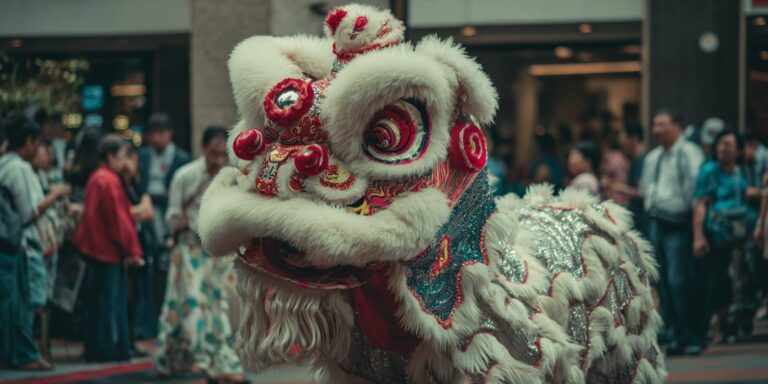
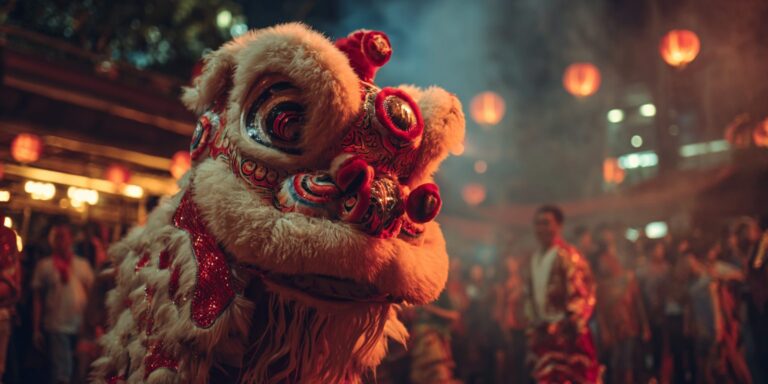
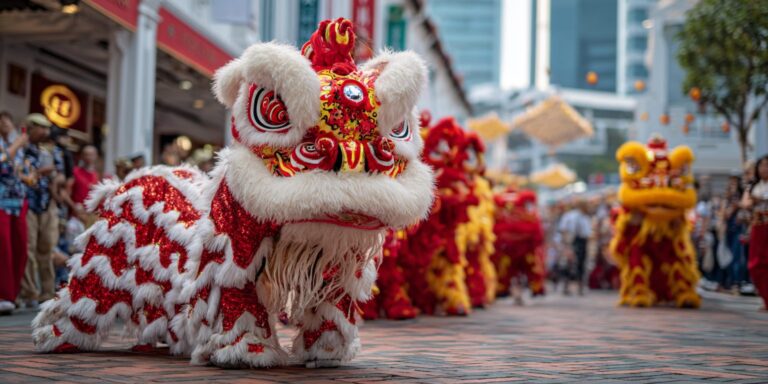
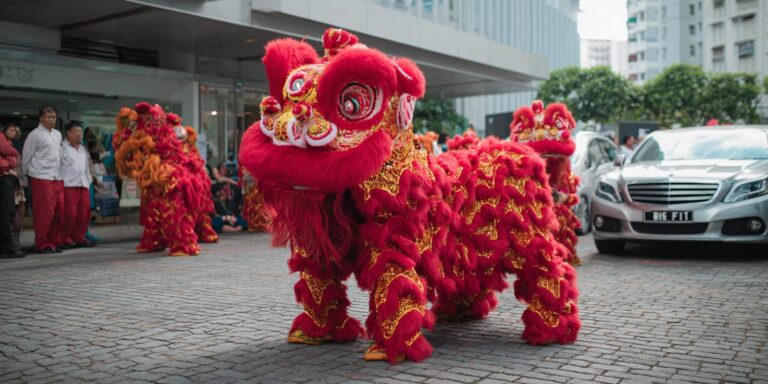
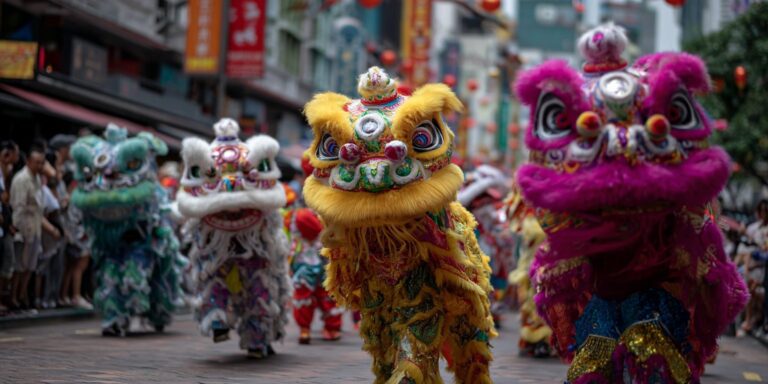
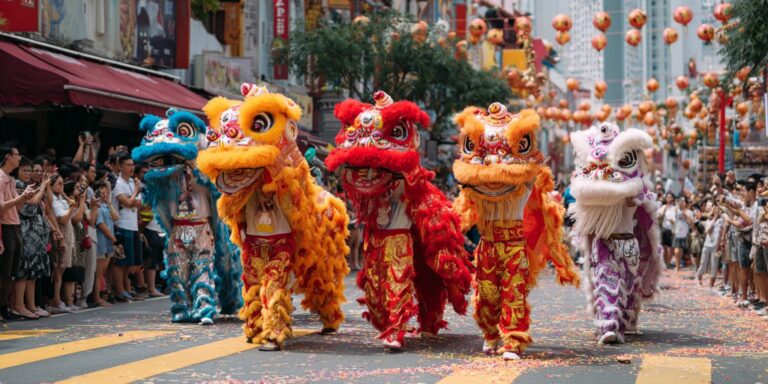
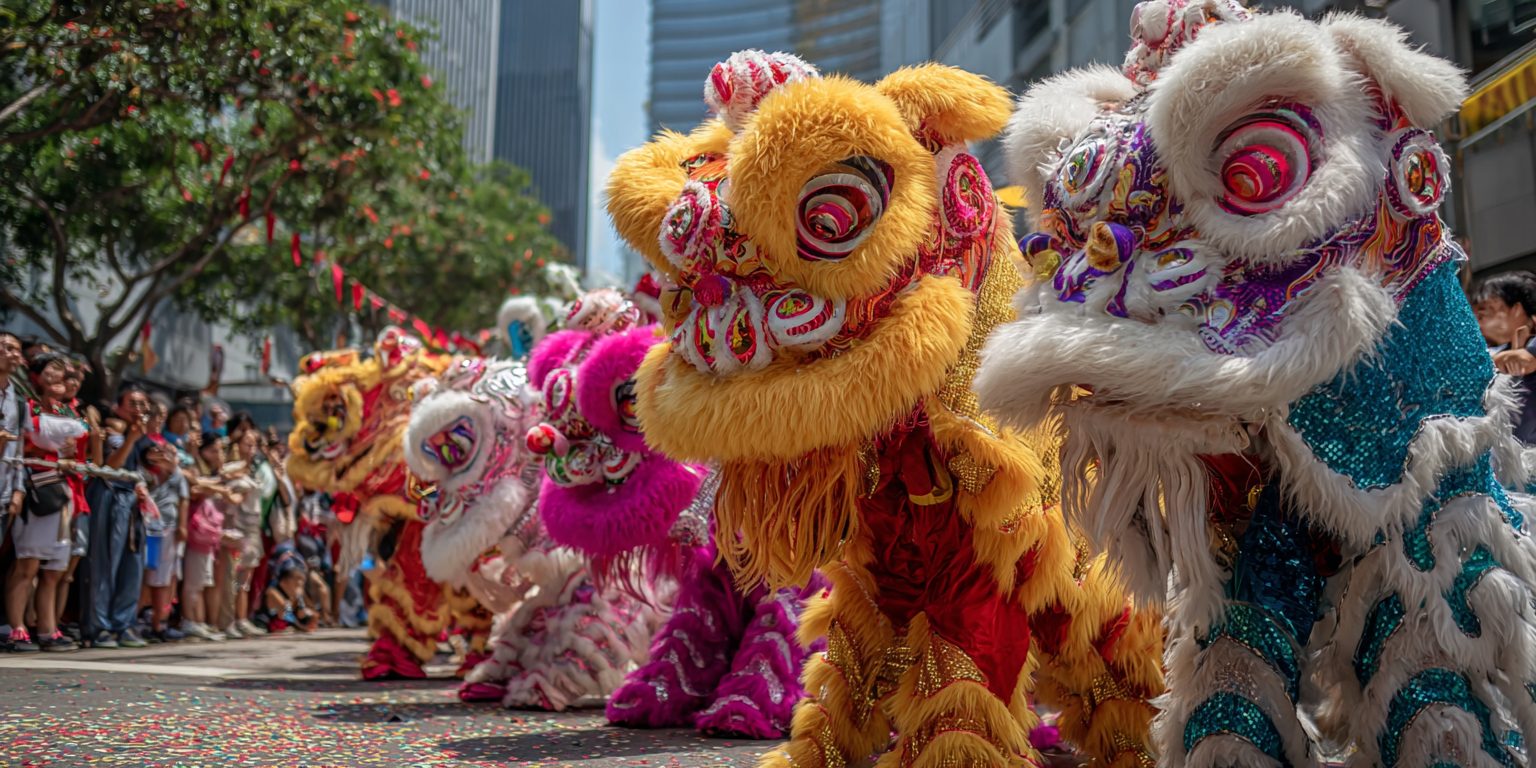
Lion dance costumes are furry with bold facial expressions—often featuring blinking eyes or moving mouths. They resemble mythical lions rather than real ones. The body is compact so performers can execute jumps and stunts easily. Dragon dance costumes are much longer and constructed in segments connected by hoops or rods.
The surface is bright with scales and whiskers; dragons can be up to 70 metres long for large parades but smaller versions are common at local events in Singapore.
Movement Style and Choreography
“Lion dance choreography focuses on agility and lifelike gestures—think head shakes, tail flicks, leaps onto high poles or tables. Each move is designed to mimic a curious or playful lion searching for food or scaring away evil spirits. The dragon dance is all about coordinated group movement – performers use poles to raise and lower sections of the dragon’s body in undulating waves.
The aim is to create an illusion of a single living creature soaring through the air.”
Symbolism and Cultural Significance
“Lion dances symbolize luck and warding off bad energy—they’re popular at business openings in Singapore because they’re thought to attract prosperity. The act of ‘cai qing,’ where lions pluck greens (often with an ang bao), further reinforces this meaning. Dragon dances represent power over water, rain-bringing abilities, strength, and unity within the community.
Traditionally performed at major festivals like Mid-Autumn Festival or National Day celebrations in Singapore.”
Occasions and Event Suitability in Singapore
“Lion dances remain a top choice for business launches, weddings, private parties, school events—even condo open houses! Their compact format makes them ideal for smaller venues. Dragon dances make a dramatic statement at parades or outdoor festivals such as Chingay Parade or River Hongbao. They need more space but leave an unforgettable impression at large-scale events.”
Audience Interaction and Engagement
“One major difference – lion dancers interact directly with audiences. They accept red packets (ang baos), ‘eat’ offerings like lettuce (cai qing), and even pose for selfies during Singapore events. Dragon dancers rarely leave their formation because coordination is key—the focus stays on collective movement rather than crowd engagement.”
Common Misconceptions and Mix-Ups
“Many still assume both performances require similar setups or serve identical purposes at events. In fact, their symbolism—and even logistical needs—are quite different. It’s also common to hear people refer to any costumed performance as ‘lion dance,’ even when it’s clearly a dragon! This confusion can lead event planners astray when booking entertainment for multicultural crowds in Singapore.”
Wolf Events Fact Machine
Did you know? In traditional dragon dances performed in Singapore, the dragon is typically manipulated by nine performers—an auspicious number in Chinese culture symbolising longevity and completeness.
Choosing the Right Dance for Your Event
Selecting between a lion dance and a dragon dance for your event in Singapore can feel overwhelming, especially with both performances being visually striking and deeply rooted in Chinese tradition. While both dances create memorable moments, they differ significantly in terms of team structure, symbolism, costume design, and audience engagement.
Understanding these differences is crucial if you want to make your celebration truly stand out. Recent interest from event planners and multicultural audiences has shone a spotlight on the unique roles each dance plays. Lion dance is often the top choice for business openings and intimate gatherings due to its close audience interaction and auspicious symbolism of good luck and fortune.
On the other hand, dragon dance dazzles at large-scale festivals and parades with its grand spectacle and representation of power, strength, and unity. Innovative troupes in Singapore are now blending tradition with modern music and choreography, making these performances even more versatile for all kinds of occasions—from corporate launches to milestone family events.
For expert guidance tailored to your venue or theme, reach out to Wolf Events on Whatsapp or use our Contact Form for quick recommendations.
| Aspect | Lion Dance | Dragon Dance |
|---|---|---|
| Team Size | 2-9 performers | 8-30+ performers |
| Costume | Two-person lion costume | Long multi-person dragon |
| Movement | Lively acrobatics & martial arts | Flowing synchronized waves |
| Symbolism | Luck, prosperity, warding off evil | Power, unity, strength |
| Audience Interaction | High—direct engagement | Low—mainly visual spectacle |
| Ideal Event Type | Business openings, weddings, small-medium events | Large festivals, parades |
Space and Logistical Considerations
Space is a critical factor when choosing between lion dance and dragon dance in Singapore’s urban venues. Lion dance requires less space since each lion consists of just two performers. This makes it ideal for offices, shopfronts, or function rooms where space is limited. Setting up is also quick—troupes can adapt their choreography to suit even tight corners or indoor stages.
Dragon dance demands significantly more room because the dragon prop may stretch over 10 metres long. The troupe can include anywhere from eight to thirty performers moving in coordinated waves. These requirements make dragon dance best suited for outdoor festivals or large ballrooms where the full visual impact can be appreciated.
If you’re unsure about your space constraints or how many performers are needed, Wolf Events can advise on custom setups for your venue.
Audience Experience and Impact
Lion dance captivates audiences by getting up close—lions often interact directly with guests by ‘eating’ lettuce offerings or playfully engaging children. This personal touch leaves a lasting impression at business launches or private parties. Dragon dance is all about grand spectacle. The intricate coordination needed to animate the long dragon creates a mesmerizing visual display that’s perfect for drawing crowds at public celebrations or parades.
However, it typically involves less direct interaction with spectators compared to lion dance. If you want guests to feel part of the action—especially younger attendees—a lion dance will deliver excitement right at their feet. For events where making an unforgettable statement is key, nothing matches the energy of a full-scale dragon weaving through the crowd.
Not sure which will make your event shine?
Lion Dance, Dragon Dance, and Singapore’s Festive Culture
Lion dance and dragon dance have become staples of Singapore’s vibrant festive landscape. While both are deeply rooted in Chinese tradition, their roles in modern celebrations reflect the country’s multicultural character. Recent attention in 2025 spotlights how these performances shape public events, private gatherings, and major festivals—from National Day to Mid-Autumn Festival.
The surge in bookings for both dances at corporate launches, community events, and even weddings shows that demand is stronger than ever. Despite their shared popularity, many people still mix up lion dance with dragon dance. The differences go beyond appearance – lion dance is usually performed by two artists per lion, focusing on agile movements and interactive stunts close to the audience—especially during business openings or Chinese New Year celebrations.
In contrast, dragon dance requires a much larger team, sometimes up to fifteen or more performers controlling an undulating dragon on poles. Dragon dance often takes center stage at parades or mass festivals where its sweeping choreography can shine. Singapore’s top troupes now blend traditional drumming and costumes with new music arrangements and modern choreography.
Yet, the cultural symbolism remains at the heart of every show—lion dance brings luck and fortune to businesses, while dragon dance symbolizes power and prosperity at grand occasions. Event planners looking to impress guests should consider not just the visual spectacle but also the unique audience engagement styles and logistical needs of each performance.
For tailored advice or to book a memorable show, contact Wolf Events on Whatsapp or through our contact form.
Common Questions
What is the main difference between lion dance and dragon dance?
The main difference is the number of performers and the style – lion dance uses two dancers in a compact costume, focusing on acrobatic and martial arts-inspired moves, while dragon dance involves a large team holding a long, segmented dragon, moving in coordinated, flowing patterns.
Which dance is more suitable for small venues?
Lion dance is more suitable for small venues due to its compact size and fewer performers, while dragon dance requires more space and a larger team.
What do the lion and dragon symbolize in Chinese culture?
The lion symbolizes protection, courage, and good fortune, believed to ward off evil spirits. The dragon represents power, prosperity, and abundance, bringing blessings to the community.
Why do people often confuse lion dance with dragon dance?
Both dances feature elaborate costumes, traditional music, and are performed at similar events, leading to confusion. The key difference is the number of performers and the costume design.
Are lion dance and dragon dance performed at the same events?
Both are popular at Chinese New Year and major celebrations, but lion dance is also common at business openings and weddings, while dragon dance is more often seen at large parades and festivals.
Choosing between a lion dance and a dragon dance for your next Singapore event doesn’t have to be a shot in the dark. With a clear understanding of the team structure, choreography, costume design, and unique audience engagement styles, you can select the performance that truly matches your occasion’s needs and leaves a memorable impression on your guests.
Curious to dig deeper? Browse around our website for more insights, tips, and side-by-side comparisons on the difference between dragon dance and lion dance in Singapore. If you’re ready to elevate your event with the right performance, don’t hesitate to Whatsapp Us or reach out via our Contact Form—our team is always here to help!