Lion Dance for Art Performances and Theatre – Tradition, Symbolism, and Modern Spectacle in Singapore
Lion Dance for Art Performances and Theatre – Tradition, Symbolism, and Modern Spectacle in Singapore captures the enduring relevance and creative evolution of this ancient art form. From the vibrant displays at cultural festivals like the 34th Annual Asian Culture Festival to innovative stage productions that blend Lion Dance with Bian Lian and God of Fortune performances, Singapore’s theatre scene showcases how tradition can adapt to contemporary artistic expression.
The artistry of Lion Dance costumes, powerful drum accompaniments, and symbolic choreography continue to resonate in both heritage celebrations and modern theatre shows.
Recent years have seen a surge in youth participation through school groups and community initiatives, reflecting Lion Dance’s growing appeal among younger generations. As international competitions and corporate events embrace Lion Dance as both a spectacle and a sport, Singapore remains at the forefront of integrating this performance art into diverse settings.
Expert voices like Albert Le highlight its role in conveying prosperity while festival platforms elevate its status as a dynamic symbol of cultural identity and artistic innovation.
Lion Dance for Art Performances and Theatre – An Overview
Lion Dance remains a visual and cultural spectacle, playing a prominent role in art performances and theatre across Singapore and around the world. Its roots run deep, symbolizing prosperity, warding off negativity, and bringing good fortune—values that are cherished not only during festive occasions but also in modern stage productions.
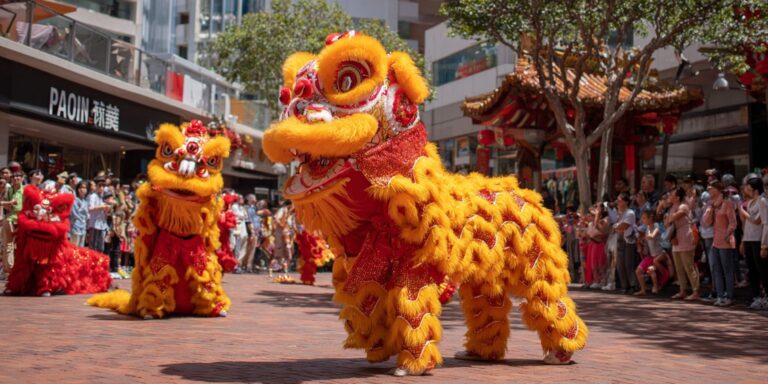
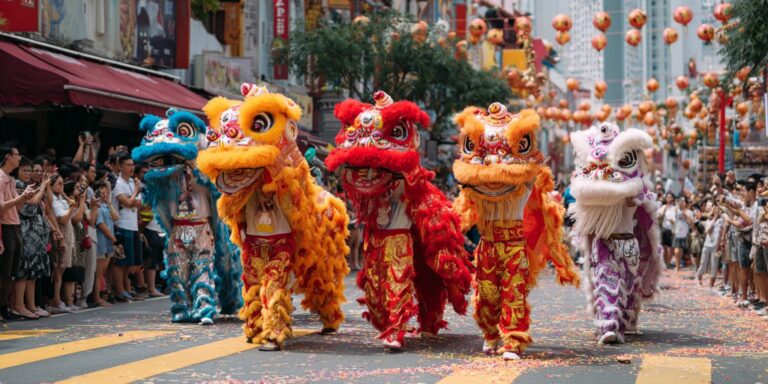
In recent years, Lion Dance has taken centre stage at major events like the 34th Annual Asian Culture Festival in 2025, where audiences are captivated by its dynamic choreography, vibrant costumes, and powerful symbolism. Today’s Lion Dance is more than just tradition. It seamlessly integrates with other performance arts such as Bian Lian (mask changing), God of Fortune mascot appearances, and energetic drum performances to create immersive theatrical experiences.
The artistry behind each performance extends from intricate costume design to carefully orchestrated musical arrangements. Young performers and community groups are now at the forefront of this evolution, using social media to share their passion and attract new audiences. International competitions have further elevated Lion Dance as both an art form and a sport, demonstrating its global reach while maintaining its deep cultural significance.
In Singapore, Lion Dance continues to thrive in both traditional celebrations and contemporary theatre settings. Expert practitioners highlight the technical skill required for authentic performances and stress the importance of nurturing the next generation of dancers. Whether showcased at corporate events or on grand festival stages, Lion Dance stands as a living testament to artistic innovation rooted in heritage.
For those seeking to bring this rich tradition to their events or productions, Wolf Events offers tailored Lion Dance experiences—message us on WhatsApp or use our Contact Form to book your appointment.
Wolf Events Fact Machine
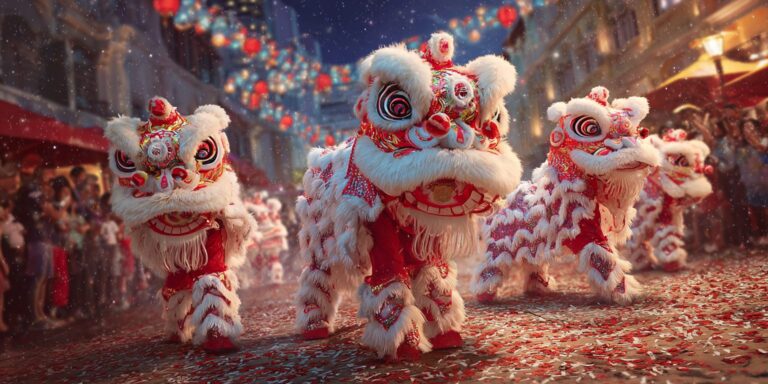
Did you know? In contemporary Singapore, Lion Dance troupes often incorporate LED lights into costumes for night performances—creating a dramatic visual effect that blends ancient tradition with modern technology.
Cultural Significance and Symbolism of Lion Dance
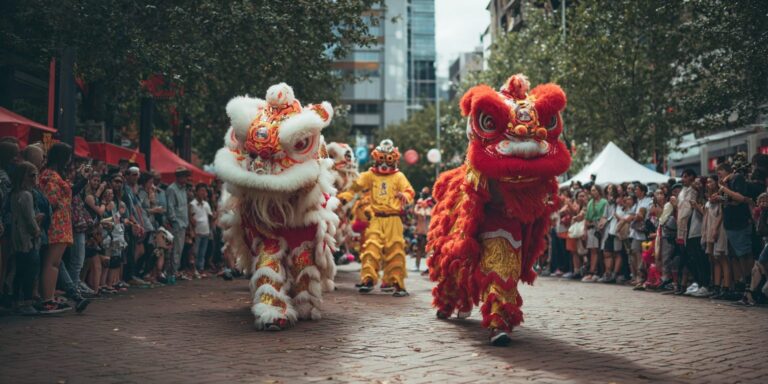
Lion Dance holds a special place in Singapore’s cultural landscape, weaving together ancient tradition and contemporary artistry. Its presence is felt strongly during major festivals and corporate events, where the rhythmic beats of drums and the vibrant energy of performers create an unforgettable spectacle.
The performance is more than entertainment; it serves as a living expression of community spirit, bridging generations and inviting participation from youth groups who now use social media to keep traditions alive. Modern Lion Dance continues to evolve, adapting to new settings such as theatre productions, international competitions, and fusion performances with other art forms like Bian Lian or God of Fortune Mascot appearances.
The artistry behind every Lion Dance—from intricate costume design to the precision of drum accompaniment—reflects deep respect for cultural heritage. In Singapore, Lion Dance frequently appears alongside other traditional arts, creating rich, multi-layered stage shows that delight both local and international audiences. At its core, each performance is a wish for prosperity, harmony, and good fortune.
| Event | Type | Lion Dance Involvement |
|---|---|---|
| Asian Culture Festival 2025 | Cultural Festival | Headline Performance |
| Corporate Launches | Business Event | Prosperity Blessing |
| Singapore Theatre Shows | Stage Production | Integrated with Bian Lian & God of Fortune |
| Youth Competitions | Sport/Art Competition | Team Performances |
Origins and Historical Context
The roots of Lion Dance stretch back over a thousand years to ancient China, where legends told of villagers scaring away evil spirits with elaborate animal costumes and loud music. As Chinese communities migrated across Asia, they brought these traditions along, allowing Lion Dance to flourish in new environments like Singapore.
Over centuries, the dance evolved from ritualistic beginnings into a sophisticated art form performed at temples, festivals, and public celebrations. In recent decades, Lion Dance has gained recognition not just as tradition but also as a competitive sport. Events across the world attract talented youth teams who blend athletic prowess with cultural storytelling.
This growth is supported by community organizations and passionate mentors who ensure that historical practices are honored even as the dance finds new life in modern theatre and international arenas.
Symbolic Meanings in Performance
Every movement in the Lion Dance carries symbolic weight. The lion’s playful antics represent joy and abundance while fierce gestures ward off misfortune. Red and gold costumes symbolize luck and wealth; the thundering drumbeats drive away negativity while calling forth prosperity for audiences. In Singaporean events—whether on stage or at business openings—the Lion Dance is more than tradition – it’s an active blessing for health and success.
When paired with God of Fortune mascots or Bian Lian performers, these shows create a layered narrative about renewal and unity. This symbolism resonates especially during important milestones or festivals where communities gather to reaffirm shared hopes for the future.
Lion Dance in Modern Singaporean Theatre
Singapore’s theatre scene has embraced Lion Dance as a vibrant expression of cultural heritage and contemporary artistry. Performances have moved beyond traditional street processions, finding new life on modern stages and at major festivals like the 34th Annual Asian Culture Festival in 2025. Here, Lion Dance is celebrated not just for its acrobatic spectacle, but also for its symbolic storytelling, dynamic choreography, and the intricate artistry of its costumes.
Theatre directors increasingly collaborate with Lion Dance troupes to create immersive stage shows that blend music, movement, and visual storytelling. These performances often incorporate elaborate drum arrangements and spotlight the craftsmanship of costume makers. The result is a multi-sensory experience that resonates with audiences young and old. Youth groups and schools are also getting involved, bringing fresh energy to the art form while connecting new generations to their heritage.
In this evolving landscape, Lion Dance serves as both a cultural touchstone and a showcase of technical mastery. Its presence in Singaporean theatre underscores the city’s dedication to preserving tradition while embracing innovative forms of artistic expression.
| Aspect | Traditional Lion Dance | Modern Theatre Integration |
|---|---|---|
| Setting | Street processions & festivals | Stage performances & art festivals |
| Music | Live percussion (drums, cymbals) | Orchestrated soundscapes & live instruments |
| Participants | Community troupes & elders | Professional dancers & youth groups |
| Costume Focus | Symbolic lion heads & attire | Enhanced visuals & lighting effects |
Integration with Bian Lian and God of Fortune Mascot Acts
Modern Singaporean theatre increasingly blends Lion Dance with other iconic performance arts such as Bian Lian (face-changing) and God of Fortune mascot appearances. This integration creates captivating stage shows that honour tradition while engaging contemporary audiences. Bian Lian’s dramatic mask transformations complement the energetic movements of the lions, while the God of Fortune mascot adds an element of prosperity and festivity.
These hybrid performances are particularly popular at large events and cultural festivals, offering something uniquely Singaporean—a fusion of South East Asian performance traditions tailored for both local audiences and international visitors. The collaborative spirit among performers elevates each show into a celebration of artistry, luck, and cultural pride.
Lion Dance for Corporate and Public Events
Lion Dance has become a standout feature at corporate launches, mall openings, awards ceremonies, and community gatherings across Singapore. Companies recognise the value of infusing events with cultural significance—welcoming prosperity, good fortune, and positive energy through traditional performance art. The thunderous drums and bold costumes grab attention while setting an auspicious tone for business success.
Public events also benefit from Lion Dance’s ability to draw crowds and foster community engagement. Youth groups now take centre stage at many celebrations, using social media to amplify their performances beyond physical venues.
Artistry Behind Lion Dance – Costumes and Music
Lion Dance remains one of Singapore’s most vibrant cultural spectacles, especially during major festivals and theatrical events. The artistry behind every performance goes far beyond the acrobatics; it lies in the meticulous craftsmanship of costumes and the powerful music that drives each movement. Whether at a traditional theatre or a modern stage show, Lion Dance captivates with its blend of visual and auditory storytelling.
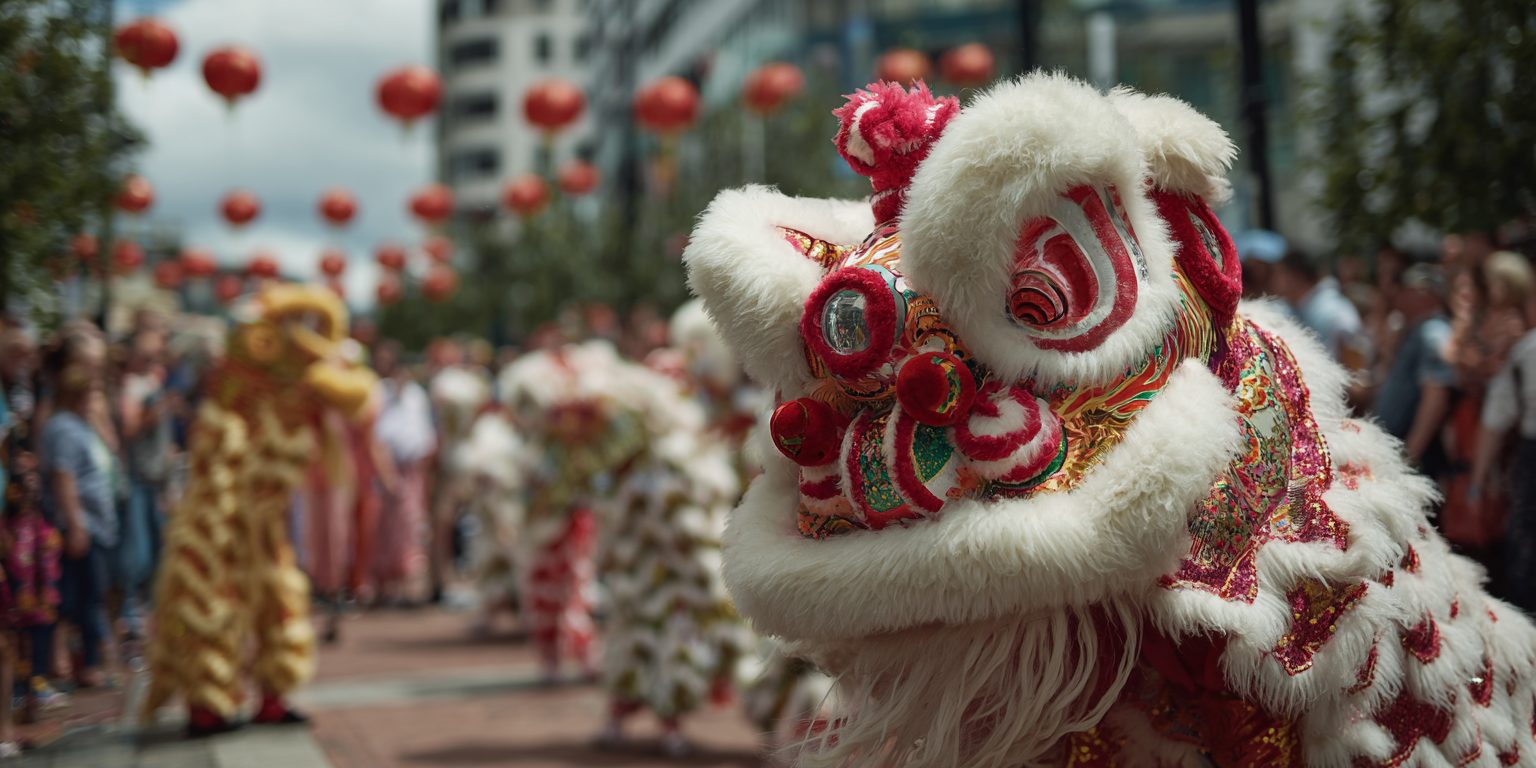
The costumes are more than just fabric and colour—they are crafted to embody the lion’s spirit and symbolism. Every detail, from the intricate embroidery to the carefully chosen materials, reflects both tradition and innovation. At the same time, music forms the heartbeat of Lion Dance. The thunderous drums and cymbals not only guide the dancers but also build anticipation for audiences.
As Lion Dance continues to evolve in Singapore’s art scene, its costumes and music maintain a delicate balance between heritage and creativity, making each performance a celebration of both history and artistry.
Costume Design and Craftsmanship
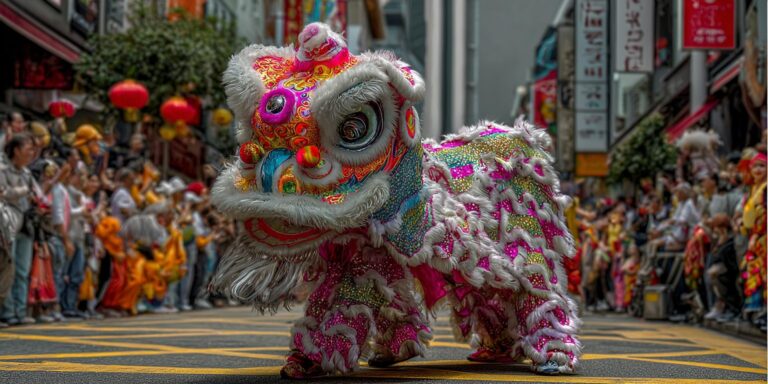
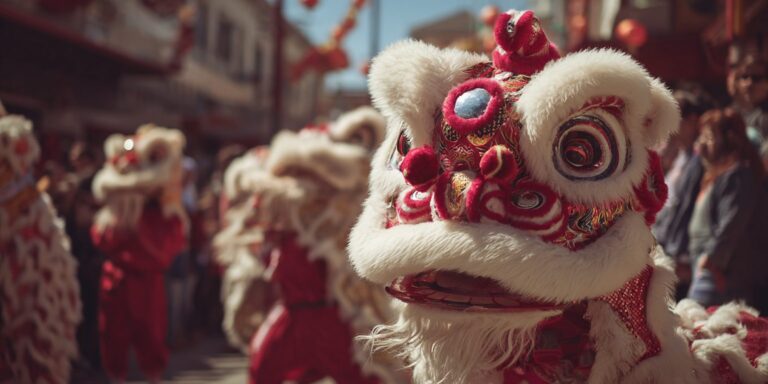
Lion Dance costumes have always been a defining element of this performance art. They are made by skilled artisans who understand both tradition and function. Each lion head is hand-painted with bold patterns that represent different lion personalities—some fierce, others playful. Artisans use lightweight materials so dancers can perform energetic stunts without being weighed down.
In Singapore’s contemporary Lion Dance troupes, you’ll notice evolving designs that incorporate modern materials while honouring classic motifs like auspicious clouds, gold thread, and symbolic colours. These designs enhance stage presence for both traditional outdoor shows and formal theatre performances. The integration of LED lights or updated textiles showcases how Lion Dance costume artistry adapts to new platforms while preserving its cultural roots.
Wolf Events partners with experienced costume makers who specialise in both classic Southern lions and innovative designs for stage productions.
Drum and Percussion Accompaniment
Music is inseparable from the drama of Lion Dance. Drummers set the tempo for every leap and turn, using rhythms that range from slow, suspenseful beats to explosive crescendos. Each drum pattern has meaning—welcoming luck, warding off evil spirits, or marking transitions in the dance story. Professional Lion Dance troupes in Singapore often train for years to master these complex rhythms.
Modern performances may blend traditional Chinese drums with contemporary percussion for greater impact on stage or at corporate events. The music creates a shared energy between dancers and audience—a powerful exchange that turns every performance into an immersive experience. If you want your event to stand out with authentic Lion Dance drumming or integrated drum performances, Wolf Events provides expert musicians who understand both tradition and theatrical flair.
Lion Dance thrives as a living tradition because communities and young people continue to embrace its vibrant heritage. In Singapore, youth groups play a pivotal role in keeping this art form relevant. Their passion ensures that Lion Dance remains woven into the fabric of major festivals, stage shows, and even corporate events.
Community and Youth Engagement in Lion Dance
These young performers often serve as cultural ambassadors, bridging generations and introducing fresh energy into every performance. Community involvement also drives innovation. By integrating Lion Dance with other traditional arts—such as Bian Lian mask changing or the God of Fortune mascot—performers create dynamic theatre experiences that appeal to modern audiences.
Social media further amplifies this engagement, allowing youth troupes to showcase their skills and connect globally. As more schools and community centres offer training, participation grows and the tradition stays alive.
Training young Lion Dancers involves far more than just learning choreography. Troupes in Singapore invest in holistic development—teaching not only precise movements but also the cultural symbolism behind each gesture. Youths are encouraged to understand costume artistry, musical rhythms, and stage presence. Many join through school-based clubs or community workshops, where mentorship from experienced dancers is key.
Training and Participation of Young Performers
Recent years have seen an uptick in youth participation at local competitions and major festivals like the Asian Culture Festival. These opportunities motivate new generations to push their artistic limits while respecting tradition. The support of families, schools, and dedicated trainers is crucial for nurturing both skill and confidence.
Lion Dance has evolved into a respected competitive sport internationally. Singaporean teams frequently travel abroad for tournaments where they are judged on precision, creativity, and team synchronization. Competitions demand technical mastery – intricate footwork, acrobatic stunts, seamless drum coordination, and authentic costume presentation. The rise of competitive Lion Dance encourages innovation while upholding traditional values.
Lion Dance as a Competitive Art Form
Judges look for originality in storytelling without sacrificing cultural integrity. This competitive edge attracts talented youth who seek both athletic challenge and artistic expression—ensuring Lion Dance remains dynamic for future generations.
Lion Dance has always been more than just a performance—it’s a living symbol of prosperity, health, and cultural pride. In Singapore, the tradition pulses at the heart of festivals and major events, where its powerful movements and vivid costumes stir up both nostalgia and excitement. As we move through 2025, Lion Dance continues to evolve, embracing new forms while respecting its roots in history and symbolism.
The Future of Lion Dance in Performance Arts
Recently, we’ve seen Lion Dance take centre stage at international festivals like the 34th Annual Asian Culture Festival, capturing global audiences with its blend of athletic choreography and theatrical storytelling. In Singapore’s vibrant arts scene, troupes are increasingly weaving Lion Dance into contemporary theatre productions and integrating it with other traditional arts such as Bian Lian mask changing, God of Fortune mascots, and dramatic drum performances.
This cross-pollination creates new experiences for audiences while preserving the artistry behind every costume stitch and every resonant beat. Youth involvement is breathing fresh life into the art. School groups and community clubs are not only mastering traditional techniques but also using social media to reach broader audiences. Their commitment ensures that Lion Dance thrives as both an international competitive sport and a cherished cultural practice.
For those looking to bring this electrifying energy to their own events or corporate functions, Wolf Events offers expert performers ready to captivate any crowd.
For those looking to bring this electrifying energy to their own events or corporate functions, Wolf Events offers expert performers ready to captivate any crowd. Message us on Whatsapp or use our Contact Form to discuss your next unforgettable performance.
Common Questions
What is the significance of Lion Dance in art performances and theatre?
Lion Dance symbolizes prosperity, good fortune, and the warding off of evil spirits. In art performances and theatre, it combines dynamic choreography, storytelling, and cultural symbolism to engage audiences and celebrate important occasions.
How is Lion Dance integrated with other performance arts in Singapore?
In Singapore, Lion Dance is often performed alongside Bian Lian (Mask Changing), God of Fortune Mascot appearances, and traditional drum performances, creating a multi-faceted cultural showcase for festivals and events.
What are the key elements of a Lion Dance performance?
A Lion Dance performance typically features two dancers in a stylized lion costume, accompanied by percussion instruments like drums and cymbals. The choreography may include acrobatics, symbolic gestures, and interactions with the audience or environment.
Why is Lion Dance popular for corporate and theatre events in Singapore?
Lion Dance is popular for such events because it brings energy, cultural significance, and a sense of celebration, making it ideal for opening ceremonies, festive occasions, and theatrical productions seeking to highlight Asian heritage.
How has Lion Dance evolved in recent years?
Lion Dance has evolved to include international competitions, youth participation, and innovative choreography, while still maintaining its traditional roots and cultural significance.
Lion Dance has moved far beyond its traditional roots, now commanding the spotlight in Singapore’s most innovative theatre and art performances. Whether paired with the dramatic flair of Bian Lian or the auspicious presence of a God of Fortune mascot, every performance is a vibrant testament to centuries-old symbolism and modern creative flair.
These shows aren’t just cultural heritage—they’re living, breathing spectacles that continue to inspire audiences, young and old.
Curious about how Lion Dance can elevate your next event or performance? Browse around our website for more insights into tradition, costume artistry, youth involvement, and how modern Singaporean theatre continues to reinvent this dynamic art form. Ready to make your own occasion unforgettable? Reach out via Whatsapp Us or our Contact Form—we’d love to bring the roar of the lion to your stage.