Meaning of Lion Dance Colours – Symbolism and Modern Trends in Singapore
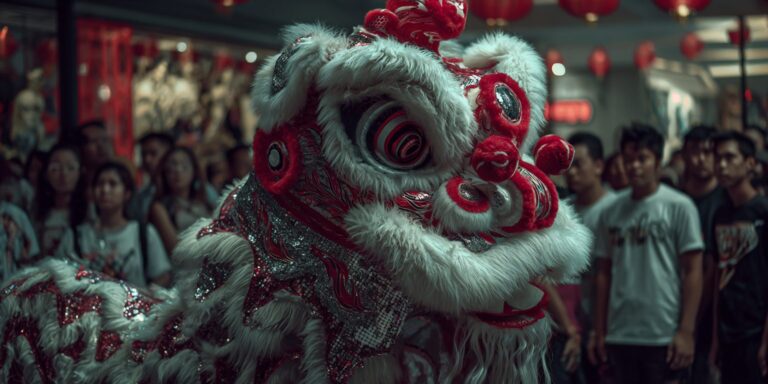
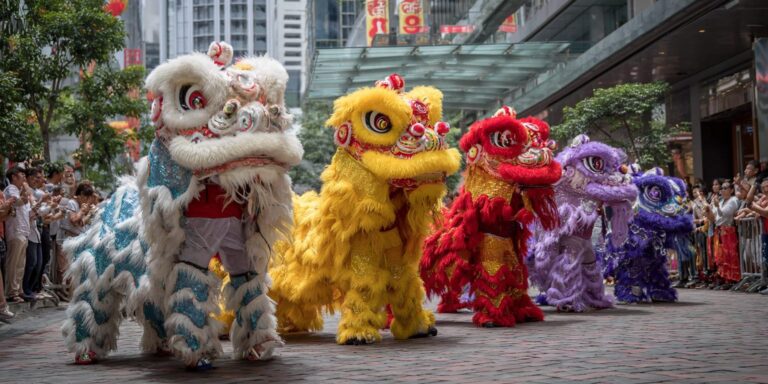
The meaning of lion dance colours – symbolism and modern trends in Singapore is a vibrant reflection of the city’s multicultural celebrations and evolving traditions. Each lion dance costume color—whether red, gold, green, or the increasingly popular blue and silver—carries deep-rooted symbolism that shapes the atmosphere of Chinese New Year festivities, business openings, and other cultural events.
From representing prosperity and luck to signifying peace or courage, these colors serve both aesthetic and spiritual roles in Singapore’s Southern lion dance traditions.
Modern lion dance troupes in Singapore are innovating beyond traditional boundaries by introducing new color combinations, multimedia elements, and contemporary choreography to enhance audience engagement. Despite these innovations, the cultural symbolism of lion dance costumes remains central to their role in rituals for business prosperity and festive celebrations.
This blend of heritage and creativity ensures that the art of lion dance not only preserves its symbolic roots but also stays relevant in today’s dynamic event landscape.
Meaning of Lion Dance Colours in Singapore
Lion dance colours hold deep significance in Singapore, shaping the atmosphere and intent of every performance. The choice of colour is never random—it’s a language of its own, speaking to tradition, prosperity, and celebration. For centuries, each shade woven into a lion costume has carried symbolic weight, influencing everything from business openings to major cultural festivals.
While traditional lion dance colours like red, gold, and green remain central to rituals and celebrations, the scene in Singapore is evolving. Innovative troupes are now introducing vibrant hues like blue and silver into their costumes. These modern touches don’t just add visual flair; they reflect the city’s creative spirit and its blend of old and new.
Today’s performances often combine multimedia effects and contemporary choreography, but the underlying symbolism of colour continues to anchor every show. For businesses seeking luck or families wishing for health and happiness, selecting the right lion dance colour can be a meaningful act. Whether you’re aiming for prosperity or peace, understanding these colours helps you get more out of your event.
Wolf Events is happy to guide you through the options—just reach out on WhatsApp or use our contact form for tailored advice.
Traditional Symbolism of Lion Dance Colours
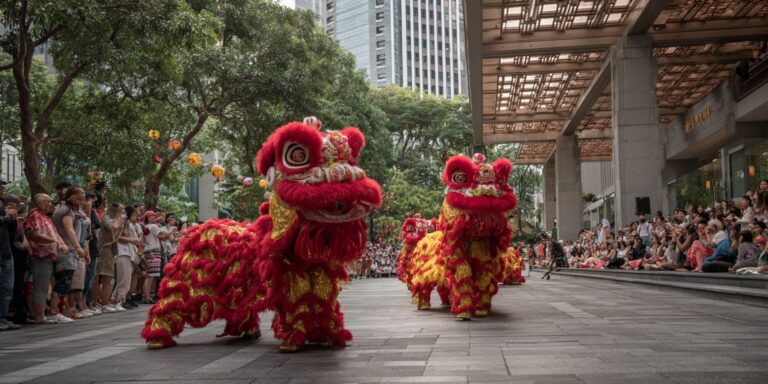
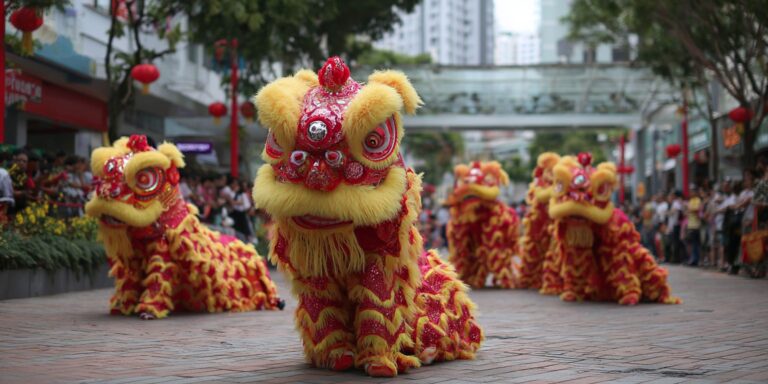
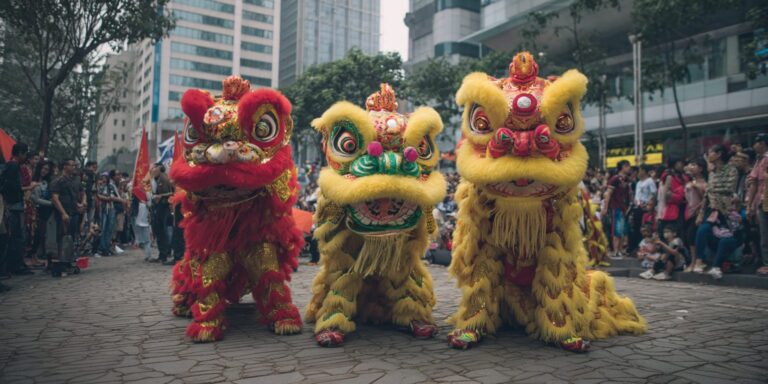
In Southern lion dance traditions commonly seen across Singapore, each colour tells a distinct story rooted in Chinese folklore. Red stands for good fortune and wards off evil spirits—a must for festive occasions and grand openings. Gold represents wealth and abundance, making it a favourite among businesses looking to attract prosperity at their launch events.
Green lions symbolise harmony, renewal, and growth. They’re often chosen by those seeking peace or marking new beginnings. These core colours are not just decorative—they’re chosen with intent to invoke specific blessings during performances.
Red, Gold, and Green – Core Meanings
Red is the heartbeat of any lion dance—it chases away negativity while inviting joy into homes and businesses alike. It’s almost always present at Chinese New Year celebrations in Singapore because people believe it brings fresh starts. Gold isn’t just about riches; it’s about amplifying success. Business owners love gold lions at their storefronts as part of their prosperity rituals.
Green lions are less common but hold quiet power—they offer hope for balance during times of change or growth.
Unique and Modern Lion Dance Colours
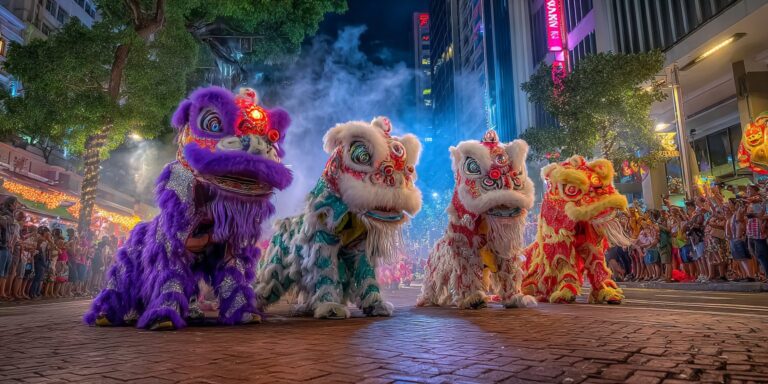
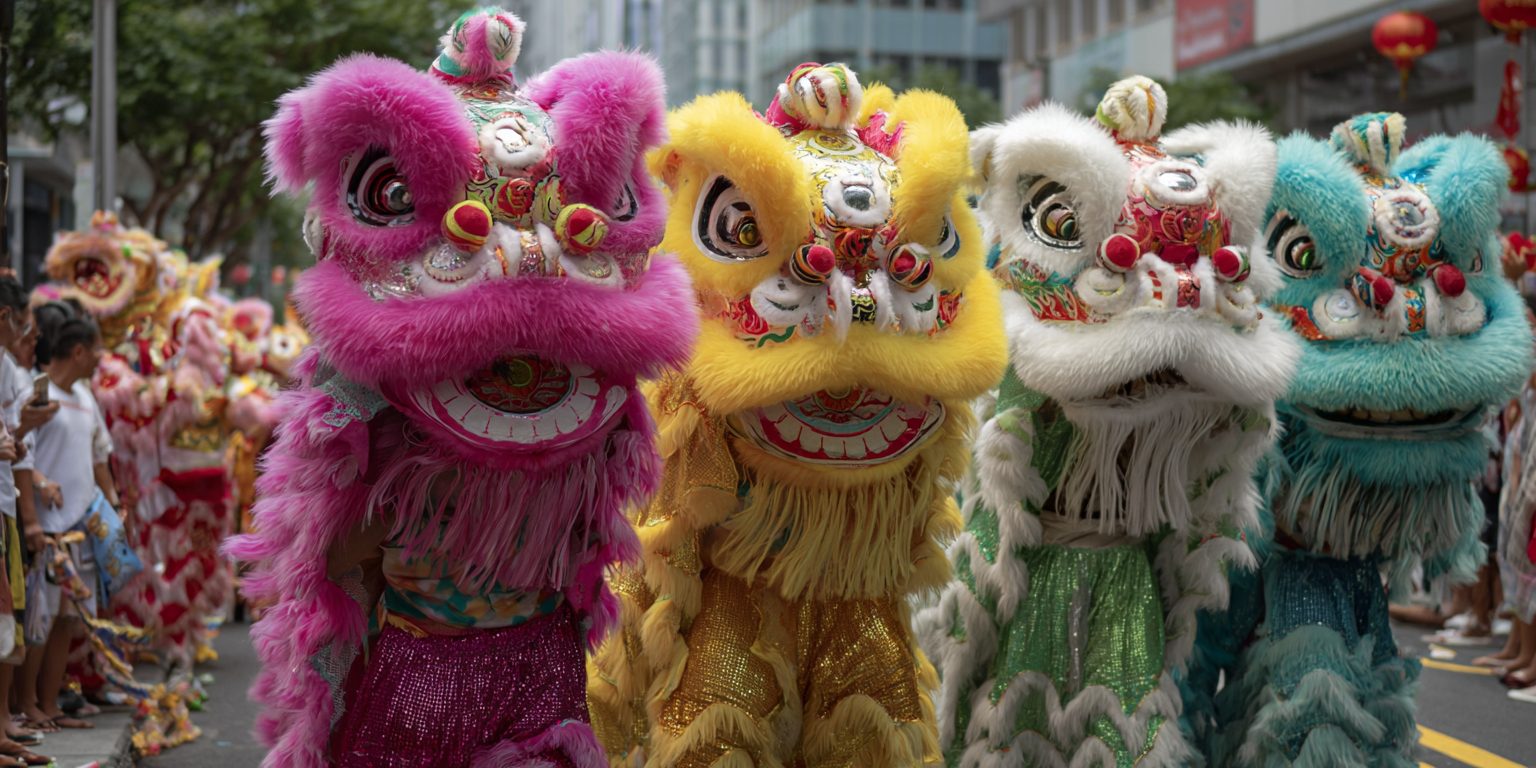
Singapore’s dynamic lion dance scene now features dazzling blue, silver, even purple costumes—colours once rarely seen on stage. These modern designs appeal to younger audiences while giving event organisers more creative freedom. Blue lions are emerging as symbols of calmness and innovation—ideal for tech launches or corporate milestones. Silver costumes add a touch of elegance to gala events or high-profile openings.
While these newer hues may not carry centuries-old meanings yet, they show how tradition adapts without losing its soul. If you want your next event to stand out with a unique lion dance performance—or need guidance picking colours that match your wishes—Wolf Events will customise every detail for you.
Wolf Events Fact Machine
Did you know? In Singapore, some modern lion dance troupes use blue costumes to represent technology and progress—reflecting the nation’s drive for innovation while still honouring traditional roots.
Lion Dance in Singaporean Celebrations
Lion dance continues to be a vibrant thread running through Singapore’s cultural tapestry. Whether it’s Chinese New Year, Mid-Autumn Festival, or a major business launch, the pounding drums and swirling colours of the lion dance set the tone for celebration and good fortune. While rooted in tradition, today’s lion dance performances in Singapore are anything but static.
Troupes now incorporate multimedia effects, modern choreography, and even bold new costume colours like gold, silver, and blue to captivate audiences and keep the art form fresh for every generation. Every detail of a lion dance performance holds meaning. Traditional costumes—especially those in red and gold—symbolise luck and wealth. Recently, less common hues such as blue and silver have gained popularity for their aesthetic appeal and their association with new beginnings or purity.
This evolving palette allows businesses and families to select lions that best match their aspirations for each occasion. As you plan your next event or grand opening, consider how the right lion dance can set a positive tone for the future.
Lion Dance for Business Openings and Prosperity
Businesses across Singapore rely on lion dance performances to attract prosperity from day one. The presence of the lion is believed to drive away negative energy while inviting good fortune—a belief that remains strong among both traditionalists and modern entrepreneurs. Southern lion dance styles are especially popular at openings because their powerful movements and thunderous drums are said to stir up auspicious qi (energy) around a new space.
Choosing the right costume colour can add a layer of intention to your event. Red and gold lions remain favourites due to their strong associations with luck, wealth, and celebration. For businesses wishing to stand out or signal innovation, blue lions have become trendy in recent years—symbolising calm success and a fresh start.
Green costumes often represent growth or harmony with nature, which appeals to eco-conscious brands. As more companies embrace these nuanced choices, it’s wise to seek advice from specialists like Wolf Events when booking your next performance.
Integration with Bian Lian and God of Fortune Mascot
Singaporean celebrations have become more dynamic as event organisers blend multiple traditional acts for an unforgettable experience. Lion dance troupes frequently collaborate with Bian Lian (mask changing) performers and God of Fortune mascots at business launches or festive gatherings. This integration brings together powerful symbols – the agility of the lion, the magical transformation of Bian Lian masks, and the auspicious blessings from the God of Fortune.
The interplay between these acts creates visual excitement while amplifying positive energy at any event. Businesses especially value this combination because it maximises audience engagement while reinforcing themes of luck, transformation, and abundance—all vital for a successful start or prosperous year ahead.
Innovations and Trends in Lion Dance Costumes
Lion dance costumes in Singapore are evolving in remarkable ways. Today’s designs blend centuries-old symbolism with daring new colour palettes. While red and gold continue to dominate for their associations with luck and prosperity, modern troupes have started using metallic shades like gold and silver, as well as bold hues such as blue.
These choices go beyond tradition, adding visual impact and drawing fresh attention during performances at business openings, major festivals, and private events. Troupes are also refreshing their choreography to match the vibrancy of these updated costumes. Multimedia elements—LED lighting, synchronised music, and even interactive digital backdrops—are now part of the experience.
The result is a captivating performance that both honours heritage and excites contemporary audiences. As lion dance remains at the heart of Singapore’s most important celebrations, these innovations ensure the art form continues to grow in cultural relevance.
| Colour | Traditional Symbolism | Modern Usage |
|---|---|---|
| Red | Luck, Celebration | Festivals, Business Openings |
| Gold | Wealth, Prosperity | Business Events, Special Occasions |
| Green | Harmony, Growth | Environmental Events |
| Blue | Calm, Modernity | Contemporary Performances |
| Silver | Prestige, Innovation | Corporate Launches |
Contemporary Colour Choices and Their Impact
Singaporean lion dance troupes are redefining tradition through inventive colour selection. Blue lions have emerged in recent years—chosen not for historical symbolism but for their striking appearance under stage lights and their ability to captivate younger audiences. Silver accents create a sense of prestige during exclusive corporate functions or product launches.
While red and gold remain favourites for their deep-rooted meanings tied to good fortune and success, more businesses now consult experts when selecting lion colours to match event goals. A green lion may be chosen for an eco-themed celebration, while gold is still the top pick for grand openings seeking maximum auspiciousness.
These thoughtful decisions reflect a nuanced understanding of both heritage and audience engagement.
Balancing Tradition and Modernity in Performances
Lion dance in Singapore today is a delicate balance between respecting age-old customs and embracing innovation. Troupes often start performances with classic southern lion dance routines—rooted in martial arts forms from Shaolin Lohan Pai—before transitioning into choreographed sequences set to contemporary music or accompanied by dazzling light displays. This approach ensures that the cultural essence of lion dance is preserved even as performances become more dynamic.
Audiences enjoy both the comfort of familiar rituals and the thrill of new experiences. For businesses or families planning upcoming celebrations, choosing a troupe that understands this balance can make all the difference.
Expert Insights on Lion Dance Symbolism
Lion dance holds a special place in Singapore’s cultural scene, especially during major festivals and business openings. Each lion costume color carries unique symbolism – red and gold represent luck and prosperity, green signals growth and vitality, while newer colors like blue and silver bring fresh visual appeal to performances.
Today, troupes are choosing colors both for their traditional meanings and to suit modern tastes or event themes. Traditional southern lion dance types, such as the Hok San and Fut San, are still popular in Singapore. These lions differ in head shape and movement style, each linked to specific virtues like bravery, wisdom, or peace.
Modern troupes often blend these classic elements with creative choreography or multimedia effects. This approach keeps the art form relevant for younger audiences while honoring its heritage. At events like business launches or God of Fortune mascot appearances, the choice of lion costume can be strategic. Many companies in Singapore consult experts to select auspicious colors that align with their goals—whether attracting wealth or fostering harmony.
With evolving trends in costume design and performance, lion dance remains a living tradition that bridges the past and present.
| Lion Costume Color | Traditional Symbolism | Modern Usage |
|---|---|---|
| Red & Gold | Good fortune, prosperity | Business openings, Chinese New Year |
| Green | Growth, harmony | Wellness events, eco-themed launches |
| Blue | Peace, new beginnings | Contemporary celebrations |
| Silver | Purity, innovation | Modern events, tech launches |
Common Questions
What do the different lion dance colours mean?
Red symbolizes good luck, gold represents wealth, and green denotes vitality. Other colors like black, yellow, and blue have specific meanings tied to historical figures or are used for aesthetic purposes.
Why are lion dance costumes so brightly colored?
Bright colors are used to attract positive energy, ward off evil spirits, and symbolize prosperity and celebration.
Is there a difference between Northern and Southern lion dance styles?
Yes, the Southern lion dance is predominant in Singapore and focuses on symbolic movements and colors, while the Northern style features more acrobatic elements and different costume designs.
How is lion dance used in business openings?
Lion dance is performed to bring good luck, fortune, and success to new businesses, with specific rituals and colors chosen to maximize auspicious energy.
Are there new trends in lion dance costume colors?
Yes, modern troupes are introducing colors like gold, silver, and blue for visual appeal, though these may not carry traditional symbolic meanings.
As you can see, the vibrant palette of lion dance colours in Singapore is more than just a feast for the eyes—it’s a living language steeped in cultural symbolism, business aspirations, and artistic innovation. Whether you’re drawn to the classic red and gold or the emerging trend of blue and silver costumes, each hue tells a unique story about prosperity, protection, and evolving tradition.
Curious about which lion dance colour might best suit your upcoming celebration or business opening? Explore more insights and expert tips on our website. For tailored advice or to bring these dynamic performances to your next event, don’t hesitate to Whatsapp Us or reach out via our Contact Form.