Dos and Don’ts During Lion Dance – Essential Etiquette for Singapore Events
Dos and Don’ts During Lion Dance – Essential Etiquette for Singapore Events are increasingly important as lion dance performances become a highlight at corporate and community gatherings across the island. With renewed emphasis on cultural respect, event organizers now provide clear audience guidelines to ensure safety and honor the rich traditions behind every performance.
Knowing how to behave—such as refraining from touching the lion’s head or tail, wearing auspicious colors, and understanding red packet giving—helps maintain the significance of this cherished art form.
Audience etiquette goes beyond passive observation; it involves mindful interaction with performers and adherence to established customs. Respecting boundaries, preparing appropriate attire, and following photography rules contribute to a successful event while honoring the symbolism embedded in each aspect of the lion dance. For both guests and hosts, understanding these essential dos and don’ts ensures that the lion dance remains a respectful celebration of Singapore’s multicultural heritage.
Dos and Don’ts During Lion Dance – Essential Etiquette
Lion dance performances have become a highlight at both corporate gatherings and community celebrations across Singapore. With this rise in popularity, understanding proper etiquette ensures that everyone—guests, organizers, and performers—enjoys the event safely and respectfully. The dos and don’ts are not just about following rules; they are about honoring the deep-rooted cultural traditions that make lion dance so meaningful.
Every aspect of the lion dance, from the costume’s head to its tail, carries powerful symbolism. Touching these parts without invitation can be seen as disrespectful and may disrupt the flow of good luck. Even small gestures like wearing the right colors or knowing when to give an ang bao (red packet) show appreciation for these customs.
As more multicultural audiences attend these events, being mindful of etiquette helps foster inclusion while preserving heritage. Organizers now play a key role in guiding audiences. Clear guidelines around photography, guest movement, and venue setup create a respectful environment for performers to shine. Whether you’re watching at a business launch or a festive street celebration, following essential etiquette amplifies the joy and meaning behind every lion dance.
| Dos | Don’ts | Reason |
|---|---|---|
| Wear red or auspicious colors | Wear black or white | Red brings luck; black/white are seen as inauspicious |
| Give ang bao with both hands | Hand ang bao carelessly | Both hands show respect |
| Stand at a respectful distance | Block or crowd the lion | Safety for all; clear space for performance |
| Ask before taking close-up photos | Use flash or interrupt performance | Flashes distract performers; interruptions break flow |
| Prepare venue with open space | Leave obstacles on performance route | Open space keeps dancers safe |
Why Lion Dance Etiquette Matters
Lion dance is more than just entertainment in Singapore—it’s a cherished tradition believed to bring prosperity, ward off evil, and unite communities. Observing etiquette shows respect not only to performers but also to centuries-old beliefs embedded in each movement and prop. The lion’s head represents authority and blessing; its tail symbolizes unity.
Mishandling these parts is considered taboo as it disrupts symbolic harmony. With increasing multicultural participation at corporate events, etiquette bridges gaps between tradition and modernity. It helps guests of all backgrounds appreciate why certain actions—like refraining from touching the costume or dressing in vibrant hues—matter so much to hosts and performers alike.
Key Dos for Lion Dance Audiences
Dress appropriately by wearing red or gold tones if possible—these colors invite good fortune during festivities. Always stand back and give the performers room to execute their acrobatic moves safely. If you wish to give an ang bao, hold it with both hands when presenting it to the lion’s mouth or paw as a sign of respect.
Photography is allowed at most events but ask before getting too close or using flash. Listen carefully if organizers brief you on specific rules before the show starts—these instructions help keep everyone safe while honoring tradition.
Important Don’ts to Avoid
Never touch the lion’s head or tail unless specifically invited by performers. These costume parts carry spiritual significance—touching them out of turn is deeply disrespectful in Chinese culture. Don’t wear all-black or all-white outfits as these colors are associated with mourning rather than celebration. Avoid crowding around the dancers or blocking their path—obstructing their movement can be hazardous for both performer and audience.
Refrain from using camera flashes during the performance since sudden lights can distract dancers mid-stunt. If you’re unsure about anything, ask event staff or organizers—they’re there to help everyone enjoy a harmonious celebration.
Wolf Events Fact Machine
During a lion dance performance, touching the lion’s head without invitation is considered highly disrespectful—this is because the head represents power and good luck in Chinese tradition.
Symbolism and Cultural Significance of Lion Dance
The lion dance is more than just a lively performance—it’s a living tradition deeply rooted in Chinese culture, especially in Singapore’s multicultural society. Every leap and drumbeat carries centuries-old symbolism, believed to bring good fortune, ward off evil spirits, and unite communities during major celebrations. Whether at Chinese New Year, corporate openings, or weddings, the lion dance is both a spectacle and a ceremony that signals prosperity and harmony for all present.
Corporate events in Singapore now regularly feature lion dances as symbols of success and new beginnings. With these traditions gaining popularity outside the home, there’s renewed emphasis on understanding the etiquette involved. Organizers are educating guests about respectful audience behavior—like refraining from touching the lion or blocking its path—to preserve the dignity of this cherished art form.
Such awareness ensures that both cultural meaning and safety are upheld at every event.
| Do | Don’t | Reason |
|---|---|---|
| Give ang bao with both hands | Touch the lion’s head or tail | Shows respect for tradition |
| Wear auspicious colors (red/gold) | Wear black/white | Red/gold attract luck; black/white are seen as inauspicious |
| Keep walkways clear | Block or interrupt performers | Ensures smooth performance and safety |
| Ask before taking photos/videos | Use flash without permission | Prevents distracting performers |
Meaning Behind the Lion’s Head, Tail, and Costume
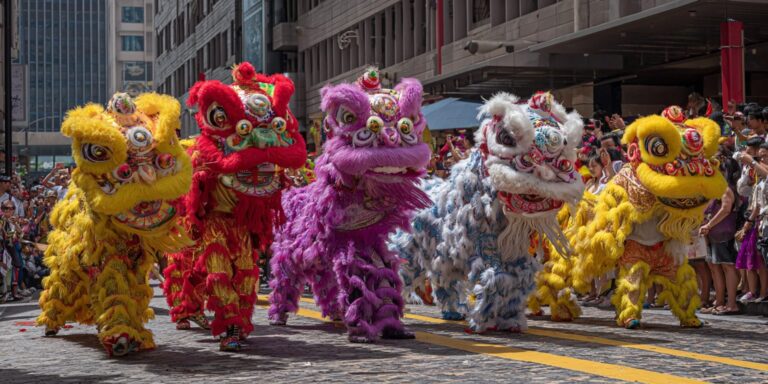
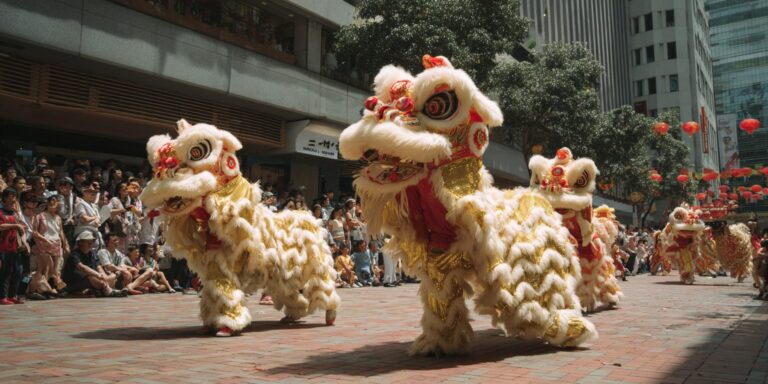
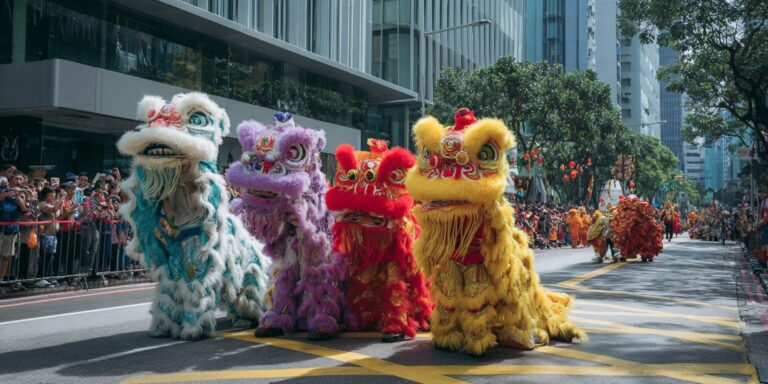
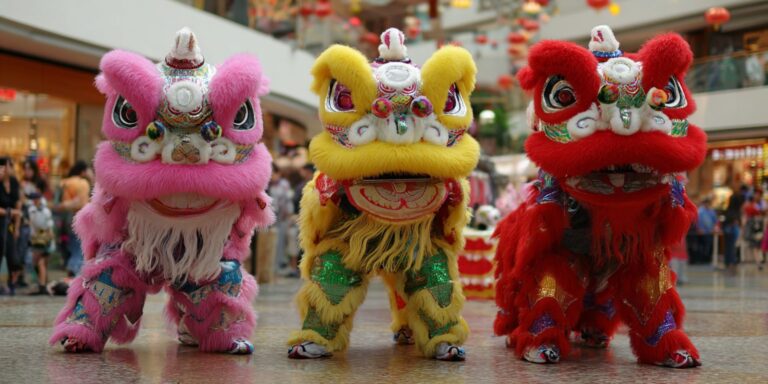
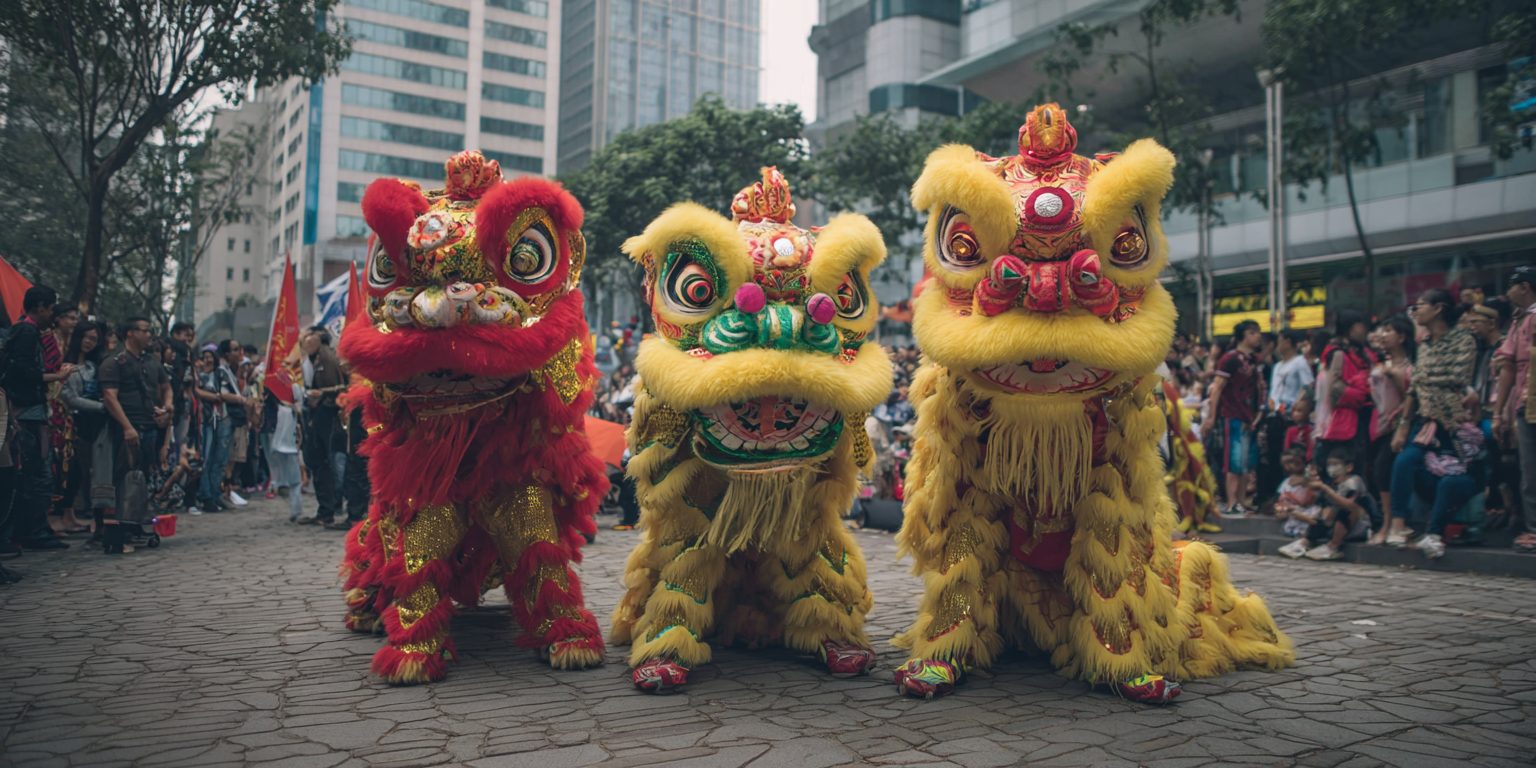
Every part of the lion costume carries specific meaning. The head represents wisdom and power; it’s crafted with expressive eyes and a movable mouth to convey emotion and life. This is why touching the lion’s head is strictly avoided—doing so is considered disrespectful to both the spirit of the lion and the performers.
The tail symbolizes unity and teamwork. Dancers must move in perfect sync to animate the lion convincingly; any disruption to their rhythm can affect not only performance but also safety. The costume itself is often adorned with intricate patterns, fur trimmings, and bright colors—all designed to amplify auspiciousness and impress both deities and audiences alike.
The Role of Colors and Attire
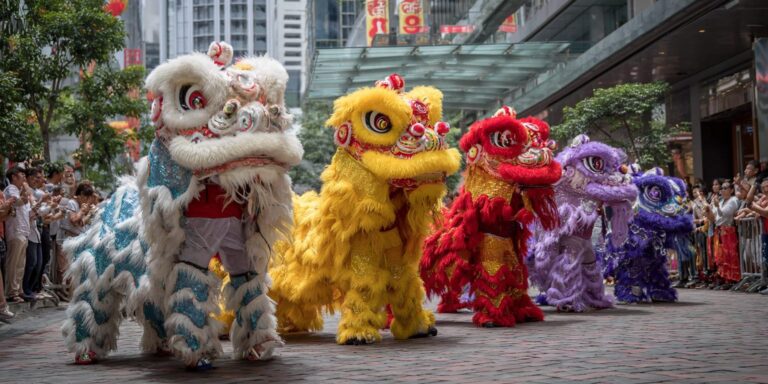
Colors play a crucial role in lion dance performances. Red stands for luck and joy; gold signals wealth; green suggests growth; black can represent courage but is less common for celebratory events. Audiences are encouraged to wear red or gold during lion dances to align with positive energy. Event organizers now brief guests on appropriate attire, especially for corporate gatherings where diverse cultures are represented.
Black or white clothing should be avoided as these colors are traditionally linked to mourning. Dressing thoughtfully helps everyone participate in uplifting the event’s atmosphere.
Red Packet (Ang Bao) Traditions During Lion Dance
Presenting a red packet, or ang bao, to lion dance performers is a deeply rooted tradition in Singapore. The red packet symbolizes good luck, prosperity, and gratitude towards the performers who bring blessings through their art. It’s more than a token of appreciation; it’s a gesture that honors the effort, discipline, and cultural significance behind each performance.
Recent years have seen lion dance events become even more prominent at corporate gatherings and multicultural celebrations. With this rise in popularity comes a renewed focus on etiquette. Organizers now actively guide guests on respectful audience behavior—such as not touching the lion’s head or tail and wearing auspicious colors like red or gold—to ensure that every performance is both safe and culturally respectful.
The act of giving an ang bao is highlighted as a key moment of interaction between the audience and the troupe, reinforcing mutual respect and shared celebration. For hosts planning a lion dance event in Singapore, attention to these traditions demonstrates cultural awareness and sets the tone for a positive experience.
It’s also essential to brief guests on dos and don’ts—like refraining from intrusive photography or blocking the performers’ path—to foster an atmosphere of reverence. Wolf Events recommends discussing specific etiquette with your chosen troupe ahead of time to ensure everyone feels confident and included during this iconic ritual.
How and When to Present Red Packets
The ideal moment to present your red packet is after the lion completes its blessing sequence, often signaled by a pause in drumming or when the lion bows. Always use both hands to offer the ang bao; this gesture reflects sincerity and respect for the performers’ craft. If you’re hosting at a corporate venue or large event, prepare your packets in advance and designate someone familiar with tradition to handle distribution smoothly.
Avoid handing over ang baos while the lion is mid-performance or during acrobatic segments—wait until there’s clear eye contact or acknowledgment from the performer inside the lion costume. Never tuck packets into parts of the costume unless invited; typically, you’ll place them in the lion’s mouth when prompted by a gentle bow from the lion.
For joint events featuring other traditional acts like Mask Changing (Bian Lian) or God of Fortune Mascots, apply similar etiquette – wait for appropriate breaks, present with both hands, and always address performers directly. If you’re unsure about timing or procedure, ask your event partner or reach out to professionals like Wolf Events for guidance—they are happy to brief your team so everyone feels comfortable honoring this cherished custom.
Photography and Videography Etiquette
Lion dance performances are a highlight at both corporate and community events across Singapore, drawing crowds eager to capture the vibrant energy on camera. While it’s natural to want photos or videos, it’s important to balance this desire with deep respect for tradition and performer safety. Organisers now routinely brief guests on appropriate photography etiquette, especially as performances often involve close interaction with the audience.
Respecting the symbolic elements of the lion costume is crucial—never obstruct or touch the lion’s head or tail while snapping a photo. Many don’t realise that these parts hold significant cultural meaning, and mishandling them is considered disrespectful. Wearing auspicious colours such as red or gold not only brings good luck but also signals appreciation for the event’s cultural roots.
Event hosts are encouraged to remind guests of these customs before performances begin.
Capturing the Moment Respectfully
Photographing a lion dance should never interfere with the sacred flow of the performance. Always stay outside designated performance zones, even if you’re eager for a perfect shot. Flash photography can startle both dancers and musicians, so keep devices on silent and disable flashes. If you wish to capture group photos after the performance, wait until performers signal it’s appropriate—never interrupt their routine or rituals.
When sharing images online, give credit to performers and organisers like Wolf Events to support Singapore’s thriving arts scene. If in doubt about any aspect of etiquette, ask your host or contact Wolf Events directly via WhatsApp or our Contact Form before your event.
Preparing the Venue and Audience for Lion Dance
A successful lion dance performance in Singapore starts well before the drums sound. Organisers must consider the space needed for the lion’s energetic movements and ensure clear pathways for performers. The venue should be free of obstructions, with fragile items and low-hanging decorations removed to avoid accidents. This not only protects the performers but also preserves the elaborate costumes, which are sacred in Chinese tradition.
Briefing guests on proper etiquette is equally important. Many attendees may be unfamiliar with the cultural significance of the lion dance, especially at corporate or multicultural events. Providing simple guidelines on respectful audience behaviour, such as refraining from touching the lion’s head or tail and understanding when it is appropriate to offer ang bao, helps maintain a dignified atmosphere.
Remind guests that certain actions, like blocking the lion’s path or wearing inauspicious colours, can disrupt both the performance and its intended blessings. For those planning large-scale events or inviting other traditional acts like Bian Lian or God of Fortune Mascots, coordination is key. Ensure that all performers have adequate space and that transitions between acts are smooth and respectful.
Thoughtful preparation demonstrates appreciation for Singapore’s rich cultural heritage and ensures a memorable experience for everyone involved.
Creating a Safe and Respectful Environment
Respecting lion dance traditions means more than just watching quietly. Audiences should avoid touching the lion’s head or tail—these parts carry deep symbolism in Chinese culture. The head represents power and luck, while the tail embodies unity; both are considered sacred by performers. Even curious children should be gently reminded of this rule.
Appropriate attire sets the tone for a respectful event. Red and gold are favoured as they attract luck, while black or white are best avoided due to their association with mourning. Organisers can encourage these choices in invitations or pre-event briefings. The giving of ang bao (red packets) is another highlight—this should be done with both hands, ideally guided by event hosts if guests are unsure.
When photographing or recording performances, maintain a respectful distance and avoid obstructing the dancers’ path. Flash photography can distract performers, so turn it off if possible. Establishing clear boundaries between audience areas and performance zones keeps everyone safe. If your event features multiple traditional acts—such as mask changers or mascots—brief your guests on interacting appropriately with each performer.
Wolf Events specialises in seamless venue preparation and guest briefings for lion dance performances across Singapore.
Lion Dance Etiquette for Corporate and Multicultural Events in Singapore
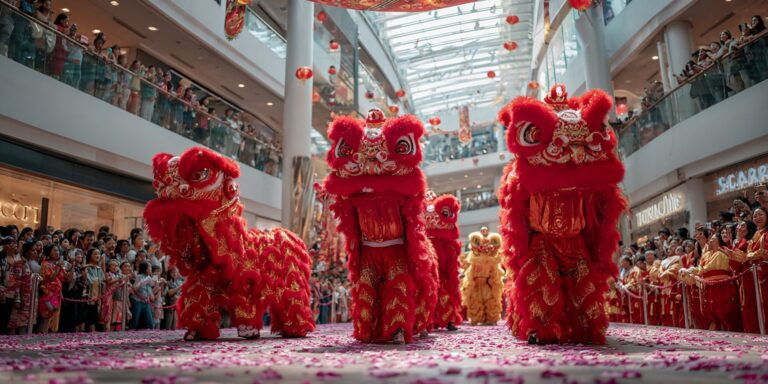
Lion dance performances have become a defining feature at corporate and multicultural events across Singapore, blending tradition with modern celebrations. As more businesses and organizations include lion dance as part of their annual gatherings, it is essential to observe proper etiquette. Respecting the customs not only honors the performers but also reflects well on your company or community.
Audience behavior plays a key role in maintaining the sanctity of the performance. Avoid touching the lion’s head or tail, as these parts hold deep symbolic meaning. The head represents power and good fortune, while the tail symbolizes unity—both should remain untouched by spectators. Guests are encouraged to wear auspicious colors like red or gold, which symbolize luck and prosperity during these festive occasions.
Organizers can create a welcoming and respectful environment by preparing clear guidelines for attendees. This includes safe distances from performers, instructions on giving red packets (ang bao), and reminders about appropriate photography. A little preparation goes a long way in preserving cultural significance while ensuring everyone enjoys the vibrant spectacle.
For expert advice or to book a performance that observes all proper traditions, message Wolf Events on WhatsApp or use our Contact Form.
Common Questions
What should you not do during a lion dance performance?
Do not touch the lion’s head, tail, or costume unless invited; avoid blocking or distracting the performers; do not wear white or black, as these colors are inauspicious; and never jump over the lion, even if the costume is empty.
Is it appropriate to give red packets (ang bao) to lion dancers?
Yes, offering red packets to lion dancers is a traditional gesture that brings good luck and is highly appreciated by performers.
Can you take photos or videos during a lion dance?
You may take photos or videos, but avoid using flash, do not block the view of others, and always follow any specific guidelines provided by the event organizers.
What should you wear to a lion dance event?
Wear bright, festive colors such as red or gold to symbolize luck and celebration; avoid white or black, which are associated with mourning.
Why is it disrespectful to touch the lion’s head or tail?
The lion’s head and tail are symbolic, representing strength and dignity; touching them without permission is seen as disrespectful to the tradition and the performers.
Mastering the dos and don’ts of lion dance etiquette isn’t just about following rules—it’s about embracing the deeper cultural meaning behind every move, color, and gesture. Whether you’re an event organizer, a first-time audience member, or a seasoned participant, showing respect to these traditions ensures that everyone enjoys an authentic and harmonious experience.
If you’re keen to go beyond the basics or want expert advice for your upcoming event, don’t stop here. Browse around our website for more tips and insights on lion dance etiquette, symbolism, and best practices. Ready to book a performance or have questions? Whatsapp Us or reach out through our Contact Form today!