Origins of Cai Shen Ye God of Fortune in Chinese Culture – History, Myth, and Modern Celebrations in Singapore
The origins of Cai Shen Ye God of Fortune in Chinese culture – history, myth, and modern celebrations in Singapore have gained renewed attention as Chinese communities worldwide emphasize the preservation of traditional rituals. Recent scholarship and cultural events highlight how Cai Shen Ye’s roots are deeply intertwined with ancient folklore, Taoist beliefs, and evolving prosperity rituals, while modern temples in China and dynamic celebrations in Singapore illustrate his enduring presence.
The historical and mythological background of Cai Shen, including his many incarnations and symbolic representations, continues to shape how he is honored during Chinese New Year and other important festivities.
In Singapore, Cai Shen Ye’s influence extends beyond religious worship into vibrant public celebrations and commercial activities. Contemporary lion dance performances, Bian Lian mask-changing acts, and God of Fortune mascot appearances at business openings increasingly incorporate Cai Shen symbolism to attract prosperity. These practices reflect both the adaptation of traditional beliefs in a multicultural setting and the growing demand for prosperity-themed events within urban communities.
By exploring the transformation of Cai Shen’s image from ancient deity to modern icon, this article examines his significance across history, myth, and present-day celebrations in Singapore.
Origins of Cai Shen Ye God of Fortune in Chinese Culture
Cai Shen Ye, known widely as the God of Fortune, has long captivated both scholars and the public with his legendary origins. In 2025, renewed interest in Cai Shen’s roots has swept through Chinese communities worldwide, inspiring deeper exploration into the mythological and historical narratives that shaped this iconic deity.
His enduring relevance is especially apparent during traditional festivals, where rituals invoking prosperity remain central to communal identity. Large temples dedicated to Cai Shen have appeared across China, notably the grand complex in Zhouzhi, Xi’an, underscoring his continued significance in modern folk religion. In Singapore, Cai Shen’s image is not just confined to temples; it comes alive through lion dance performances and vibrant mascot appearances at business openings and festive gatherings.
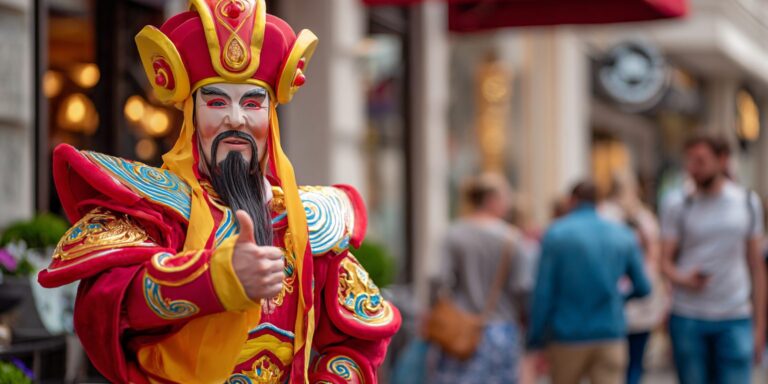
Companies like Wolf Events have embraced these traditions, integrating Cai Shen symbolism into their God of Fortune mascot services to reflect current cultural trends while supporting local businesses’ aspirations for abundance.
| Aspect | Traditional Practice | Modern Adaptation |
|---|---|---|
| Cai Shen Worship | Offerings at home altars during New Year | Public temple ceremonies and corporate events |
| Symbolism in Rituals | Depicted holding gold ingots and scrolls | Mascot costumes used for prosperity blessings |
| Community Role | Family-centered prayers for wealth | Business-centric performances by event companies |
Mythological and Historical Figures Associated with Cai Shen
The origins of Cai Shen are layered with myth and history. Ancient sources often identify him with figures like Zhao Gongming—a fearsome general from folklore who later became venerated as a god responsible for driving away evil and attracting wealth. Other accounts mention Bi Gan, a loyal minister from the Shang dynasty whose tragic end earned him posthumous reverence as a bringer of fortune.
Recent research highlights how different regions in China favored distinct versions of Cai Shen, resulting in a rich tapestry of legends. This diversity is mirrored in Singapore’s multicultural celebrations, where God of Fortune mascots often incorporate elements from multiple traditions. Contemporary lion dance troupes also draw inspiration from these stories, blending mythology with performance art to create experiences that feel both authentic and relevant.
Canonization and Transformation into God of Wealth
Cai Shen’s transformation from mortal or mythic hero to divine patron of riches was a gradual process shaped by centuries of ritual and storytelling. During the Song and Ming dynasties, local cults began formally recognizing him as the God of Wealth—integrating his worship into official Taoist ceremonies.
His image evolved over time – once depicted as a stern military figure, he gradually took on more benevolent features, often shown carrying gold ingots or riding a black tiger. In modern urban centers like Singapore, this transformation is reflected in how event companies present Cai Shen—balancing traditional symbolism with contemporary appeal.
The God of Fortune is no longer limited to static icons; he now interacts directly with audiences at festivals and business launches. Wolf Events’ God of Fortune mascots capture this spirit perfectly – they embody centuries-old reverence while making prosperity blessings accessible to everyone through engaging performances.
Wolf Events Fact Machine
The largest temple dedicated to Cai Shen Ye was completed in Zhouzhi, Xi’an, Shaanxi province in 2015—demonstrating that worship of the God of Fortune is not just a relic of the past but an evolving practice with major new sites appearing well into the 21st century.
Cai Shen Ye in Chinese New Year and Folk Religion
Cai Shen Ye, also known as the God of Fortune, stands as one of the most beloved deities in Chinese New Year traditions and folk religion. His presence is deeply intertwined with hopes for prosperity and good fortune. In 2025, interest in Cai Shen Ye’s mythological origins has surged, fueled by research and cultural events aimed at preserving these traditions across Chinese communities worldwide.
The construction of impressive temples dedicated to Cai Shen, such as the one in Zhouzhi, Xi’an, reflects how his role endures in both spiritual practice and community gatherings. Modern Singaporean celebrations increasingly highlight Cai Shen Ye not only through temple rituals but also via vibrant performances. Lion dance troupes and God of Fortune mascots now incorporate his symbolism to attract wealth, blending ancient beliefs with contemporary entertainment.
This adaptation keeps Cai Shen relevant in a fast-changing urban landscape while supporting the commercial demand for prosperity-driven rituals among businesses and families alike. The ongoing evolution of Cai Shen Ye’s image showcases his flexibility within Taoism, folk religion, and performance arts. His depiction varies from majestic paintings to lively mascot appearances, demonstrating how tradition adapts to new environments without losing its core meaning.
Wolf Events continues to bring these traditions to life in Singapore, offering engaging Cai Shen-themed performances that honour both heritage and modern aspirations. Reach out via WhatsApp or our contact form to create an unforgettable festive experience.
Rituals and Symbolism in Traditional Celebrations
Traditional celebrations surrounding Cai Shen Ye are rich with ritual and symbolism designed to invite prosperity into homes and businesses. During Chinese New Year, devotees visit temples at midnight to offer incense and seek blessings from Cai Shen. Many perform the welcoming ritual by opening doors at auspicious hours, symbolically inviting the deity inside.
In Singapore’s multicultural setting, these rituals have expanded beyond religious practice into commercial spaces. Businesses often invite God of Fortune mascots—especially during grand openings or festive periods—to distribute golden ingots or red packets representing luck. Lion dance performances frequently incorporate Cai Shen imagery or feature Bian Lian mask changing artists who reveal the deity’s visage during their act, further amplifying the sense of auspiciousness.
Wolf Events specializes in integrating these time-honoured symbols into modern events, ensuring that every performance channels authentic prosperity energy while captivating audiences of all ages.
Depictions of Cai Shen Ye in Art and Performance
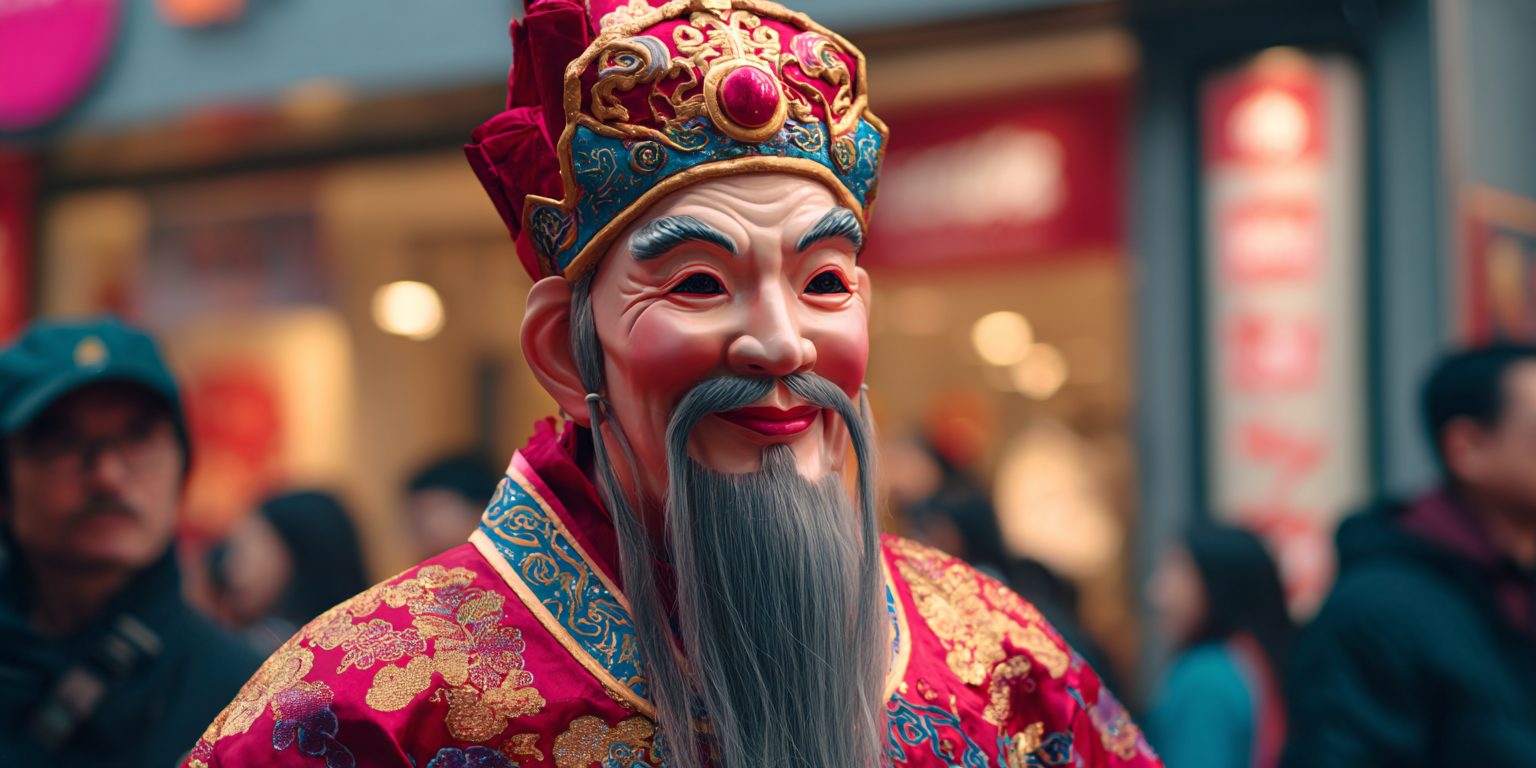
Cai Shen Ye’s visual representation has transformed over centuries but always emphasizes his role as a benevolent bringer of wealth. Traditional art depicts him dressed in imperial robes holding a golden scepter or ingot—symbols recognized instantly across Asia. These images appear on door couplets, lanterns, and festive banners during Chinese New Year.
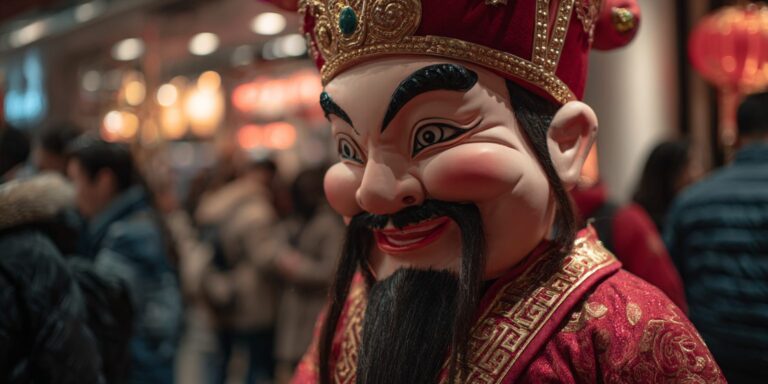
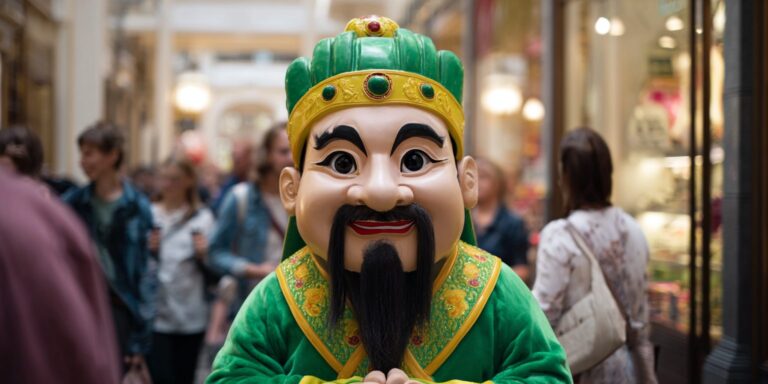
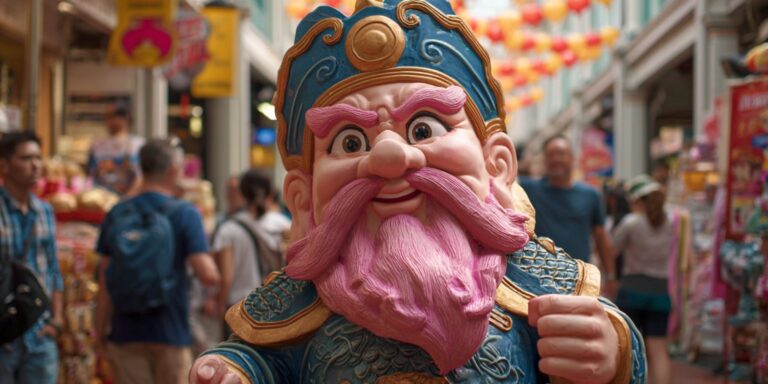
Performance arts have embraced these depictions too. In Singapore today, lion dance troupes regularly collaborate with God of Fortune mascots who embody Cai Shen’s appearance—complete with flowing beards and ornate headdresses—to heighten the spectacle for audiences. Bian Lian artists sometimes reveal a mask of Cai Shen as part of their act, drawing cheers for this dramatic transformation that signifies sudden arrival of good fortune.
Wolf Events brings these artistic traditions alive through expertly crafted costumes and choreography that reflect both historical reverence and contemporary flair.
Cai Shen Ye in Modern Singaporean Cultural Events
Cai Shen Ye, the God of Fortune, holds a timeless place in Chinese culture, and his presence feels more vital than ever in Singapore’s vibrant multicultural landscape. Recent events in 2025 have shown a surge of interest in reconnecting with Cai Shen’s historical origins, as communities across Singapore strive to preserve traditions that foster unity and prosperity.
The construction of new temples dedicated to Cai Shen in China—like the impressive site in Zhouzhi, Xi’an—demonstrates how deeply he is woven into both spiritual and everyday life. Singapore’s embrace of Cai Shen Ye extends beyond temples and altars. He now features prominently in modern performance arts, commercial mascot services, and corporate rituals designed to attract good fortune.
This fusion of tradition with contemporary celebration signals how adaptable Cai Shen’s image has become. He is no longer just a figure for New Year festivities but an enduring symbol at the heart of business openings, shopping mall launches, and community gatherings throughout the year. As Singapore continues to evolve as a global city, Cai Shen Ye’s role has also transformed.
Cultural events often blend age-old mythological symbolism with creative performances such as lion dance and Bian Lian mask changing. These lively displays not only entertain but also serve as a bridge between generations—ensuring that the spirit of prosperity remains fresh and meaningful for both young audiences and elders alike.
| Aspect | Traditional Role | Modern Adaptation |
|---|---|---|
| Worship & Rituals | Offerings during Chinese New Year | Year-round business blessings |
| Performance Arts | Temple fairs & folk festivals | Lion dance & Bian Lian shows |
| Community Impact | Family prosperity prayers | Corporate events & community launches |
Lion Dance and God of Fortune Mascot Services
Lion dance performances have always been central to Chinese celebrations in Singapore, but today they are inseparable from the vibrant presence of Cai Shen Ye mascots. The God of Fortune is now a fixture at business launches, mall openings, and festive occasions where prosperity is paramount. By merging traditional lion dance choreography with Cai Shen’s symbolism—gold ingots, scrolls bearing auspicious words, and signature red robes—these performances generate excitement while invoking centuries-old blessings.
Wolf Events leads the way by integrating authentic Cai Shen imagery into every God of Fortune mascot appearance. The response from clients is overwhelmingly positive; businesses report increased footfall during promotional campaigns featuring these mascots. For families celebrating milestone occasions or communities launching new initiatives, booking a lion dance with a Cai Shen mascot delivers both entertainment and an extra boost of good luck.
Bian Lian—Sichuan opera’s mesmerizing art of face-changing—has found fresh relevance in Singapore by incorporating deities like Cai Shen Ye into its repertoire. Performers swiftly transform masks depicting various mythological figures, culminating in the striking visage of the God of Fortune. This theatrical flourish isn’t just visually stunning; it resonates deeply with audiences who recognize Cai Shen as an enduring symbol of abundance.
Bian Lian Mask Changing and Cai Shen Symbolism
The connection between Bian Lian mask changing and Cai Shen runs deeper than spectacle alone. It reflects how traditional beliefs adapt to new forms while retaining their original power. Wolf Events’ curated Bian Lian acts often close with a reveal of Cai Shen’s face—a moment that elicits cheers and sets a tone of optimism for any gathering.
This blend of artistry and cultural homage is perfect for corporate dinners or public celebrations seeking a memorable highlight.
In 2025, prosperity rituals have evolved well beyond incense offerings or paper talismans exchanged during Chinese New Year. Modern businesses in Singapore increasingly turn to symbolic ceremonies led by God of Fortune mascots or accompanied by lion dance troupes to usher in wealth for grand openings or major launches. These rituals strike a balance between tradition and innovation—honoring ancient beliefs while adapting them to fast-paced commercial settings.
Contemporary Business Prosperity Rituals
Wolf Events specializes in designing bespoke prosperity ceremonies that reflect each client’s goals while infusing every detail with authentic Cai Shen symbolism. Whether you’re opening a new outlet or marking an anniversary milestone, engaging these services adds gravitas—and good fortune—to your occasion.
Cai Shen Ye, the God of Fortune, remains a powerful symbol of prosperity and good luck in Chinese culture. In 2025, renewed scholarly attention and vibrant cultural events continue to highlight his historical origins and mythological significance. As global Chinese communities seek to preserve and rejuvenate their traditions, Cai Shen’s role has only grown more pronounced, especially during major celebrations like Chinese New Year.
Enduring Influence and Relevance of Cai Shen Ye
The construction of grand temples dedicated to Cai Shen—such as the impressive complex in Zhouzhi, Xi’an—demonstrates how his veneration is not a relic of the past but an ongoing cultural force. In cities like Singapore, Cai Shen’s image is ever-present in contemporary performance arts. Lion dance troupes and God of Fortune mascots often feature Cai Shen’s symbolism, weaving ancient mythology into commercial prosperity rituals.
This blend of tradition and modernity keeps his relevance alive for both new generations and established business communities. Wolf Events is at the forefront of this evolving cultural landscape in Singapore. By incorporating authentic Cai Shen elements into their lion dance, mask changing (Bian Lian), and mascot performances, they help businesses and families embrace both the spiritual depth and festive joy associated with the God of Fortune.
This blend of tradition and modernity keeps his relevance alive for both new generations and established business communities. Wolf Events is at the forefront of this evolving cultural landscape in Singapore. By incorporating authentic Cai Shen elements into their lion dance, mask changing (Bian Lian), and mascot performances, they help businesses and families embrace both the spiritual depth and festive joy associated with the God of Fortune.
For those looking to infuse their events with prosperity and meaning, messaging Wolf Events on WhatsApp or using their contact form is an effortless way to connect with this enduring legacy.
Common Questions
Who is Cai Shen Ye, the God of Fortune?
Cai Shen Ye is the Chinese God of Wealth and Prosperity, worshipped in Taoism and folk religion, especially during Chinese New Year for blessings of abundance.
What are the origins of Cai Shen Ye in Chinese culture?
Cai Shen Ye’s origins are traced to historical and mythological figures such as Chao Kung-ming and Bi Gan, who were canonized for their virtue and bravery after their deaths during the Shang dynasty.
How is Cai Shen Ye depicted in art and celebrations?
He is often shown riding a black tiger, holding a golden rod or cudgel, and surrounded by attendants carrying gold ingots and treasures, symbolizing wealth.
Why is Cai Shen Ye important during Chinese New Year?
Cai Shen Ye is invoked to bring luck and prosperity for the coming year, with rituals and performances like lion dance and God of Fortune mascots popular in Singapore.
What role does Cai Shen Ye play in modern cultural events?
Cai Shen Ye features prominently in lion dance, Bian Lian mask changing, and God of Fortune mascot performances, serving as a symbol of hope and prosperity for businesses and communities.
As Singapore continues to blend centuries-old tradition with vibrant modernity, the story of Cai Shen Ye—the God of Fortune—remains more relevant than ever. From his mythological origins to his ever-adapting role in festive celebrations and business rituals, Cai Shen’s enduring presence is a testament to the power of cultural heritage in shaping both personal and community prosperity.
Curious about how these ancient beliefs continue to shape Singapore’s performances and events today? Take some time to explore our website for deeper insights, expert opinions, and practical ways you can bring the spirit of Cai Shen Ye into your own celebrations. And if you’re ready to experience the magic firsthand, don’t hesitate to Whatsapp Us or reach out via our Contact Form—we’re always here to help you usher in prosperity!