Modern Interpretation of God of Fortune Mascot in Singapore – Symbolism, Trends & Event Impact
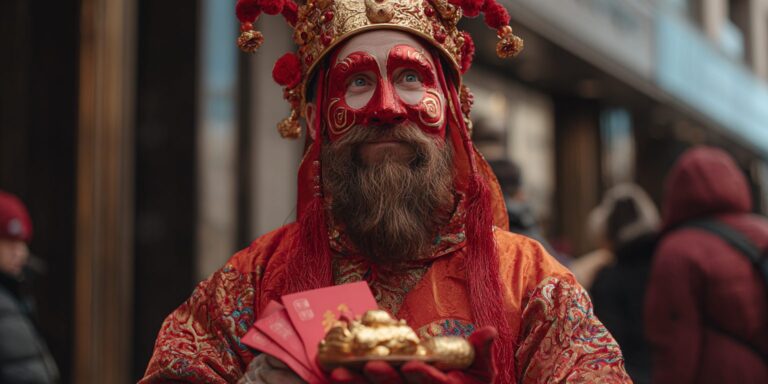
The modern interpretation of the God of Fortune mascot in Singapore – symbolism, trends & event impact highlights a dynamic blend of tradition and innovation. Recent designs, such as the 2025 Yisi Year Wealth Mascot, incorporate classic symbols like red treasure bowls and auspicious knots alongside contemporary elements—musical instruments, vibrant color palettes, and even playful features like sunglasses.
This evolution reflects a conscious effort to connect with diverse audiences through both cultural authenticity and modern appeal.
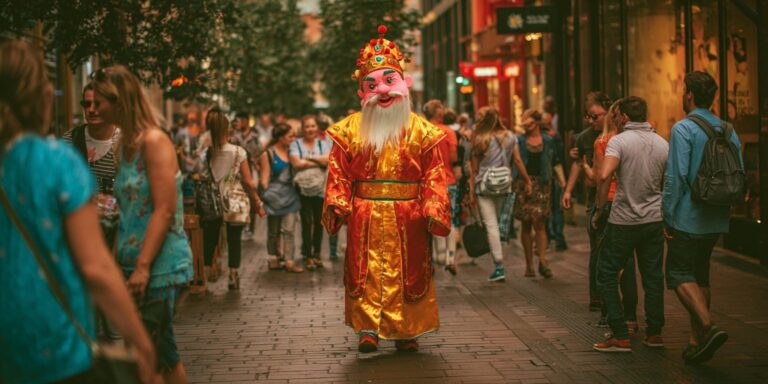
As festive events grow in scale and creativity across Singapore, God of Fortune mascots are increasingly customized for corporate branding, integrated with Lion Dance and Bian Lian performances, and styled in cartoon or anime aesthetics to resonate with younger participants. These design trends not only reinforce the mascot’s cultural significance but also expand its impact on event engagement and community outreach.
Industry insights from designers, event organizers, and cultural commentators further reveal how these mascots bridge traditional symbolism with contemporary experiences in Singapore’s multicultural celebrations.
Modern Interpretation of God of Fortune Mascot in Singapore
Singapore’s God of Fortune mascot has undergone an exciting transformation in recent years, embracing a blend of age-old tradition and playful modernity. Event organizers and designers now view the mascot as both a cultural symbol and an interactive character that can engage today’s digitally savvy and diverse audiences.
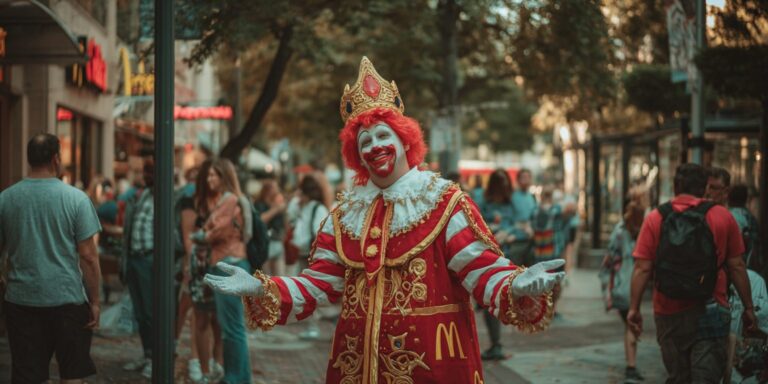
This shift is especially visible in the 2025 Yisi Year Wealth Mascot, which features contemporary touches like sunglasses, shiny shoes, and bold, vibrant colors—without losing the essence of prosperity and good fortune that defines the God of Fortune. The design language now embraces cartoon and anime influences, resonating with younger generations while still appealing to older participants who value tradition.
These mascots are more than just visual icons at events; they serve as living embodiments of abundance, luck, and positivity. Their presence at corporate launches, mall openings, community gatherings, and festive parades underscores their enduring relevance in Singapore’s multicultural landscape. Wolf Events continues to lead this evolution by offering cutting-edge mascot experiences tailored to local preferences.
Our team collaborates closely with clients to ensure every appearance is both memorable and meaningful. To bring the latest God of Fortune mascot to your next event or celebration, reach out via Whatsapp or use our Contact Form for a consultation.
Evolution of God of Fortune Mascot Design
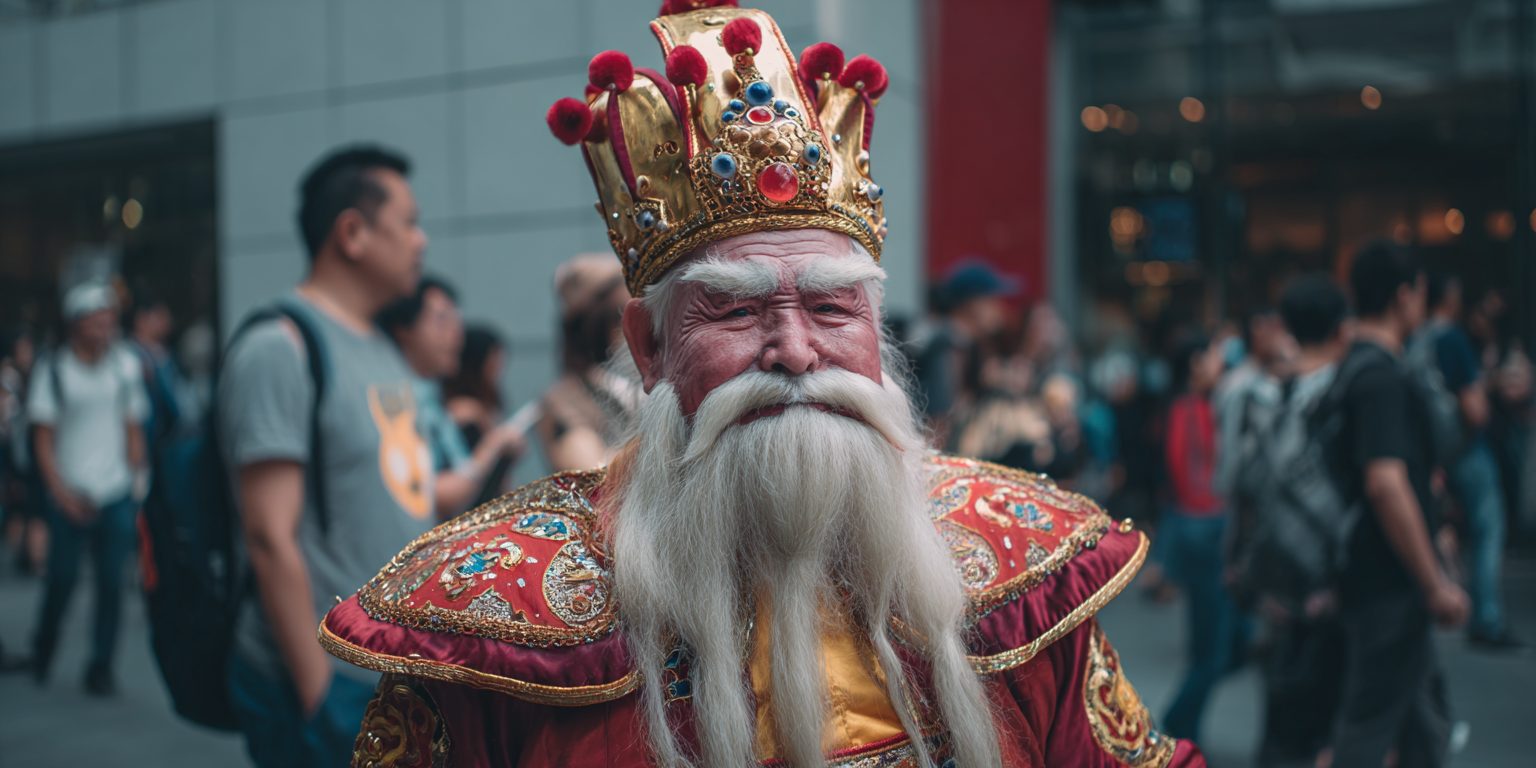
Mascot design in Singapore has shifted from strictly traditional forms—marked by flowing robes and solemn expressions—to fun, approachable characters that reflect current trends. The latest iterations incorporate pop culture elements like reflective sunglasses or stylized accessories, making them relatable for all ages. Designers draw inspiration from global animation trends and even international mascots such as those seen at Vatican events.
Material selection also plays a role; lightweight fabrics, LED accents, and breathable construction allow for greater performer comfort during long festivities. As digital engagement becomes central to event experiences, these mascots are often designed for photogenic appeal—perfect for social sharing and live streams.
| Era | Mascot Features | Audience Response |
|---|---|---|
| Pre-2010 | Classic robes, traditional face | Respected by older generations |
| 2010-2020 | Some color updates, subtle playful cues | Appeal broadens slightly |
| 2021-2025 | Cartoon/anime style, pop accessories | Highly popular with all ages |
Symbolism and Key Elements in Contemporary Mascots
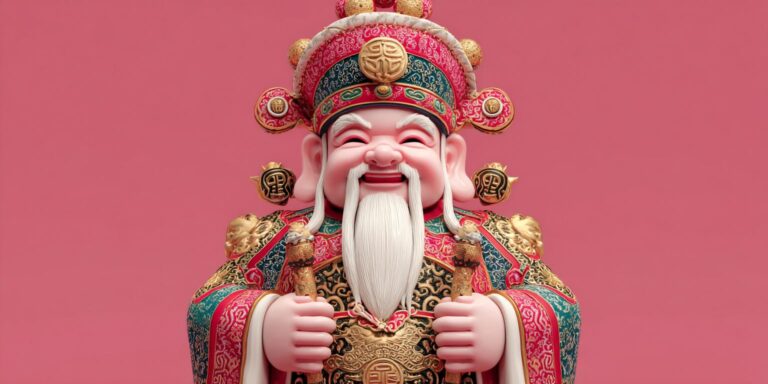
Today’s God of Fortune mascots skillfully balance symbolism with style. The iconic red treasure bowl overflowing with gold coins remains central, signifying wealth and prosperity. New motifs—musical instruments like flutes or auspicious knots—add layers of meaning while enhancing visual impact. Designers also weave in lucky colors such as gold and red alongside innovative textures or patterns inspired by Singaporean art.
Accessories like stylish shoes or even cheeky winks signal an openness to fun without diluting the mascot’s auspicious aura.
Integration with Lion Dance, Bian Lian, and Drum Performances
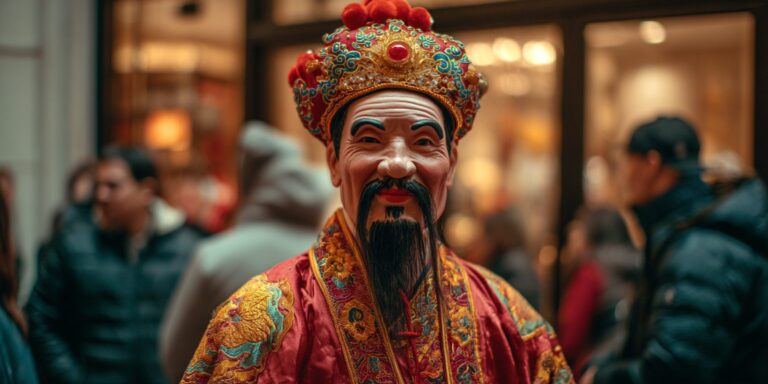
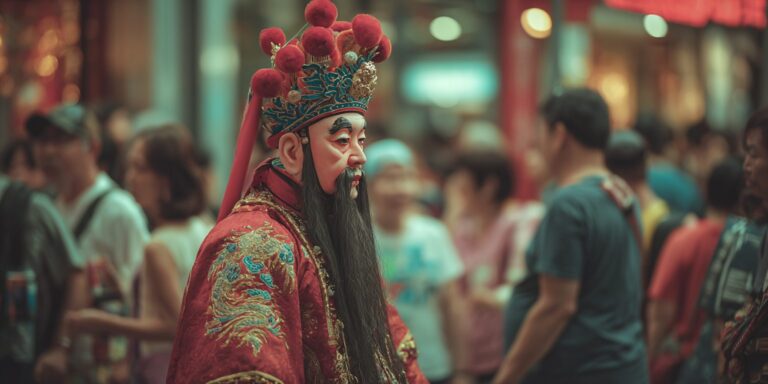
The God of Fortune mascot no longer appears as a standalone figure; instead, it is seamlessly woven into multi-act performances featuring Lion Dance troupes, Bian Lian mask changers, or dynamic drum ensembles. These collaborations amplify audience excitement at events—mascots hand out golden ingots during drum crescendos or dance alongside lions for a memorable photo op.
This integrated approach deepens engagement by creating interactive moments where tradition meets spectacle. Wolf Events specializes in crafting these collaborative experiences so every celebration feels fresh yet familiar.
Customization and Personalization for Events
Customization is key to ensuring the God of Fortune mascot feels unique at every occasion. Wolf Events offers bespoke costume options—from embroidered company logos on sashes to personalized props reflecting your brand message or family heritage. Clients can request specific color palettes or thematic accessories that align with their event goals.
Whether you’re hosting a corporate gala or a private reunion dinner, our team will adapt the mascot’s look—and even performance style—to match your vision perfectly.
Wolf Events Fact Machine
The 2025 Yisi Year Wealth Mascot—representing the God of Fortune—features not only traditional treasures but also musical instruments like the flute and xiao, a first for annual mascot designs that highlights Singapore’s embrace of both cultural heritage and modern creativity.
Cultural Significance and Community Impact
The God of Fortune mascot has become a prominent symbol across Singapore’s festive landscape, evolving far beyond its traditional roots. In 2025, the Yisi Year Wealth Mascot showcases how modern design breathes new life into classic motifs. Contemporary elements—like red treasure bowls overflowing with gold and jewels, musical instruments, and auspicious knots—blend seamlessly with playful additions such as sunglasses and shiny footwear.
These updates reflect the desires of a younger, digitally savvy audience, while still honoring time-honored beliefs about luck and prosperity. Singapore’s multicultural society finds unique resonance in this mascot’s transformation. Integrating traditional symbolism with pop culture trends allows the God of Fortune to remain relevant at temple fairs, Chingay parades, and shopping mall launches alike.
Designers work closely with event organizers to customize costumes that speak to both heritage and current aesthetics, often resulting in cartoon-inspired or anime-styled mascots that connect instantly on social media. This dynamic approach not only keeps cultural traditions alive but also fosters greater community participation and excitement during festive events.
For organizations looking to make an impact—whether in neighborhood celebrations or corporate gatherings—a thoughtfully designed God of Fortune mascot becomes a bridge between generations. It serves as both a nostalgic reminder for elders and a fresh icon for youth, reinforcing unity while inspiring curiosity about deeper cultural meanings.
Role in Singaporean Festive Celebrations
The God of Fortune mascot stands at the heart of Singapore’s major festive occasions, from Lunar New Year processions to community temple fairs. Its presence signals abundance and good luck, making it an indispensable feature alongside Lion Dance troupes and drum performances. The 2025 iteration especially captures attention with its vibrant blend of tradition—red robes, treasure bowls—and trendy updates like bold color schemes and anime-style expressions.
Children eagerly line up for photos, while elders appreciate the familiar auspicious symbols woven into each costume. Custom mascots are now a mainstay at local celebrations, crafted to reflect neighborhood identities or event themes. Organizers often collaborate with designers to infuse personal touches – unique accessories or tailored props that enhance interactive performances.
When paired with Lion Dance or Bian Lian acts, the God of Fortune mascot amplifies festive energy and encourages communal participation. This fusion of old-world charm and contemporary flair ensures that every celebration feels both rooted in heritage and vibrantly new.
Influence on Corporate and Community Events
Corporate events in Singapore increasingly leverage the God of Fortune mascot as a branding tool during festive seasons. Businesses customize mascot costumes to align with their brand colors or campaign messages, turning traditional symbolism into engaging marketing assets. The result is memorable activations – mascots hand out gold coin chocolates at product launches or lead interactive segments during employee town halls.
Beyond corporate settings, community groups also embrace these mascots as ambassadors for unity and goodwill. Modern designs appeal to diverse audiences—children are drawn by cartoonish features while adults appreciate subtle nods to cultural significance. Companies frequently pair God of Fortune mascots with Lion Dance or Bian Lian performances for maximum impact at outreach events, charity drives, or public celebrations.
By bridging tradition with innovation, these mascots foster stronger connections between brands, residents, and Singapore’s vibrant multicultural society.
Trends and Future Directions
The God of Fortune mascot has undergone a remarkable transformation in recent years, especially in Singapore’s vibrant event scene. Today’s designs reflect a dynamic blend of tradition and innovation, with the 2025 Yisi Year Wealth Mascot standing out as an example. This mascot features a red treasure bowl brimming with gold and jewels, paired with musical instruments like the flute and xiao.
These elements pay homage to heritage while embracing contemporary design cues that resonate with modern audiences. Across major celebrations—from Lunar New Year to corporate galas—God of Fortune mascots are now customized to capture attention and spark joy. Designers have started integrating playful elements such as sunglasses, shiny shoes, and bold color palettes, all while preserving the auspicious knots and classic motifs central to its symbolism.
This fusion not only attracts younger event-goers but also positions the mascot as a versatile icon for both traditional and pop-culture-driven festivities. Singapore’s multicultural landscape has inspired organizers to innovate further, integrating the God of Fortune mascot into performances alongside Lion Dance troupes and Bian Lian artists. Customization options have expanded rapidly, allowing brands and communities to personalize costumes according to their unique themes or marketing campaigns.
As digital media continues to shape how audiences engage with cultural icons, expect even more inventive collaborations and visually striking designs at upcoming events.
| Design Element | Traditional Feature | Modern Update |
|---|---|---|
| Treasure Bowl | Gold Ingots | Jewels & Red Color Scheme |
| Accessories | Flute & Xiao | Sunglasses & Shiny Shoes |
| Costume Style | Classic Robes | Cartoon/Anime Styling |
| Symbolism | Auspicious Knots | Personalized Logos |
Pop Culture Influences and Digital Media
Pop culture has significantly shaped the evolution of God of Fortune mascots in Singapore. Recent mascots embrace cartoonish features, anime-inspired expressions, and vibrant aesthetics that align perfectly with social media trends. Event organizers realize that Instagram-worthy mascots drive greater audience engagement and viral reach, especially when paired with interactive experiences like live streaming or digital photo booths.
In 2025, major festivals have seen organizers opt for God of Fortune costumes that can be instantly recognized by younger crowds thanks to these pop culture cues. Collaborations between local artists and costume designers often produce unique pieces that reflect both global trends and local sensibilities. As digital platforms continue to influence event marketing strategies, mascots designed for online sharing—complete with hashtags or AR filters—are becoming staples at corporate launches and community gatherings.
Expert Insights and Industry Perspectives
Industry experts emphasize the importance of balancing heritage with innovation when designing God of Fortune mascots for Singapore’s diverse celebrations. Announcements from organizations like True Buddha School provide annual guidance on the symbolic meaning behind each year’s Wealth Mascot, ensuring authenticity in every detail—from color choices to accessories. Costume suppliers highlight rising demand for customization – clients now request specific fabrics, branded motifs, or modular elements that allow quick changes between appearances at different events.
Cultural commentators point out that these evolving designs serve not only as festive icons but also as powerful branding tools during peak seasons such as Lunar New Year or Mid-Autumn Festival. Event professionals agree – integrating the God of Fortune mascot with Lion Dance or Bian Lian performances amplifies audience engagement while reinforcing cultural storytelling.
For companies seeking expert advice on making their next celebration unforgettable, Wolf Events offers deep industry knowledge—reach out via Whatsapp or our Contact Form for a consultation tailored to your needs.
Common Questions
What is the modern interpretation of the God of Fortune mascot?
The modern God of Fortune mascot blends traditional symbols of prosperity (such as gold, red, and auspicious motifs) with contemporary design elements like vibrant colors, playful accessories, and even pop culture references, making it more relatable and engaging for today’s audiences.
How is the God of Fortune mascot used in Singapore events?
In Singapore, the God of Fortune mascot is a popular feature at Lunar New Year celebrations, corporate events, and festive performances such as Lion Dance and Bian Lian, symbolizing luck, wealth, and good fortune for attendees.
Can God of Fortune mascot costumes be customized?
Yes, many suppliers and event companies offer customization options for God of Fortune mascot costumes, allowing for tailored designs, sizes, and accessories to suit specific event themes or branding needs.
What are the key symbols found in modern God of Fortune mascots?
Common symbols include the red treasure bowl (wealth), musical instruments (good luck), auspicious knots (longevity), and pearls (increasing wealth), often combined with modern touches like sunglasses or stylized headpieces.
Why are mascots important in traditional and modern celebrations?
Mascots like the God of Fortune serve as engaging visual icons that embody cultural values, attract attention, and enhance the festive atmosphere, bridging tradition with contemporary entertainment.
The God of Fortune mascot in Singapore has truly evolved, blending centuries-old symbolism with contemporary trends that speak to both tradition and modernity. Whether adorned with chic sunglasses or paired with a dynamic Lion Dance performance, today’s mascots are more than just icons—they’re storytellers, bridging generations and cultures in every appearance.
As you explore more about the modern interpretation of the God of Fortune mascot, dive deeper into our website for fresh insights on symbolism, design innovation, and their growing impact at events. If you’re considering adding a dash of prosperity and charisma to your next celebration, don’t hesitate to Whatsapp Us or reach out through our Contact Form—our team is ready to help you make your event unforgettable.