Evolution of Mask Changing Art Form – From Ancient Rituals to Modern Performances in Singapore
The evolution of mask changing art form – from ancient rituals to modern performances in Singapore, highlights a journey deeply rooted in Chinese opera and tradition. Originating as Bian Lian in Sichuan opera, this centuries-old performance art has transformed remarkably, moving from sacred rituals and secret techniques to dynamic showcases on international stages, including Singapore.
The shift is marked not only by advanced mask changing techniques and intricate craftsmanship but also by the cultural significance and symbolism embedded in each swift transformation.
Recent developments have brought new dimensions to the art form. The inclusion of female Bian Lian performers has broken longstanding gender barriers, while modern technology now allows artists to switch between up to 20 masks in a single act—far surpassing the early 1900s’ standard of three.
With Singapore emerging as a prominent stage for these performances, debates around authenticity, preservation of secrets, and adaptation by international artists continue to shape the ongoing narrative of Bian Lian’s evolution.
Evolution of Mask Changing Art Form – A Cultural Journey
Mask changing, or Bian Lian, has captivated audiences for centuries with its mysterious and dramatic flair. The art form traces its roots to Sichuan opera in China, where skilled performers would switch masks in the blink of an eye, stunning spectators with stories told through color and movement. Over the decades, this performance tradition has not only survived but flourished, adapting to cultural shifts and new technologies without losing its sense of wonder.
Today, the evolution of mask changing is especially evident in regions like Singapore, where a blend of tradition and innovation has made it a highlight at major events. Advances in technique allow for more rapid and intricate mask transitions, while new generations of performers—including women—are redefining what it means to be a Bian Lian artist.
Audiences now encounter mask changing not just as a relic of the past, but as a living art that continues to evolve alongside society.
Origins and Historical Roots of Bian Lian
The origins of Bian Lian stretch back to the Qing dynasty, when it emerged as an integral element of Sichuan opera. Early practitioners viewed mask changing as both entertainment and spiritual ritual. The masks were originally used to ward off evil spirits or convey emotional states that words could not express.
Each movement was deliberate, steeped in symbolism and secrecy. For centuries, the techniques were closely guarded within families or passed only to trusted apprentices. This protection created an aura of mystique around Bian Lian that persists today. Despite modernization, many masters still regard their knowledge as a precious heritage worth safeguarding.
Artistic Craftsmanship and Symbolism in Mask Changing
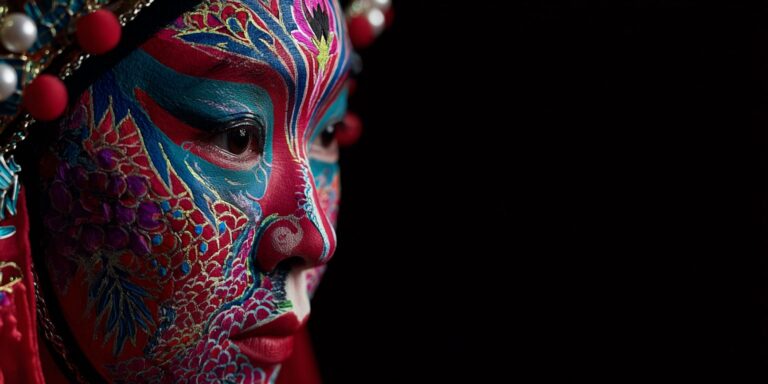
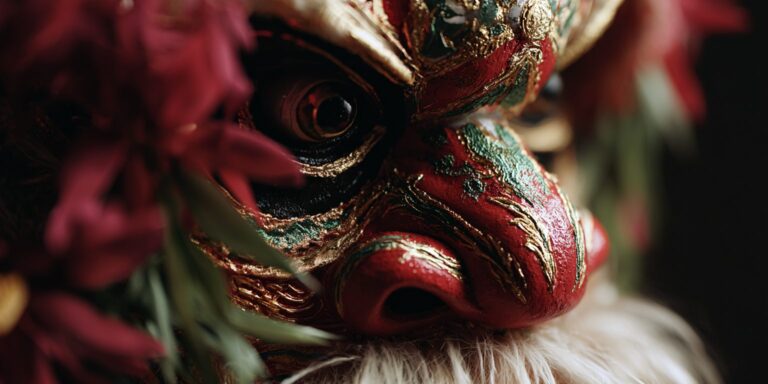
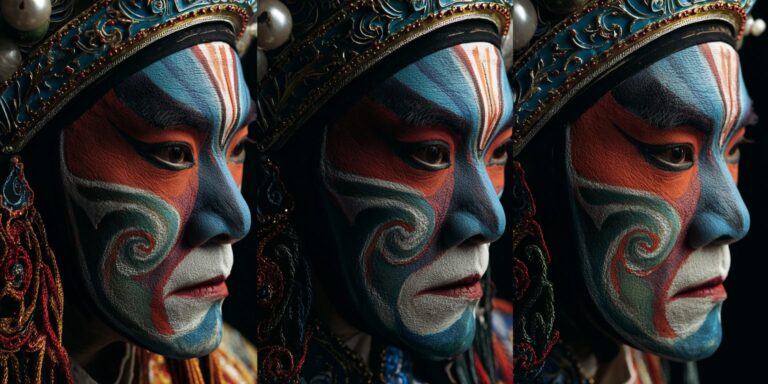
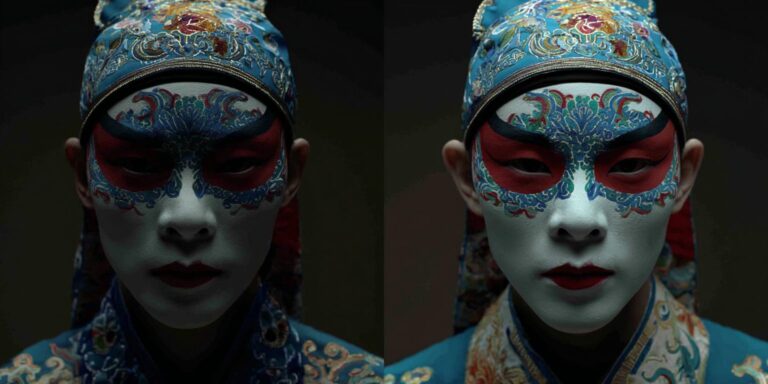
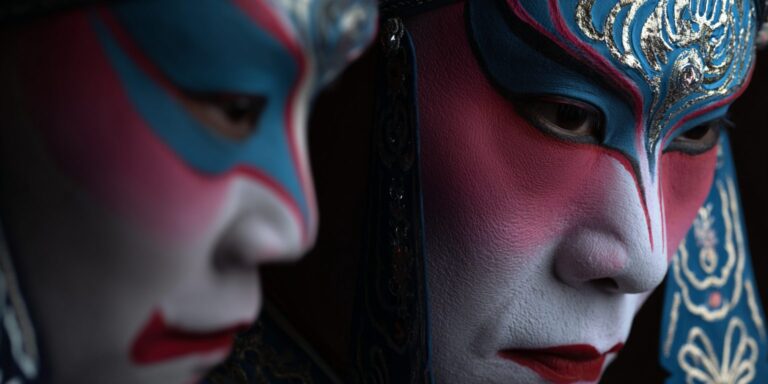
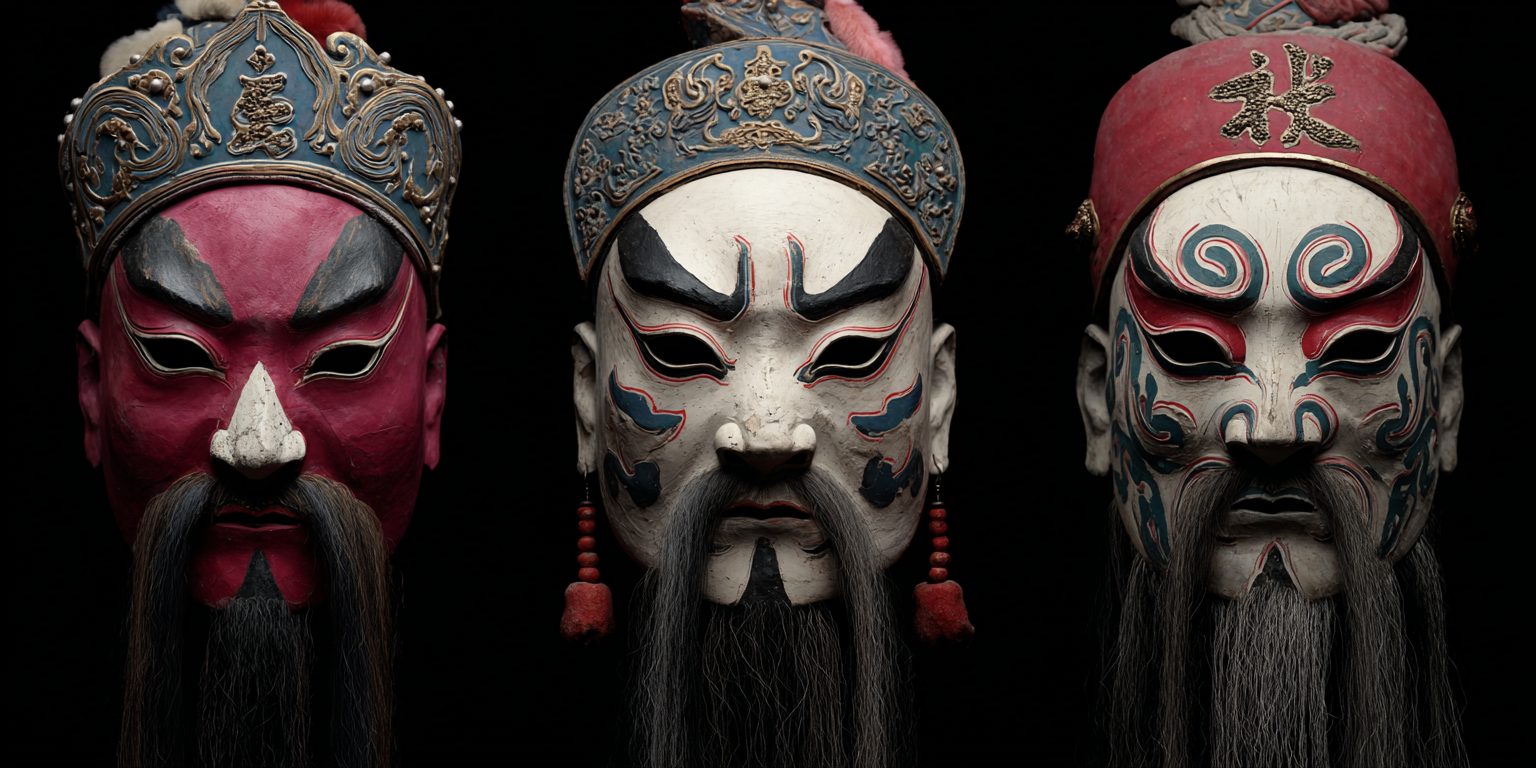
Creating Bian Lian masks is an art in itself. Artisans handcraft each mask from lightweight materials like papier-mâché or silk-cloth blends, meticulously painting them with vibrant colors that hold deep symbolic meanings—red for loyalty, black for integrity, gold for divinity. The designs draw from Chinese folklore and opera characters, ensuring every mask tells part of a larger story.
Performers must master not only the swift mechanics of mask changing but also the expressive body language that brings each character to life. This marriage of craftsmanship and stage presence is what sets Bian Lian apart from other forms of theatrical magic.
Technological Advancements and Modern Innovations
Recent years have seen technological breakthroughs transform how Bian Lian is performed. Where early artists could manage only three masks per act due to manual limitations, today’s performers use advanced mechanisms to switch up to 20 masks seamlessly during one show. Modern materials make masks lighter and more durable, allowing for greater speed and fluidity.
These innovations have made performances even more spectacular—especially in Singapore’s vibrant arts scene—while sparking debates over preserving traditional methods versus embracing modern spectacle.
Gender Inclusion and Notable Performers
Bian Lian’s legacy was once shaped by strict rules limiting practice to male artists. In recent years, women have shattered this barrier by stepping onto stages across China and Southeast Asia. Their inclusion has added fresh perspectives and inspired more young people—regardless of gender—to pursue the craft. Notable female performers now command respect both locally and internationally.
Their success challenges long-held norms while fueling renewed interest in this ancient art form.
International Spread and Influence in Singapore
The global reach of mask changing has grown rapidly since the late 20th century. Singapore’s multicultural landscape offers fertile ground for this art form to flourish outside its birthplace. Audiences here appreciate both traditional Chinese artistry and innovative presentations tailored for diverse celebrations. Wolf Events is proud to bring authentic Bian Lian performances to local festivals, corporate galas, and private occasions throughout Singapore.
Our experienced artists honor traditional techniques while embracing new influences—ensuring every show resonates with today’s audiences.
| Country | First Major Performance | Current Popularity |
|---|---|---|
| Singapore | 1990s | High (CNY & Corporate Events) |
| Malaysia | 2000s | Moderate |
| Japan | 1980s | Niche Interest |
The Role of Mask Changing in Contemporary Celebrations
In 2025 Singapore, mask changing performances are essential highlights at Lunar New Year events, Mid-Autumn festivals, weddings, product launches, and cultural showcases throughout the year. The act bridges generational gaps by connecting younger audiences with heritage through dynamic storytelling. For companies seeking memorable entertainment or families wanting something magical at private gatherings, engaging a professional troupe like Wolf Events ensures authenticity and excitement.
To experience the thrill up close or book a performance tailored for your occasion, message us on WhatsApp or use our contact form today.
Wolf Events Fact Machine
It was only in the last decade that women began performing Bian Lian professionally—a striking change after centuries where only men were allowed on stage.
The Enduring Allure of Mask Changing – Tradition Meets Modernity
Bian Lian, or mask changing, has captivated audiences for centuries with its blend of mystery and artistry. Rooted in the heart of Sichuan opera, the tradition began as a closely guarded secret, passed down through generations of male performers. Today, the scene looks quite different—modern innovations and societal shifts have breathed new life into this ancient art form.
The inclusion of female artists in recent years has broken old boundaries and injected fresh perspectives into performances. Technology has also redefined the spectacle. Where early masters might have switched between three masks, today’s skilled performers can dazzle crowds by transforming up to twenty times in a single act. This leap owes much to advances in materials and stagecraft, making each show more dynamic and engaging for contemporary audiences.
The colorful masks themselves remain rich with symbolism, each hue and character telling a story that transcends language. Singapore now stands as a key stage for Bian Lian’s international expansion. Audiences here are treated to masterful displays that honor tradition while embracing innovation. Yet debates continue about how best to protect the secrets and integrity of the art, especially as more artists from around the world seek to learn its techniques.
Through all these changes, Bian Lian endures—timeless yet ever-evolving, it remains a highlight at cultural events across Singapore. For those seeking an unforgettable performance that bridges past and present, Wolf Events offers professional mask changing acts tailored for all occasions.
Common Questions
What is the origin of the mask changing art form?
The mask changing art form, known as Bian Lian, originated in Sichuan, China during the Qing Dynasty (1644–1911) and is an integral part of Sichuan opera.
How has mask changing evolved over time?
Mask changing has evolved from simple mask swaps using basic materials to highly sophisticated performances using silk masks and advanced mechanisms, allowing up to 20 mask changes per show.
Why is the mask changing technique considered a secret?
The techniques are closely guarded and traditionally passed down within families, with only about 200 masters in China. The secrecy preserves the art’s mystique and authenticity.
Can women perform Bian Lian?
While traditionally restricted to men, women have been performing Bian Lian since the 1990s, with notable female artists emerging in China and Southeast Asia.
What do the different mask colors represent?
Mask colors in Sichuan opera symbolize various emotions and character traits, such as red for loyalty, black for integrity, and blue for valor.
The journey of mask changing from its mysterious origins in Chinese opera to its vibrant place on Singapore’s stages is a testament to how tradition and innovation can dance together. Today, Bian Lian is not just an ancient ritual but a living, breathing performance art—constantly evolving with new techniques, diverse performers, and cutting-edge technology.
As it adapts to the modern world while preserving its mystique, mask changing continues to fascinate audiences of all ages.
Curious to dig deeper into the secrets, artistry, and cultural impact of this captivating tradition? Browse around our website for more insights into the evolution of mask changing art form—from its symbolic roots to its growing influence in Singapore. And if you’re inspired to bring this spectacle to your next event or celebration, reach out via Whatsapp Us or Contact Form for a front-row experience.