Origins of Mask Changing in Sichuan Opera – History, Legends, and Cultural Impact
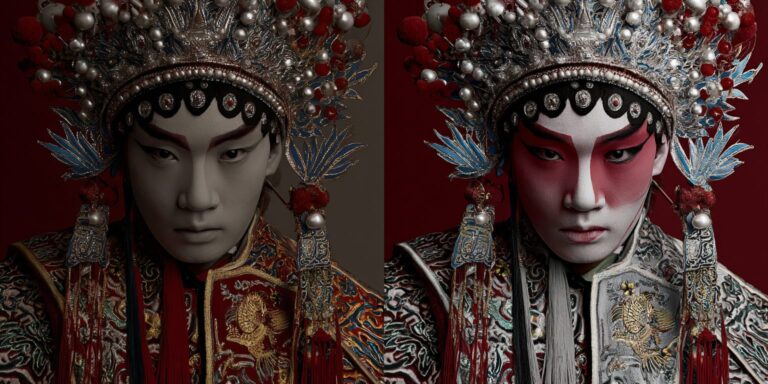
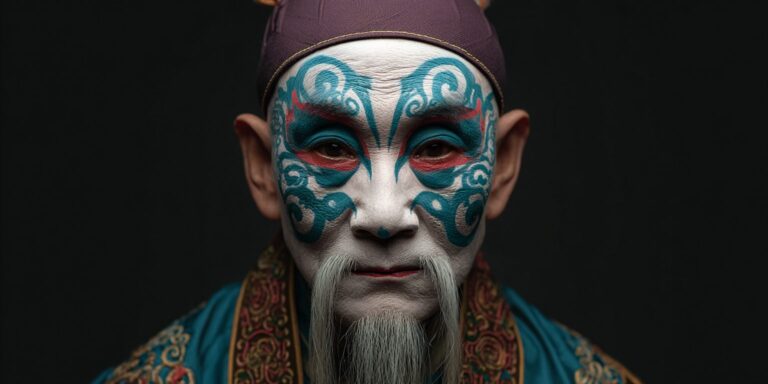
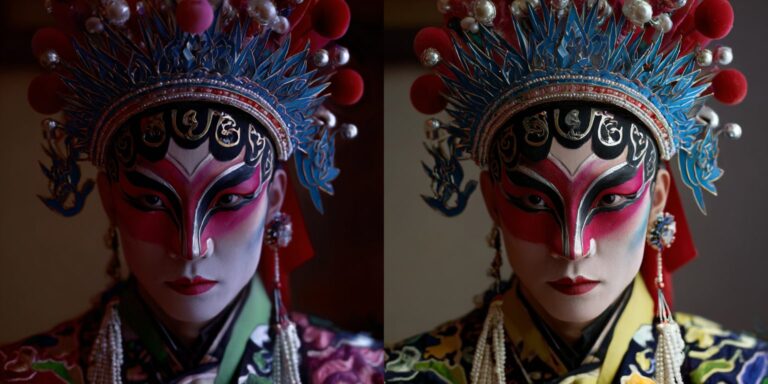
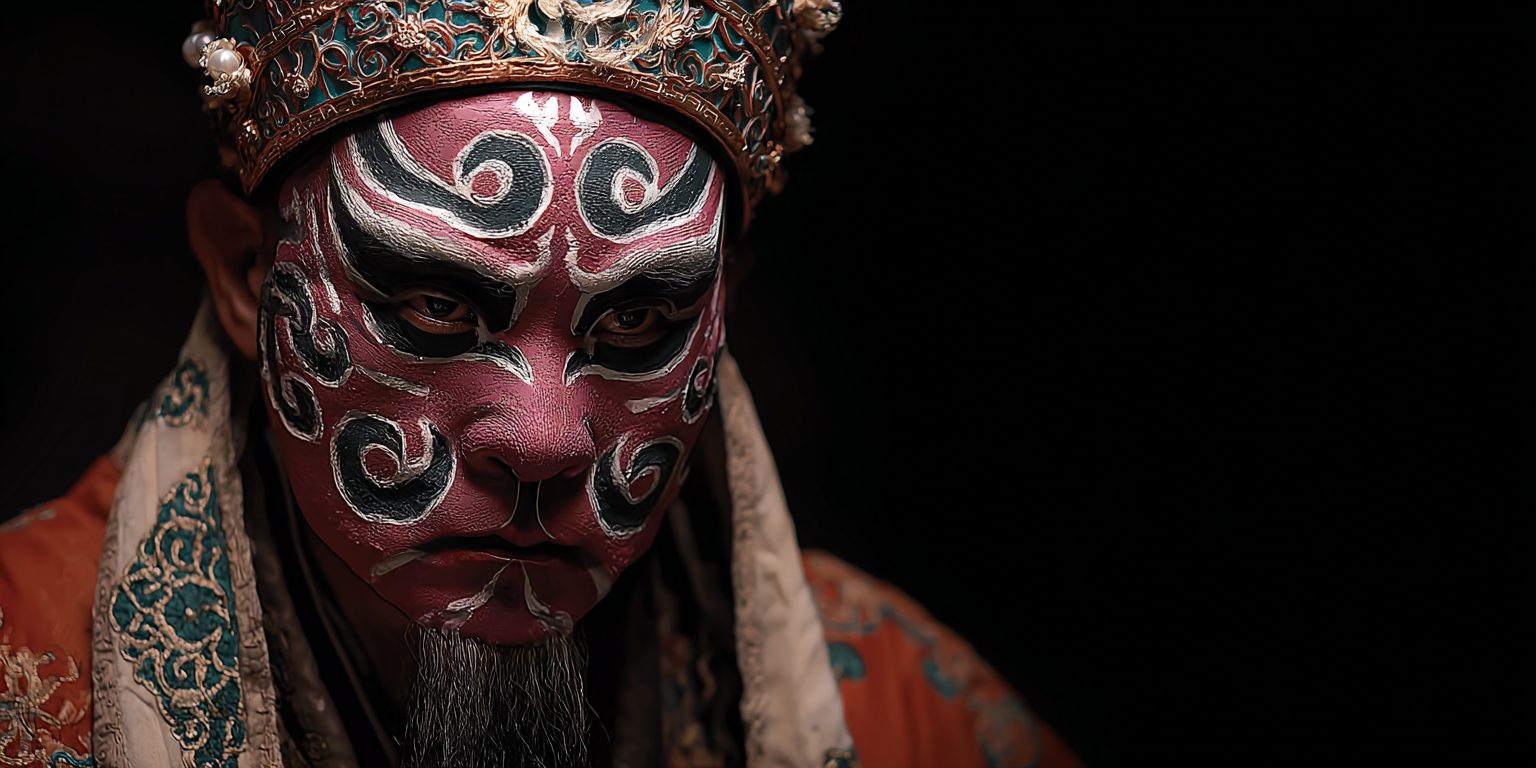
The origins of mask changing in Sichuan Opera – history, legends, and cultural impact trace back to a blend of ancient rituals, evolving performance techniques, and deep-rooted symbolism. Known as Bian Lian, this mesmerizing art form emerged from mysterious beginnings and has become a defining feature of Sichuan opera.
Recognized for its cultural significance when inscribed on China’s intangible cultural heritage list in 2006, mask changing is celebrated not only for its dramatic visual appeal but also for the intricate secrecy behind its swift transformations and the stories each mask conveys.
As Bian Lian performances expand beyond China to places like Singapore and Malaysia, debates over authenticity and intellectual property have intensified among traditionalists and practitioners. Meanwhile, the inclusion of women performers signals a shift in gender roles within this once-exclusive male tradition. The ongoing evolution of mask changing—from its legendary origins to its influence on global performing arts—continues to spark discussion about preservation, innovation, and the enduring legacy of Sichuan opera face changing.
Origins of Mask Changing in Sichuan Opera
Mask changing, or Bian Lian, finds its roots in the ancient rituals and folklore of Sichuan. Early legends suggest that the first performers drew inspiration from shamanistic ceremonies, where masks served as a bridge between the human world and spirits. Over centuries, these ritualistic practices evolved into sophisticated stagecraft, blending storytelling with visual spectacle.
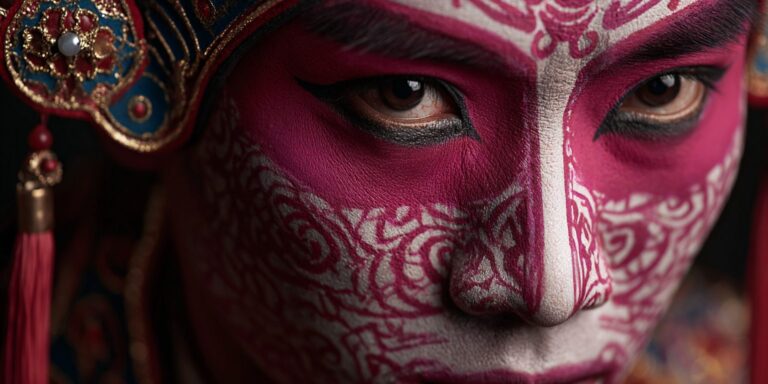
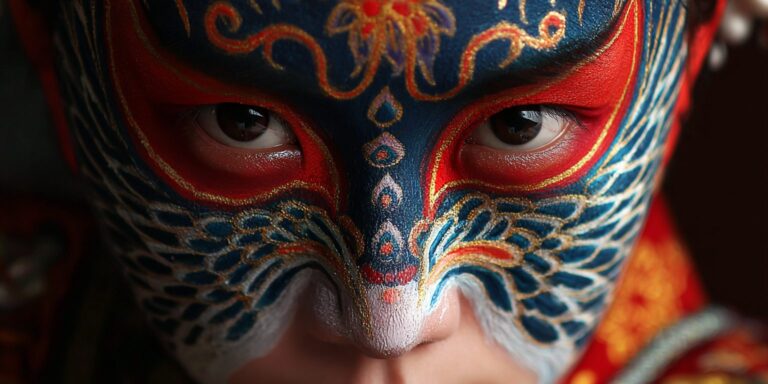
The masks themselves carry deep symbolism. Each color and design reflects a character’s personality or fate—red for loyalty, black for integrity, gold for the divine. The artistry lies not just in their creation but also in the performer’s ability to switch faces in the blink of an eye. Secrecy has always surrounded these techniques, with skills traditionally handed down within families and closely guarded by master performers.
Recognition of Bian Lian as an intangible cultural heritage in 2006 reinforced its significance. As interest grows internationally, especially in places like Singapore and Malaysia, questions about authenticity and intellectual property have become more pressing. Today, Bian Lian bridges tradition and innovation, captivating audiences worldwide while sparking important conversations about cultural preservation.
| Aspect | Historical Significance | Modern Relevance |
|---|---|---|
| Ritual Origins | Rooted in shamanistic ceremonies | Symbolic performance art |
| Mask Symbolism | Colors reflect virtues/fates | Integral to storytelling |
| Transmission | Family secret tradition | Now open to wider learners |
Ancient Legends and Rituals
Stories passed down through generations tell of legendary heroes and mystical practitioners who used masks to invoke protection or cast away misfortune. In early Sichuan society, face changing was more than entertainment—it was believed to have spiritual power. The act of swapping masks was both a dramatic gesture and a means of communicating with ancestors or deities.
These ancient rituals laid the groundwork for what would become Sichuan opera’s most mesmerizing act. The mask’s transformation symbolized a shift in fortune or identity, resonating deeply with audiences who valued fate and moral virtue.
Evolution into Theatrical Art
As Sichuan opera developed during the Qing dynasty, mask changing moved from sacred rites into the theatrical spotlight. Performers began refining their techniques—using silk masks and sleight of hand—to create stunning visual effects on stage. These innovations were fiercely protected within performing troupes. In recent decades, Bian Lian has expanded beyond China’s borders.
The rise of female performers signals a new era for this art form, challenging old traditions while inspiring new audiences. Singapore has become a vibrant hub for Bian Lian showcases, drawing both locals and tourists eager to witness this living heritage up close. Wolf Events proudly supports this evolution by featuring authentic mask changing acts at events—reach out on Whatsapp or use our contact form to bring this spellbinding tradition to your next celebration.
Wolf Events Fact Machine
Until the late 20th century, Bian Lian was exclusively performed by men—female artists only began learning and performing these secret techniques openly in China in the 1980s.
Cultural Significance and Symbolism
Bian Lian, or Sichuan face-changing, stands as one of Asia’s most spellbinding traditional performing arts. Its origins are shrouded in legends of ancient rituals, where mask changing was believed to ward off evil spirits and invoke blessings. Over centuries, these ritualistic practices evolved into a sophisticated stage art, becoming central to Sichuan opera and a symbol of cultural pride for Chinese communities worldwide.
The recognition of Bian Lian as an intangible cultural heritage in 2006 marked a pivotal moment for the art form. This acknowledgment affirmed not just its artistic brilliance but also its deep social value. Today, the craft continues to adapt—embracing new performers and audiences while negotiating tensions between preservation and popularization.
As Bian Lian gains momentum in places like Singapore, it embodies the dynamic interplay between tradition and innovation, inviting audiences to witness living history through vibrant masks and captivating gestures.
Meaning of Mask Colors and Designs
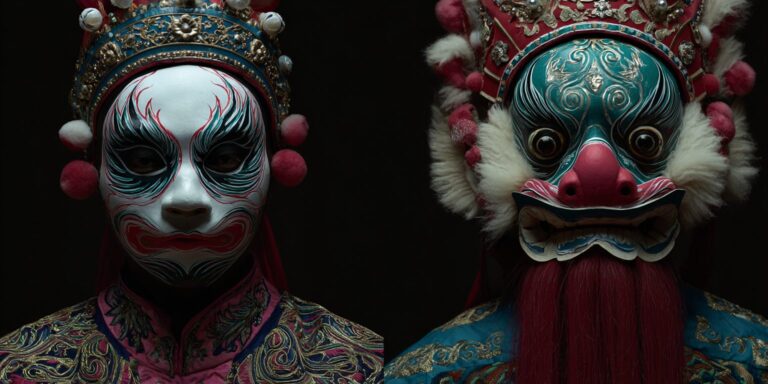
Each mask in Bian Lian tells a story before the performer even begins to move. The intricate designs draw from centuries-old symbolism – red often represents loyalty and bravery; black conveys integrity; white suggests cunning or treachery; gold and silver evoke the supernatural or divine. These vivid colors aren’t chosen at random—they guide the audience’s understanding of each character’s essence at a glance.
Artisans handcraft each mask from lightweight materials, painting them with care to ensure clarity during quick changes. The choice of patterns—dragons, phoenixes, or bold geometric lines—may reference historical figures or mythological tales. In modern performances across Singapore, traditional motifs blend with new artistic influences, reflecting both respect for heritage and a flair for contemporary storytelling.
Emotional Expression in Performance
Bian Lian is more than visual spectacle—it is an art of emotional revelation. With each swift mask change, performers instantly shift between anger, joy, suspicion or sorrow. The technique itself remains closely guarded; only those trained within trusted circles master the delicate timing that brings characters to life so vividly.
Audiences in Singapore are especially captivated by this interplay of movement and emotion. A flick of the wrist unveils a new face—a new feeling—making every performance unpredictable and deeply engaging. As more women take on leading roles in Bian Lian troupes today, their interpretations add fresh layers of nuance to this timeless tradition.
Wolf Events collaborates with some of the region’s most skilled Bian Lian artists to deliver unforgettable experiences at festivals and private gatherings.
Techniques and Secrecy in Bian Lian
The techniques behind Bian Lian, or Sichuan face-changing, have long been shrouded in secrecy. Traditionally, masters only passed these closely guarded methods to chosen disciples within their family line. The rapid and seamless mask changes are made possible through intricate mechanisms sewn into elaborate costumes, lightning-fast sleight of hand, and years of disciplined practice.
Each gesture is calculated, with performers mastering not just the physical trick but also the art of misdirection and dramatic flair that captivates audiences. As Bian Lian has evolved from its roots in ancient rituals to a stage spectacle recognized on China’s intangible cultural heritage list, the tension between tradition and modernity grows.
In the past decade, more performers—including women—have entered the scene, especially outside China. This shift is celebrated for breaking gender barriers but also raises questions about authenticity and the dilution of secret techniques as Bian Lian becomes popular worldwide, including in Singapore’s vibrant performing arts circuit. The debate over whether these secrets should remain exclusive or be shared more widely continues to shape the art’s future.
| Technique | Traditional Approach | Modern Adaptation |
|---|---|---|
| Mask Mechanism | Handcrafted silk masks; hidden strings | Advanced textiles; magnetic triggers |
| Transmission | Male lineage secrecy | Open classes; female performers |
| Performance Style | Ritualistic, restrained gestures | Dramatic stage choreography |
Traditional Methods and Modern Innovations
Historically, mask changing relied on simple materials—delicate silk masks painted with symbolic designs that represented emotions or characters. Masters would spend years perfecting their movement and timing under strict tutelage. The mechanics involved subtle finger movements to flick away one mask while revealing another almost instantaneously. Today’s Bian Lian incorporates new materials like lightweight polymers and even magnetic fastenings for swifter transitions.
As performances adapt for international audiences and large venues in cities like Singapore, choreography becomes more theatrical, sometimes blending multimedia effects without compromising the visual magic. While some purists argue these updates dilute tradition, others see them as vital to keeping the art alive for new generations.
Preservation and Transmission of Secrets
The preservation of Bian Lian secrets is a source of pride—and anxiety—for many practitioners. In China, there are no formal secrecy laws protecting mask changing techniques; instead, tradition relies on personal trust between master and student. As international interest surges—especially in Southeast Asia—some worry that commercial workshops may prioritize spectacle over authentic skill.
Still, respected troupes are making efforts to balance openness with respect for heritage. Female performers now carry forward lineages once closed to them, expanding both audience reach and creative potential. In Singapore, Wolf Events champions both authenticity and innovation by featuring skilled artists who train rigorously while honoring the craft’s origins.
Bian Lian, or face-changing, is one of Sichuan opera’s most captivating traditions, renowned for its swift mask transitions and mysterious techniques. Once a closely guarded secret passed only within male lineages, the art’s origins date back centuries to ancient ritual practices. Over time, it evolved into a highlight of modern Chinese stage performance, celebrated for both its technical brilliance and rich symbolism—each mask color and design embodying a unique story or emotion.
Gender and the Changing Face of Bian Lian
The recognition of Bian Lian as part of China’s intangible cultural heritage in 2006 underscores its enduring importance. Today, performances captivate audiences not just in China but across Southeast Asia, including Singapore, where the art has found a passionate following. While traditionalists debate the implications of sharing Bian Lian techniques abroad—raising questions about intellectual property and authenticity—the global spotlight has encouraged new interpretations and broader participation.
The cultural landscape is shifting, reflecting evolving attitudes about who can inherit and embody this storied craft. One of the most remarkable changes in recent years is the rise of female Bian Lian performers. Breaking away from historic gender restrictions, women now take center stage in Singapore and beyond, challenging long-held assumptions about transmission and mastery.
This transformation signifies not just a change in performance but a deeper evolution in the way cultural heritage adapts to modern values.
For generations, Bian Lian was an all-male preserve. Secrecy bound masters to sons or select male apprentices, reinforcing gendered traditions within Sichuan opera circles. But as attitudes shift in Asia’s performing arts scene, women have begun training rigorously in mask changing techniques—often with remarkable success on international stages. Their presence marks a turning point for an art once defined by exclusion.
Breaking Gender Barriers
Female Bian Lian performers face unique challenges – earning trust from established masters, navigating skepticism from purists, and perfecting complex moves often tailored for men’s costumes and physiques. Yet their artistry is undeniable. Audiences respond enthusiastically to their agility and expression, while media coverage celebrates their role in making traditional culture more inclusive.
In Singapore’s vibrant events circuit, women now headline mask changing shows at festivals, corporate galas, and educational programs—demonstrating that skill knows no gender boundary. As more doors open for female artists through companies like Wolf Events, Bian Lian continues to inspire by blending old secrets with new possibilities.
Bian Lian, or Sichuan face-changing, stands as one of China’s most captivating intangible cultural treasures. Its roots stretch deep into the history of Sichuan opera, where intricate mask changing techniques were once shrouded in secrecy and steeped in legend. These swift transformations—often executed in the blink of an eye—are not just feats of technical prowess but powerful expressions of character, emotion, and shifting destiny.
Bian Lian as Intangible Cultural Heritage
Each mask carries its own symbolic meaning, drawing from a palette of bold colours and evocative designs that reflect the rich tapestry of Chinese folklore. The journey of Bian Lian from ancient ritual to modern spectacle is marked by both reverence for tradition and adaptability to change. Once the exclusive domain of male performers, the art form now welcomes skilled female practitioners, mirroring broader shifts in cultural acceptance and gender roles within the performing arts.
This evolution underscores the resilience and continued relevance of Bian Lian, especially as it gains momentum on international stages—including vibrant performances right here in Singapore. Recognition as an intangible cultural heritage in 2006 has propelled Bian Lian into global consciousness. Yet with increased exposure comes new challenges – debates over intellectual property, questions around training quality abroad, and concerns among purists about safeguarding authenticity.
As more audiences in Southeast Asia experience this mesmerizing art live, its influence continues to grow—bridging cultures while highlighting both the beauty and complexity at the heart of Bian Lian.
The official listing of Bian Lian on China’s intangible cultural heritage register cemented its status as a national treasure with profound artistic value. This recognition has encouraged educational institutions, museums, and performing troupes to promote both appreciation and preservation—sparking renewed interest among younger generations worldwide. In Singapore, Bian Lian performances have become a highlight at festivals and corporate events, offering local audiences a rare glimpse into this dramatic tradition.
Official Recognition and Global Influence
As the art travels beyond China’s borders, it leaves a distinctive mark on global performing arts. The spread of Bian Lian has inspired adaptations and sparked curiosity among international artists, while also fueling debates about cultural appropriation versus respectful exchange. Traditionalists remain vigilant about maintaining high standards and authentic transmission—even as Singaporean troupes such as Wolf Events demonstrate that excellence can thrive abroad when built on genuine skill and respect for heritage.
For event organisers seeking to bring a touch of magic to their celebrations, Bian Lian offers an unforgettable spectacle rooted in centuries-old artistry.
Bian Lian, or Sichuan Face-Changing, holds a special place in the world of traditional Chinese performing arts. Its roots trace back to ancient rituals and legends in Sichuan opera, where mask changing symbolized the ever-shifting forces of fate, spirits, and human emotion. Over centuries, this art evolved from secretive shamanic rituals into an electrifying stage performance that continues to mesmerize audiences far beyond its origins.
Bian Lian in Singapore and the World
The intricate designs and vibrant colours of Bian Lian masks carry deep cultural symbolism. Each mask tells a story—red for loyalty, black for integrity, white for cunning. The secrecy surrounding the techniques has long been a hallmark of the craft, with knowledge passed down through closely guarded lineages. Yet in recent years, this tradition has opened up.
Women now take centre stage as skilled performers, challenging old gender norms and expanding the reach of Bian Lian. This shift reflects broader changes in society and underscores the living nature of intangible cultural heritage. As Bian Lian finds new audiences in Singapore, Malaysia, Japan and beyond, it sparks both celebration and debate.
Some welcome its global popularity as a way to keep the tradition alive; others worry about dilution and the risks to authenticity as secrets cross borders. For audiences in Singapore today, watching a live Bian Lian performance is not just entertainment—it is a chance to connect with centuries-old artistry while witnessing how culture adapts and thrives in our interconnected world.
Contemporary Bian Lian performances showcase both technical mastery and creative innovation. In Singapore’s vibrant multicultural scene, face-changing acts now appear at Lunar New Year celebrations, luxury galas, community festivals, and even wedding banquets. These shows blend traditional choreography with modern soundtracks or dramatic lighting—captivating younger audiences while honouring heritage. Cross-border collaborations are increasingly common.
Contemporary Performances and Cultural Exchange
Singapore-based troupes often invite Sichuan masters for workshops or guest appearances. This exchange enriches local artistry while deepening respect for Bian Lian’s roots. Female performers are also making headlines by breaking into what was once an all-male domain—a powerful symbol of progress within Asian performing arts. Yet there are challenges – as demand grows globally, questions arise about training standards and the safeguarding of trade secrets.
Some purists worry that rapid internationalization may erode authenticity or reduce nuanced storytelling to pure spectacle. The debate continues even as more people worldwide discover—and fall in love with—the magic of mask changing.
Some purists worry that rapid internationalization may erode authenticity or reduce nuanced storytelling to pure spectacle. The debate continues even as more people worldwide discover—and fall in love with—the magic of mask changing. If you want to experience an authentic Bian Lian performance or discuss collaboration opportunities for your next event in Singapore, message Wolf Events on Whatsapp or use our Contact Form today.
Common Questions
What is the origin of mask changing in Sichuan opera?
Mask changing, or Bian Lian, originated in the Sichuan region of China nearly a thousand years ago, evolving from ancient rituals where people wore masks to scare away predators into a dramatic art form used to express emotions in opera performances.
Why are the secrets of Bian Lian so closely guarded?
The techniques of Bian Lian are considered family secrets, traditionally passed down only to trusted disciples or family members to preserve the mystique and uniqueness of the art.
How has Bian Lian changed over time?
Bian Lian has evolved from using face painting and powders to sophisticated silk mask mechanisms, and now includes both male and female performers, reflecting broader social changes.
What do the colors and designs of the masks represent?
The masks in Sichuan opera use vivid colors and designs to represent different emotions and character traits, such as fear, cunning, or heroism.
Is Bian Lian performed outside China?
Yes, Bian Lian is now performed internationally, including in Singapore, but traditionalists debate the authenticity and training standards of overseas performers.
The journey of mask changing in Sichuan Opera is a living testament to the resilience and adaptability of Chinese performing arts. From ancient legends woven into rituals, to its evolution into a globally admired theatrical marvel, Bian Lian continues to captivate audiences and inspire new generations. Its vibrant masks, secretive techniques, and now, the breaking of gender barriers, all speak to a tradition that is as dynamic as the faces it reveals.
If you’re eager to explore more about the history, artistry, and modern impact of mask changing in Sichuan Opera, take some time to browse around our website. You’ll find deeper insights into the legends, cultural symbolism, and the latest performances both in Singapore and around the world. For event bookings or personal queries about bringing Bian Lian to your next occasion, don’t hesitate to Whatsapp Us or reach out via our Contact Form.