History of Bian Lian Art in Singapore – Tradition, Innovation & Cultural Impact
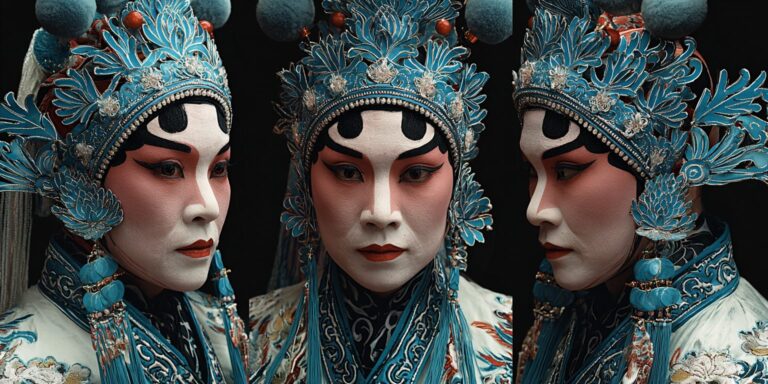
The history of Bian Lian art in Singapore – tradition, innovation & cultural impact reveals a unique journey from its Sichuan opera roots to its vibrant presence on local stages. Bian Lian, or mask changing, has evolved in Singapore from an exclusive Chinese heritage performance into a dynamic art form featured at multicultural festivals, corporate events, and major public celebrations.
Recent years have seen not only increased participation from local troupes but also the inclusion of women performers and innovative elements such as modern music and stage effects.
This fusion of tradition and innovation has expanded the appeal of Bian Lian performance in Singapore, attracting younger audiences and drawing attention from international visitors. As local artists experiment with costume changes, contemporary soundtracks, and collaborations with other cultural acts, Bian Lian is redefining its role within Singapore’s rich tapestry of performing arts.
These developments highlight the ongoing cultural significance of mask changing art, while reflecting broader shifts in how heritage arts adapt to modern audiences and diverse event settings.
History of Bian Lian Art in Singapore
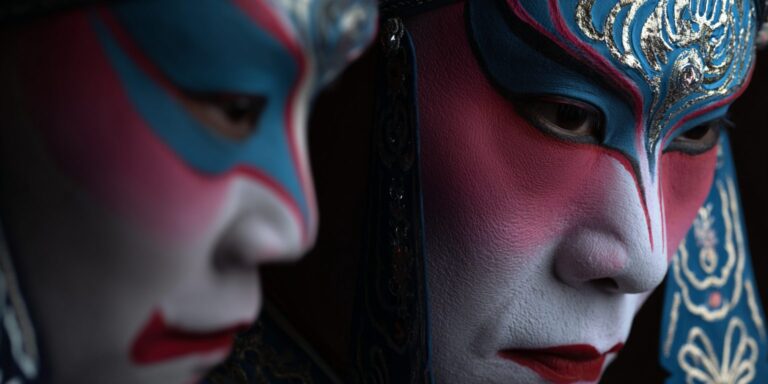
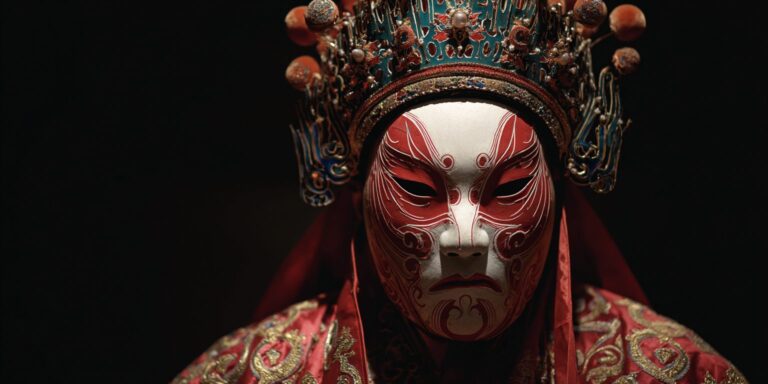
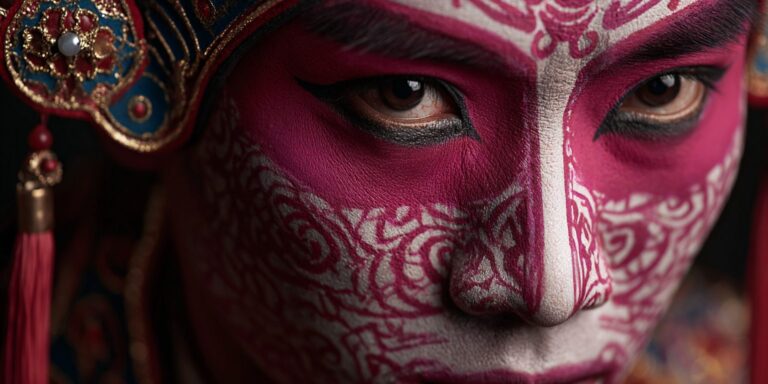
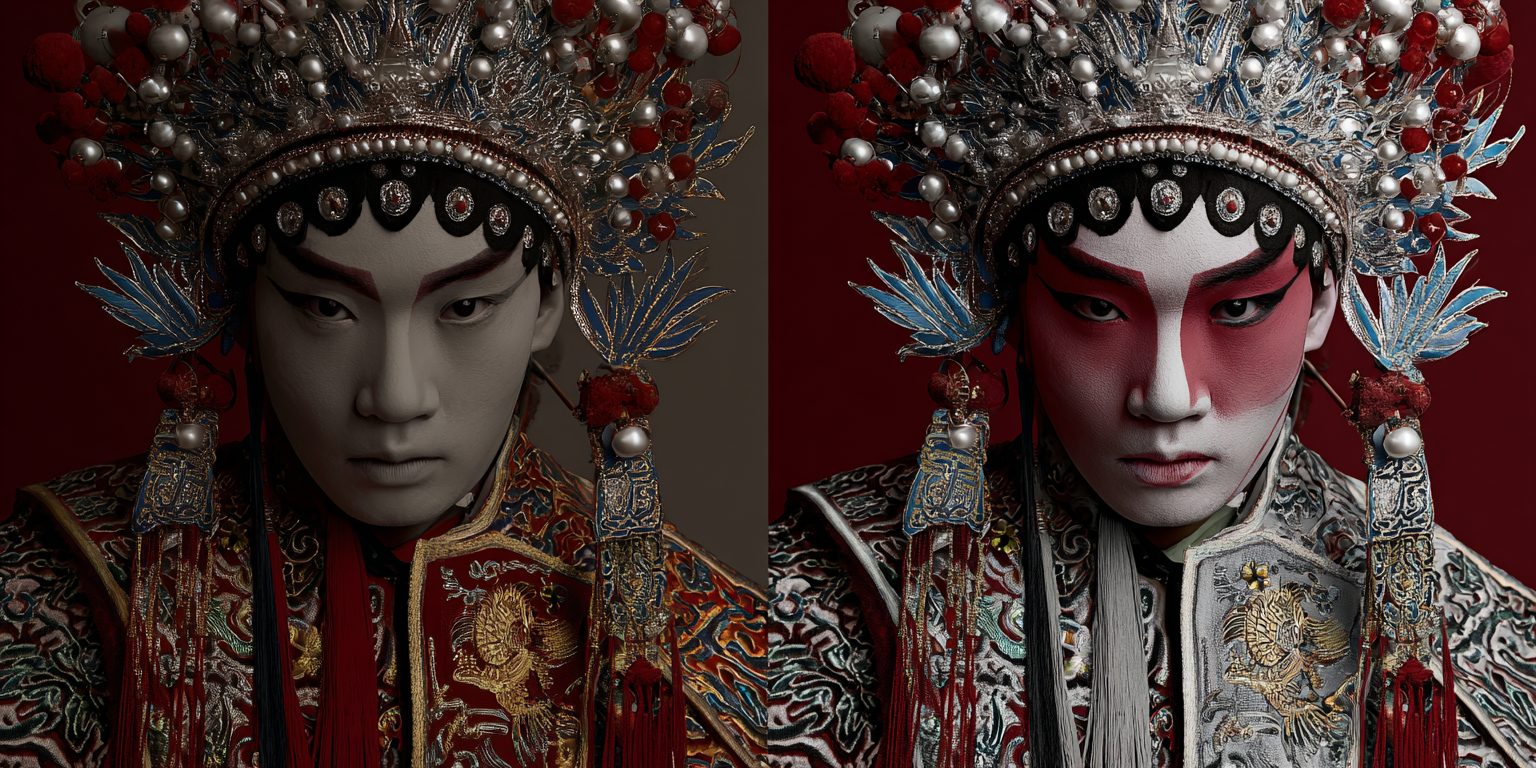
Bian Lian, or mask changing, carries a mystique that has captivated audiences across generations. Rooted in Sichuan opera, the art’s origins stretch back centuries in China, where it was closely guarded and passed down through select families. Each swift transformation of the performer’s mask reveals deep symbolism—emotions, intentions, and aspects of character—woven into every movement.
Singapore’s relationship with Bian Lian is both storied and dynamic. The art made its way to our shores alongside early Chinese immigrants and cultural ambassadors, gradually finding a place within Singapore’s diverse performing arts scene. Today, Bian Lian performances have become a highlight at multicultural festivals, corporate galas, and community celebrations.
Local troupes are breathing new life into the tradition by blending it with other elements of Singaporean culture, ensuring Bian Lian remains relevant and enchanting for modern audiences.
| Year | Milestone | Significance |
|---|---|---|
| Pre-1960s | First Bian Lian influences arrive with Chinese immigrants | Foundations laid for local practice |
| 1980s | Bian Lian performed at national events | Recognition as part of cultural heritage |
| 2010s | Modern adaptations introduced | Integration of pop music and digital effects |
| 2025 | Widespread participation by women and younger artists | Broader appeal and innovation |
Origins of Bian Lian and Its Arrival in Singapore
The origins of Bian Lian can be traced to Sichuan province in China, where performers developed secretive techniques to switch masks with breathtaking speed. Traditionally shrouded in secrecy, these skills were reserved for a select few—often passed from master to disciple or within families. For many years, the art was rarely seen outside China.
Bian Lian found its way to Singapore with waves of Chinese migration in the early 20th century. Early performances took place at clan associations and temple festivals, serving as both entertainment and a connection to ancestral roots. As Singapore grew into a multicultural city-state, Bian Lian became an enduring symbol of Chinese heritage amidst an ever-evolving arts landscape.
Evolution of Bian Lian Performances Locally
In recent years, Bian Lian performances in Singapore have undergone remarkable evolution. Local artists are pushing creative boundaries by fusing traditional mask changing with contemporary music styles and stage technology. Shows now feature dynamic lighting, digital effects, and even costume changes that delight audiences beyond the classic mask swap. The local scene has also welcomed female performers—a significant shift from the traditionally male-dominated art form.
These innovations have helped attract younger fans while making Bian Lian more accessible at multicultural events and corporate functions. Performers showcased on television specials and national festivals represent not just technical skill but also Singapore’s commitment to keeping heritage arts vibrant amid modern influences.
Wolf Events Fact Machine
The first public Bian Lian performance in Singapore was held in 1986 during the Chingay Parade, marking the art’s debut on a national stage and sparking local interest that continues to grow today.
Symbolism and Techniques in Mask Changing
Bian Lian, or mask changing, stands out as one of the most visually arresting aspects of Chinese opera. Each mask, transformed in a heartbeat, is rich with meaning. This art form is more than just stagecraft; it’s a storytelling device that reveals the emotional state and fate of a character.
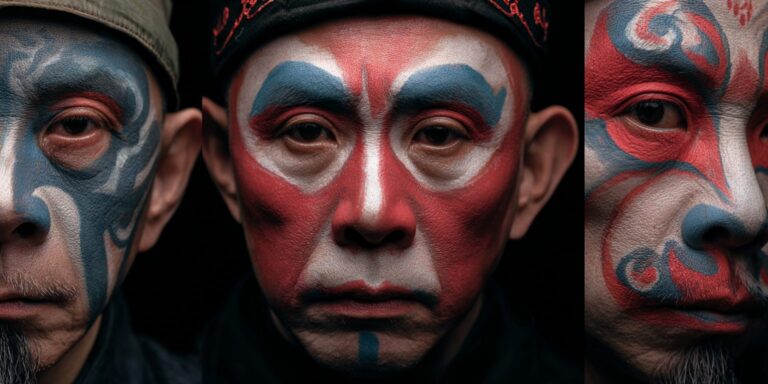
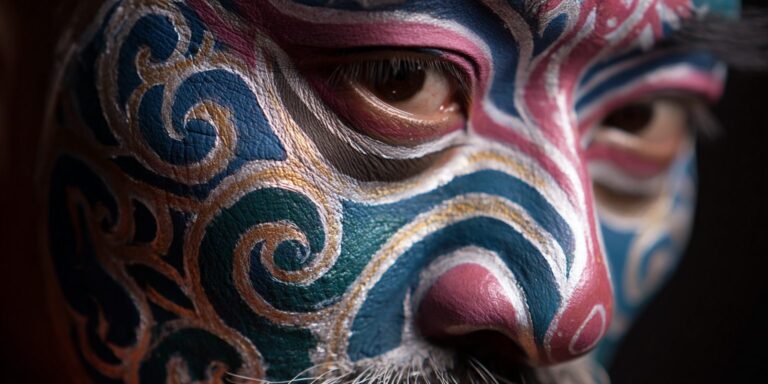
The vibrant colours—red for loyalty, black for integrity, blue for steadfastness—speak a language of their own, instantly communicating mood and motive to the audience. In Singapore, Bian Lian has evolved beyond its Sichuan opera roots. Local troupes blend traditional techniques with innovative staging and music, sometimes even synchronising mask changes with contemporary pop beats or digital lighting effects.
Performers now bring this ancient art to multicultural festivals and corporate galas, captivating audiences who may be seeing it for the first time. The secrecy surrounding the method remains fiercely protected, adding an air of mystery and elevating each performance to an event. As Bian Lian gains popularity in Singapore’s diverse arts scene, new interpretations continue to emerge.
Female performers have broken into what was once an all-male tradition. Artists experiment with rapid costume changes and interactive routines while remaining true to the core principles of precision and speed. These innovations keep Bian Lian relevant and thrilling for modern audiences while honouring its centuries-old heritage.
| Symbol | Colour | Meaning |
|---|---|---|
| Red Mask | Red | Loyalty, Courage |
| Black Mask | Black | Integrity, Impartiality |
| Blue Mask | Blue | Steadfastness |
| Green Mask | Green | Impulsiveness |
| Yellow Mask | Yellow | Ambition |
Meaning Behind the Masks
Every mask in Bian Lian carries a distinct symbolism rooted in Chinese folklore and opera tradition. Red masks typically symbolise loyalty and bravery—traits associated with legendary heroes like Guan Yu. Black masks are worn by characters who embody integrity or stern justice, often representing law enforcers or powerful deities. In Singapore’s performances, these traditional meanings still resonate strongly with both local Chinese audiences and international guests.
Masks can shift rapidly between colours like blue (steadfastness) or green (impulsiveness), reflecting sudden twists in a character’s fate or mood on stage. For corporate events or multicultural festivals here, performers sometimes tailor their mask sequence to echo themes of resilience or unity—bridging cultural gaps through visual storytelling.
Secrets and Skills of Bian Lian Artists
The technique behind Bian Lian remains one of China’s best-kept secrets. Artists train for years under strict guidance—often learning from family members or trusted mentors. The core skill lies not just in sleight-of-hand but in precise choreography – every gesture must be smooth enough to distract the eye while the mask is changed.
Singaporean artists add another layer of complexity by syncing their moves with fast-paced music or integrating quick costume swaps into their act. Some even use subtle digital effects to heighten suspense during live shows at major venues or televised events. Despite these modern touches, performers jealously guard the core mechanics—passing them on only through close apprenticeship rather than public instruction.
Those interested in bringing this mesmerising art to their own event should look for reputable troupes who can demonstrate authentic skills honed over years—not just flashy imitations. Wolf Events works with some of Singapore’s top Bian Lian talents. Message us on Whatsapp or use our Contact Form to discover how you can experience this rare art up close at your next gathering.
Bian Lian in Singaporean Festivals and Events
Bian Lian, the mesmerising Chinese art of mask changing, has become an increasingly prominent feature in Singaporean festivals and events. In 2025, more local troupes and event companies are showcasing this captivating tradition at multicultural celebrations, community gatherings, and high-profile venues. The dramatic transformation of vibrant masks on stage continues to intrigue audiences, both young and old, bridging generations and cultures.
Singapore’s embrace of Bian Lian reflects the city’s dynamic approach to cultural preservation and innovation. The art is no longer confined to Chinese New Year or traditional opera; it now appears alongside diverse performances at national festivals like Chingay, Mid-Autumn carnivals, and even modern pop-up events. Women performers and young artists are stepping into the spotlight, bringing fresh energy while respecting the secrecy and symbolism that define Bian Lian’s rich heritage.
Innovations such as synchronised mask changes with LED effects, contemporary music mashups, and live costume transformations have made Bian Lian more accessible than ever. These creative twists keep the tradition alive while making it relevant for today’s audience.
Integration with Lion Dance and Drum Performances
Bian Lian often shares the stage with Lion Dance troupes and traditional drum ensembles during Singapore’s festive seasons. This collaboration creates a seamless flow of visual spectacle and rhythmic excitement. The swift movements of mask changers complement the bold energy of the lions, while powerful drumming heightens every dramatic reveal.
Event organisers in Singapore increasingly request this integrated format because it unites different elements of Chinese performing arts into a single immersive experience. Modern productions may include digital soundscapes or synchronised choreography between mask changers and drummers. Such pairings not only preserve heritage but also introduce audiences to the artistry behind each discipline.
For an unforgettable event that combines these traditions flawlessly, contact Wolf Events today.
Bian Lian at Corporate and Public Events
Bian Lian performances have become a popular highlight at corporate galas, product launches, award ceremonies, and public showcases throughout Singapore. Companies appreciate how the art’s mystery and elegance resonate with both local staff and international clients. Adaptations like contemporary music scores or themed mask designs can reflect brand values or campaign messages.
Public events now regularly feature Bian Lian not only for its wow factor but also for its ability to convey themes of transformation—perfect for launches or celebrations marking new beginnings. Organisers often choose Wolf Events’ performers for their professionalism and innovative approach to staging these acts in modern venues or outdoor settings.
Singapore’s Bian Lian scene continues to evolve in 2025, with troupes and event companies reimagining this centuries-old art for a new era. Performers are blending traditional mask changing with contemporary music, lighting, and costume changes, creating electrifying experiences at multicultural festivals and corporate functions. These innovations not only draw larger and more diverse crowds but also ensure the art remains relevant in Singapore’s dynamic events landscape.
Modern Adaptations and Innovations
The renewed interest in Bian Lian has led to its presence at more public events, including collaborations with Lion Dance troupes and even God of Fortune mascot appearances. The integration of digital stage effects and creative choreography has made performances visually stunning, capturing the attention of younger audiences who crave something both authentic and fresh.
Wolf Events stands at the forefront of this movement, constantly pushing boundaries to deliver memorable shows for clients across Singapore.
Bian Lian performers in Singapore now experiment boldly with soundtracks—from Mandarin pop anthems to international hits—infusing mask changing sequences with vibrant, energetic rhythms. Costume design has also undergone a transformation; some artists switch outfits mid-show, layering new textures over traditional robes for added drama. This fusion approach has made Bian Lian performances a highlight at major public events, television specials, and luxury brand launches.
Fusion with Contemporary Music and Costumes
By embracing modern aesthetics while respecting the roots of Chinese opera mask changing, Singaporean troupes are redefining what it means to celebrate heritage through performance.
In 2025, more women than ever are mastering the intricate skills of Bian Lian in Singapore. Their presence on stage is not just a milestone for gender diversity but also a catalyst for inspiring young people from all backgrounds. Inclusive casting has opened doors for cross-cultural collaborations, drawing interest from schools, community groups, and corporate clients seeking unique entertainment.
Inclusion of Female Performers and New Audiences
This shift brings fresh perspectives to the art form and helps break down old stereotypes about who can be a Bian Lian performer. As audiences diversify, so too does the appreciation for mask changing’s symbolism—making it a living tradition that resonates across generations.
Bian Lian, or Chinese mask changing, carries centuries of history and symbolism within every swift movement. Its origins trace back to Sichuan opera, where performers captivated audiences by shifting vibrant masks in the blink of an eye. In Singapore, this art form has evolved far beyond its roots.
Bian Lian’s Role in Singapore’s Cultural Heritage
The local journey began with travelling Chinese troupes, but today, homegrown performers and companies like Wolf Events have transformed Bian Lian into a dynamic part of the nation’s multicultural celebrations. As Singapore grows more diverse, Bian Lian’s adaptability has allowed it to thrive at both traditional festivals and modern events.
Local troupes now feature women performers and blend the art with new music and lighting technology. These innovations not only preserve the core techniques but also attract younger audiences and international visitors. The community’s commitment to Bian Lian ensures its continued relevance within Singapore’s tapestry of heritage arts. Modern Singaporean Bian Lian performers have made their mark by fusing classic mask changing with contemporary elements such as costume transformations and pop soundtracks.
These boundary-pushing acts are regularly showcased at national events, televised galas, and even corporate functions. The result is a living tradition—one that honours its roots while embracing the creative energy unique to Singapore’s cultural scene.
Singapore’s multicultural landscape presents both challenges and opportunities for preserving traditional arts like Bian Lian. Amidst a vibrant mix of Malay, Indian, Eurasian, and other Asian influences, Bian Lian stands out as a symbol of Chinese heritage that resonates across communities. Event organisers often include mask changing performances at National Day celebrations, Chingay Parades, and cross-cultural festivals to foster appreciation for shared traditions.
Preserving Tradition in a Multicultural Society
Local artists keep the essence of Bian Lian alive by maintaining its signature secrecy—mask changing methods are still closely guarded—and upholding the symbolic meanings behind each colour and gesture. Yet, they are not afraid to innovate. By incorporating local stories or collaborating with artists from other backgrounds, Singaporean Bian Lian performances become more inclusive without losing their authenticity.
This careful balance is what allows the art to flourish in a society that values both tradition and diversity.
Bian Lian shares many roots with other Chinese performing arts in Singapore but stands apart for its visual spectacle and element of mystery. Unlike Lion Dance—which focuses on energetic movements and acrobatics—or God of Fortune mascot appearances that bring interactive blessings to events, mask changing captivates through rapid transformation and deep symbolism.
Comparison with Other Chinese Performing Arts
In terms of cultural significance, all these arts contribute to the preservation of Chinese identity in Singapore. However, Bian Lian’s technical demands and secretive methods make it less common than Lion Dance or drum performances. Modern adaptations have helped level the playing field; digital effects and pop music now make Bian Lian just as accessible for corporate launches or birthday parties as more familiar acts.
Many event planners choose to combine these performances for greater impact—Wolf Events frequently arranges packages featuring both Lion Dance and Bian Lian for maximum festive atmosphere.
Many event planners choose to combine these performances for greater impact—Wolf Events frequently arranges packages featuring both Lion Dance and Bian Lian for maximum festive atmosphere.
Common Questions
What is the history of Bian Lian art in Singapore?
Bian Lian, or mask changing, originated in Sichuan, China, but has become a celebrated performance art in Singapore, especially at cultural festivals and corporate events since the late 20th century.
How is Bian Lian performed in Singapore today?
In Singapore, Bian Lian is performed by both local and China-trained artists, often integrated with music, dance, and sometimes costume changes to appeal to diverse audiences.
What makes Bian Lian performances unique?
The art is renowned for the rapid, seamless changing of vibrantly colored masks, each representing different emotions or characters, achieved through secret techniques and years of training.
Where can I watch Bian Lian performances in Singapore?
Bian Lian acts are featured at major festivals, corporate events, and by entertainment companies such as Wolf Events, often alongside Lion Dance and other traditional performances.
Is Bian Lian only performed by men?
Traditionally, Bian Lian was passed down to male performers, but in recent years, more women have taken up the art, reflecting changing attitudes and broader accessibility.
Bian Lian art in Singapore is more than a fleeting spectacle—it’s a living tradition that continues to evolve, blending centuries-old techniques with fresh innovation. As local troupes push creative boundaries and introduce new talent, the art form remains both a cultural anchor and a dynamic showcase at modern events. Whether you’re a fan of its mysterious origins or excited by its contemporary twists, Bian Lian’s journey here is a testament to Singapore’s vibrant multicultural spirit.
Curious to uncover more about the history of Bian Lian art in Singapore, or how it intertwines with other traditional performances? Take a moment to browse around our website for deeper insights, performer stories, and upcoming show details. For event bookings or personalised recommendations, Whatsapp Us or drop us a note through our Contact Form—we’re always ready to bring the magic of mask changing to your next celebration.