Chinese Wedding God of Fortune Blessing Ceremony in Singapore – Traditions, Performances & Modern Trends
The Chinese Wedding God of Fortune Blessing Ceremony in Singapore – Traditions, Performances & Modern Trends has become an essential highlight at modern weddings, blending deep-rooted symbolism with vibrant contemporary flair.
As Singapore prepares for the auspicious birthday of the Five Direction Gods of Wealth on February 2nd, 2025, interest in these ceremonies is peaking, especially with major public events like River Hongbao at Gardens by the Bay featuring God of Fortune lanterns and dynamic cultural performances.
This surge reflects a growing trend among couples seeking to invoke prosperity and happiness by integrating traditional rituals—such as Lion Dance and God of Fortune mascot appearances—with innovative entertainment like Bian Lian mask changing and wedding drum performances.
Singapore’s temples, including Punggol Tu Di Gong Temple, remain authoritative sources for the authentic flow and meaning behind God of Fortune blessing ceremonies, guiding families through Prosperity Blessing Lamp rituals and wealth-invoking prayers. Meanwhile, event organizers are reshaping these customs for multicultural audiences, offering practical guidance on customizing God of Fortune mascot services for weddings.
The result is a unique fusion where time-honored Chinese wedding prosperity rituals meet modern trends, ensuring every ceremony delivers lasting blessings for newlyweds in both traditional and cosmopolitan settings.
Chinese Wedding God of Fortune Blessing Ceremony – Meaning and Origins
The Chinese Wedding God of Fortune blessing ceremony holds a timeless place in Singapore’s multicultural celebrations. Rooted in centuries-old customs, this ritual invites the revered God of Fortune to bestow prosperity, joy, and abundance upon newlyweds as they begin their marital journey. Couples seek his auspicious presence, believing his blessings pave the way for not just wealth, but also harmony and enduring happiness.
In Singapore, these ceremonies are more than symbolic—they’re living traditions that have adapted to the city’s dynamic wedding scene. Modern couples often integrate the God of Fortune blessing with vibrant lion dance performances, drum shows, and even Bian Lian mask changing acts. Whether held at temples like Punggol Tu Di Gong or at hotel ballrooms with a God of Fortune mascot, these blessings remain central to local wedding rituals.
Recent years have seen a surge in personalized God of Fortune blessings for weddings, especially as families look for ways to honor heritage while entertaining diverse guests. The ceremony’s meaning has also expanded—today, it symbolizes not only financial fortune but also the hope for strong relationships and shared achievements.
The Role of the God of Fortune in Chinese Culture
The God of Fortune is one of the most celebrated deities in Chinese culture, representing more than just material wealth. His presence at weddings is deeply significant; he is seen as a guardian who brings stability and good luck to new unions. In Singapore, business communities and families alike venerate him on auspicious occasions such as the birthday of the Five Direction Gods of Wealth, which in 2025 falls on February 2nd.
This year, elaborate festivities—like those at River Hongbao—highlight how the God of Fortune’s image continues to unite communities around shared hopes for prosperity. For couples tying the knot, inviting a God of Fortune mascot or participating in temple rituals sends a powerful message – their marriage is blessed by tradition and protected by auspicious forces.
| Occasion | Role of God of Fortune | Key Rituals |
|---|---|---|
| Weddings | Blesses union & prosperity | Mascot appearance, blessing chants |
| Business Openings | Ensures financial success | Offering incense, prosperity lamps |
| Festivals | Unites communities | Lion dance, lantern displays |
Symbolism of Blessings in Weddings
Blessings from the God of Fortune at weddings go far beyond monetary luck. They symbolize a wish for smooth journeys ahead—free from conflict and misfortune. The act often includes showering newlyweds with gold coins or confetti to represent abundance and fruitful beginnings. In Singaporean ceremonies today, these symbols are woven seamlessly into wedding entertainment.
Lion dances drive away negative energy; drum performances awaken positive spirits; Bian Lian mask changes remind guests that fortune can transform quickly—often for the better when invoked with sincerity. Together, these elements create an unforgettable celebration that resonates with guests regardless of cultural background.
| Symbol | Meaning in Weddings |
|---|---|
| Gold Coins/Confetti | Abundance & prosperity |
| Lion Dance | Protection & good luck |
| Drum Performance | Awakening positive energy |
| Bian Lian Mask Change | Transformation & new beginnings |
Wolf Events Fact Machine
In traditional Chinese wedding ceremonies, it’s considered especially lucky for newlyweds to receive blessings from a God of Fortune mascot during the first entrance at the banquet, as this act is believed to symbolically open the gates to wealth and success in their shared life.
Traditional Rituals and Modern Adaptations in Singapore
Singapore’s dynamic approach to cultural celebrations is especially evident in the way traditional rituals are preserved while embracing modern adaptations. The God of Fortune blessing ceremony, once strictly observed within temple grounds or family homes, is now an integral part of public festivities and private milestones like weddings.
The annual birthday celebration for the Five Direction Gods of Wealth in February is a striking example—businesses and families gather at temples such as Punggol Tu Di Gong Temple to light Prosperity Blessing Lamps, participating in rituals believed to usher in abundance for the coming year.
At major events like River Hongbao 2025, the God of Fortune stands tall not just as a symbolic figure but as a living presence through lanterns, mascots, and interactive performances. These celebrations have become more than just religious observances—they blend with modern entertainment such as lion dance troupes, Bian Lian (mask changing) acts, and energetic drum performances.
This fusion offers a unique cultural experience that resonates with both traditionalists and the younger generation, ensuring these rituals remain relevant in Singapore’s multicultural landscape. For those planning significant life events—especially weddings—the integration of these blessings carries both symbolic and practical meaning.
Engaging professional event companies like Wolf Events ensures that every detail, from the God of Fortune mascot’s appearance to the sequence of blessing ceremonies and entertainment, aligns with both age-old customs and contemporary expectations. For customized wedding blessings or public celebrations, messaging Wolf Events on WhatsApp or using their Contact Form guarantees expert guidance tailored to your needs.
Key Elements of the Blessing Ceremony
A typical God of Fortune blessing ceremony in Singapore starts with a formal invocation—either by a Taoist priest or an experienced host—inviting prosperity deities to bless the occasion. Participants light incense or candles and present offerings such as fruits and sweets. At temples like Punggol Tu Di Gong Temple, families also light Prosperity Blessing Lamps as a gesture for ongoing fortune throughout the year.
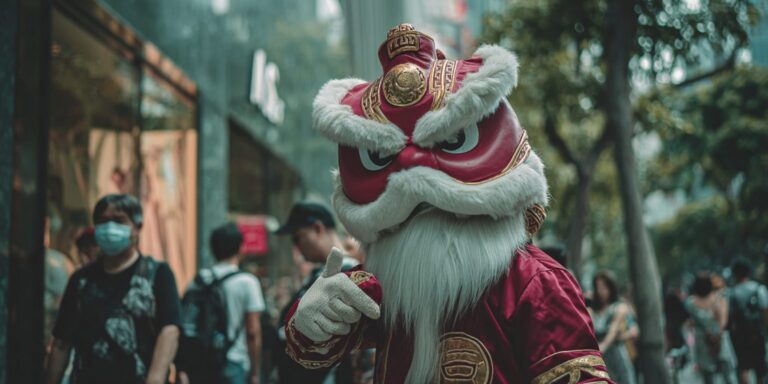
Lion dance teams enter next, their movements timed to coincide with auspicious music from drums and cymbals. The lion ‘plucks the greens’ (cai qing) before presenting them to the newlyweds or hosts—a ritual symbolizing luck and financial growth. The God of Fortune mascot makes a grand entrance after this segment, distributing chocolate coins or red packets (ang bao), reinforcing wishes for wealth.
In many modern ceremonies, Bian Lian performers captivate guests with dramatic mask changes that symbolize transformation and new beginnings. Professional event organizers coordinate each step meticulously so that every element flows seamlessly—from initial prayers to final blessings—creating an atmosphere rich in tradition yet lively enough for today’s celebrations.
How Singaporean Weddings Incorporate the God of Fortune
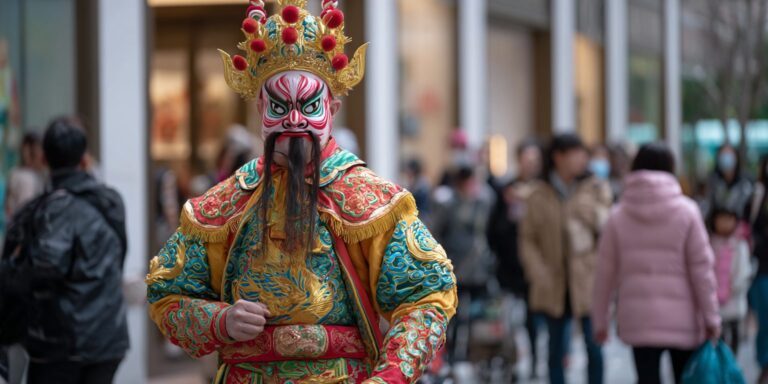
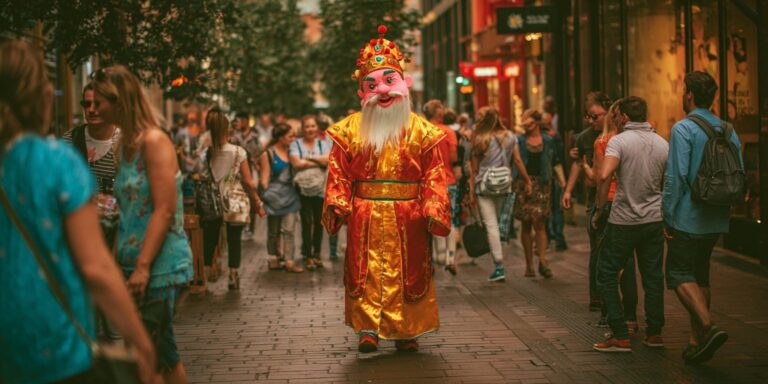
Modern Singaporean weddings often feature the God of Fortune as both a cultural highlight and a wish for lifelong prosperity. Couples may invite a mascot dressed in vibrant robes to greet guests during cocktail hour or make a surprise appearance during dinner banquets. This character hands out gold-wrapped chocolate coins or red packets, delighting children and adults alike while reinforcing well wishes for wealth.
Some families choose to begin wedding festivities with a concise blessing ritual led by either a family elder or temple representative. This may include lighting mini prosperity lamps or reciting traditional prayers before exchanging vows. Lion dance performances are frequently paired with the God of Fortune’s arrival—signaling double happiness and success for the couple’s new journey together.
Increasingly, couples request Bian Lian acts or energetic drum shows alongside these blessings to entertain guests from diverse backgrounds. This thoughtful combination bridges heritage with contemporary taste—a testament to how local weddings honor tradition while embracing inclusivity. To ensure every aspect runs smoothly, it’s best to book experienced providers like Wolf Events early; they offer full customization options so couples can blend time-honored rituals with personal flair.
Lion Dance, Bian Lian, and Drum Performances – Enhancing the Celebration
Lion dance, Bian Lian mask changing, and drum performances bring a unique vibrancy to wedding celebrations in Singapore. Each tradition carries deep meaning, blending the auspicious with the spectacular to create memories that last a lifetime. Whether you are seeking blessings for prosperity or an unforgettable spectacle for your guests, these performances connect age-old symbolism with modern-day festivities.
The presence of the God of Fortune mascot alongside lion dance has become a wedding essential for couples who want to infuse their big day with luck and abundance. As Singapore’s multicultural landscape evolves, more couples are choosing to combine traditional rituals—like lighting Prosperity Blessing Lamps or inviting a God of Fortune mascot—with modern entertainment such as Bian Lian and drum shows.
This fusion creates celebrations that feel both personal and culturally rich. Wolf Events understands the evolving needs of today’s couples. Our team tailors every performance to your unique preferences, ensuring authenticity while adding contemporary flair. For those planning weddings in 2025 or beyond, booking early is essential—especially around high-demand periods like the birthday of the Five Direction Gods of Wealth or major public events.
The lion dance is more than just an energetic performance; it’s a powerful symbol of joy, luck, and protection for newlyweds in Singapore. When performed at a wedding, it drives away negative energy while attracting positive qi and prosperity. Many couples request a lion dance accompanied by a God of Fortune mascot to amplify these blessings.
Lion Dance and Its Significance for Weddings
Traditionally, the lion ‘cai qing’ (plucking the greens) ritual is included. Here, the lion collects auspicious items like lettuce or oranges, representing wealth and fertility for the couple. The God of Fortune often joins in by bestowing red packets or symbolic tokens on the bride and groom—a gesture believed to invoke lasting happiness and abundance in their marriage.
Wolf Events specializes in choreographing wedding lion dances that respect tradition while captivating guests from all backgrounds.
Bian Lian—the breathtaking art of mask changing—has become a sought-after highlight at weddings in Singapore. Rooted in Sichuan opera, this performance wows guests as the performer changes painted masks in split seconds with effortless grace. At weddings, Bian Lian symbolizes adaptability and joy—a wish for the couple to face life’s changes together with harmony.
The Art of Bian Lian (Mask Changing) in Wedding Entertainment
Integrating Bian Lian into wedding entertainment brings an unexpected thrill that appeals across generations and cultures. Many couples pair this act with traditional blessings like God of Fortune appearances or lion dances for a well-rounded celebration that honors heritage while delighting modern audiences. If you want your special day to stand out, consider adding Bian Lian to your line-up.
Wolf Events offers professional mask changing artists who can customize performances based on your wedding theme or story.
Drum performances mark significant moments at Chinese weddings—heralding new beginnings with thunderous rhythm and energy. In Singaporean ceremonies, drum troupes often lead processions featuring lions and God of Fortune mascots as they bless newlyweds’ homes or banquet halls. The deep resonance of drums is said to dispel misfortune while ushering in good fortune for married life ahead.
Drum Performances for Auspicious Beginnings
Couples frequently schedule drumming at pivotal moments – grand entrances, tea ceremonies, or after exchanging vows—to energize proceedings and unite family members in celebration. Wolf Events’ drum teams adapt performances for both intimate gatherings and grand hotel ballrooms across Singapore.
The presence of a God of Fortune mascot at weddings in Singapore adds a vibrant and meaningful touch to the celebration. Rooted in centuries-old Chinese traditions, the God of Fortune symbolizes prosperity, abundance, and auspicious blessings for newlyweds. In modern Singapore, this ceremony has evolved to embrace both classic rituals and contemporary entertainment, making it an ideal choice for couples seeking a memorable start to their married life.
Engaging God of Fortune Mascot Services for Weddings
During a wedding, the God of Fortune mascot is often accompanied by a lively lion dance or dramatic drum performance. This dynamic pairing not only energizes the festivities but also amplifies the symbolic transfer of good luck and wealth. Bian Lian (mask changing) artists are sometimes included to add visual flair and represent transformation—a fitting motif for couples embarking on a new chapter together.
Singapore’s multicultural landscape has led to thoughtful adaptations of these ceremonies, making them inclusive and engaging for diverse audiences. Couples today can choose from traditional or modern interpretations, customizing the experience to fit intimate gatherings or grand banquets. Wolf Events specializes in tailoring God of Fortune mascot services, ensuring every wedding receives an authentic blessing with professional flair.
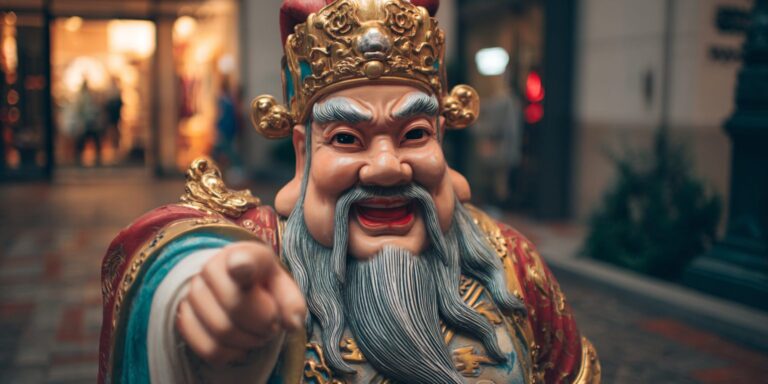
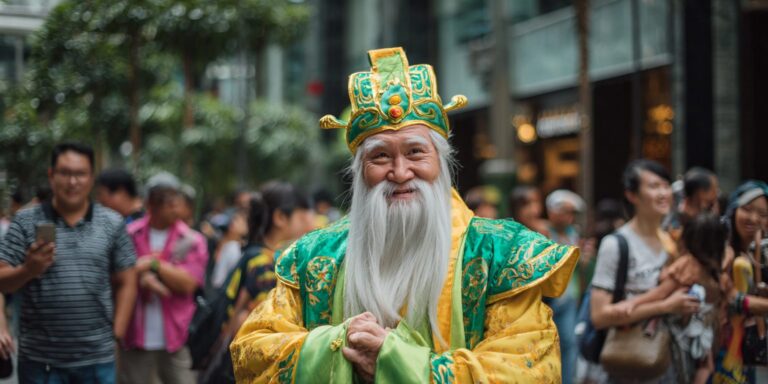
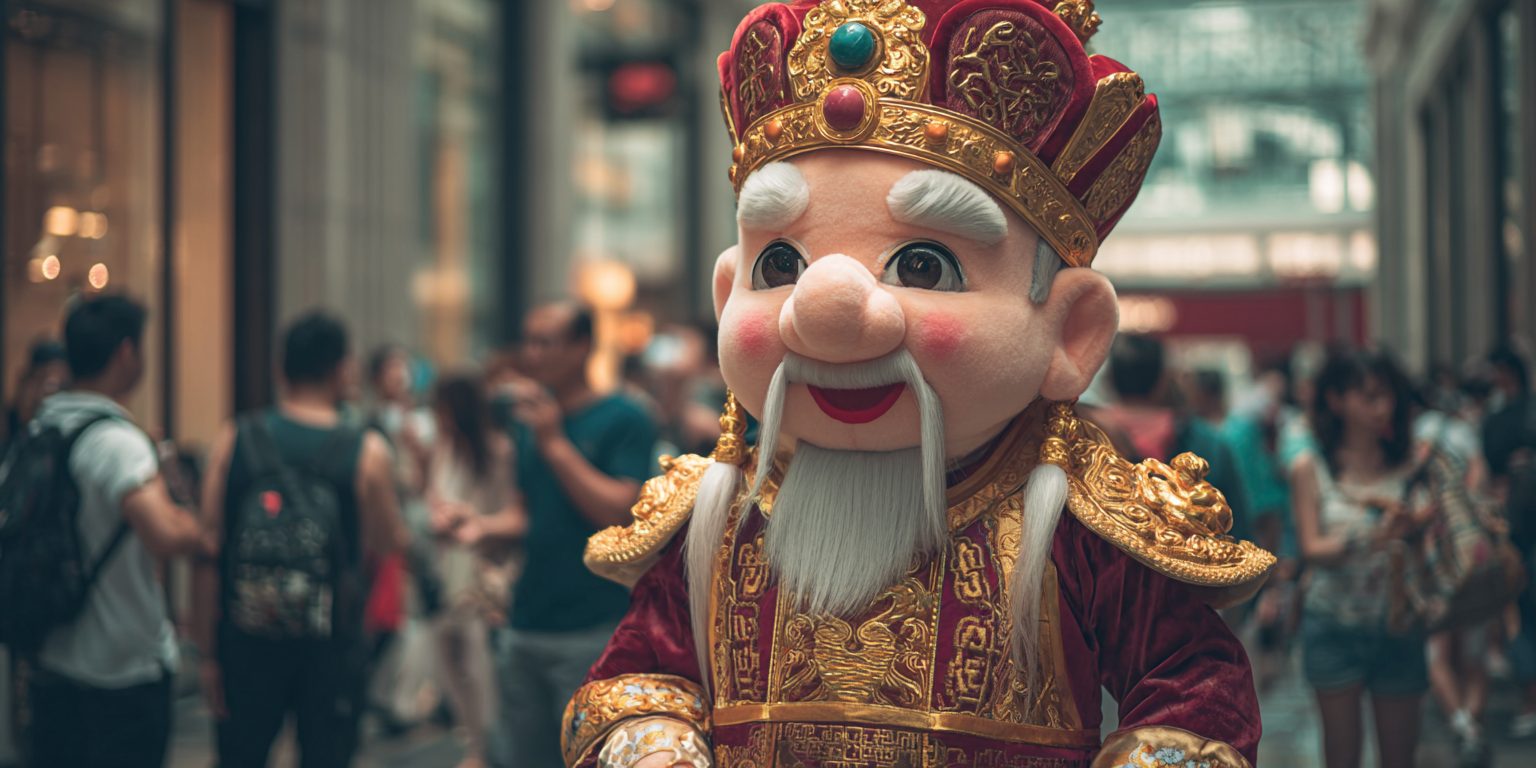
A God of Fortune mascot at your wedding brings more than just photo opportunities—it’s about channeling positive energy and well-wishes into your marriage. Typically donned in resplendent robes and crowned with a golden headdress, the mascot greets guests with jovial gestures and auspicious words. Expect interactive segments where the mascot hands out gold ingots (symbolic tokens), red packets, or chocolate coins to guests and especially to the couple.
These acts embody wishes for wealth and happiness. It’s common for the entrance procession to include rhythmic drum beats or even a brief lion dance—both designed to ward off negativity and invite prosperity. Modern performances may weave in storytelling elements or short speeches explaining the significance behind each gesture, making it accessible even for guests unfamiliar with Chinese customs.
What to Expect from a God of Fortune Mascot
With Wolf Events, you’ll enjoy smooth coordination between performers so that every blessing feels heartfelt and seamless.
Begin planning early—peak wedding seasons often overlap with major festivals like Chinese New Year or the birthday of the Five Direction Gods of Wealth in February. Securing your preferred date ensures you get experienced performers who understand both traditional etiquette and modern event flow. Work closely with your chosen provider (like Wolf Events) to tailor every detail – from costume style and performance sequence to special requests such as involving family elders in rituals.
Consider integrating other cultural elements—such as Bian Lian mask changing or unique drum routines—to make your blessing ceremony truly stand out. If you have guests unfamiliar with Chinese customs, request a brief explanation segment during the ceremony. This makes everyone feel included while honoring heritage. For smooth logistics on your big day, confirm arrival times, sound system needs, and space requirements ahead of time.
Tips for Booking and Customizing Your Blessing Ceremony
Singaporean weddings have long been a vibrant tapestry of traditions, reflecting the city’s multicultural heritage. Today, couples are choosing to honour their roots while embracing new ways to celebrate. The God of Fortune blessing ceremony remains a powerful symbol, signifying prosperity, luck, and an auspicious start for newlyweds. These blessings are no longer limited to strictly traditional settings; you’ll now see them at chic hotel ballrooms, intimate garden gatherings, and even fusion-themed banquets.
Lion dance troupes and God of Fortune mascots continue to be crowd favourites at wedding receptions. Their presence isn’t just about spectacle—it’s about invoking positive energy and sharing good wishes with family and friends. Modern couples often integrate these blessings with contemporary performances like Bian Lian (Mask Changing) or energetic drum shows, creating a memorable experience that bridges the past and present.
Temples such as Punggol Tu Di Gong Temple remain central for those seeking authentic rituals, but there’s also a growing trend for customizing ceremonies to suit diverse guest lists. Whether it’s a traditional procession or a creative twist on ancient customs, these evolving trends make every celebration uniquely Singaporean.
Cultural Relevance and Evolving Trends in Singaporean Weddings
Modern Singaporean couples are finding innovative ways to weave tradition into their weddings without compromising on personal style. The God of Fortune blessing ceremony is often reimagined—some choose an elaborate ritual led by a temple master, while others opt for a charismatic mascot appearance paired with dynamic entertainment. This flexibility allows families from different backgrounds to participate and appreciate the meaning behind each gesture.
Entertainment has evolved too. It’s common now to see the God of Fortune mascot arrive alongside lion dancers or even Bian Lian performers, captivating guests while delivering heartfelt blessings. Drum performances add another layer of excitement, energizing the celebration and symbolising harmony between old and new customs.
Singapore’s multicultural landscape means wedding celebrations often bring together diverse families and traditions. The God of Fortune blessing is increasingly embraced by mixed-heritage couples who want to include Chinese prosperity rituals alongside other cultural practices. The symbolic act of bestowing wealth and happiness transcends language barriers—everyone recognizes the joy as the God of Fortune mascot presents gold ingots or hands out lucky red packets.
At major public events like River Hongbao 2025, large-scale blessings showcase how these traditions adapt for all communities. Temples such as Punggol Tu Di Gong Temple also welcome non-Chinese participants who wish to join in annual blessing ceremonies or learn about their significance. If you’re planning a multicultural wedding in Singapore, consider inviting the God of Fortune mascot for an inclusive experience that celebrates unity in diversity.
Adapting Traditions for Modern Couples
Modern Singaporean couples are finding innovative ways to weave tradition into their weddings without compromising on personal style. The God of Fortune blessing ceremony is often reimagined—some choose an elaborate ritual led by a temple master, while others opt for a charismatic mascot appearance paired with dynamic entertainment. This flexibility allows families from different backgrounds to participate and appreciate the meaning behind each gesture.
Entertainment has evolved too. It’s common now to see the God of Fortune mascot arrive alongside lion dancers or even Bian Lian performers, captivating guests while delivering heartfelt blessings. Drum performances add another layer of excitement, energizing the celebration and symbolising harmony between old and new customs.
For those wanting something extra special, Wolf Events offers bespoke packages that blend cultural authenticity with modern flair—reach out via WhatsApp or our Contact Form to explore your options.
The God of Fortune Blessing in Multicultural Celebrations
Singapore’s multicultural landscape means wedding celebrations often bring together diverse families and traditions. The God of Fortune blessing is increasingly embraced by mixed-heritage couples who want to include Chinese prosperity rituals alongside other cultural practices. The symbolic act of bestowing wealth and happiness transcends language barriers—everyone recognizes the joy as the God of Fortune mascot presents gold ingots or hands out lucky red packets.
At major public events like River Hongbao 2025, large-scale blessings showcase how these traditions adapt for all communities. Temples such as Punggol Tu Di Gong Temple also welcome non-Chinese participants who wish to join in annual blessing ceremonies or learn about their significance. If you’re planning a multicultural wedding in Singapore, consider inviting the God of Fortune mascot for an inclusive experience that celebrates unity in diversity.
Wolf Events specializes in tailoring blessings for any audience—contact us today via WhatsApp or our Contact Form to discuss your vision.
Common Questions
What is the God of Fortune blessing ceremony in a Chinese wedding?
The God of Fortune blessing ceremony is a traditional ritual where the God of Fortune (Cai Shen) is invoked to bestow prosperity, good luck, and harmony upon the newlyweds, often accompanied by symbolic performances such as lion dance, drum shows, and the appearance of a God of Fortune mascot.
Why is the God of Fortune important in Chinese weddings?
The God of Fortune symbolizes wealth, abundance, and auspicious beginnings, making his blessing a highly valued tradition to ensure a prosperous and harmonious marriage.
How is the God of Fortune blessing ceremony performed at weddings in Singapore?
In Singapore, the ceremony often includes a God of Fortune mascot distributing gold ingots or red packets, lion dance performances to drive away bad luck, and drum performances to energize the celebration, all tailored to the couple’s preferences.
Can the God of Fortune blessing be combined with other traditional performances?
Yes, it is common to combine the God of Fortune blessing with lion dance, Bian Lian (mask changing), and drum performances to create a vibrant and auspicious atmosphere for the wedding celebration.
When is the best time to include the God of Fortune blessing in a wedding?
The blessing is typically performed during the wedding banquet or reception, especially at auspicious timings chosen in consultation with elders or a feng shui master, to maximize good fortune for the couple.
Whether you’re planning a wedding steeped in tradition or seeking modern ways to bless your union, the God of Fortune ceremony remains a vibrant thread in Singapore’s wedding tapestry. From the lively lion dance and awe-inspiring Bian Lian performances to the symbolic arrival of the God of Fortune mascot, these rituals blend age-old meaning with contemporary flair for truly unforgettable celebrations.
Curious about how to weave this auspicious blessing into your own big day? Take a look around our website for detailed guides, inspiration, and practical tips on every aspect of the Chinese Wedding God of Fortune Blessing Ceremony in Singapore. If you’re ready to make your wedding extra prosperous, Whatsapp Us or reach out via our Contact Form—we’d love to help you craft a celebration that’s rich in joy and good fortune.