Clan Association Lion Dance Team – Tradition, Community, and Modern Innovations in Singapore
Clan Association Lion Dance Team – Tradition, Community, and Modern Innovations in Singapore explores how these teams have evolved from their historical roots to become a dynamic force in the local cultural landscape. Originally formed by clan associations like the Hok San Association and Kong Chow Wui Koon, these lion dance troupes have long served as custodians of traditional lion dance in Singapore, preserving unique performance styles, costume designs, and techniques that reflect their heritage.
In recent years, Singapore clan association lion dance troupes have embraced modern innovations, attracting multi-ethnic and younger members while using social media and video technology to reach broader audiences. These teams continue to stand out from commercial lion dance groups by fostering strong community bonds and multi-generational involvement. Their presence at festivals such as Chinese New Year and regular wins at national competitions highlight both their cultural significance and ability to adapt to contemporary trends.
Clan Association Lion Dance Team in Singapore – An Enduring Tradition
Clan association lion dance teams in Singapore represent a living bridge between heritage and innovation. These troupes, deeply rooted in the island’s early migrant communities, have become icons of cultural continuity. They are not just performers at festive occasions but stewards of tradition, entrusted with passing on skills and values that date back generations.
In 2025, clan association lion dance teams remain vital hubs for community life. Established groups like Hok San Association and Kong Chow Wui Koon regularly captivate crowds at competitions and public events, earning accolades while evolving their performances to keep pace with modern tastes. By blending classic artistry with new costume designs and media outreach, these teams continue to draw interest from youth across all backgrounds, ensuring the tradition’s relevance for years to come.
What sets clan-based troupes apart is their commitment to fostering personal connections and lifelong bonds within the community. Their stories are shaped not just by award-winning routines but by the dedication of families and friends who gather to train, celebrate, and preserve a piece of Singapore’s shared identity.
Wolf Events works closely with these renowned teams—if you’re inspired to witness or host a traditional lion dance performance that honours history while embracing tomorrow, message us on WhatsApp or use our contact form.
| Clan Association | Founded | Notable Achievements |
|---|---|---|
| Hok San Association | 1920s | First lion dance troupe in Singapore; Costume innovations; Multiple competition awards |
| Kong Chow Wui Koon | 1840s | Award-winning lion & dragon dance; Cultural preservation leader |
| Nanyang Khek Community Guild | 1929 | Multi-generational team; Community engagement |
Origins and Historical Significance
Clan association lion dance teams trace their roots to Singapore’s earliest Chinese communities. In the late 19th and early 20th centuries, migrants formed clan associations for mutual support. Lion dance quickly became central to their celebrations and rituals, symbolising unity and warding off misfortune. The Hok San Association is especially significant, credited as Singapore’s first lion dance troupe.
Its influence can be seen in the widespread adoption of its unique Southern style across other groups. These origins reflect not just entertainment but a resilient spirit—lion dance became a way for immigrants to express identity and solidarity amid changing times.
| Era | Key Event | Impact |
|---|---|---|
| Late 1800s | Formation of clan associations | Lion dance introduced as community ritual |
| 1920s | Hok San Association established | Standardisation of Southern style |
| Post-War Era | Lion dance spreads across Singapore | Cultural integration into festivals |
The Role of Clan Associations in Lion Dance Preservation
Clan associations serve as custodians of traditional lion dance in Singapore. They provide training spaces, mentorship from masters, and foster discipline among members. This structured environment ensures authentic techniques are preserved while allowing innovation in choreography or costumes. Unlike commercial troupes focused mainly on entertainment bookings, clan-based teams emphasise cultural education and values such as respect for elders and teamwork.
In recent years, they have embraced social media platforms to reach younger generations and showcase their artistry to wider audiences—maintaining relevance while upholding legacy.
Generational Bonds and Community Involvement
Lion dance within clan associations is often a family affair—grandparents introduce grandchildren, siblings train side by side, and entire families turn up for rehearsals or celebrations. This intergenerational transfer deepens ties not only within clans but also the broader neighbourhood. Today’s teams increasingly welcome members from diverse ethnic backgrounds, reflecting Singapore’s multicultural spirit.
Women are also playing bigger roles as performers or leaders—a testament to the evolving inclusivity of the art form. The sense of belonging created through shared practice helps anchor young people in their heritage even as they adapt to modern life.
Wolf Events Fact Machine
The Hok San Association is widely recognised as Singapore’s first lion dance troupe, established in 1920. Their innovative ‘Hok San’ style has influenced lion dance performances across Southeast Asia.
Modern Adaptations and Innovations
Lion dance in Singapore has undergone a fascinating transformation as it bridges tradition with the vibrancy of modern life. While the roots of many lion dance troupes can be traced to clan associations like Hok San Association and Kong Chow Wui Koon, these groups are far from static. Today, they welcome members from all walks of life, including women and non-Chinese participants, reflecting Singapore’s multi-ethnic identity.
This evolving community spirit keeps the art form relevant and helps foster genuine connections across generations. Modernisation is not just about who performs, but also how performances are delivered and perceived. Traditional values remain at the core, yet troupes actively experiment with new costume designs, innovative choreography, and contemporary music arrangements.
Competitions and public performances are more dynamic than ever, attracting younger audiences and making lion dance a year-round cultural highlight in Singapore—not just for Chinese New Year. These efforts have not only kept traditions alive but have also elevated the standing of clan-based teams on both local and international stages.
Costume and Performance Evolution
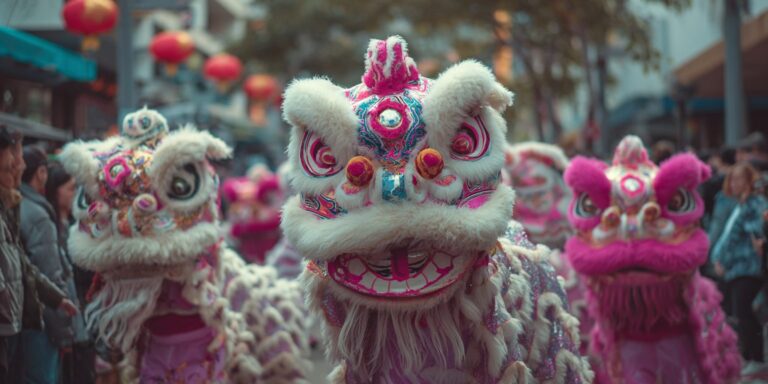
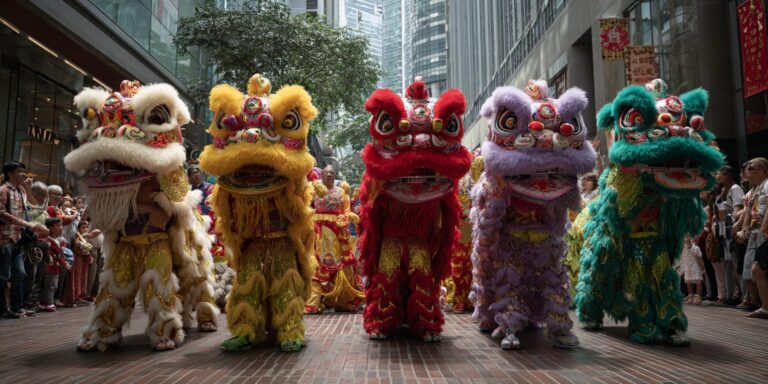
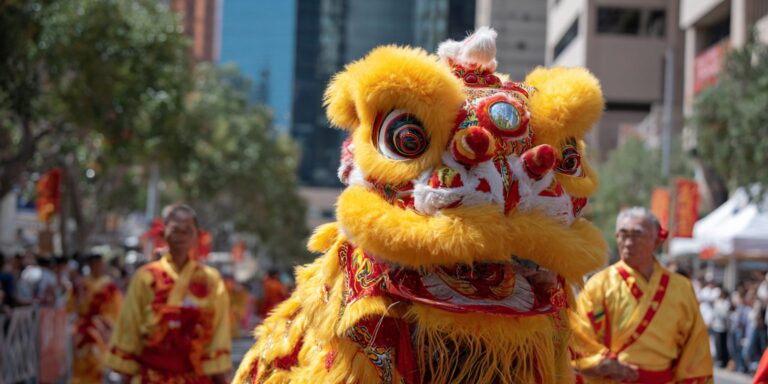
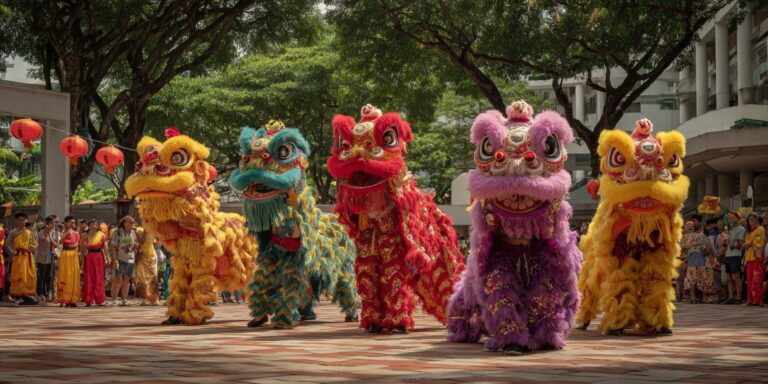
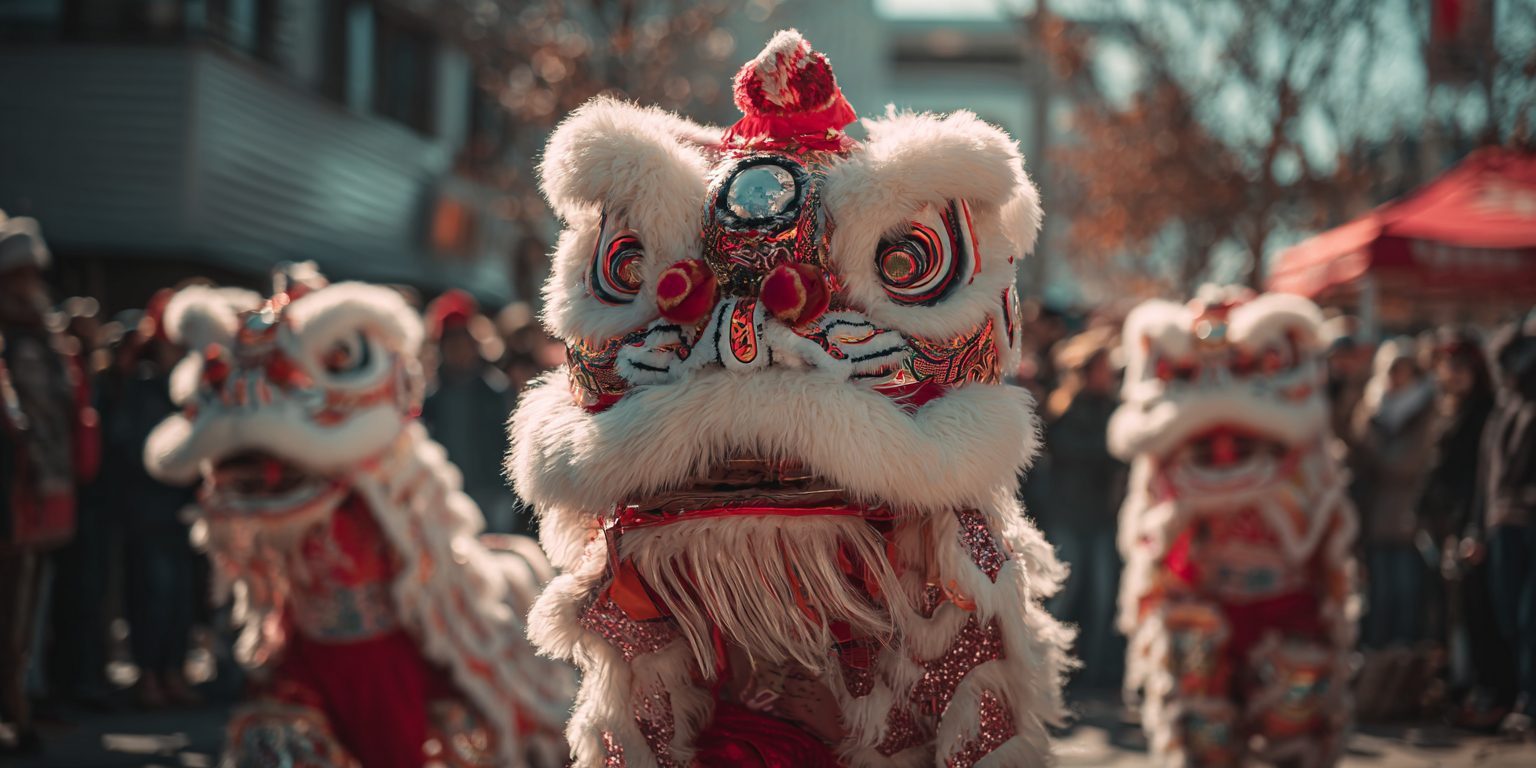
The evolution of lion dance costumes in Singapore speaks volumes about the creativity and adaptability of its performers. Troupes rooted in tradition—like those from Hok San Association—have introduced lighter materials, vibrant colour schemes, and intricate head designs that appeal to modern tastes without sacrificing authenticity. These innovations help performers execute acrobatic stunts more safely while captivating audiences with dazzling visual flair.
Performance formats have also shifted significantly. Besides the classic stage shows at festivals or weddings, teams now choreograph thematic routines for brand launches or multicultural events. The inclusion of women performers and multi-generational members adds new dynamics to each show, creating fresh narratives that resonate with today’s diverse Singaporean society.
Embracing Technology and Social Media
Singapore’s clan association lion dance troupes are harnessing technology to keep their heritage alive while reaching new audiences. Teams actively share behind-the-scenes videos, live performances, and competition highlights on platforms like Instagram, TikTok, and YouTube. This digital presence sparks interest among younger generations who discover lion dance online before experiencing it in person.
Social media has also become a tool for recruitment and community building. By showcasing personal stories of multi-generational involvement or the experiences of female troupe members, groups foster greater inclusivity. Live streaming major events allows friends and family abroad to tune in—strengthening bonds even beyond Singapore’s shores.
Comparing Clan Association and Commercial Lion Dance Teams
Clan association lion dance teams in Singapore have a deep-rooted history, shaped by the traditions and values of their founding communities. Groups like the Hok San Association and Kong Chow Wui Koon have become household names, not only for their longevity but also for their unwavering dedication to preserving authentic lion dance techniques and cultural rituals.
These troupes are often multi-generational, with older members mentoring the young, passing down skills and stories that keep the heritage alive. Commercial lion dance teams, on the other hand, tend to focus on professional performances tailored to corporate events and private celebrations. While they may adopt elements from traditional styles, their approach is more business-oriented.
They often prioritize efficiency, customer service, and spectacle—sometimes experimenting with modern music or fusion choreography to suit diverse audiences. A key distinction lies in the community impact and sense of belonging fostered by clan association troupes. These teams serve as cultural anchors, bringing together families from all backgrounds—including non-Chinese members—through shared practice and celebration.
Meanwhile, commercial teams play a crucial role in making lion dance accessible for those seeking vibrant entertainment at short notice. Both types of teams have adapted to modern times by leveraging social media and video platforms, reaching new audiences while honoring their respective roots.
Values, Training, and Community Impact
Clan association lion dance troupes are grounded in values such as respect for elders, discipline, and community service. Training is often rigorous but nurturing—veteran performers coach newcomers not just in technique but also in cultural etiquette and team spirit. This environment builds strong intergenerational ties; many members return year after year to contribute during festivals like Chinese New Year or National Day events.
Commercial lion dance teams typically emphasize performance quality and customer satisfaction. Their training programs are structured for quick skill acquisition and adaptability across various event settings. While professionalism is a priority, these teams may not always offer the same level of cultural immersion or mentorship found within clan associations. Both models now welcome participants from diverse backgrounds—including women and non-Chinese members—reflecting Singapore’s multicultural society.
Clan association teams often spearhead community outreach initiatives such as free workshops or school demonstrations. In contrast, commercial teams might focus on branded collaborations or seasonal campaigns. Regardless of their structure, both contribute significantly to Singapore’s rich performing arts landscape—preserving tradition while embracing change.
The Future of Clan Association Lion Dance Teams in Singapore
Clan association lion dance troupes have long been pillars of heritage in Singapore. These teams, with roots stretching back over a century, like the Hok San Association and Kong Chow Wui Koon, have shaped what many recognise today as traditional lion dance Singapore. Their performances are not only centrepieces at Chinese New Year and major festivals but also living links to the city’s rich cultural tapestry.
Today, the landscape is evolving. Traditional teams are reaching beyond their original communities, welcoming members from all backgrounds and ages. Younger generations—drawn by stories of family legacy or a passion for performance—are joining alongside seasoned veterans. Women and non-Chinese enthusiasts are also finding their place in these once-exclusive circles. This multi-generational and multi-ethnic spirit infuses new energy into each troupe, keeping traditions vibrant while fostering genuine community bonds.
Innovation is central to this evolution. Costumes now feature contemporary designs, and performances experiment with fresh choreography to captivate modern audiences. Social media platforms have become vital tools—troupes livestream rehearsals, showcase winning competition routines, and share behind-the-scenes stories. These digital efforts not only attract youth but also widen the audience for clan-based teams far beyond Singapore’s shores.
As they continue to balance heritage with innovation, clan association lion dance troupes remain at the heart of local celebrations—ensuring that their artistry endures for generations to come. For those seeking authentic experiences or wishing to support this living heritage, Wolf Events offers tailored lion dance performances by some of Singapore’s most respected teams.
Message us on Whatsapp or use our Contact Form to learn more.
Common Questions
What is a clan association lion dance team?
A clan association lion dance team is a group formed under a Chinese clan association, often representing specific dialect groups or regions, dedicated to preserving and performing traditional lion dance as part of their cultural heritage.
How are clan association lion dance teams different from commercial troupes?
Clan association teams are rooted in community and heritage, often passed down through generations and focused on cultural preservation, while commercial troupes may prioritize entertainment and business, sometimes with less emphasis on tradition.
Can anyone join a clan association lion dance team in Singapore?
While originally limited to clan members, many teams now welcome members from all backgrounds, reflecting Singapore’s multicultural society and the desire to keep the art form alive.
What events do clan association lion dance teams perform at?
They perform at major festivals like Chinese New Year, weddings, business openings, community events, and sometimes at international competitions.
How do clan associations contribute to the preservation of lion dance?
They provide training, mentorship, and resources, ensuring the transmission of skills and values across generations, and maintain archives and memorabilia documenting their troupe’s history.
As we’ve explored, clan association lion dance teams in Singapore are much more than cultural performers—they are the heartbeat of tradition, community spirit, and modern creativity. Their continued evolution, from preserving ancient rituals to harnessing the power of social media and welcoming members from all walks of life, proves that heritage can thrive alongside innovation.
If you’re fascinated by the stories behind these multi-generational troupes and want to discover more about their unique contributions, take some time to browse around our website. For those inspired to bring this vibrant tradition to your next event or simply curious to learn more, feel free to reach out via Whatsapp Us or our Contact Form.