Cultural Significance of Sichuan Mask Changing – Tradition, Symbolism & Modern Influence in Singapore
The cultural significance of Sichuan mask changing – tradition, symbolism & modern influence in Singapore is increasingly visible as Bian Lian evolves from its secretive origins in Chinese opera to a celebrated feature at multicultural events across the city-state. Once an art form passed only to select male performers, Sichuan mask changing now resonates in Singapore’s diverse cultural landscape, captivating audiences at Chinese New Year celebrations, arts festivals, and even international gatherings.
This transformation reflects both a reverence for heritage and a willingness to adapt—mirroring the city’s blend of tradition and innovation.
Recent years have seen Bian Lian incorporated into global street dance and contemporary performances, drawing interest from new generations and international spectators. Female and non-Chinese artists are increasingly taking center stage, challenging conventions while sparking important conversations about authenticity and preservation.
As Singapore becomes a key stage for modern adaptations of face changing performance, the meaning behind Sichuan opera masks, their colors, and characters continues to bridge Chinese values with local identity—demonstrating how this ancient art form remains relevant in shaping cultural dialogue today.
Cultural Significance of Sichuan Mask Changing
Sichuan mask changing, or Bian Lian, remains a captivating art form that bridges centuries of tradition with today’s multicultural celebrations. The dramatic flourish of each mask swap is more than just stagecraft—it is a living expression of Chinese values, storytelling, and community identity. As global audiences grow more curious about this mysterious performance, its role as a cultural ambassador has never been more relevant.
In Singapore and other Southeast Asian societies, Bian Lian performances have become a highlight at festivals and corporate events. These shows honour their roots in Sichuan opera while also reflecting the vibrant diversity of local communities. With each performance, audiences witness not only technical mastery but also the resilience and adaptability of Chinese heritage in a modern world.
Today, Bian Lian’s cultural significance continues to evolve as artists blend traditional techniques with contemporary dance and even street performances. This ongoing transformation ensures that Sichuan mask changing remains both relevant and revered—an art form that connects past and present while inviting new interpretations from every corner of the globe.
| Aspect | Traditional Role | Modern Adaptation |
|---|---|---|
| Transmission | Passed down through male lineages | Learned by women & non-Chinese performers |
| Performance Context | Chinese opera stages | Global festivals & dance competitions |
| Technique Secrecy | Closely guarded secrets | Public workshops & educational outreach |
Symbolism and Meaning in Chinese Culture
The symbolism behind Sichuan mask changing runs deep within Chinese culture. Each face reflects not just a character’s personality but also important moral lessons and cultural values. The rapid change from one mask to another symbolizes life’s unpredictability—a nod to the ever-shifting fortunes in human experience. Historically, Bian Lian masks helped tell complex stories in Chinese opera, instantly communicating good or evil, loyalty or betrayal through colour and expression.
Even as modern performers bring Bian Lian to diverse audiences worldwide, this symbolic power endures. In Singapore’s multicultural setting, these performances foster appreciation for Chinese traditions while encouraging dialogue about identity and belonging.
| Symbolic Element | Cultural Meaning |
|---|---|
| Mask Changing | Impermanence & unpredictability of life |
| Face Colors | Represent virtues or vices |
| Secrecy of Art | Respect for tradition & mastery |
The Role of Masks and Colors
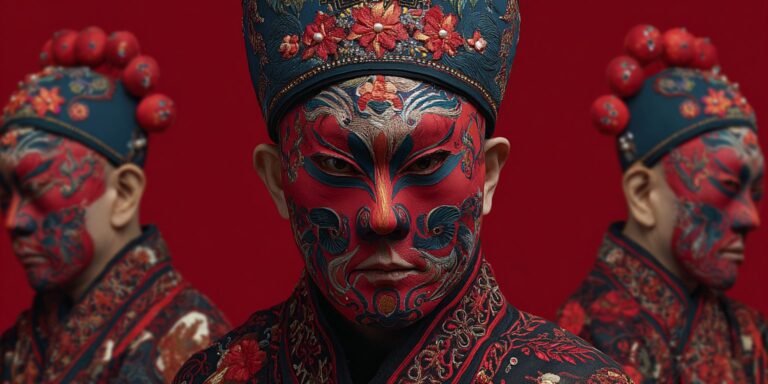
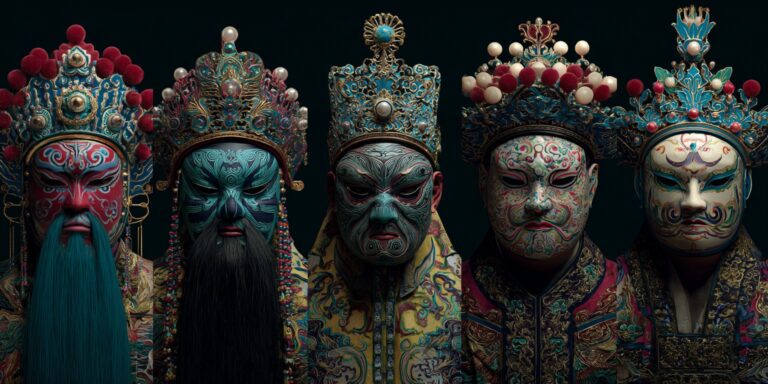
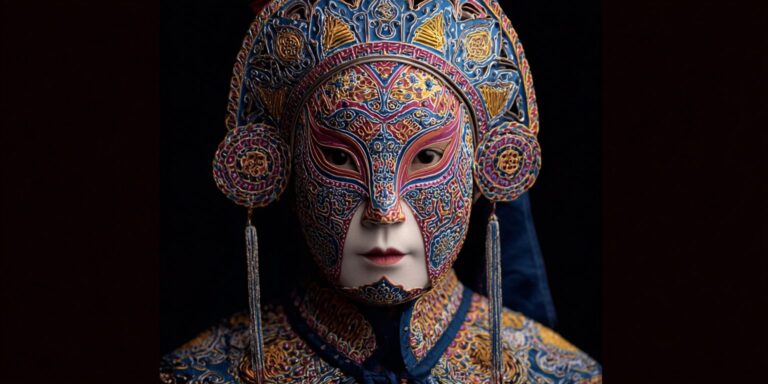
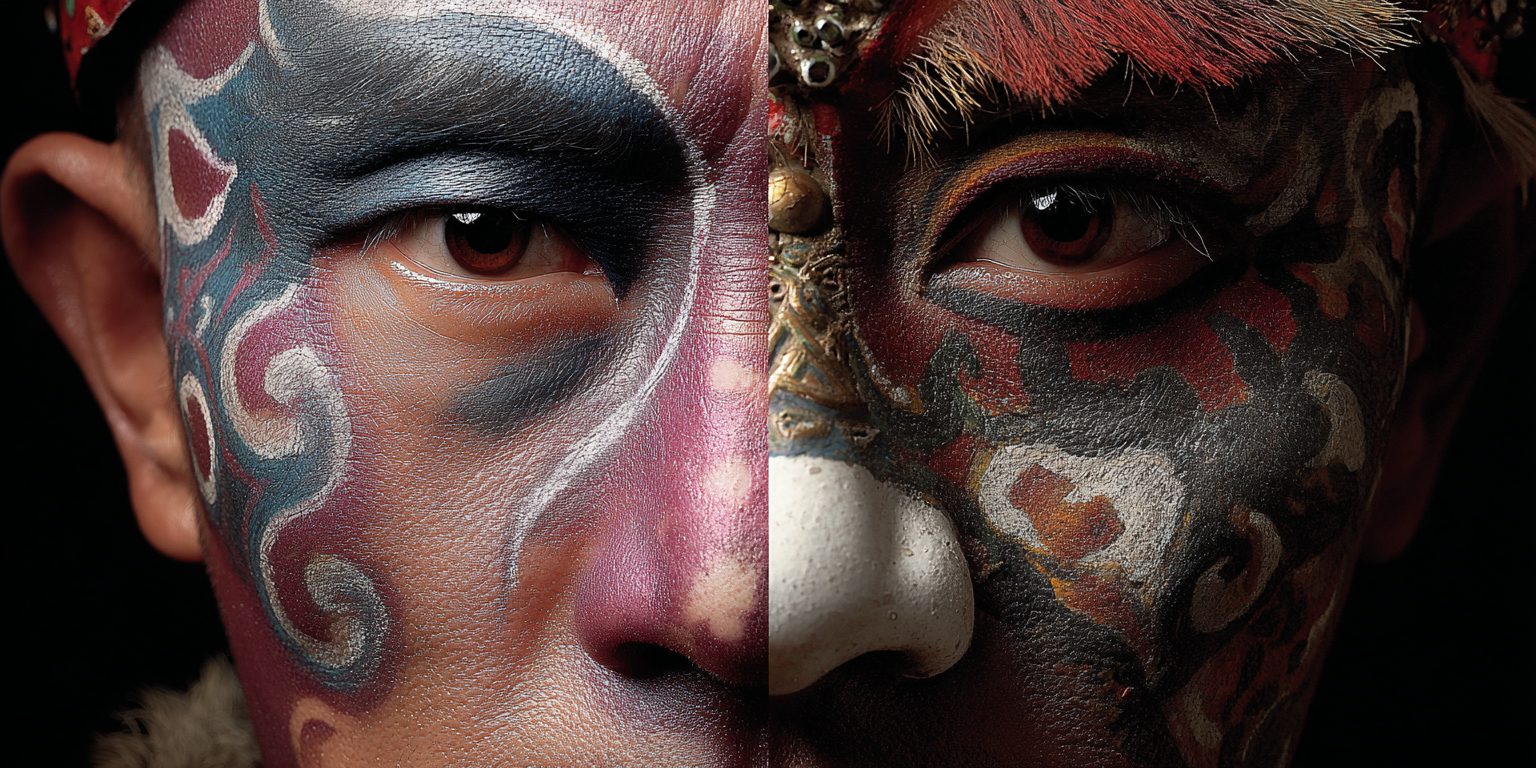
In Bian Lian, masks are more than mere props—they are storytelling devices imbued with layered meanings. Every colour used in Sichuan opera masks carries specific connotations – red stands for loyalty and bravery, black signifies integrity, white often hints at cunning or treachery, and gold or silver represent supernatural beings.
Contemporary performers sometimes reinterpret these colours to suit modern narratives or appeal to international audiences. Yet the core principles remain unchanged – each mask conveys a distinct message at lightning speed. This visual language transcends words and connects deeply with viewers regardless of their background—making mask changing an unforgettable cultural experience at every Wolf Events showcase.
Wolf Events Fact Machine
Until the late 20th century, Bian Lian techniques were so closely guarded that performers risked severe penalties—including expulsion from their opera troupes—if they revealed secrets outside their family or lineage.
History and Evolution of Bian Lian
Bian Lian, known as face changing, has captivated audiences for centuries with its enigmatic flair and technical mastery. Rooted in the vibrant traditions of Sichuan opera, the art form emerged as a visual storytelling device, where each swift mask change reveals shifting emotions and hidden motives. These masks, with their vivid colors and bold designs, symbolize the complex layers of human nature and morality—a reflection of the values deeply embedded in Chinese culture.
As Bian Lian traveled beyond Sichuan’s borders, it evolved alongside the communities that embraced it. In modern Singapore and across Southeast Asia, mask changing now features prominently at cultural festivals and corporate events. Contemporary artists fuse Bian Lian with street dance and multimedia shows, drawing younger audiences while honoring its symbolic origins.
This evolution preserves the art’s essence yet ensures its relevance amid changing times. Internationally, Bian Lian has become a highlight at global events such as the Olympics and world dance competitions. Its growing popularity raises thoughtful discussions around cultural identity and authenticity—especially as performers from diverse backgrounds reinterpret this once-secretive tradition for new audiences.
Origins in Sichuan Opera
The origins of Bian Lian are intertwined with the history of Sichuan opera itself. Developed during the Qing Dynasty, this performance art used mask changing to depict dramatic character shifts—heroes turning into villains or revealing their true intentions in an instant. The technique was designed not only to mesmerize but also to communicate layers of meaning through color symbolism – red for loyalty, black for integrity, white for cunning.
Each mask is meticulously crafted to represent a distinct personality or emotion. The rapid changes reflect the unpredictability of fate—a theme cherished in traditional Chinese storytelling. Over time, Bian Lian became one of Sichuan opera’s most iconic elements, captivating both local communities and international visitors.
Transmission of Secrets and Gender Traditions
For generations, mastery of Bian Lian was passed down through tightly guarded lineages within male-dominated troupes. The secrecy surrounded not just technique but also the philosophy behind each mask’s movement—a tradition meant to protect both artistic integrity and family livelihood. Women were rarely permitted to learn or perform these techniques.
In recent years, however, this landscape has changed dramatically. Driven by global exposure and shifting social norms, women and non-Chinese artists are now actively learning Bian Lian. Their participation sparks new debates about authenticity versus innovation within the community. While purists express concern over preserving original methods, many celebrate this inclusivity as a sign that Bian Lian remains a living art—adaptable yet deeply respectful of its roots.
Singapore’s multicultural stage offers a unique platform for these diverse voices. Female performers and artists from different backgrounds are redefining what it means to be a bearer of this tradition—bringing fresh perspectives while paying homage to its storied past.
Bian Lian in Modern Entertainment
Bian Lian, or Sichuan face-changing, has taken on a dynamic new life in the world of modern entertainment. The art form, rooted in Chinese opera and rich in symbolism, now finds itself at the crossroads of tradition and innovation. Young performers are blending mask changing with street dance and contemporary theatre, creating performances that captivate both seasoned enthusiasts and new audiences alike.
This creative fusion keeps Bian Lian relevant, visually striking, and emotionally powerful in a fast-evolving entertainment landscape. Globally, the allure of Bian Lian has only grown stronger. International festivals and high-profile events have welcomed mask-changing acts, reflecting the universal appeal of its mystique. The expansion beyond China has brought both excitement and debate—particularly as women and non-Chinese artists master techniques once reserved for an exclusive circle.
Such developments raise questions about cultural authenticity but also open doors for greater appreciation of Sichuan opera’s artistry. Today, Bian Lian stands as a testament to how living traditions adapt to new times without losing their core identity. Singapore’s vibrant multicultural scene offers fertile ground for Bian Lian to flourish.
Here, the performance not only entertains but also bridges generations and communities, connecting local audiences with centuries-old Chinese heritage while embracing contemporary influences. Wolf Events is proud to present authentic mask-changing performances that respect tradition yet resonate with today’s event-goers. For those eager to experience this unique spectacle or incorporate it into their next celebration, our team is ready to help—just drop us a message on WhatsApp or use our contact form.
Global Influence and Contemporary Adaptations
The global influence of Bian Lian is evident in how it’s performed at international sporting ceremonies, dance competitions, and cultural expos across continents. Once a closely guarded secret within Chinese opera troupes, mask changing now sparks wonder from Paris to Los Angeles. Young Chinese artists are leading the charge by fusing face changing with hip-hop or contemporary choreography—an innovation praised by cultural experts like Cai Shangwei for making traditional arts accessible to global youth.
This evolution doesn’t erase the past; it highlights Bian Lian’s deep roots while welcoming diverse interpretations. The spread of Bian Lian has also catalyzed important conversations about cultural ownership and authenticity. With female and non-Chinese performers taking center stage, there’s renewed focus on respecting tradition while promoting inclusivity. These changes reflect broader shifts in performing arts worldwide—where audiences crave both authenticity and novelty.
Videos from institutions like the Smithsonian help demystify techniques and reveal the meaning behind each mask color or gesture, allowing more people than ever to appreciate the craft’s complexity.
Bian Lian in Singapore’s Cultural Scene
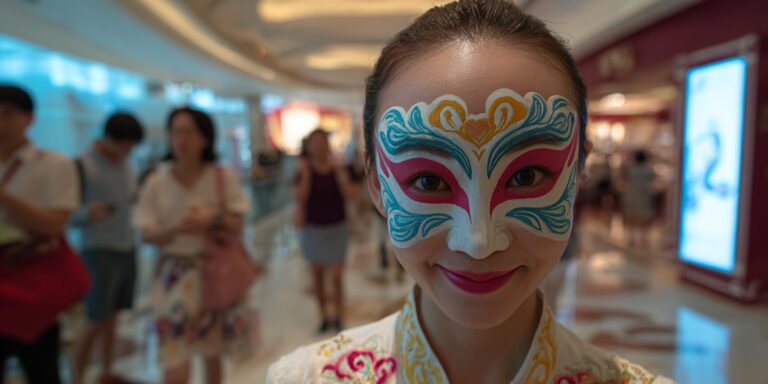
In Singapore, Bian Lian enjoys a special place within multicultural celebrations—from Lunar New Year galas to major corporate events. Audiences here value both tradition and innovation; they delight in seeing classical mask changing performed alongside modern music or interactive elements tailored for younger viewers. The performance not only entertains but also educates—revealing layers of symbolism behind each vividly colored mask.
Singaporean troupes like Wolf Events are committed to preserving the artistry while keeping shows fresh for today’s crowds. We work closely with experienced performers who understand both the technical mastery required and the cultural significance behind every swift transformation on stage. Our productions are designed for all occasions—whether you’re looking to add drama to a product launch or bring families together during festive seasons.
Bian Lian has evolved beyond its classical roots in Sichuan opera, captivating international audiences and sparking fresh dialogue about its place in global culture. Experts note a surge of creativity as young Chinese performers weave face-changing techniques into street dance and contemporary shows, breathing new life into a centuries-old tradition.
Expert Perspectives on Bian Lian’s Future
These innovative fusions expand Bian Lian’s reach, inviting new audiences to experience its magic while ensuring the art form remains relevant in modern entertainment. Cultural scholars and performers express both pride and caution as the practice becomes more accessible. The inclusion of women and artists from outside the Chinese community represents a significant shift, challenging long-held beliefs about gender and authenticity in Bian Lian.
While some purists worry about preserving its secrets, others argue that sharing the art broadens understanding of Chinese values and symbolism—especially as mask colors and characters take on new meaning in diverse settings. In multicultural hubs like Singapore, Bian Lian bridges tradition with local celebration, resonating deeply during events that honor both heritage and community identity.
As the world grows more interconnected, expert voices agree – Bian Lian’s adaptability is its strength, ensuring this iconic performance art not only survives but thrives for future generations. For event planners seeking to add depth and cultural significance to their celebrations, Wolf Events offers authentic Bian Lian performances that embody both tradition and innovation.
As the world grows more interconnected, expert voices agree – Bian Lian’s adaptability is its strength, ensuring this iconic performance art not only survives but thrives for future generations. For event planners seeking to add depth and cultural significance to their celebrations, Wolf Events offers authentic Bian Lian performances that embody both tradition and innovation.
Message us on WhatsApp or use our contact form to secure a truly memorable act.
Common Questions
What is the cultural significance of Sichuan mask changing?
Sichuan mask changing, or Bian Lian, symbolizes transformation, duality, and the complexity of human nature in Chinese culture, reflecting themes of reputation, unpredictability, and revelation.
How did Bian Lian originate and evolve?
Bian Lian originated over 300 years ago in Sichuan opera and has evolved from a secretive, male-dominated tradition to a celebrated art form performed globally and by both men and women.
What do the colors and masks represent in Sichuan opera?
Each mask color in Sichuan opera represents different emotions or traits, such as red for loyalty, black for integrity, and gold for divinity or supernatural power.
Why is the technique of face changing kept secret?
The techniques are closely guarded to preserve the mystique and cultural heritage of the art, traditionally passed down within families and considered a valuable cultural treasure.
How is Bian Lian performed in Singapore?
In Singapore, Bian Lian is featured in cultural festivals, corporate events, and celebrations, often alongside lion dance and drum performances, showcasing Chinese heritage to diverse audiences.
As Sichuan mask changing continues to dazzle audiences in Singapore and across the globe, it’s clear that this centuries-old art form is more than just a visual spectacle. Its symbolic language of colors, deep-rooted traditions, and evolving presence in modern entertainment reflect the vibrant interplay between heritage and innovation—a testament to the resilience and adaptability of Chinese cultural arts.
If you’re intrigued by how Bian Lian bridges tradition with contemporary flair or curious about its journey from secretive opera stages to multicultural festivals in Singapore, we invite you to browse around our website. Discover more insights, stories, and opportunities to experience this living heritage up close—and don’t hesitate to reach out for performance bookings or expert advice!