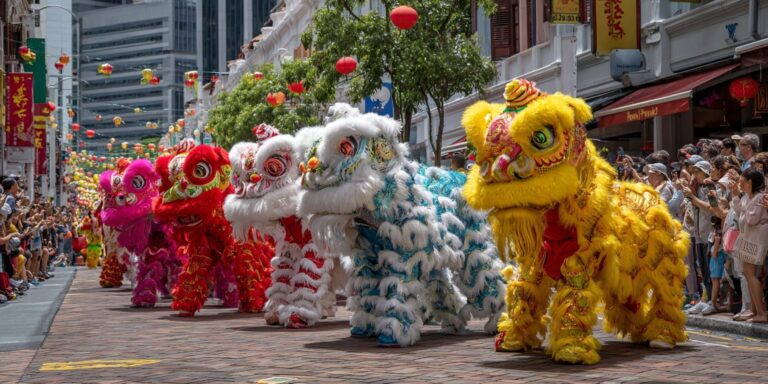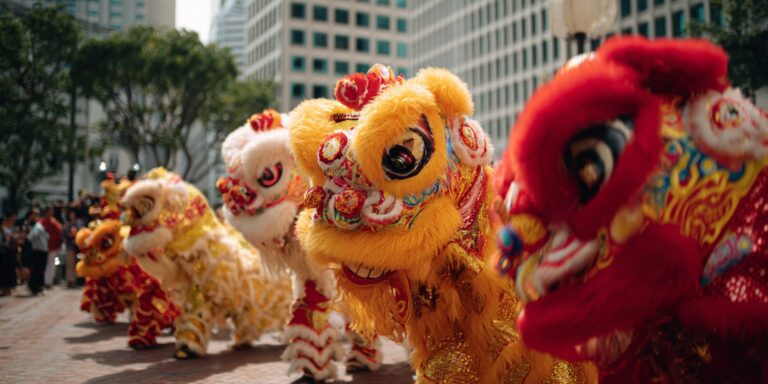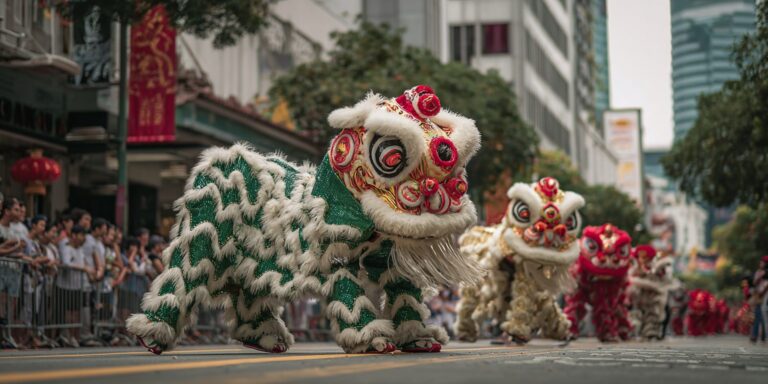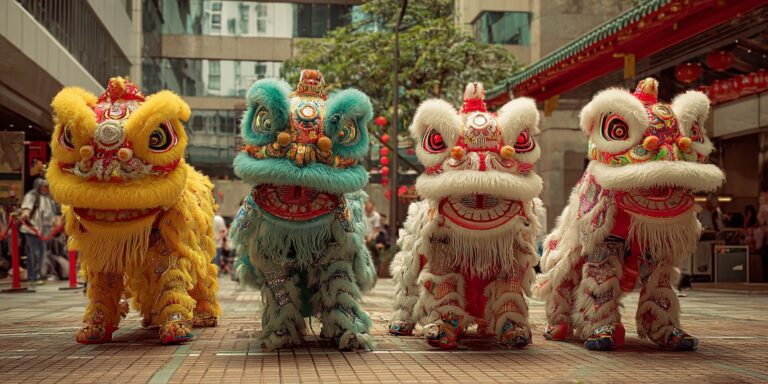
Eco-Friendly Lion Dance Costumes – Sustainable Choices for Singapore’s Cultural Events
Eco-friendly lion dance costumes – sustainable choices for Singapore’s cultural events are gaining attention as the global shift towards green practices influences traditional arts. While international troupes have started embracing recycled fabrics, plant-based dyes, and biodegradable materials, Singapore’s lion dance scene remains largely reliant on conventional materials, with minimal adoption of sustainable alternatives as of 2025.
Despite limited local coverage and few publicized efforts from Singaporean troupes, the push for sustainability in the arts is growing. Support from the Singapore government and cultural organizations signals potential change ahead, creating new opportunities for event companies, costume makers, and performers to explore environmentally friendly options without compromising cultural authenticity.
Eco-Friendly Lion Dance Costumes in Singapore – An Overview
Eco-friendly lion dance costumes are slowly making their way into the spotlight as Singapore’s performing arts community becomes more conscious of sustainability. Globally, the movement toward sustainable event practices is gaining momentum, with troupes and designers exploring options like recycled fabrics, plant-based dyes, and biodegradable materials. Yet in Singapore, the majority of lion dance troupes still rely on traditional costume-making methods and materials.
While the Singapore government and cultural organizations are now encouraging greener approaches in the arts, most local lion dance costumes continue to use synthetic fabrics, chemical dyes, and plastic-based accessories. The shift to eco-friendly alternatives faces several hurdles—from sourcing suitable materials to balancing authenticity with innovation. However, as awareness grows and consumer interest increases, there is optimism that more sustainable options will soon become available for both troupes and event organizers.
Why Sustainability Matters in Cultural Performances
Sustainability in cultural performances is not just about reducing waste or carbon footprints; it’s about ensuring that traditions can thrive for generations without harming the planet. Lion dance, a vibrant part of Singapore’s heritage, involves intricate costumes that often require significant resources to produce. By choosing eco-friendly options, performers can preserve both their art form and the environment.
Green event practices also align with Singapore’s broader goals of becoming a more sustainable city. When troupes use recycled or biodegradable materials, they send a strong message about responsibility—both to audiences and to fellow artists. This shift has the potential to inspire other sectors of the arts community to follow suit.
Traditional vs. Eco-Friendly Lion Dance Costumes
Traditional lion dance costumes have been crafted from synthetic fabrics, animal hides, and plastic accessories for decades. These choices offer durability and vivid colors but leave a heavy environmental footprint due to non-biodegradable waste and pollution from chemical dyes. In contrast, eco-friendly costumes use organic cottons, recycled polyester, plant-based glues, and natural dyes.
Adopting green materials poses challenges such as higher costs and limited availability in Singapore. However, eco-friendly costumes offer reduced emissions during production and easier disposal at end-of-life. As awareness grows among performers and event planners alike, demand for sustainable options may drive innovation within local costume-making circles.
Wolf Events Fact Machine
A single traditional lion dance costume can use up to 10 metres of synthetic fabric, while eco-friendly alternatives—using recycled materials or plant-based fibres—can reduce textile waste by over 30% per costume.
Materials and Innovations in Sustainable Costumes
Sustainable costumes are making waves on the international stage, but Singapore’s lion dance community is still catching up. Most local troupes continue to rely on traditional materials, such as synthetic fabrics and chemical dyes. However, with increasing awareness and encouragement from the government and cultural bodies, there is growing interest in eco-friendly alternatives for these vibrant costumes.
Costume makers abroad have started exploring recycled fabrics, plant-based textiles, and non-toxic dyes to reduce their environmental footprint. These innovations aim to balance authenticity with sustainability while keeping costumes lightweight and visually striking. Although Singapore’s scene has yet to fully embrace these changes, the potential benefits—such as lower carbon emissions and safer working environments—make them hard to ignore.
As sustainability becomes a key focus in the arts sector, local event companies like Wolf Events play a crucial role in driving change by advocating for greener practices. Adopting sustainable costume materials presents unique challenges. Balancing tradition with innovation requires input from cultural leaders, costume makers, and performers alike. Yet with global trends moving towards environmentally friendly solutions, it is only a matter of time before Singapore’s lion dance costumes reflect this important shift.
| Material Type | Traditional Use | Eco-Friendly Alternative |
|---|---|---|
| Synthetic Fabrics | Widely used for durability and cost | Recycled polyester or organic cotton |
| Chemical Dyes | Bright colors but toxic by-products | Plant-based or low-impact dyes |
| Plastic Ornaments | Common for decorative elements | Biodegradable trims (bamboo, jute) |
Recycled and Natural Fabrics
Lion dance costumes have historically relied on synthetic textiles for their strength and color vibrancy. Recently, some international troupes have shifted towards recycled polyester blends or natural fabrics like organic cotton and bamboo viscose. These sustainable options retain the bold look of traditional attire while significantly lowering environmental impact. In Singapore, there is curiosity but limited adoption of these fabrics among lion dance groups.
Challenges include sourcing reliable suppliers who understand the unique requirements of performance costumes—flexibility, breathability, and resilience during energetic routines. As consumer demand grows for eco-friendly lion dance costume materials in Singapore, suppliers may soon step up to offer more green choices. Wolf Events encourages local troupes to explore partnerships with innovative fabric makers committed to sustainability.
Non-Toxic Dyes and Biodegradable Components
Traditional dyeing processes often rely on harsh chemicals that pollute waterways and harm artisans’ health. Eco-friendly alternatives include plant-based dyes made from roots or flowers and low-impact synthetic dyes that minimize waste. International case studies show that non-toxic dye options can produce equally vibrant results while protecting both people and planet.
Biodegradable components are another frontier in sustainable costume innovation. Trims made from bamboo fiber or jute can replace plastic sequins and embellishments without compromising durability or aesthetics. While these upgrades remain rare among Singapore’s lion dance troupes in 2025, early adopters are setting an inspiring example for others to follow.
Event companies like Wolf Events support performers eager to transition by connecting them with suppliers who share a vision for greener celebrations.
Challenges and Opportunities for Green Lion Dance Attire
The conversation around eco-friendly lion dance costumes is slowly gaining momentum in Singapore, although the movement remains more pronounced overseas. Traditional lion dance attire typically relies on synthetic fabrics, chemical-based dyes, and non-biodegradable embellishments. This presents a real challenge when it comes to transitioning towards greener options, especially since authenticity and heritage are highly valued in Singapore’s performing arts scene.
Internationally, some pioneers have started using recycled textiles, plant-based dyes, and even biodegradable trims. The environmental benefits are clear—lower carbon footprints, reduced water pollution, and less landfill waste. But in Singapore, such sustainable innovations are rare in mainstream lion dance performances as of 2025. Most troupes still stick to established suppliers and familiar materials, partly out of concern for performance quality and visual impact.
Despite these barriers, there are signs of change ahead. The Singapore government and cultural organizations have begun advocating for sustainability within the arts sector. With increased awareness and potential support from these bodies, local costume makers may soon find both inspiration and resources to experiment with greener alternatives without compromising tradition.
| Aspect | Traditional Lion Dance Costumes | Eco-Friendly Lion Dance Costumes |
|---|---|---|
| Materials Used | Synthetic fabrics, sequins, chemical dyes | Recycled fabrics, plant-based dyes, biodegradable trims |
| Environmental Impact | High (non-biodegradable waste) | Low (reduced waste and pollution) |
| Adoption Rate in Singapore (2025) | Widespread | Rare |
Barriers to Adoption in Singapore
Lion dance troupes here face several hurdles in embracing sustainable attire. Firstly, there is limited access to reliable suppliers offering eco-friendly materials that meet the rigorous demands of lion dance performances. Durability is a major concern since costumes must withstand intensive use during festivals and corporate events. Tradition also holds strong sway; many performers worry that switching materials might affect the look or feel of the performance.
Cost is another barrier—eco-friendly options often command a higher price tag due to smaller production runs and import costs. Finally, there is a lack of public awareness about the environmental impact of traditional costumes. Without consumer demand or incentives from event organizers, most troupes stick with what they know.
The Role of Event Companies in Promoting Sustainability
Event companies in Singapore hold significant influence over how cultural performances evolve. By prioritizing sustainability when commissioning lion dance acts or recommending vendors who offer eco-friendly costume options, they can accelerate change across the industry. Wolf Events leads by example by actively discussing green event practices with clients and partners.
By highlighting the benefits of recycled fabric lion dance costumes or biodegradable props during event planning sessions, event companies can educate clients about their options without sacrificing spectacle or tradition. Direct engagement with troupes on eco-friendly solutions—whether through workshops or collaborative pilot projects—can spark greater adoption across the board.
If you’re planning an event and want to make a positive impact while celebrating heritage, contact Wolf Events via Whatsapp or our Contact Form for advice on incorporating sustainability into your next cultural celebration.
The Future of Eco-Friendly Lion Dance Costumes
Eco-friendly lion dance costumes are starting to capture the imagination of both performers and audiences worldwide, but Singapore’s scene still leans heavily on tradition. Most local troupes continue to use classic materials like synthetic fur, sequins, and plastics—materials that offer vibrant visuals but leave a heavier environmental footprint. While some international groups have moved towards recycled fabrics, plant-based dyes, and biodegradable options, these green alternatives are not yet commonplace among Singaporean costume makers.
There is growing encouragement from government bodies and cultural organizations for sustainable practices in the arts. This could soon nudge more lion dance troupes towards adopting environmentally friendly costume solutions. Making this switch brings real benefits – reduced waste, fewer harmful chemicals, and a performance ethos that resonates with eco-conscious event planners.
Yet, the journey is not simple. Sustainable materials can be costly or harder to source locally, and there are concerns about whether new fabrics can capture the spirit and durability of traditional attire. Wolf Events recognizes this shift and is committed to supporting green event practices in every way possible.
As demand for eco-friendly lion dance costumes grows—especially among forward-thinking companies and schools—our team keeps a close eye on emerging materials and suppliers in Singapore.
Trends and Outlook for Singapore’s Performing Arts
Sustainability is becoming a prominent theme across Singapore’s performing arts sector in 2025, encouraged by policy changes and increased public awareness. The National Arts Council has started providing guidance on reducing waste at events and supporting creative use of sustainable materials. However, balancing heritage with eco-consciousness remains challenging for many groups who worry that new materials may not honor tradition or match the vibrancy expected by audiences.
At present, most Singaporean lion dance troupes remain cautious about large-scale change due to cost concerns and limited access to suitable suppliers. Still, as other performance genres experiment with recycled props or digital backdrops to cut waste, it seems only a matter of time before lion dance follows suit. Wolf Events believes that event companies play a vital role in shaping demand; when clients request sustainable options, the industry responds faster.
Looking ahead to 2026 and beyond, we expect more collaboration between costume makers, cultural leaders like Mr. Henry Ng, and eco-focused suppliers. With continued advocacy from organizers like Wolf Events—always ready to advise on greener performances—the next era of lion dance could be both spectacular and sustainable.
Common Questions
What makes a lion dance costume eco-friendly?
Eco-friendly lion dance costumes use materials like recycled fabrics, natural fibers, and non-toxic dyes, reducing environmental impact compared to traditional synthetic materials.
Are eco-friendly lion dance costumes available in Singapore?
Currently, most lion dance costumes in Singapore are made from traditional materials, but there is growing interest in sustainable options as part of broader green event initiatives.
What are the benefits of using sustainable materials in lion dance costumes?
Sustainable materials reduce waste, lower carbon footprint, and support environmental responsibility while preserving cultural heritage.
Do eco-friendly costumes affect the appearance or performance of the lion dance?
With careful material selection, eco-friendly costumes can maintain the vibrant look and flexibility required for performances, though some adjustments may be needed for durability.
How can event organizers promote eco-friendly practices in traditional performances?
Event organizers can request sustainable costumes, work with vendors who use green materials, and educate audiences about the importance of eco-friendly cultural practices.
Embracing eco-friendly lion dance costumes is more than just a trend—it’s a forward-thinking step that honours both our cultural heritage and our responsibility to the environment. While Singapore’s troupes are still catching up with global sustainability practices, the momentum is building, and the future looks promising for greener celebrations.
If you’re curious about the latest innovations in sustainable costume design or want practical tips on making your next event more eco-friendly, take some time to browse around our website. For personalised advice or to discuss how we can help make your cultural event more sustainable, Whatsapp Us or reach out via our Contact Form.