History and Significance of God of Fortune Mascot in Singapore Events
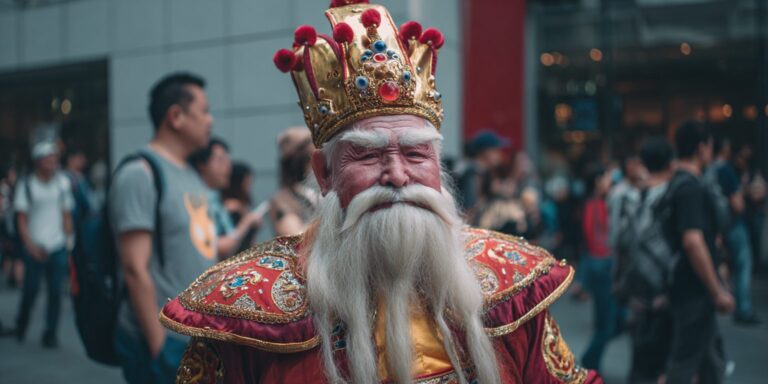
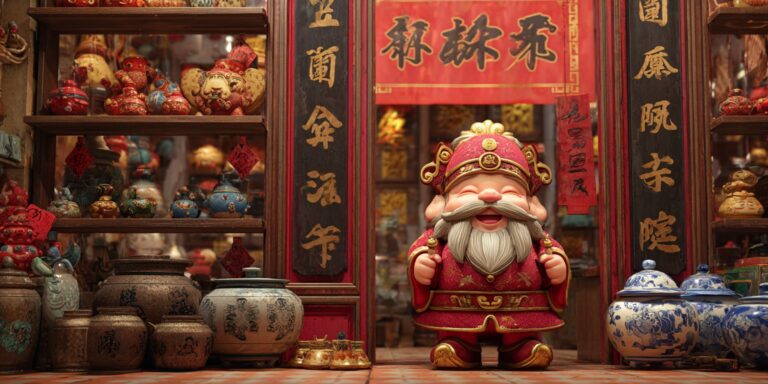
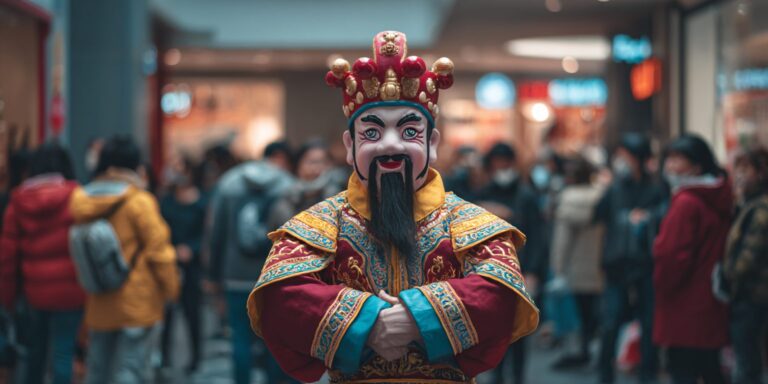
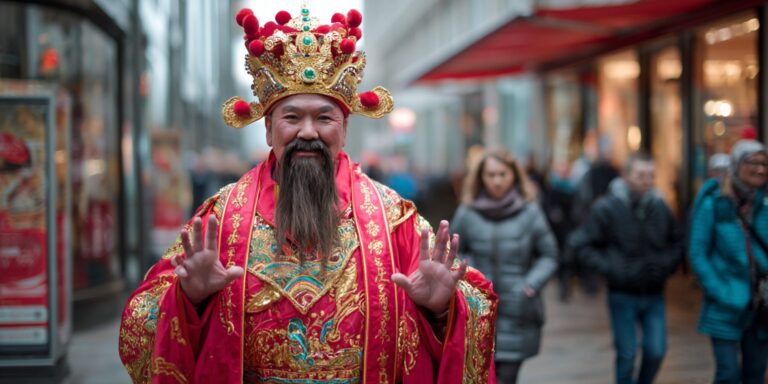
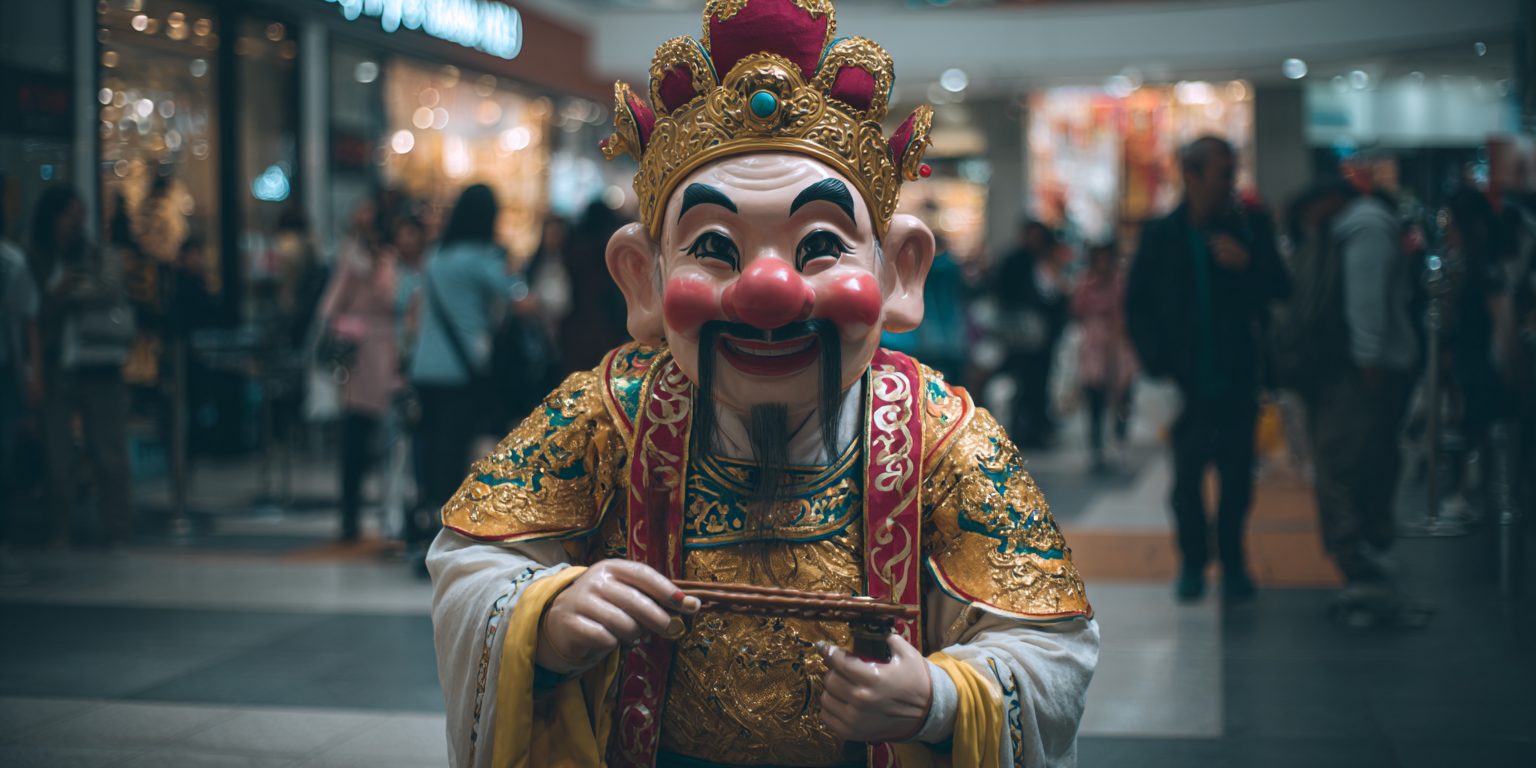
The history and significance of the God of Fortune mascot in Singapore events reflect a dynamic blend of tradition and modern celebration. Originally rooted in Chinese culture as Caishen, the deity symbolises prosperity and good luck, making the mascot a prominent feature during Chinese New Year festivities.
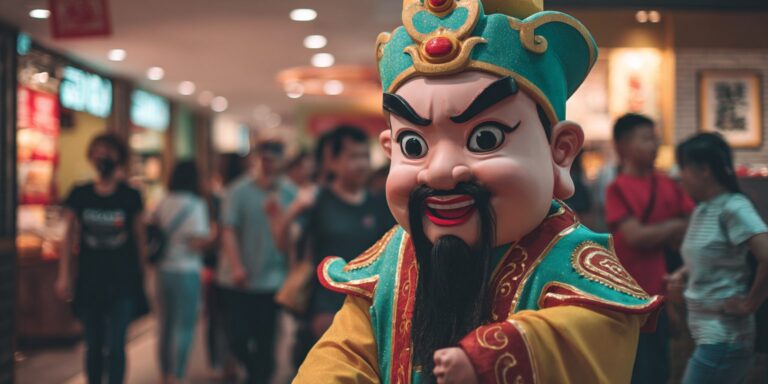
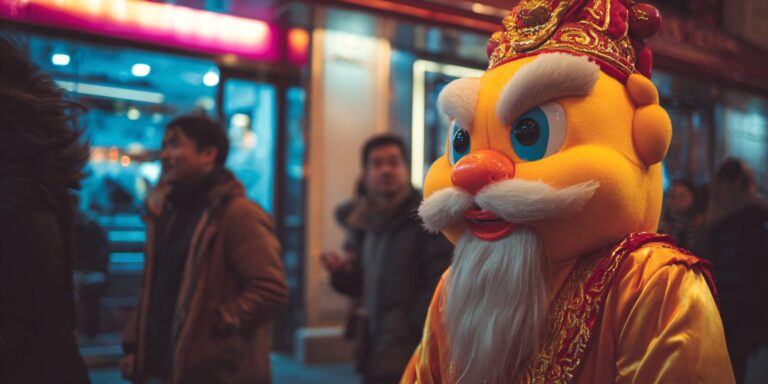
In Singapore, the God of Fortune mascot is especially valued for its interactive presence at both corporate and community gatherings, where it distributes red packets and leads festive activities. This enduring tradition has evolved to meet contemporary event expectations, with demand rising for engaging performances and authentic costume designs.
Recent trends highlight the integration of the God of Fortune mascot with traditional acts such as Lion Dance and Bian Lian (Mask Changing), enhancing cultural experiences for diverse audiences. Event companies now prioritise trained performers to ensure memorable interactions, appealing not only to Chinese communities but also to Singapore’s multicultural population.
The mascot’s evolving role demonstrates its lasting appeal and underscores its importance as a symbol of unity, prosperity, and festive joy across Singaporean events.
History and Origins of the God of Fortune Mascot
The God of Fortune, or Caishen, has deep roots in Chinese folk religion and Taoist practice. Revered as the bringer of wealth and good luck, Caishen’s image was traditionally invoked in homes and temples, especially during Chinese New Year. Over centuries, his legend grew from ancient folklore to a widely recognized symbol of prosperity across the Chinese-speaking world.
In Singapore, the history of the God of Fortune mascot reflects both heritage and adaptation. Early Chinese migrants brought Caishen’s customs with them, making him central to local celebrations. As Singapore evolved into a multicultural city, the God of Fortune mascot found new meaning—not just for Chinese Singaporeans but also for diverse communities who joined in festive gatherings.
Today, event companies like Wolf Events blend tradition with innovation by integrating Caishen with Lion Dance, Bian Lian (Mask Changing), and drum performances. This creates richer experiences for audiences across all backgrounds. Modern God of Fortune mascots do more than appear at events; they engage guests through lively performances, photo sessions, and even distributing red packets.
With demand rising for interactive mascots at corporate functions and public celebrations, the role of Caishen continues to expand. Authentic costumes and skilled performers are now key factors in creating memorable encounters that celebrate both history and contemporary culture.
Caishen in Chinese Folk Religion and Taoism
Caishen’s origins can be traced back to imperial China where he was worshipped as a divine figure capable of bestowing prosperity on families and businesses. In folk religion, rituals dedicated to Caishen include offerings during important festivals—especially at New Year—when prayers for wealth are most fervent. Temples across Asia feature statues or images of Caishen clad in resplendent robes, often holding symbols like gold ingots or scrolls bearing auspicious wishes.
Taoist traditions emphasize balance between spiritual well-being and material success. In this context, worshipping Caishen is about more than monetary gain; it represents aspirations for harmony and abundance in life. The enduring popularity of Caishen in religious practice has inspired generations to incorporate his likeness into celebrations—laying the groundwork for today’s mascot performances that blend devotion with entertainment.
Evolution of the Mascot Tradition in Singapore
Singapore’s God of Fortune mascot has transformed remarkably over recent decades. What began as simple costumed appearances during festive seasons has grown into highly interactive performances tailored for modern audiences. Local event companies now train professional actors to embody Caishen’s character—focusing on authentic gestures, language skills, and cultural etiquette.
In response to increasing demand at corporate events and multicultural gatherings, performers often collaborate with Lion Dance troupes and Bian Lian artists to deliver seamless entertainment packages. These dynamic acts not only honour tradition but also resonate with younger generations and international guests who seek meaningful cultural experiences. The evolution reflects Singapore’s unique identity—a place where heritage thrives alongside innovation.
Wolf Events continues to set benchmarks by offering meticulously designed costumes and skilled performers who engage audiences through games, blessings, and festive activities. This commitment ensures that every encounter with the God of Fortune mascot feels both genuine and unforgettable.
Wolf Events Fact Machine
Did you know? In Singapore, the God of Fortune mascot often hands out gold-foil-wrapped chocolate coins—an adaptation from traditional gold ingots (yuanbao)—to symbolize luck and prosperity in a fun, accessible way for all ages.
Cultural Significance During Chinese New Year
The God of Fortune, or Caishen, has long been a central figure during Chinese New Year in Singapore. This iconic mascot represents more than just prosperity; it embodies the collective hopes for abundance, luck, and happiness that unite families and communities each year. The presence of Caishen at festive events sets a joyful tone, igniting excitement among both children and adults.
In recent years, Singapore’s event landscape has witnessed a surge in the demand for authentic God of Fortune mascots. These performers do more than don elaborate costumes—they engage with guests through interactive acts like distributing red packets and leading group activities. Their appearances are often paired with Lion Dance and Bian Lian performances, creating a multisensory celebration that appeals to people from all walks of life.
Wolf Events recognises the evolving expectations of audiences today. That’s why we invest in trained performers who understand both the cultural roots and modern nuances of this tradition. By blending historical authenticity with engaging theatrics, we ensure each appearance is memorable for everyone, whether it’s a corporate gala or a neighbourhood block party.
Message us on Whatsapp or use our Contact Form to bring this meaningful experience to your next event.
Symbolism of Prosperity and Good Fortune
Caishen has always symbolised the wish for wealth and good luck—a tradition that remains powerful in Singapore’s multicultural society. His arrival marks the beginning of new opportunities and positive energy for the year ahead. The mascot’s cheerful presence at events is seen as a sign that fortune will bless all present.
Today, Caishen’s symbolism extends beyond traditional beliefs. For many Singaporeans, including non-Chinese communities, he represents unity and shared aspirations for success. When paired with other performances like Lion Dance or drum shows, his message resonates even more strongly—reminding everyone that prosperity can be celebrated together.
Rituals and Customs Associated with the Mascot
Traditional rituals involving the God of Fortune mascot have evolved to suit modern celebrations while retaining their core meaning. In Singapore, it’s common to invite Caishen to corporate offices, shopping malls, and community centres during Chinese New Year. He leads processions, hands out symbolic red packets (ang baos), and offers blessings to guests—rituals deeply rooted in the desire for an auspicious start.
Interactive elements such as photo sessions and lucky draws have become popular additions. Event companies now often combine Caishen’s appearance with Lion Dance or Bian Lian acts, further enhancing the festive spirit. Authenticity matters – well-trained performers bring reverence to these customs while ensuring guests feel genuinely included in the celebration.
Role of the God of Fortune Mascot in Modern Events
The God of Fortune, or Caishen, has evolved from an ancient symbol of prosperity to a dynamic centerpiece at Singapore’s most anticipated events. Today, the mascot is more than just a traditional figure; it bridges cultural heritage with modern entertainment, captivating both Chinese and international audiences alike. Its presence signals good luck and abundance, making it a favourite for corporate functions, shopping mall launches, and community celebrations.
What sets the God of Fortune mascot apart in 2025 is its interactive appeal. Event organisers now prioritise authentic costumes and skilled performers who engage guests with blessings, distribute red packets, and initiate games or lucky draws. The mascot’s enduring charm lies in its ability to unify diverse communities while upholding time-honoured traditions.
This blend of nostalgia and novelty ensures that every event feels festive and inclusive. As Singapore continues to embrace multiculturalism, the God of Fortune mascot has become a familiar sight across all kinds of gatherings—not just during Chinese New Year but also at year-end parties and mid-year festivals. Its symbolic role as the bringer of wealth resonates beyond ethnicity, making it a strategic choice for those looking to create memorable and meaningful experiences.
For event planners seeking seamless execution and high audience engagement, Wolf Events stands ready to deliver authentic God of Fortune mascots tailored to your needs.
| Event Type | God of Fortune Role | Audience Impact |
|---|---|---|
| Corporate Dinners | Leads lucky draws & photo sessions | Boosts morale & inclusivity |
| Shopping Mall Launches | Blesses store openings with lion dance | Draws crowds & media attention |
| Community Gatherings | Distributes red packets & games | Fosters community spirit |
Integration with Lion Dance, Bian Lian, and Drum Performances
Modern events in Singapore are elevating tradition by combining the God of Fortune mascot with spectacular Lion Dance routines, Bian Lian (Mask Changing) acts, and thunderous drum performances. This integrated approach not only enhances the visual excitement but also deepens the cultural resonance for guests. When Caishen enters accompanied by lions or dramatic mask changers, it creates a seamless narrative—from ushering in prosperity to mesmerizing audiences with artistry.
These bundled performances have proven especially popular at large-scale events and corporate celebrations where organisers want to maximise impact within a limited timeframe. Authenticity remains key – trained performers ensure that each act complements the others without overshadowing the central theme of fortune and celebration. By booking such comprehensive packages through experienced providers like Wolf Events, clients can be assured of a cohesive experience that leaves lasting memories.
Interactive Experiences and Audience Engagement
The modern God of Fortune mascot does far more than simply appear on stage. Skilled performers know how to read the room—inviting guests for selfies, distributing red packets filled with vouchers or chocolate coins, and leading group activities that spark laughter across all ages. This interactive format ensures that everyone feels included in the festivities regardless of their background.
Corporate clients especially value these personalised touches as they boost employee morale and foster connections among multicultural teams. Interactive mascots can even help break the ice at networking sessions or product launches. At Wolf Events, we handpick our performers for their charisma and professionalism so that every guest interaction feels genuine.
The God of Fortune mascot, or Caishen, has evolved beyond its roots in Chinese folklore to become a vibrant symbol of prosperity that resonates across Singapore’s diverse communities. Today, you’ll spot this iconic figure not just at traditional Chinese New Year celebrations but also at multicultural corporate gatherings, mall events, and neighbourhood festivities.
Inclusivity and Contemporary Appeal in Singapore
Its universal message of wealth and good fortune appeals to Singapore’s multi-ethnic population, making it a unifying presence that bridges cultures during festive periods. Event planners now favour the God of Fortune mascot for its interactive charm and ability to engage audiences of all backgrounds. Rather than standing passively for photos, today’s mascots lead games, distribute red packets, and collaborate with Lion Dance troupes or Bian Lian performers.
This seamless integration amplifies the festive mood and creates memorable experiences for guests. Wolf Events specialises in these dynamic entertainment bundles, ensuring every event feels inclusive and memorable—no matter your background. The drive toward inclusivity has also influenced costume design and performer selection. Modern mascots are crafted with authentic materials that honour tradition while remaining approachable for international guests and children alike.
Trained performers from Wolf Events go beyond surface-level appearances—they embody Caishen’s joyous spirit through lively interactions and thoughtful gestures. This attention to authenticity ensures the God of Fortune remains relevant in Singapore’s ever-evolving cultural landscape.
The God of Fortune mascot has become a familiar face at events far beyond the Chinese community in Singapore. At shopping malls, multinational corporations, and even public housing estates, Caishen is welcomed by people from all walks of life. The character’s cheerful persona and association with luck make it especially popular among children and families regardless of ethnicity.
| Performance Type | Cultural Integration | Audience Engagement |
|---|---|---|
| God of Fortune Mascot | Chinese & Multicultural | Photo ops, Red packet distribution |
| Lion Dance | Chinese Tradition | Interactive performances |
| Bian Lian (Mask Changing) | Sichuan Opera Influence | Surprise elements |
The Mascot’s Resonance Across Communities
This cross-cultural appeal is no accident. Event companies like Wolf Events intentionally design performances that are accessible to everyone—using bilingual hosts, offering inclusive activities like lucky draws, and combining the mascot with other traditional acts such as Lion Dance or Bian Lian Mask Changing shows. These thoughtful touches ensure every guest feels included in the celebration of prosperity.
Authenticity matters when it comes to bringing Caishen to life. The best event experiences come from performers who undergo specialised training—not just in movement or gesture but in understanding the rich symbolism behind the role. Wolf Events invests heavily in preparing their team – each mascot performer studies the history of Caishen, learns traditional greetings, and practices engaging with diverse audiences while maintaining the character’s dignified yet approachable demeanour.
Authenticity and Performer Training
Costume quality is another hallmark of authenticity. At Wolf Events, every God of Fortune outfit is tailored using fabrics that reflect historical accuracy while being comfortable enough for lively performances alongside Lion Dance or Bian Lian acts. This commitment to detail ensures guests experience a true sense of tradition blended seamlessly with modern showmanship.
The God of Fortune, or Caishen, is more than just a festive figure. His roots in Chinese culture run deep, symbolising prosperity and abundance. In Singapore, the God of Fortune mascot has become a central highlight at Chinese New Year and other cultural events, captivating guests with his vibrant presence and auspicious aura.
Modern celebrations have taken the experience further. Today’s God of Fortune mascots are not only about tradition—they are interactive performers who engage directly with audiences. Companies in Singapore are elevating the experience by pairing the mascot with Lion Dance troupes and Bian Lian (Mask Changing) acts, creating dynamic and memorable moments for attendees.
Choosing a God of Fortune Mascot for Your Event
The integration of authentic costumes and skilled performers adds to the excitement, while activities such as distributing red packets and leading games keep everyone involved. The appeal of the God of Fortune mascot now extends beyond Chinese communities. At corporate gatherings and multicultural events, he bridges cultural divides, bringing joy and inclusivity to all guests.
Choosing an experienced team like Wolf Events ensures that every detail—from historical authenticity to engaging performances—is covered.
The integration of authentic costumes and skilled performers adds to the excitement, while activities such as distributing red packets and leading games keep everyone involved. The appeal of the God of Fortune mascot now extends beyond Chinese communities. At corporate gatherings and multicultural events, he bridges cultural divides, bringing joy and inclusivity to all guests.
Choosing an experienced team like Wolf Events ensures that every detail—from historical authenticity to engaging performances—is covered. For a truly auspicious celebration in 2025 or beyond, reach out to Wolf Events via Whatsapp or use their contact form to secure your booking.
Common Questions
What is the history of the God of Fortune mascot?
The God of Fortune mascot is based on Caishen, a revered deity in Chinese folk religion and Taoism, symbolizing wealth and prosperity. The tradition of featuring the mascot at events, especially during Chinese New Year, has evolved to bring blessings and festive joy to communities.
Why is the God of Fortune mascot important during Chinese New Year?
The mascot embodies the wish for prosperity and good luck, making it a central figure at celebrations. Its presence is believed to attract wealth and happiness for the coming year.
How does the God of Fortune mascot interact with guests at events?
Performers dressed as the mascot engage guests through photo sessions, distributing red packets or gold coins, and participating in cultural performances, creating memorable and interactive experiences.
Can the God of Fortune mascot be combined with other traditional acts?
Yes, it is common to see the mascot appear alongside Lion Dance, Bian Lian (Mask Changing), and drum performances, enhancing the festive atmosphere and cultural depth of events.
Is the God of Fortune mascot relevant for non-Chinese audiences?
The mascot’s message of prosperity and joy resonates across communities in Singapore, making it a popular and inclusive addition to diverse events.
The God of Fortune mascot isn’t just a relic of tradition—it’s a living, evolving icon at the heart of Singapore’s festive spirit. Whether delighting crowds with red packets, partnering with Lion Dance troupes, or leading interactive activities, this figure brings prosperity and joy wherever it goes. As we’ve seen, its history is as rich as its modern appeal, making it a must-have for any event hoping to capture both cultural depth and lively engagement.
Curious about how the God of Fortune mascot can transform your next celebration? Browse around our website for more insights into its origins, significance, and the creative ways it’s being reinvented for Singapore’s diverse events. For tailored recommendations or to book an appearance, reach out via Whatsapp Us or our Contact Form—let’s make your occasion truly unforgettable.