Lion Dance and Martial Arts in Singapore – Tradition, Performance, and Modern Innovations
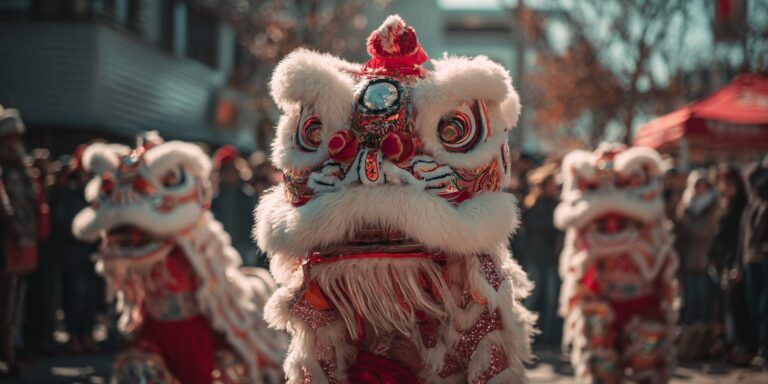
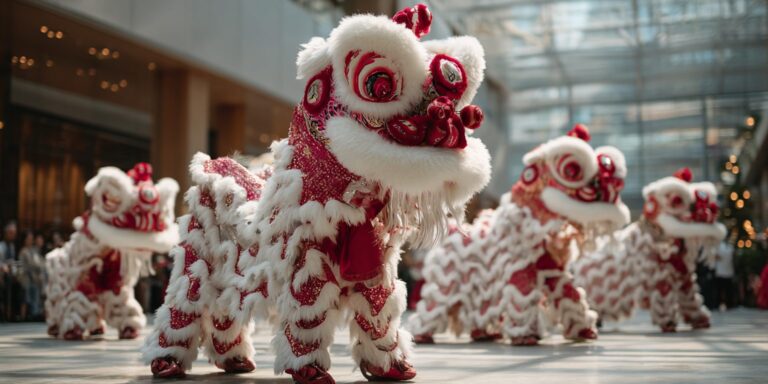
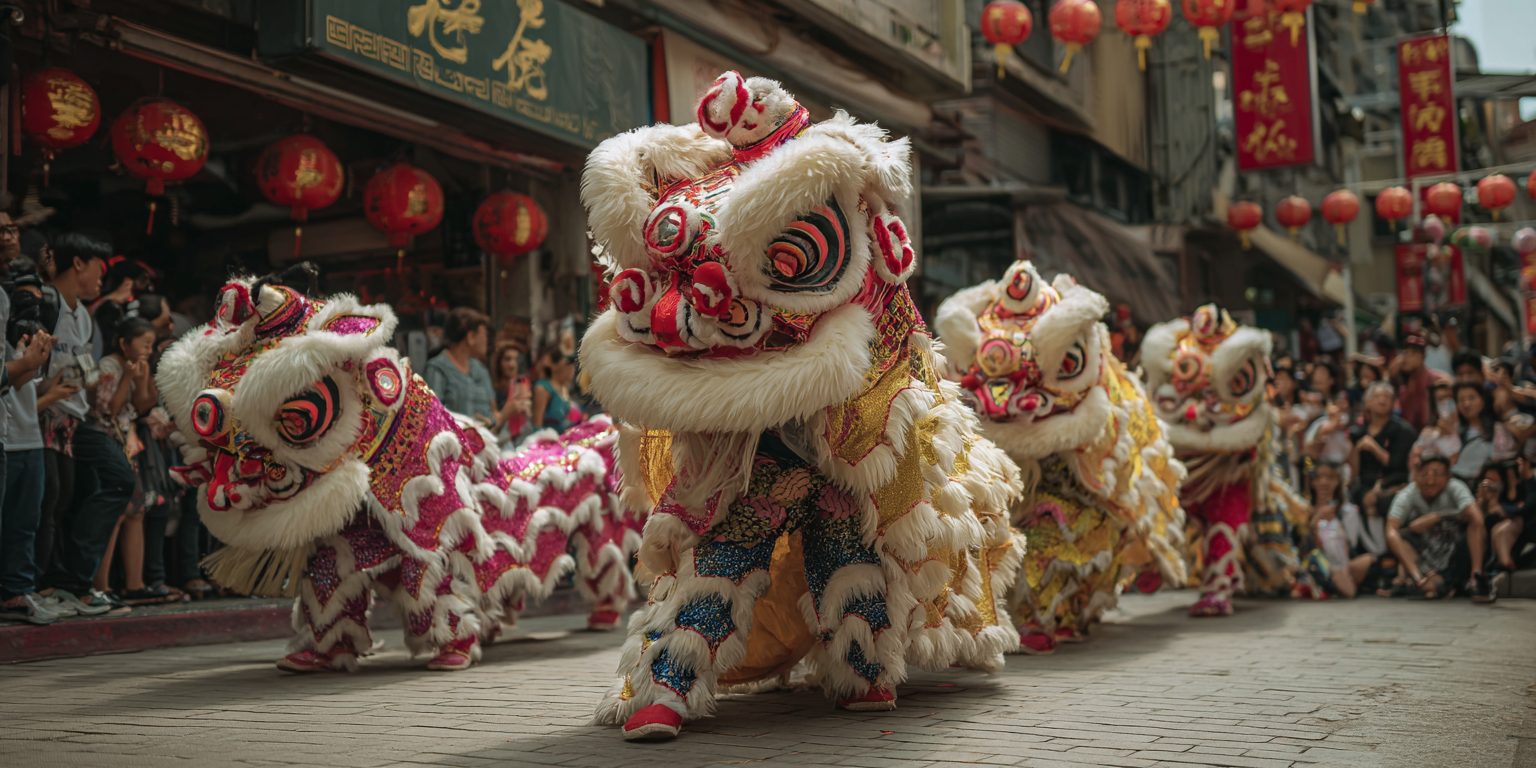
Lion Dance and Martial Arts in Singapore – Tradition, Performance, and Modern Innovations highlights the rich heritage and evolving landscape of these cultural practices. Lion dance in Singapore is deeply rooted in martial arts, with styles like Hok San and high pole (jong) performances demonstrating advanced acrobatic skills and discipline.
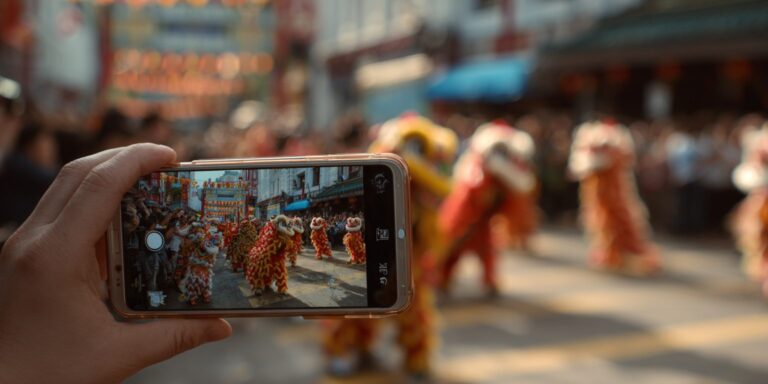
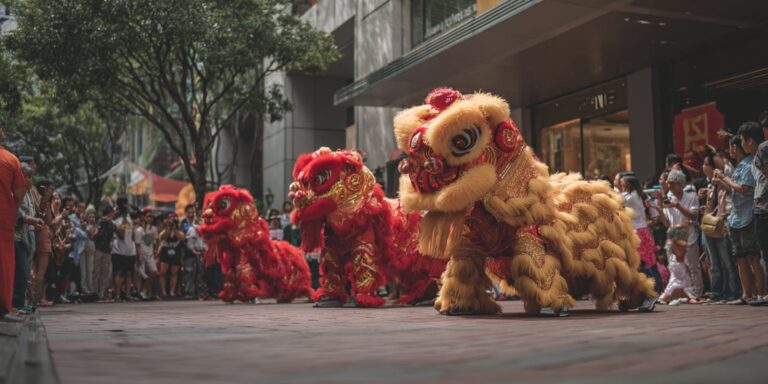
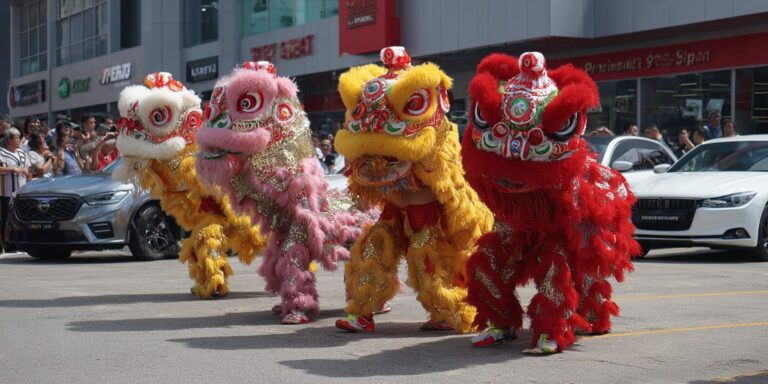
These vibrant displays are especially prominent during Chinese New Year and major public events, drawing on centuries-old traditions while serving as symbols of good fortune and community unity.
In recent years, Singapore has witnessed a surge in youth participation and innovative approaches to lion dance, such as interactive AI robot lions and dynamic training programs offered by local troupes. The integration of modern technology not only revitalizes this art form but also ensures its continued relevance.
Alongside traditional drum performances, Bian Lian mask changing acts, and the appearance of God of Fortune mascots at corporate events, lion dance remains a vital expression of Singapore’s multicultural identity.
Lion Dance and Martial Arts – A Timeless Connection
Lion dance and martial arts in Singapore share a deep, centuries-old bond. Both traditions originated in China, evolving together as expressive forms of discipline, storytelling, and celebration. The roots of lion dance trace back to ancient folklore, where martial artists performed the dance to ward off evil spirits and bring fortune.
Over generations, these practices blended seamlessly—martial artists became lion dancers, their physical prowess elevating each performance. In modern Singapore, this connection remains vivid. High pole (jong) lion dance acts now captivate crowds at major festivals and corporate events, demanding extraordinary balance and strength from performers trained in martial arts. The Hok San style—a staple at Wolf Events—emphasizes agility and rhythmic footwork, while innovative touches like AI robot lions reflect how tradition meets technology.
With youth troupes embracing rigorous training regimens, the lion dance scene stays vibrant and relevant for future generations.
| Lion Dance Style | Martial Arts Influence | Modern Innovations |
|---|---|---|
| Hok San | Agility & coordination | Interactive performances |
| High Pole/Jong | Acrobatics & balance | LED-lit poles |
| Fut San | Powerful stances | AI robot lions |
Historical Roots and Cultural Significance
The history of lion dance is inseparable from the martial arts schools that nurtured it. In Southern China’s Foshan region—celebrated by the Wong Fei Hung Lion Dance Martial Arts Museum—the tradition began as a way for kung fu practitioners to display their skills publicly. Each movement in the lion’s body mimics animal stances from martial arts forms, symbolizing courage and wisdom.
In Singapore, lion dance has grown into a beloved cultural spectacle seen at Chinese New Year celebrations, business openings, and national festivals. Beyond entertainment, it serves as a living link to heritage for both older generations and today’s youth. Troupes like Wolf Events blend time-honored rituals with contemporary showmanship, ensuring the legacy remains strong.
The Role of Martial Arts in Lion Dance Performance
Every aspect of lion dance draws from martial arts foundations—from the dancer’s stance to acrobatic jumps on high poles. Practitioners spend months perfecting their strength, flexibility, and timing through specialized drills rooted in kung fu techniques. This training enables teams to perform complex formations safely and gracefully. Martial arts also instill teamwork and discipline among troupe members.
These values shine during demanding performances such as high pole acts or synchronized routines with drums—a signature offering at Wolf Events. As youth participation rises across Singaporean troupes, martial arts remain central to both the artistry and athleticism of lion dance.
Wolf Events Fact Machine
The Hok San lion dance style, now popular across Singapore, originated in Guangdong, China in the early 20th century and is famed for its expressive lion head movements and unique drumming patterns—distinct from the more martial-oriented Fut San style.
Lion Dance Styles and Techniques in Singapore
Lion dance in Singapore thrives as a unique blend of tradition and innovation, with its roots deeply intertwined with martial arts. The artistry behind each performance is not just about vibrant costumes and thunderous drums; it’s also a showcase of discipline, agility, and centuries-old techniques. Troupes across the island infuse their routines with martial arts fundamentals, ensuring every leap, stance, and movement is precise and meaningful.
The two most prominent lion dance styles in Singapore are Hok San and the high pole (jong) performances. Hok San style is well-known for its rhythmic footwork, expressive head movements, and strong connection to southern Chinese heritage. High pole lion dance, on the other hand, has recently surged in popularity due to its jaw-dropping acrobatics—athletes execute daring jumps atop towering poles, captivating audiences at major events like Chinese New Year and corporate launches.
Both styles demand exceptional physical fitness and coordination, reflecting the martial spirit that underpins this tradition. Modern lion dance troupes are embracing new elements to keep audiences engaged. AI robot lions have made their debut at public venues, blending technology with cultural arts for interactive experiences. This bold integration of innovation with tradition shows how Singapore’s lion dance scene continues to evolve while honoring its origins.
If you’re planning an event or want to experience these electrifying performances firsthand, Wolf Events offers expert lion dance troupes skilled in both traditional and modern techniques—contact us on WhatsApp or use our Contact Form for bookings.
Hok San and High Pole (Jong) Lion Dance
Hok San lion dance stands out for its distinctive drum rhythms and lively choreography. Performers channel animalistic energy through nuanced head shakes, rapid eye blinks, and nimble footwork that mimic the playful curiosity of a real lion. This style emphasizes storytelling through movement—a vital part of Singapore’s festive celebrations and community gatherings.
High pole (jong) lion dance pushes physical limits by bringing gravity-defying stunts into the spotlight. Dancers balance atop narrow metal poles reaching up to three meters high while executing complex kicks, spins, and coordinated jumps. Each maneuver is rooted in martial arts training; performers rely on strength, balance, and split-second timing to pull off seamless transitions between poles.
Audiences are drawn not just to the spectacle but to the underlying teamwork required for safety and success. Wolf Events specializes in both Hok San and high pole performances—delivering authentic yet exhilarating displays that suit everything from corporate events to mall openings. Our team can help you choose the best style based on your venue size or event theme.
Mastering lion dance requires rigorous training that fuses martial arts basics with performance art. Troupes dedicate hours each week to drills focused on strength conditioning, flexibility exercises, stilt walking (for jong), and detailed choreography rehearsals. Many teams incorporate traditional kung fu techniques—stances like horse-riding or crane pose ensure both stability during jumps and authenticity in presentation.
Training, Skills, and Youth Involvement
Youth involvement has become a cornerstone of Singapore’s lion dance scene in 2025. Schools, community centers, and cultural groups actively recruit young participants by offering structured training programs throughout the year—not just ahead of major festivals. These opportunities build camaraderie among students while safeguarding heritage skills for future generations.
If you’re looking for youth-friendly workshops or want to nurture budding talent within your organization or school group, Wolf Events connects you with experienced trainers who prioritize safety alongside tradition.
Lion dance performances in Singapore have embraced modern innovations while remaining rooted in centuries-old tradition. High pole (jong) lion dance, once a rare spectacle, now draws crowds at major festivals and corporate events. Troupes train rigorously to master acrobatic stunts and martial arts sequences that are as visually stunning as they are technically demanding.
Modern Innovations in Lion Dance Performances
This blend of athleticism and artistry has sparked renewed interest, especially among younger Singaporeans who see lion dance as both a cultural legacy and a stage for creative expression. The Hok San style, with its distinctive movements and vibrant energy, continues to be a favourite at community celebrations. But what’s truly changing the landscape is the integration of technology—AI-powered robot lions and interactive elements now captivate audiences at malls and public spaces.
These cutting-edge features make performances more accessible, engaging, and relevant for today’s digital-savvy audience. Wolf Events remains at the forefront of this evolution, offering innovative lion dance experiences tailored for any occasion.
Technology has become an unexpected ally in preserving and revitalising traditional arts like lion dance. In Singapore, AI robot lions make regular appearances at large-scale events, blending robotics with choreography inspired by martial arts masters. These performances not only draw attention but also spark curiosity about the origins and techniques behind the art form.
Technology and AI in Traditional Arts
Troupes are leveraging digital platforms for training, choreography planning, and even virtual reality simulations to help new members learn complex routines safely. Youth involvement has soared as a result—many young performers are now just as comfortable tweaking code for an animatronic lion as they are practising footwork on the training mats.
This synergy between technology and tradition ensures that lion dance will continue to evolve without losing its cultural essence.
Lion dance events in Singapore increasingly feature integrated acts such as Bian Lian (mask changing), God of Fortune mascots, and traditional drum performances. This fusion creates immersive experiences that celebrate multiple aspects of Chinese heritage in one seamless show. Event planners find these combinations especially appealing for corporate launches or community gatherings where variety keeps guests engaged.
Integrating Bian Lian, God of Fortune, and Drum Performances
The rhythmic intensity of drum performances heightens anticipation before the lion leaps onto high poles or navigates intricate Hok San routines. Meanwhile, the sudden face-changes of Bian Lian artists add drama and mystique. The God of Fortune mascot rounds out festivities by blessing the crowd—perfect for ushering in prosperity during festive seasons or special occasions.
Wolf Events specialises in crafting these dynamic line-ups so clients can offer their guests something truly unique.
Lion dance has become a highlight at both festive gatherings and corporate events across Singapore. The performance is more than just a visual spectacle—it’s an energetic display that combines martial arts discipline, acrobatic prowess, and centuries-old tradition. Today, you’ll find lion dance at major festivals like Chinese New Year, but also increasingly at office openings, awards ceremonies, and community celebrations.
Lion Dance in Singaporean Festivals and Corporate Events
What sets the Singaporean lion dance scene apart in 2025 is its blend of heritage and innovation. High pole (jong) performances now draw crowds with breathtaking stunts several meters above ground, requiring rigorous martial arts training from every performer. At the same time, modern elements like AI robot lions and interactive Hok San style routines are captivating younger audiences.
This evolution reflects a city that values both its roots and its forward-thinking spirit. Corporate clients often choose lion dance to usher in prosperity and good luck for new ventures or milestones. The performance sets a tone of celebration while reinforcing cultural values of teamwork, resilience, and unity. As youth participation grows—thanks to regular training sessions offered by local troupes—the tradition is thriving with fresh energy.
Wolf Events proudly works with passionate performers who continue to innovate while honoring the art’s rich history.
Lion dance is inseparable from the excitement of Chinese New Year in Singapore. The vibrant costumes and rhythmic drumbeats are believed to ward off evil spirits and usher in fortune for the year ahead. Each movement—from the playful teasing to the powerful leaps—holds symbolic meaning rooted in martial arts traditions.
| Lion Dance Style | Key Features | Popular Venues |
|---|---|---|
| Hok San | Lively movements, drumming | Shopping malls, schools |
| High Pole (Jong) | Acrobatics on tall poles | Outdoor plazas, large events |
| Traditional Southern | Classic costumes, symbolism | Temples, community centers |
Symbolism and Popularity during Chinese New Year
The demand for lion dance reaches its peak during this season as families, businesses, and neighborhood groups invite troupes to perform. High pole acts have become especially popular for their dramatic flair and ability to wow large crowds. At Wolf Events, we see clients booking months in advance to secure memorable performances that blend tradition with cutting-edge skills.
Selecting a lion dance performance isn’t just about booking any troupe—it’s about matching your event’s atmosphere and goals with the right style. For grand openings or milestone celebrations, high pole jong acts deliver unforgettable impact with their daring acrobatics. If you’re hosting a family-friendly festival or school event, Hok San style offers lively interaction and traditional drumming that appeals to all ages.
Choosing the Right Performance for Your Event
Corporate clients often complement lion dance with related acts like Bian Lian (Mask Changing), God of Fortune mascots or traditional drum performances for a full spectrum of entertainment rooted in culture. Wolf Events works closely with each client to recommend troupes known for their professionalism, creativity, and safety standards.
Corporate clients often complement lion dance with related acts like Bian Lian (Mask Changing), God of Fortune mascots or traditional drum performances for a full spectrum of entertainment rooted in culture. Wolf Events works closely with each client to recommend troupes known for their professionalism, creativity, and safety standards. For advice tailored to your needs—or to secure your preferred date—message us on WhatsApp or use our Contact Form today.
Common Questions
What is the connection between lion dance and martial arts?
Lion dance requires performers to have martial arts skills for agility, strength, and coordination, especially in advanced forms like high pole lion dance.
What are the different styles of lion dance in Singapore?
Popular styles include Hok San and high pole (jong) lion dance, each with unique movements and musical rhythms.
How do lion dance troupes train for performances?
Training involves regular martial arts practice, acrobatics, and teamwork, often starting from a young age in community groups.
What is the significance of lion dance during Chinese New Year?
Lion dance symbolizes prosperity, good luck, and the warding off of evil spirits, making it a highlight of Chinese New Year celebrations in Singapore.
Can lion dance performances include other acts like mask changing or drum shows?
Yes, many event companies in Singapore offer combined packages featuring lion dance, Bian Lian (mask changing), God of Fortune mascots, and traditional drum performances.
Singapore’s lion dance and martial arts scene continues to thrive, blending centuries-old traditions with cutting-edge innovations. Whether you’re fascinated by the athleticism of high pole performances or intrigued by the seamless integration of technology and traditional arts, there’s a world of artistry and discipline waiting to be explored.
If you’re keen to learn more about these captivating performances—or considering adding a touch of cultural brilliance to your next event—feel free to browse around our website for detailed guides, style comparisons, and the latest news on lion dance and martial arts in Singapore. To book a performance or ask us anything, just Whatsapp Us or reach out via our Contact Form.