Lion Dance as Intangible Cultural Heritage of Singapore – UNESCO Recognition, Tradition, and Community Impact
Lion Dance as Intangible Cultural Heritage of Singapore – UNESCO Recognition, Tradition, and Community Impact is gaining renewed attention following the joint 2025 UNESCO nomination by Singapore, Malaysia, and China. This collaborative effort aims to secure global recognition for the lion dance’s deep-rooted significance in Singaporean culture, reflecting its rich history, role in community celebrations, and evolving presence at both traditional and modern events.
With the nomination currently under review and results expected by the end of 2026, cultural policymakers are actively developing strategies to preserve and promote this vibrant art form. If recognized, the lion dance could experience increased youth participation, expanded employment opportunities, and greater cross-border collaboration—ensuring its continued relevance and impact within Singapore’s multicultural society.
Lion Dance as Intangible Cultural Heritage of Singapore
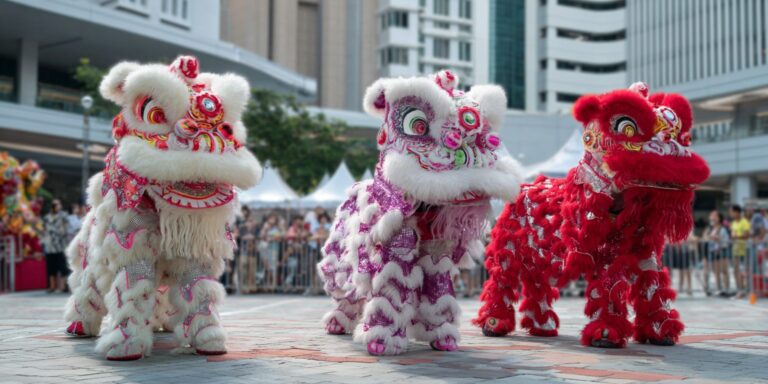
Lion dance stands as one of Singapore’s most cherished living traditions, weaving together the city-state’s multicultural fabric. Its vibrant displays are more than just festive entertainment; they are powerful expressions of heritage, symbolising prosperity, protection, and unity for communities across generations. In 2025, Singapore is at the forefront of a historic milestone, collaborating with Malaysia and China to seek UNESCO recognition for lion dance as Intangible Cultural Heritage of Humanity.
This nomination reflects not only the art’s historical roots but also its ongoing relevance in shaping identity and fostering cross-cultural understanding. With policymakers and experts working on an international action plan, the future of lion dance in Singapore looks dynamic—balancing respect for tradition with innovative strategies for preservation and promotion.
Recognition would mean more than global prestige; it could reshape how the art is practiced, taught, and valued locally. Wolf Events continues to play an active role in this evolving landscape by offering professional lion dance services for corporate events, community celebrations, and private functions. As more people discover the significance behind each movement and drumbeat, lion dance remains deeply embedded in Singapore’s story—ready to inspire new generations.
UNESCO Nomination and International Collaboration
Singapore’s joint nomination with Malaysia and China marks a groundbreaking step in global heritage preservation. The process involves extensive documentation of history, technique, symbolism, and social impact—showcasing lion dance as both a uniquely local practice and a shared cultural treasure. Policymakers are developing an action plan featuring cross-border performances and knowledge exchanges.
This collaboration deepens ties between communities while highlighting regional diversity within the art form. By pooling resources for symposiums and digital archives, all three countries aim to safeguard lion dance practices for future study and enjoyment.
| Country | Role in Nomination | Key Actions |
|---|---|---|
| Singapore | Lead Documentation & Youth Outreach | Develop Digital Archive |
| Malaysia | Regional Coordination & Cultural Input | Host Symposiums |
| China | Historical Research & Training Support | Facilitate Cross-Border Performances |
Cultural Significance and Symbolism in Singapore
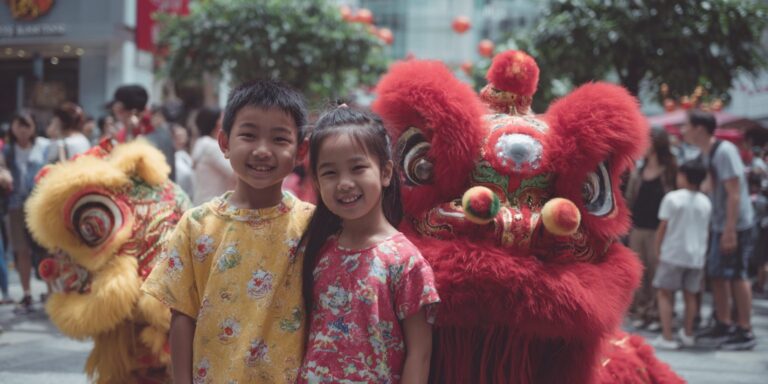
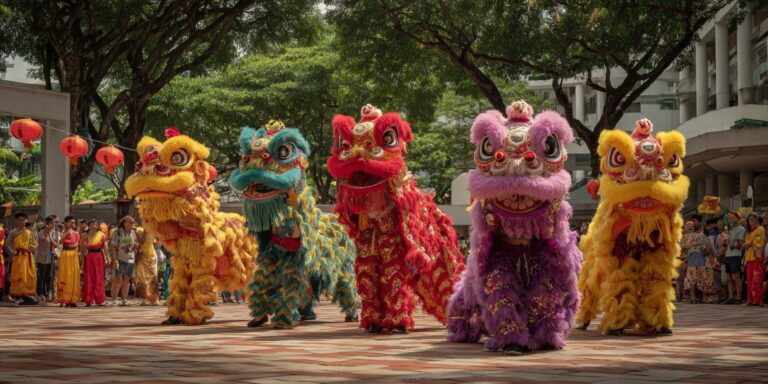
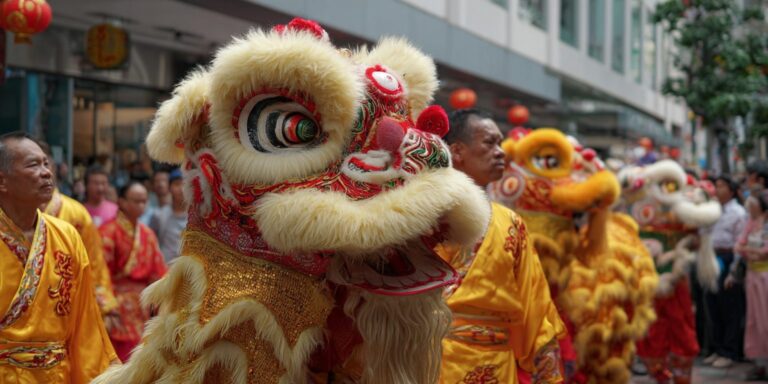
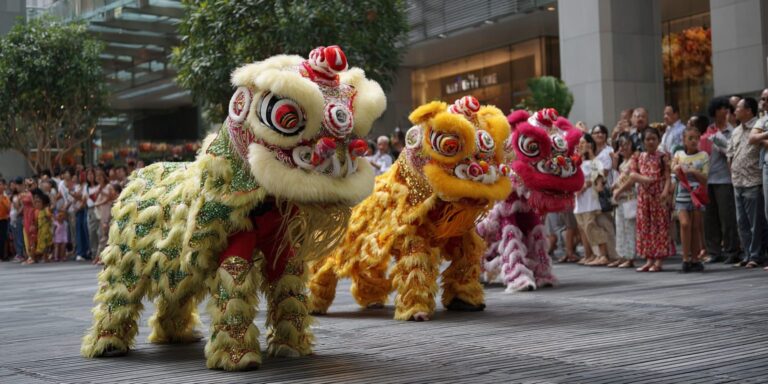
Lion dance is woven into the heart of Singaporean celebrations—from Chinese New Year to business openings and community milestones. Each performance embodies wishes for luck, peace, and prosperity. The artistry reflects values of teamwork, discipline, and respect passed down through generations. In Singapore’s multicultural society, lion dance bridges communities by including diverse performers and audiences.
Its popularity during major festivals strengthens bonds while preserving traditional customs that might otherwise fade amid rapid urban development.
Preservation Efforts and Youth Engagement
With growing recognition that cultural traditions must evolve or risk fading away, preservation efforts now target younger generations. Workshops in schools and community centres introduce students to basic techniques alongside stories about lion dance history in Singapore. Troupes like Wolf Events invest in mentorship programmes that blend training with real-world performance opportunities.
The upcoming UNESCO decision has energised these efforts—turning what was once viewed as a part-time hobby into a respected avenue for full-time creative careers.
| Initiative | Target Audience | Outcome |
|---|---|---|
| School Workshops | Primary/Secondary Students | Increased Awareness |
| Mentorship Programmes | Youth Performers (16-25) | Career Pathways |
| Community Performances | General Public | Broader Participation |
Economic Impact and Job Opportunities
If UNESCO grants recognition next year, Singapore’s lion dance industry could experience significant growth. Increased demand for professional troupes at public events would open up sustainable job opportunities—not just for performers but also costume makers, musicians, trainers, event managers, and digital content creators. For many young practitioners who previously balanced lion dance with other jobs or studies, this shift offers hope of turning their passion into a viable full-time career.
Wolf Events anticipates expanding its team to meet rising interest from both corporate clients and private organisers seeking authentic cultural experiences.
Lion Dance in Modern Singaporean Events
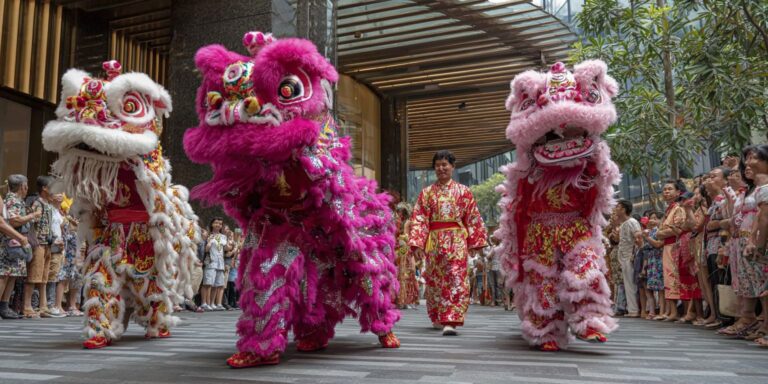
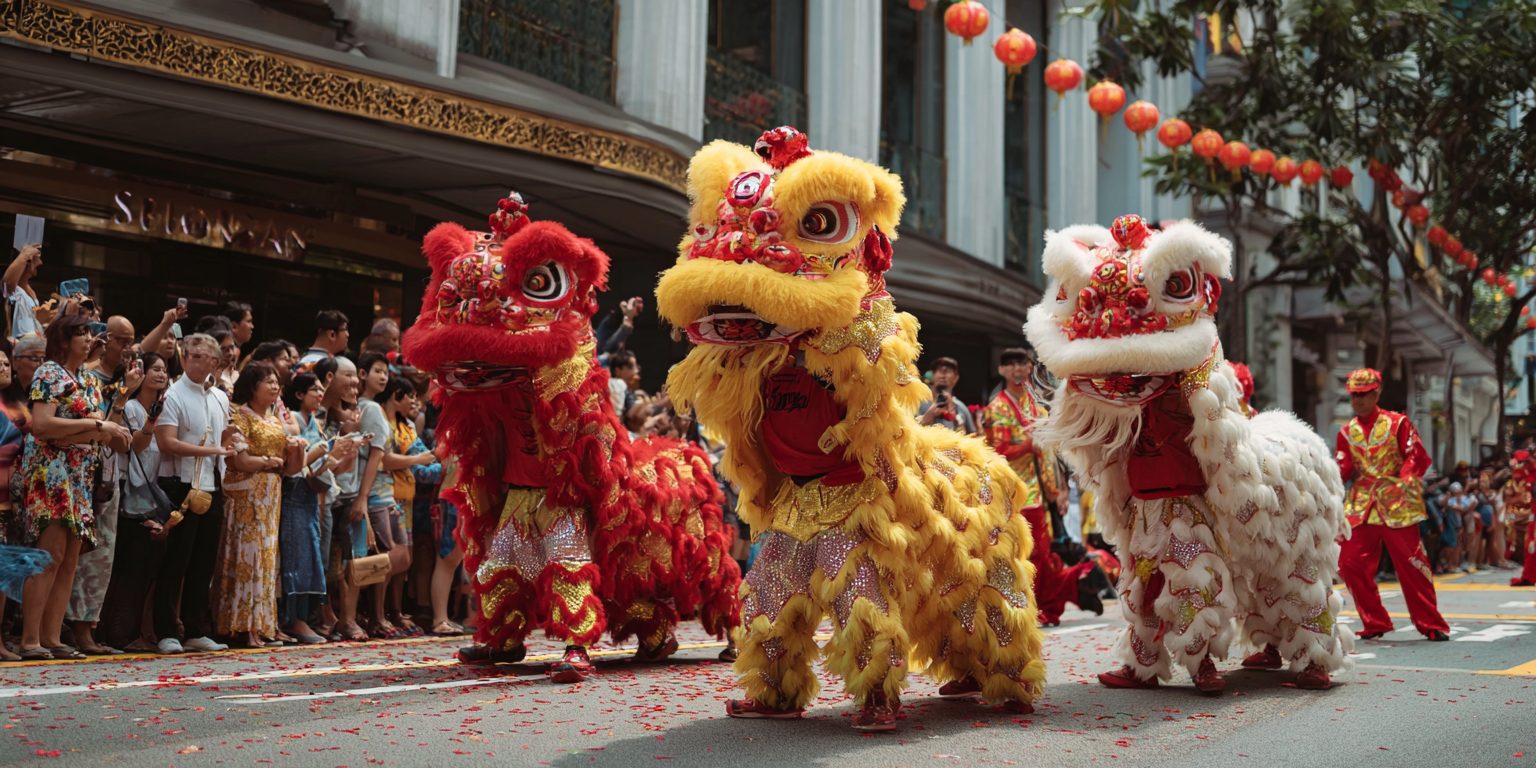
Today’s lion dance goes beyond its traditional roots—appearing at tech launches, award ceremonies, weddings, school anniversaries, mall promotions, even National Day celebrations. Modern troupes incorporate LED lighting effects or contemporary music while maintaining core elements of skillful movement and dramatic storytelling. Such innovation keeps lion dance relevant to younger audiences without losing authenticity.
Wolf Events leads this evolution by customising shows that fit diverse event themes—ensuring every performance delivers meaning alongside spectacle.
Role of Professional Lion Dance Services
Professional services like Wolf Events ensure high standards of safety, artistry, and client experience across every event type. From intimate family blessings to large-scale corporate launches or government functions—these teams bring expertise that guarantees smooth coordination from booking through showtime. Clients value not only the wow factor but also peace of mind – proper insurance coverage; well-maintained costumes; skilled musicians; seamless logistics—all backed by years of experience serving Singapore’s discerning audience.
For bespoke performances or special requests such as Bian Lian (mask changing) or God of Fortune mascot appearances alongside lion dancers—Wolf Events remains the trusted choice. Reach out via WhatsApp or use our contact form to discuss your next event.
Wolf Events Fact Machine
Did you know? The first official lion dance troupe in Singapore was established in 1920 by Chinese immigrants—making it over a century-old tradition that continues to adapt and flourish today.
The Future of Lion Dance in Singapore’s Cultural Landscape
Singapore stands at the forefront of a historic moment as the lion dance, together with Malaysia and China, awaits UNESCO’s decision on its nomination as an Intangible Cultural Heritage of Humanity. This 2025 nomination is more than just a cultural milestone; it signals a renewed commitment by policymakers, artists, and communities to preserve and elevate the lion dance tradition.
The collaboration between these nations has inspired new action plans, including cross-border performances, expanded symposiums, and a digital archive that will support both research and wider public appreciation. In Singapore, the lion dance remains deeply rooted in community life. It is much more than spectacle—each performance symbolizes prosperity, unity, and resilience.
With the current push for UNESCO recognition, there is a stronger focus on passing this heritage down to younger generations. Policymakers and veteran performers are creating pathways for youth involvement that could transform the lion dance from a part-time passion into a rewarding career. If recognized by UNESCO, local troupes could see more employment opportunities and greater demand for performances at community and corporate events.
Cross-cultural collaboration has always defined Singapore’s lion dance scene. Today, this spirit drives innovation as well as preservation. As the tradition adapts for modern audiences—incorporating elements like Bian Lian (mask changing) or God of Fortune mascots—lion dance services are increasingly sought after for everything from business openings to major festivals.
Wolf Events remains at the heart of this evolving landscape, championing both heritage and innovation.
Common Questions
What is the significance of the lion dance as an intangible cultural heritage in Singapore?
The lion dance is a traditional performance symbolizing good luck, prosperity, and community spirit, deeply rooted in Singapore’s multicultural heritage and celebrated during major festivals and events.
Is the lion dance in Singapore recognized by UNESCO?
As of 2025, Singapore, along with Malaysia and China, has jointly nominated the lion dance for UNESCO’s Intangible Cultural Heritage list. The decision is expected by the end of 2026.
How does UNESCO recognition benefit the lion dance community in Singapore?
UNESCO recognition can increase visibility, attract more participants, create job opportunities, and help preserve the art form for future generations.
What efforts are being made to preserve the lion dance in Singapore?
Efforts include cross-border collaborations, educational workshops, digital archiving, and encouraging youth participation through schools and community events.
How can I experience or book a lion dance performance in Singapore?
You can engage professional troupes like Wolf Events, which offer lion dance, Bian Lian/Mask Changing, God of Fortune Mascot, and drum performances for various occasions.
As Singapore stands on the brink of UNESCO recognition for lion dance as an intangible cultural heritage, the importance of this vibrant tradition has never been clearer. The ongoing international collaboration and the promise of greater youth involvement signal a bright and sustainable future for lion dance, ensuring its legacy will continue to thrive across generations.
Curious about how lion dance is evolving or want to learn more about its impact on Singapore’s cultural and economic landscape? Browse around our website for deeper insights, expert perspectives, and updates on the UNESCO nomination. If you’re inspired to bring the energy of lion dance to your next event or wish to get involved, don’t hesitate to Whatsapp Us or reach out via our Contact Form.