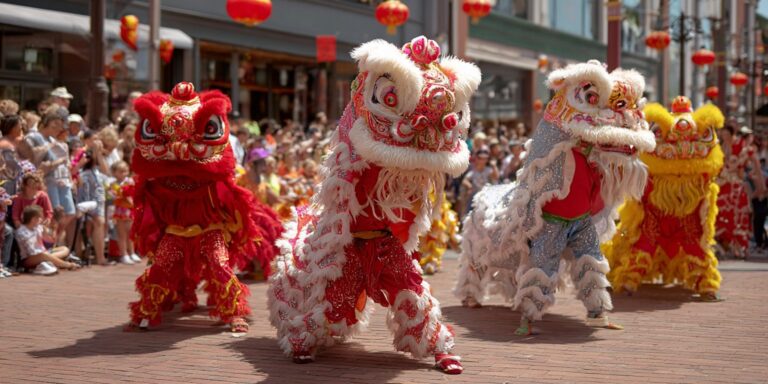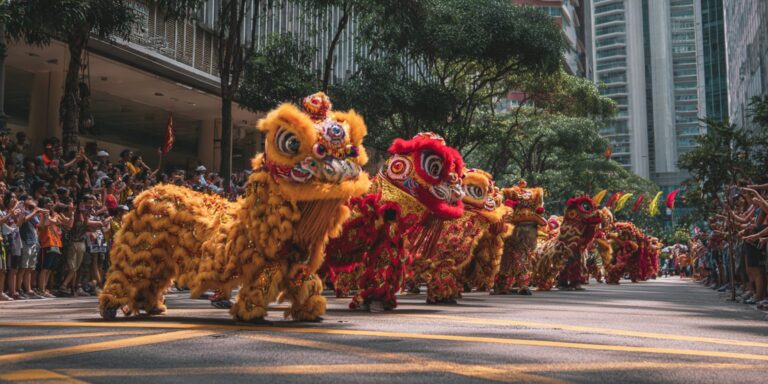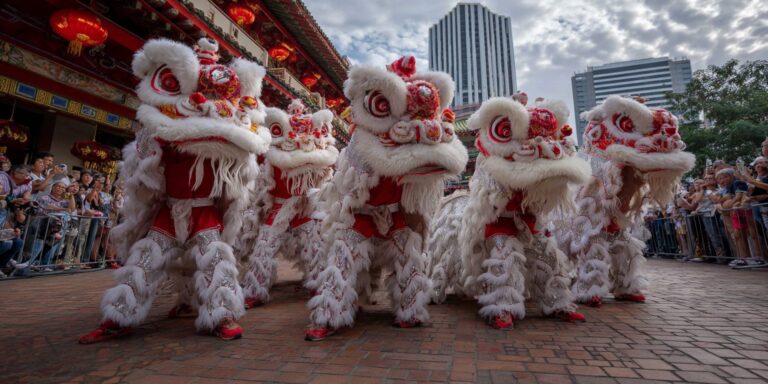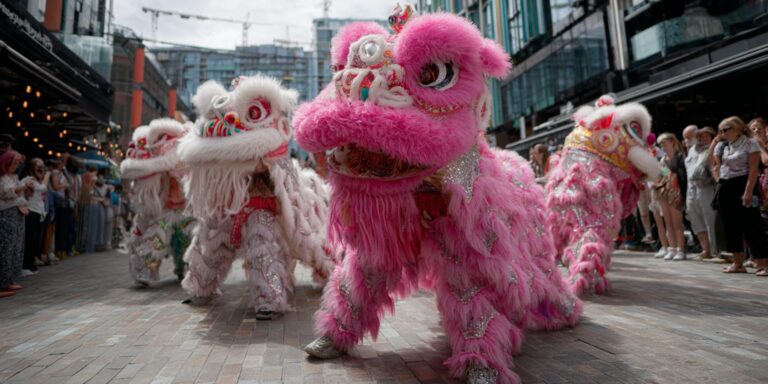
Lion Dance for Temples Singapore – Tradition, Rituals & Booking Insights
Lion Dance for Temples Singapore – Tradition, Rituals & Booking Insights explores the unique role of lion dance within temple settings, especially during major events like Chinese New Year. In Singapore, temple lion dance performances are more than just entertainment—they are deeply rooted in tradition, featuring rituals such as the Cai Qing (plucking the greens) and blessings for devotees.
Recent collaborations between local troupes and temples highlight not only the ceremonial importance but also the evolving nature of these performances, integrating elements like Bian Lian mask changing and God of Fortune mascots.
While commercial lion dance shows are common across shopping centres and corporate venues, temple-focused performances involve specific protocols and spiritual significance rarely covered in detail. This blog post addresses these gaps by examining the distinct features of temple lion dances, practical insights for hiring a troupe for temple events in Singapore, and expert perspectives from cultural institutions such as the Singapore Chinese Cultural Centre.
Readers will gain a clear understanding of what sets temple lion dances apart and how to ensure meaningful participation in these revered ceremonies.
Lion Dance for Temples Singapore – Cultural and Spiritual Significance
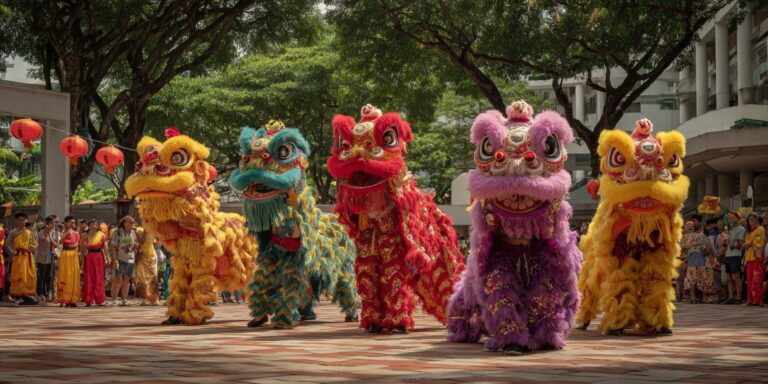
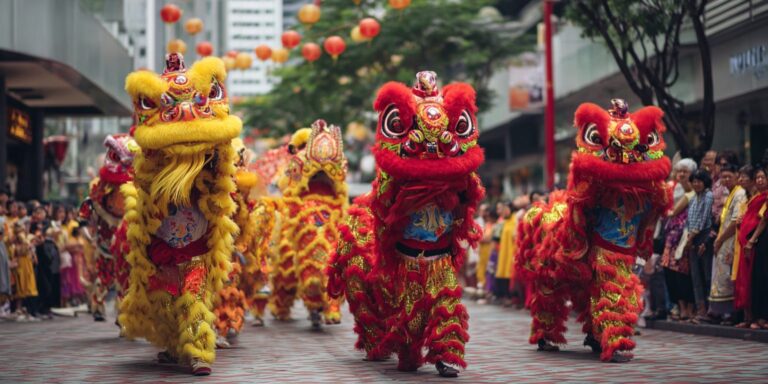
Lion dance performances for temples in Singapore are far more than a festive spectacle—they are an enduring symbol of spiritual protection and cultural identity. Within temple grounds, the lion dance is believed to dispel negative energies, usher in prosperity, and invoke the blessings of deities. These rituals have become integral to important events such as Chinese New Year, temple anniversaries, and major religious festivals.
As we move through 2025, temples across Singapore continue to uphold this tradition with renewed vigour, often collaborating closely with established troupes to ensure authenticity and reverence in each performance. Unlike commercial lion dance shows at malls or corporate events, temple lion dance performances follow strict ceremonial protocols. Every movement is steeped in meaning—from the thunderous drumbeats echoing ancient calls for divine attention, to the vibrant costumes that honour historical lineage.
Recently, some temples have begun integrating contemporary elements like Bian Lian (mask changing) acts and appearances by the God of Fortune mascot, blending modern entertainment with deep-rooted customs. This evolution highlights how Singapore’s temple lion dances remain dynamic yet true to their sacred origins. If you’re planning a temple event or seeking a traditional blessing for your congregation, choosing a reputable troupe is essential.
Wolf Events specialises in temple-focused lion dance performances, tailoring each routine to respect spiritual customs while captivating audiences. Reach out via Whatsapp or use our Contact Form for professional guidance on bringing this cherished tradition to your next temple celebration.
Why Lion Dance is Integral to Temple Celebrations
The lion dance has long been woven into the fabric of temple life in Singapore. It is not only a crowd favourite during festive periods but also serves as a bridge between the spiritual realm and the community. When performed at temples, the lion’s energetic movements are thought to ward off evil spirits and attract good fortune for worshippers and temple caretakers alike.
Temples often engage award-winning troupes such as Yiwei Athletic Association to maintain high standards of ritual accuracy and performance artistry. The atmosphere during these ceremonies is electrifying—incense fills the air, drums resound through the halls, and worshippers gather to witness blessings unfold. Each detail, from choreography to costume colour, is meticulously chosen for its auspicious symbolism.
In recent years, educational initiatives by organisations like the National Museum of Singapore have helped deepen public appreciation for this practice.
| Aspect | Temple Lion Dance | Commercial Lion Dance |
|---|---|---|
| Purpose | Spiritual blessing & protection | Entertainment & celebration |
| Ritual Protocols | Strict adherence | Flexible/adaptable |
| Integration with Traditions | Often includes Cai Qing & God of Fortune | Rarely includes rituals |
The Cai Qing Ritual and Temple Blessings
Cai Qing—the iconic ‘plucking of the greens’—stands at the heart of every temple lion dance performance in Singapore. During this ritual, the lion interacts with offerings such as lettuce (symbolising wealth), oranges (luck), or auspicious scrolls prepared by temple staff. The dramatic reveal and presentation of these items represent gathering luck from heaven and bestowing it upon the congregation.
Beyond Cai Qing itself, lion dance troupes will often perform additional blessing routines tailored for temples – bowing before altars, circling around statues of deities, or pausing for incense offerings. Many temples have enhanced these moments by incorporating Bian Lian artists who mesmerise audiences with swift mask changes—symbolising adaptability and transformation—or inviting God of Fortune mascots who spread joy among devotees young and old.
If you’re looking to experience this blend of tradition and innovation at your own temple event in Singapore, Wolf Events provides expert-led performances tailored specifically for sacred settings.
Wolf Events Fact Machine
Did you know? The Cai Qing ritual performed during temple lion dances in Singapore often involves custom arrangements of lettuce and mandarins—symbols of wealth and luck—that are tailored by each temple’s religious leaders to align with specific blessings for their devotees.
Modern Elements in Temple Lion Dance Events
Temple lion dance performances in Singapore have never been more vibrant. While the core of these events remains rooted in centuries-old traditions—such as blessing rituals and the symbolic Cai Qing—modern elements are now seamlessly woven into the fabric of temple ceremonies. Lion dance troupes collaborate closely with temples, ensuring each performance aligns with spiritual protocols while introducing new, engaging features that appeal to contemporary audiences.
In 2025, the integration of acts like Bian Lian (face changing) and appearances by God of Fortune mascots has elevated temple events beyond their traditional boundaries. These additions not only entertain but also reinforce cultural meanings, drawing in younger generations and temple-goers who seek deeper connections with their heritage. Temples across Singapore are embracing this evolution, making Chinese New Year celebrations and other religious occasions more inclusive and memorable for all attendees.
Wolf Events remains at the forefront of these innovations, curating performances that respect tradition yet captivate modern sensibilities.
Incorporating Bian Lian and God of Fortune Mascots
The inclusion of Bian Lian artists and God of Fortune mascots at temple lion dance performances is quickly becoming a hallmark of standout celebrations. Bian Lian, or mask changing, captivates audiences with its swift transformations and dramatic flair—adding a layer of mystique to religious festivities without overshadowing the main lion dance act.
The God of Fortune mascot, on the other hand, brings joy and interactive blessings to temple-goers, especially families with children. These modern elements serve a dual purpose – enriching cultural storytelling while making ceremonies more engaging for diverse crowds. Temples in Singapore find that such enhancements encourage greater community participation and rejuvenate interest among younger devotees.
Temple lion dance performances stand apart from commercial shows in both intent and execution. At temples, every movement is steeped in spiritual significance—the lions bless altars, perform Cai Qing rituals, and interact respectfully with worshippers. Timing often coincides with auspicious dates on the lunar calendar, enhancing ceremonial impact. Commercial lion dances focus more on spectacle – entertaining shoppers or corporate guests with acrobatics and vibrant props.
Differences Between Temple and Commercial Lion Dance Performances
While both settings require skilled performers, temple events demand strict adherence to ritual protocols and sensitivity to religious customs. Choosing a troupe experienced in temple etiquette is essential for maintaining authenticity. Wolf Events specialises in temple-focused lion dance performances that honour tradition while adapting to evolving community needs.
Lion dance performances at temples in Singapore are deeply rooted in tradition, carrying profound cultural and spiritual meaning. These ceremonies go far beyond entertainment—they serve to usher in good fortune, dispel negative energy, and bless temple-goers during major festivals like Chinese New Year. In 2025, temples across Singapore continue to make lion dance a centrepiece of their celebrations, often pairing it with signature rituals such as Cai Qing (plucking the greens) and special blessings.
Temple lion dance performances stand apart from commercial shows by focusing on sacred protocols and the needs of the religious community. The choreography is more reverent, with careful attention to auspicious timings and the involvement of monks or temple leaders. Some temples now incorporate modern elements—such as Bian Lian (mask changing) or appearances by the God of Fortune mascot—to engage younger audiences while honouring age-old customs.
Booking Lion Dance for Temple Events in Singapore
Booking a lion dance troupe for your temple event brings a sense of vibrancy and cultural continuity that resonates with devotees. If you are planning to organise a lion dance for your temple, working with a reputable troupe ensures that every ritual is performed respectfully and authentically. Wolf Events specialises in temple ceremonies, offering tailored performances that reflect both tradition and innovation.
Selecting a lion dance troupe for your temple event requires careful consideration. Look for troupes with proven experience performing at religious venues—these groups understand the importance of ritual etiquette and can adapt their routines to fit sacred spaces. Ask about their familiarity with Cai Qing rituals, blessings for devotees, and integration with other temple activities.
It’s also essential to review each troupe’s credentials. Associations like Yiwei Athletic Association are renowned for their award-winning work at major temples. Professional troupes should be able to provide references from past temple clients and share details about their approach to safety, costume quality, and coordination with temple staff. Wolf Events partners closely with temples throughout Singapore, ensuring every performance honours your traditions while captivating attendees.
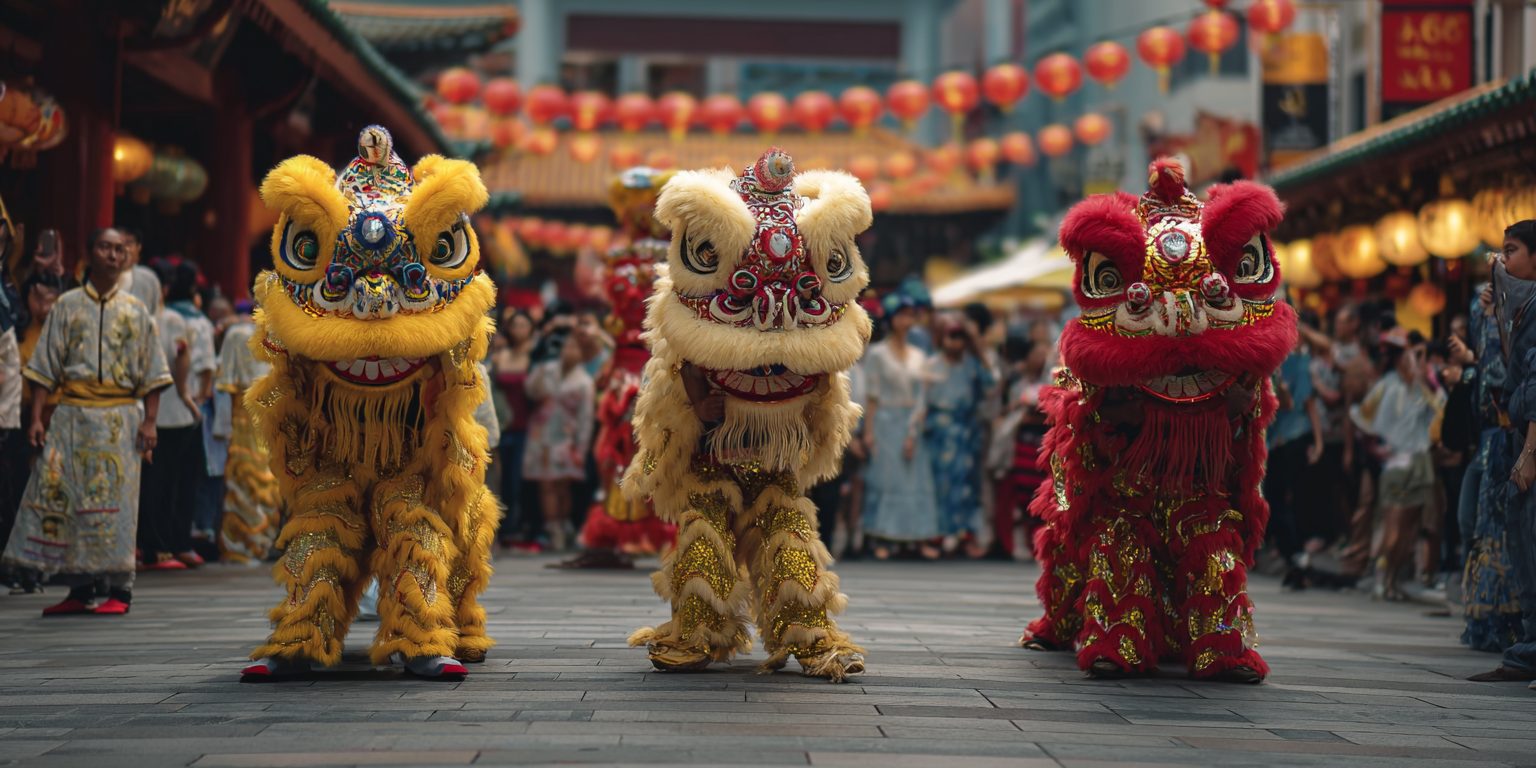
A typical temple lion dance performance begins with respectful greetings to deities and blessings from monks or priests. The lions may circle key altars before commencing dynamic movements meant to energise the space and attract positive qi (energy). During Chinese New Year festivities or major temple anniversaries, Cai Qing is performed—where the lion ‘plucks’ lettuce or oranges strategically placed by temple staff, symbolising prosperity.
How to Choose the Right Troupe for Your Temple
Unlike commercial shows, the atmosphere at temples is more solemn yet uplifting. Performances may be accompanied by drum troupes, Bian Lian mask changers, or God of Fortune mascots distributing symbolic gifts. Audiences include both worshippers seeking blessings and families eager to witness cultural traditions up close. Wolf Events ensures every detail—from timing to ritual choreography—aligns seamlessly with your temple’s needs.
Lion dance is woven deeply into the fabric of Singapore’s living heritage, especially during Chinese New Year when temples become vibrant hubs of cultural expression. The rhythmic drumbeats and colourful lions draw crowds seeking blessings for health, prosperity, and protection. At temple ceremonies, every movement—from the awakening of the lion to the intricate Cai Qing ritual—carries symbolic weight and spiritual meaning.
Unlike commercial performances at malls or corporate events, temple lion dance showcases are rooted in centuries-old rituals. The lions do not merely entertain; they participate in sacred rites, such as blessing statues, altars, and devotees. Temples often invite lion dance troupes to mark significant occasions, blending tradition with a community spirit that feels both timeless and uniquely Singaporean.
What to Expect During a Temple Lion Dance Performance
Recent years have seen temples embrace new elements like the God of Fortune mascot and Bian Lian mask changing artists alongside traditional lion dance. These additions create a rich visual spectacle while ensuring each ceremony remains relevant for younger generations. For those planning temple events in 2025 or beyond, collaborating with experienced troupes like Wolf Events ensures authenticity, respect for rituals, and a memorable experience for all.
Cultural institutions like the Singapore Chinese Cultural Centre regularly spotlight how lion dance continues to evolve while maintaining its core traditions. Experts there note that temple performances are more than displays—they are acts of devotion, performed with deep respect for spiritual protocols. Rituals like Cai Qing are seen as essential blessings, believed to usher in good luck for both temples and their communities.
Award-winning troupes such as Yiwei Athletic Association highlight the need for precision and discipline during temple events. Their performers undergo special training to understand religious etiquette, ensuring every step aligns with the temple’s customs. Meanwhile, scholars from the National Museum of Singapore observe how modern touches—such as Bian Lian mask changing or appearances by God of Fortune mascots—enrich these ceremonies without diluting tradition.
Lion Dance and Singapore’s Living Heritage
For temple committees seeking a seamless experience in 2025 and beyond, engaging professional troupes familiar with religious rites is crucial. Wolf Events works closely with cultural advisors to deliver authentic performances tailored to each temple’s needs.
Unlike commercial performances at malls or corporate events, temple lion dance showcases are rooted in centuries-old rituals. The lions do not merely entertain; they participate in sacred rites, such as blessing statues, altars, and devotees. Temples often invite lion dance troupes to mark significant occasions, blending tradition with a community spirit that feels both timeless and uniquely Singaporean.
Recent years have seen temples embrace new elements like the God of Fortune mascot and Bian Lian mask changing artists alongside traditional lion dance. These additions create a rich visual spectacle while ensuring each ceremony remains relevant for younger generations. For those planning temple events in 2025 or beyond, collaborating with experienced troupes like Wolf Events ensures authenticity, respect for rituals, and a memorable experience for all.
| Performance Type | Purpose | Unique Rituals |
|---|---|---|
| Temple Lion Dance | Blessings & Spiritual Significance | Cai Qing, Altar Blessings |
| Commercial Lion Dance | Entertainment & Business Prosperity | Prosperity Toss |
| Temple Events with Bian Lian/God of Fortune | Cultural Integration & Festivity | God of Fortune Distribution |
Expert Insights from Cultural Centres and Troupes
Cultural institutions like the Singapore Chinese Cultural Centre regularly spotlight how lion dance continues to evolve while maintaining its core traditions. Experts there note that temple performances are more than displays—they are acts of devotion, performed with deep respect for spiritual protocols. Rituals like Cai Qing are seen as essential blessings, believed to usher in good luck for both temples and their communities.
Award-winning troupes such as Yiwei Athletic Association highlight the need for precision and discipline during temple events. Their performers undergo special training to understand religious etiquette, ensuring every step aligns with the temple’s customs. Meanwhile, scholars from the National Museum of Singapore observe how modern touches—such as Bian Lian mask changing or appearances by God of Fortune mascots—enrich these ceremonies without diluting tradition.
For temple committees seeking a seamless experience in 2025 and beyond, engaging professional troupes familiar with religious rites is crucial. Wolf Events works closely with cultural advisors to deliver authentic performances tailored to each temple’s needs. Message us on Whatsapp or use our Contact Form to discuss your next event.
Common Questions
What is the significance of lion dance at temples in Singapore?
Lion dance at temples symbolizes the dispelling of evil spirits and the ushering in of good fortune, especially during major festivals like Chinese New Year.
How can temples in Singapore book a lion dance performance?
Temples can contact professional lion dance troupes or event companies like Wolf Events to arrange performances tailored to religious and cultural requirements.
What is the Cai Qing ritual in temple lion dance?
Cai Qing, or ‘plucking the greens,’ is a ritual where the lion ‘eats’ and ‘spits out’ auspicious greens, symbolizing prosperity and blessings for the temple and its devotees.
Are God of Fortune mascots and Bian Lian mask changing acts common at temple events?
Yes, these acts are often included alongside lion dance performances at temples, especially during festive celebrations, to enhance the auspicious atmosphere.
When do temples in Singapore usually host lion dance performances?
Most temple lion dance performances occur during Chinese New Year, temple anniversaries, and important religious festivals.
From the intricate Cai Qing rituals to the booming drums that echo through temple courtyards, lion dance remains an irreplaceable part of Singapore’s spiritual and cultural landscape. Whether you’re a temple committee member or simply passionate about preserving heritage, understanding the nuances behind each performance can enrich your next festival or blessing ceremony.
For deeper insights into the traditions, booking tips, and modern twists on temple lion dances, feel free to browse around our website. If you’re looking to bring this vibrant tradition to your next temple event, reach out via Whatsapp Us or drop us a note through our Contact Form—our team is ready to help make your celebration memorable.