Lion Dance Legends and Myths – Unveiling Singapore’s Cultural Heritage
Lion Dance Legends and Myths – Unveiling Singapore’s Cultural Heritage delves into the vibrant stories and ancient origins that continue to shape Singapore’s cultural landscape. The lion dance, rooted in the legendary tale of the Nian monster, carries powerful symbolism of protection, renewal, and community spirit. Recent efforts have brought renewed focus on these myths, integrating them into schools and public events to educate both locals and visitors about the meaning behind each performance.
Singapore’s lion dance tradition stands out for its blend of historical narrative and modern adaptation. Troupes now perform not only during Chinese New Year but also at corporate openings and multicultural festivals, keeping the rich tapestry of legends alive while fostering a sense of shared heritage among diverse communities. This ongoing evolution highlights the lion dance’s enduring role in shaping Singaporean identity, connecting past folklore with present-day celebrations.
Lion Dance Legends and Myths – Origins and Stories
Singapore’s lion dance tradition is steeped in a rich tapestry of myths, legends, and historical adaptation. These stories form the backbone of every energetic performance, keeping ancient folklore alive in today’s multicultural society. From school halls to bustling shopping malls, lion dance is not just a spectacle—it is a living narrative that binds generations together.
In recent years, Singapore has seen renewed efforts to spotlight the deeper origins of lion dance myths. The integration of these stories into educational curriculums and community programmes ensures that both locals and visitors understand the profound symbolism behind each movement and costume. This ongoing focus on heritage underscores how lion dance continues to shape Singapore’s cultural identity, evolving from an ancient ritual into an essential part of modern celebrations.
The Legend of Nian and the Birth of Lion Dance
The legend of Nian stands at the heart of lion dance mythology in Singapore. According to this age-old tale, the monstrous Nian terrorised villages every spring until villagers discovered that loud noises, bright colours, and fierce lion masks would drive it away. This story isn’t just told—it’s performed with thunderous drums and vibrant costumes each Lunar New Year, infusing every show with a sense of triumph over adversity.
Schools across Singapore now teach children about the Nian myth as part of cultural heritage lessons. Troupes weave the legend into performances for corporate openings and festivals, keeping its meaning relevant for younger audiences. The Nian story also connects lion dance to broader Chinese New Year traditions, reminding everyone why this art form endures as a symbol of protection and renewal.
Tang Dynasty Dreams and Imperial Myths
Lion dance evolved dramatically during China’s Tang dynasty, when it became intertwined with imperial pageantry and court celebrations. Legends tell of emperors commissioning lavish dances after dreaming of lions as symbols of power and prosperity. These imperial associations elevated the art form, introducing refined movements that are still echoed in performances by Singaporean troupes today.
Singapore’s cultural historians often highlight how Tang dynasty influences blend with Southeast Asian flair in local lion dance styles. Troupes such as those from the Singapore Chin Woo Association maintain traditional steps while adapting choreography for modern events—from grand mall launches to national parades—bridging ancient imperial myths with contemporary Singaporean vibrancy.
Buddhist Symbolism and the Lion as Protector
Beyond mythological monsters and imperial courts, the lion holds deep spiritual meaning in Buddhist tradition as a guardian against evil spirits. Many believe that performing lion dance invokes blessings for peace, health, and harmony—a belief embraced by temples across Singapore during key festivals. This protective symbolism resonates strongly in Singapore’s multicultural context.
As schools invite troupes to explain these roots during assemblies or workshops, young audiences learn how each leap or bow carries both artistic flair and centuries-old prayers for community well-being. The enduring image of the lion as protector cements its role not only in religious ceremonies but also at weddings, business openings, and milestone celebrations throughout modern Singapore.
Wolf Events Fact Machine
Did you know? The iconic ‘eating the green’ (cai qing) ritual in lion dance has roots in ancient agricultural myths—symbolizing not just luck but also a bountiful harvest and protection for local communities.
Lion Dance in Singapore – History and Cultural Significance
Lion dance in Singapore is more than a festive performance—it’s a living symbol of resilience, unity, and tradition. Rooted in the ancient legend of the Nian monster, the lion dance has evolved from its mythological origins to become a vital part of Singapore’s multicultural tapestry. The movements, colours, and sounds are rich with meaning, each detail designed to ward off evil spirits, usher in good fortune, and celebrate community milestones.
In recent years, Singapore has renewed its appreciation for the deeper layers behind lion dance. Schools and heritage groups increasingly highlight the Nian monster myth and other legends during festivals and educational programmes. These stories connect new generations to their roots while making the art form accessible to tourists and non-Chinese audiences.
Lion dance remains central to Chinese New Year celebrations but now also features at corporate events, weddings, and national festivities—each adaptation blending tradition with contemporary flair. The continuous evolution of lion dance reflects Singapore’s spirit – respecting heritage while embracing modernity. Local troupes pay homage to historic forms while infusing performances with creativity suited for today’s multicultural audiences.
Wolf Events exemplifies this adaptability, offering authentic yet innovative lion dance experiences for all occasions. To experience this living heritage firsthand or bring it to your next event, message Wolf Events on WhatsApp or use our Contact Form.
Lion Dance as a Guardian in Singaporean Folklore
The guardian role of the lion dance draws directly from the enduring legend of Nian—a mythical beast said to terrorise villages at the start of each lunar year. According to folklore cherished in Singaporean households, villagers would scare off Nian using loud drums, firecrackers, and vibrant lion costumes. These acts weren’t merely theatrical; they were believed to shield communities from harm.
Today, this protective symbolism remains at the heart of every lion dance performance across Singapore. Whether performed at a family home or a business opening, each movement channels centuries-old beliefs that the lion wards off negative energy and attracts prosperity. For many Singaporeans, inviting a lion troupe is less about spectacle and more about invoking blessings for health and success.
Lion Dance in Modern Singaporean Celebrations
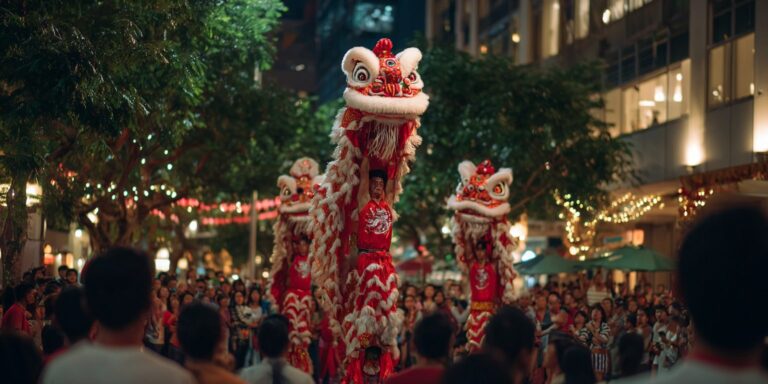
Lion dance has gracefully adapted to the modern rhythm of Singapore’s social calendar. Beyond Chinese New Year traditions, it now energises corporate launches, weddings, and even multicultural festivals like National Day events. Performances are tailored for contemporary settings but retain traditional gestures such as ‘cai qing’, where lions pluck auspicious greens symbolising abundance.
Troupes like those at Wolf Events blend age-old myths with interactive elements that engage diverse audiences—including children and tourists unfamiliar with the stories behind each leap or drumbeat. This fusion keeps heritage alive while strengthening community identity amid rapid urban change.
Educational Role of Lion Dance in Schools
Singaporean schools actively incorporate lion dance into their arts curriculum and cultural weeks. Students learn not just choreography but also explore myths such as the legend of Nian through storytelling sessions and hands-on workshops. This approach fosters pride in heritage while bridging cultural understanding among classmates from different backgrounds. Such exposure has inspired greater youth participation in community troupes—ensuring that this treasured art continues to thrive.
Teachers report that students gain teamwork skills alongside cultural literacy. For many young Singaporeans today, performing or learning about lion dance is both an education in history and an expression of national identity.
Symbolism and Meaning in Lion Dance Performances
Lion dance performances in Singapore brim with rich symbolism, echoing stories that span centuries. Every leap, bow, and expression of the lion is rooted in ancient legend, particularly the tale of the Nian monster. This myth remains central to Singapore’s interpretation of lion dance, both as a celebration of triumph over evil and as a vibrant reminder of heritage.
Today, troupes often share these stories at schools and public events, helping younger generations connect with their cultural roots. The meaning behind each performance goes beyond entertainment. Lion dance acts as a living bridge between past and present, linking communities through shared rituals and collective memory.
In multicultural Singapore, the lion dance has evolved to reflect local identity—adapting mythological elements for modern festivals, corporate launches, and educational workshops while retaining its power to ward off negativity and usher in fortune. Wolf Events remains dedicated to preserving the true spirit behind every lion dance show we perform.
Our team combines authentic storytelling with dynamic choreography to ensure that each performance communicates not just spectacle but also meaningful tradition.
| Lion Dance Element | Symbolic Meaning | Contemporary Role |
|---|---|---|
| Head Movements | Warding off evil spirits | Retelling Nian monster legend at events |
| Footwork Patterns | Bringing good luck and prosperity | Highlights during business openings |
| Tail Movements | Sweeping away misfortune | Used in modern multicultural celebrations |
The Lion’s Movements and Their Mythological Roots
Every gesture in a lion dance is steeped in mythological meaning. For example, the dramatic leaps represent the lion overcoming obstacles—mirroring how villagers once believed the mythical Nian was driven away by bravery and noise. Subtle movements like blinking or scratching mimic real animal behavior but also tell parts of ancient stories – curiosity overcoming fear or vigilance against lurking threats.
Singaporean troupes take special care to teach these mythological roots during school workshops and community performances. By explaining each movement’s origin—such as how high jumps symbolize triumph over adversity—performers bring legends alive for new generations. This focus on storytelling is a hallmark of Wolf Events’ approach; we believe that understanding the legend behind each step makes every performance more memorable.
Colours, Music, and Ritual Elements
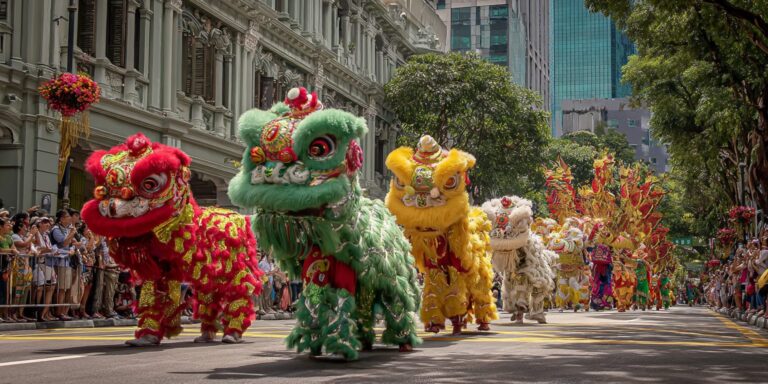
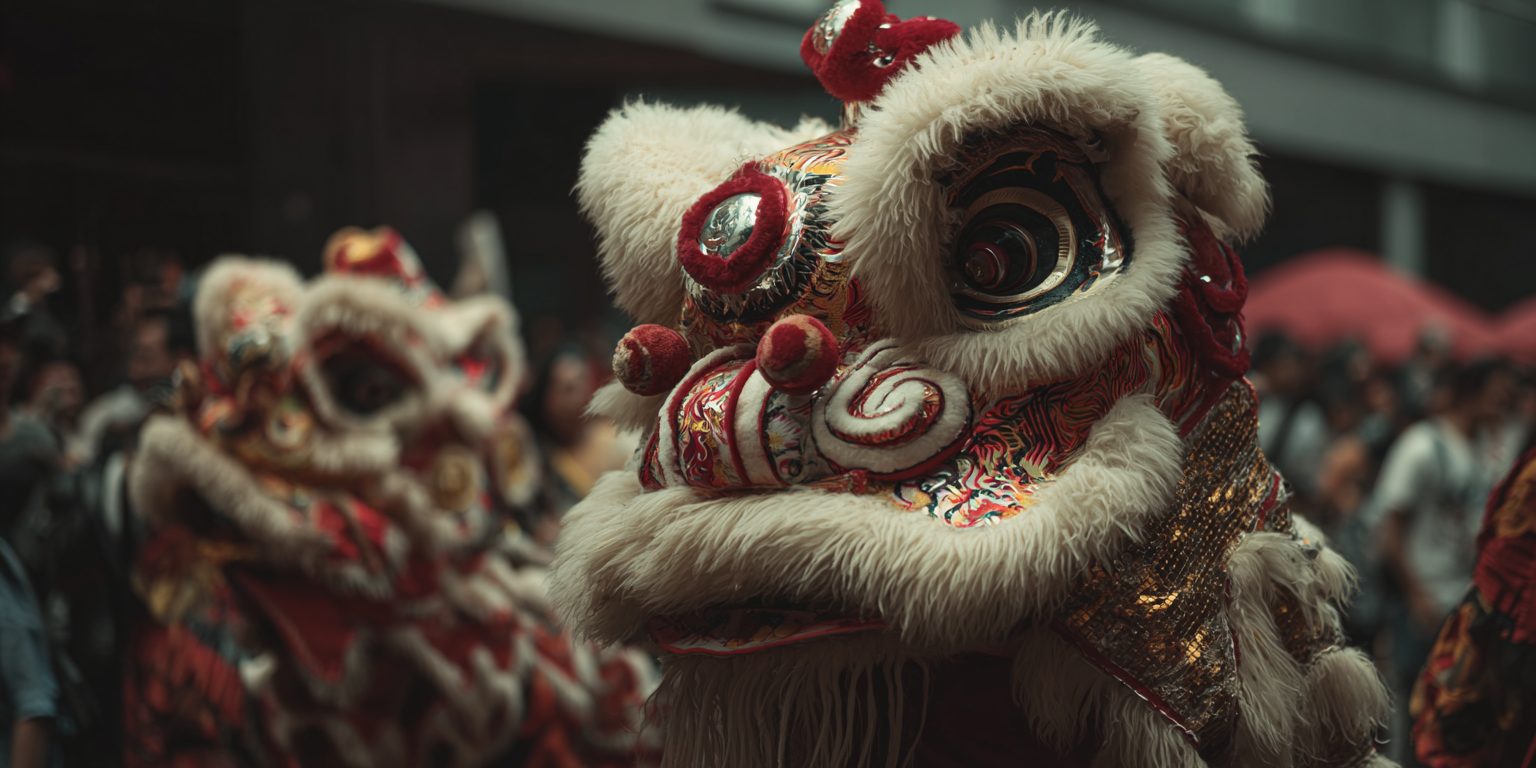
Colours play a vital role in expressing meaning during a lion dance. Red wards off misfortune, gold attracts prosperity, while green signals renewal—a palette directly inspired by Chinese folklore but interpreted uniquely across Singapore’s diverse events. Troupes may even use different colour combinations for corporate launches versus traditional temple ceremonies.
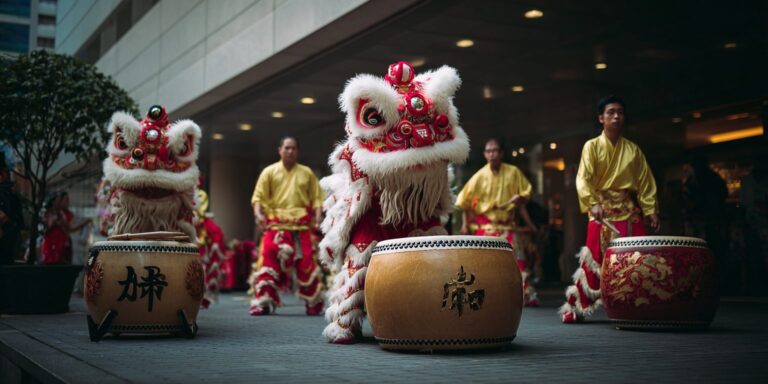
Music is equally crucial – drums, cymbals, and gongs recreate the cacophony that once frightened off the Nian monster according to legend. Rituals such as ‘cai qing’ (plucking the greens) not only symbolize fortune but also invite audience participation—a nod to how communal storytelling remains central in Singaporean celebrations today.
At Wolf Events, we carefully select colours and musical arrangements tailored for each occasion while honouring these deep-rooted traditions.
Lion Dance Myths in Contemporary Singapore
Lion dance myths have never felt more relevant in Singapore than they do today. The legend of the Nian monster, once recited at family gatherings, now finds a place in both school curriculums and major cultural festivals. This focus on storytelling helps connect younger generations to the roots of lion dance, highlighting how ancient beliefs about warding off evil still shape modern celebrations.
Tradition does not stand still. Singapore’s lion dance troupes skilfully blend age-old mythological narratives with contemporary performance styles for a wide range of events, from corporate launches to multicultural fairs. These adaptations preserve the symbolic elements of lion dance—strength, luck, and renewal—while making the art form accessible and engaging for an increasingly diverse audience.
At its core, lion dance in Singapore remains a living embodiment of heritage. Its evolving role in schools and community events is testament to how deeply it resonates with local identity. Troupes and educators work together to ensure that the meaning behind every leap and drumbeat continues to inspire pride and curiosity well into the future.
| Aspect | Traditional Role | Modern Interpretation |
|---|---|---|
| Legend of Nian | Warding off evil spirits | Teaching cultural heritage in schools |
| Symbolism | Bringing luck & prosperity | Boosting morale at corporate events |
| Performance Setting | Chinese New Year homes & temples | National Day & multicultural festivals |
Adapting Legends for Modern Events
Lion dance legends are constantly reimagined for Singapore’s fast-changing event landscape. Performances at shopping malls or product launches may appear sleek and modern, but their choreography often retains subtle nods to stories like the Nian monster myth. For example, specific movements symbolise driving away bad luck or inviting abundance, keeping old-world symbolism alive amid contemporary backdrops.
Organisers now seek out lion dance troupes not just for spectacle but for their ability to infuse events with deeper meaning. Whether it’s a school assembly or a multicultural festival, troupes adapt storytelling elements—sometimes through narration or themed costumes—to engage audiences who might not be familiar with Chinese folklore. This creative flexibility is why lion dance remains a highlight at both traditional and modern gatherings in Singapore.
Lion Dance and Multicultural Identity
Singapore’s multicultural tapestry gives unique dimension to lion dance myths. While rooted in Chinese tradition, performances now often include Malay drums or Indian tabla rhythms—a creative nod to national unity that resonates across ethnic lines. This blending of influences helps foster understanding between communities while celebrating difference. Lion dance becomes a shared symbol—not just of Chinese New Year, but of Singaporean resilience and harmony all year round.
Schools play a big part by introducing students from all backgrounds to these legends, strengthening bonds among young Singaporeans through stories that transcend any single culture.
We are passionate about making every performance meaningful for today’s diverse audiences.
Common Questions
What is the legend of Nian and how is it connected to lion dance?
The legend of Nian tells of a monster that terrorized villages every Lunar New Year. Villagers used loud noises, red banners, and lion costumes to scare it away, which is why lion dance is performed during Chinese New Year celebrations.
Why is lion dance performed during Chinese New Year?
Lion dance is performed to drive away evil spirits and bring good luck, based on myths where the lion protected villages from the monster Nian and symbolized strength and prosperity.
What are the main myths and legends behind lion dance?
The most prominent myths include the Nian monster legend and stories of emperors commissioning lion dances after dreams of being saved by lions, as well as Buddhist associations with lions as protectors.
How has lion dance evolved in Singapore?
Lion dance in Singapore has evolved from a traditional ritual to a cultural performance at various events, including school activities, business openings, and national celebrations, while retaining its mythological roots.
What does the lion symbolize in Chinese culture?
The lion symbolizes protection, strength, and good fortune, often seen as a guardian against evil spirits and misfortune, which is reflected in lion dance performances.
The enduring legends and myths behind the lion dance have shaped Singapore’s vibrant cultural landscape, connecting ancient origins with the city’s ever-evolving identity. As you’ve discovered, each performance is more than a display of agility—it’s a living narrative woven from centuries-old tales, symbolic gestures, and community pride. Whether it’s the story of the Nian monster or the imperial dreams of dynasties past, these traditions continue to spark wonder across generations.
If you’re eager to delve deeper into these fascinating stories or explore how lion dance continues to influence modern events in Singapore, we invite you to browse around our website. For tailored insights or to experience these legends firsthand at your next event, don’t hesitate to Whatsapp Us or reach out via our Contact Form.