Lion Dance Symbolism Singapore – Unveiling Prosperity, Unity & Tradition
Lion Dance Symbolism Singapore – Unveiling Prosperity, Unity & Tradition explores the enduring importance and evolving role of lion dance in Singapore’s cultural landscape. As a highlight of Chinese New Year celebrations, especially during Rénrì—the symbolic birthday of mankind—lion dance performances represent more than just vibrant entertainment; they embody wishes for prosperity, luck, and communal harmony.
The art form’s deep-rooted symbolism continues to resonate, with oranges and lettuce playing a key role in expressing hopes for abundance and fortune.
In recent years, lion dance has expanded beyond traditional festivities, appearing at business openings, weddings, and school events across Singapore. Modern troupes integrate contemporary music and acrobatics while preserving time-honored meanings to engage new audiences. This blend of innovation and tradition underscores the lion dance’s significance as both a cultural heritage and a unifying force within Singapore’s diverse society.
Lion Dance Symbolism Singapore – Cultural Meaning and Significance
Lion dance in Singapore pulses with meaning, weaving together centuries-old beliefs and modern aspirations. Every movement of the lion is more than just art—it’s a living symbol of prosperity, luck, and protection. In 2025, the role of lion dance has only deepened, especially as communities look for ways to unite and celebrate cultural heritage in a rapidly changing world.
During Chinese New Year, the lion dance takes center stage, especially on Rénrì—the day celebrating humanity itself. Here, the dance bridges generations, reaffirming communal unity and hope for abundance in the year ahead. Outside of these traditional festivities, you’ll now find lion dances energizing weddings, business launches, and even school festivals.
The art form continues to evolve, blending tradition with innovation through creative choreography and new music styles while holding tight to its roots in symbolism and good fortune. Singapore’s multicultural tapestry is reflected in how lion dance has adapted to resonate beyond its original audience. Whether performed at a Malay wedding or a multinational company’s opening ceremony, the lion’s presence signals respect for local customs and a wish for shared prosperity.
Wolf Events stands at the forefront of these meaningful celebrations—reach out via WhatsApp or our Contact Form to bring this vibrant tradition to your next event.
Origins and Historical Roots of Lion Dance
The roots of lion dance stretch back over a thousand years, tracing their way from ancient China into Southeast Asia with each wave of migration. In Singapore, both Southern and Northern lion dance styles flourish, though the Southern style—with its fierce expressions and dynamic footwork—is especially beloved. Lion dance was originally performed to ward off evil spirits and usher in good luck during harvests or at imperial courts.
As Chinese communities established themselves in Singapore, they brought this tradition with them. Today, it stands as a proud symbol of Chinese cultural heritage here—adapted over generations but always reverent to its origins.
| Lion Dance Style | Key Features | Common Occasions |
|---|---|---|
| Southern Lion | Expressive face, energetic movements | Chinese New Year, weddings |
| Northern Lion | Shaggier mane, acrobatic stunts | Stage shows, festivals |
Symbolic Elements – Prosperity, Luck, and Fortune
At its heart, every lion dance is an invitation for prosperity and positive energy. The energetic jumps and playful antics are believed to chase away misfortune while drawing in blessings for health and wealth. Businesses book lion dances not just for spectacle but as an investment in success—a tradition that remains strong in Singapore’s competitive economic landscape.
Weddings feature the lion as a guardian of happiness and harmony. For families celebrating new beginnings or milestones, inviting the lions signals hopes for abundance throughout life’s journey. The symbolism resonates deeply during Chinese New Year but carries meaning all year round at any gathering seeking luck.
The Role of Oranges, Lettuce, and Drums in Lion Dance
Oranges (ju) are central props in Singaporean lion dances—chosen because their Cantonese pronunciation sounds like ‘luck.’ They’re presented by businesses or families as offerings before being ‘eaten’ by the lion and returned as tokens of fortune. Lettuce (cai) is equally important; it symbolizes wealth due to its phonetic similarity to ‘money’ (cai).
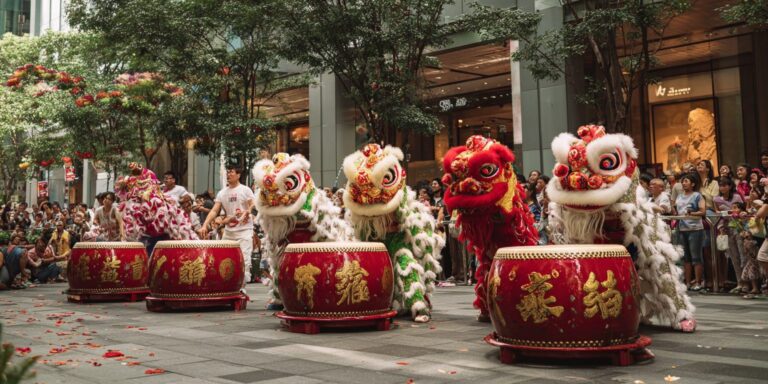
The dramatic moment when the lion tosses lettuce leaves after ‘eating’ them is meant to scatter fortune among everyone present. Drums drive every performance forward with their booming rhythms—each beat synchronized with the lion’s movements. These sounds are more than musical accompaniment; they’re believed to awaken positive energies while keeping negativity at bay.
Wolf Events Fact Machine
In Singapore’s lion dance performances, the use of lettuce (‘cai’) is intentional—the word sounds like ‘wealth’ in Mandarin, and when the lion ‘spits’ it out, it’s meant to spread prosperity to everyone present.
Lion Dance in Singapore’s Celebrations
Lion dance remains an iconic part of Singapore’s festive landscape, captivating audiences with its bold colours, powerful drumming, and acrobatic choreography. In 2025, the art form continues to evolve, blending centuries-old traditions with modern flair. Today’s lion dance troupes are just as likely to incorporate upbeat contemporary music or daring stunts as they are to honour the deep symbolism and rituals that have defined this performance for generations.
The enduring popularity of lion dance is rooted in its significance as a bringer of luck, prosperity, and unity. Whether it’s the dramatic unfurling of scrolls bearing auspicious messages or the playful tossing of oranges and lettuce—each gesture carries meaning for communities across Singapore. Lion dance is more than spectacle; it is a vibrant thread in the city’s multicultural fabric, fostering communal spirit and joy at events all year round.
Wolf Events is proud to be at the forefront of this cultural evolution, offering performances that blend heritage with innovation.
| Occasion | Symbolism | Modern Adaptations |
|---|---|---|
| Chinese New Year | Luck & new beginnings | Fusion music, creative choreography |
| Business Openings | Prosperity & success | Customized blessings |
| Weddings | Unity & happiness | Interactive segments |
| Festivals/Schools | Community & education | Youth-focused routines |
Chinese New Year and Rénrì – Creation and Community
The lion dance holds special meaning during Chinese New Year celebrations in Singapore, acting as both protector and harbinger of good fortune for the year ahead. On Rénrì—the seventh day of the festival—lion dances take on added significance as families and communities celebrate the mythical birthday of humanity. The energetic movements and rhythmic drumming echo wishes for harmony and collective progress.
Props like oranges and lettuce are more than just visual flourishes; they are symbols deeply woven into local tradition. Oranges represent wealth and gold, while lettuce (cai) stands for growing prosperity. The act of ‘cai qing’, where the lion ‘plucks’ these greens before scattering them to onlookers, creates a shared moment of hope for abundance.
These customs are especially meaningful in Singapore’s diverse society, where lion dance brings people together regardless of background.
Lion Dance at Business Openings, Weddings, and Festivals
Singapore businesses continue to invite lion dancers for grand openings, seeing these performances as essential rituals to attract success and dispel negative energy. The thunderous drumbeats signal a fresh start while bespoke blessings can be tailored for different industries or business owners’ wishes. Couples increasingly choose lion dance for their wedding celebrations too—seeking to infuse their union with luck, happiness, and protection from misfortune.
At community festivals and school events, lion dance serves not only as entertainment but also as a cultural bridge. Modern routines now engage younger audiences through interactive elements and dynamic music pairings. This adaptability ensures that lion dance remains relevant and cherished across generations.
Southern vs. Northern Lion Dance Styles in Singapore
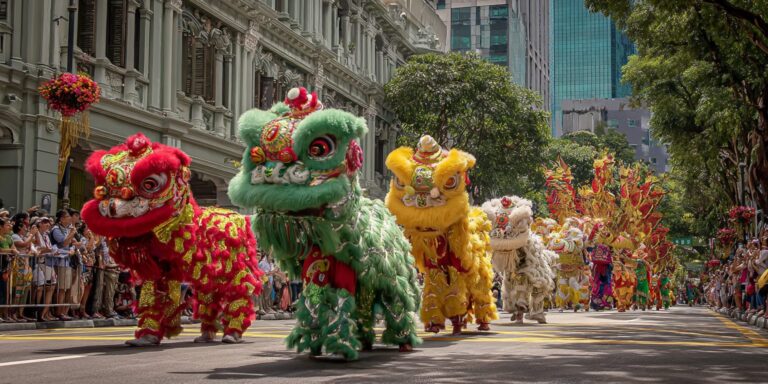
In Singapore, lion dance is more than just a performance—it’s a bridge between tradition and contemporary life. The Southern and Northern lion dance styles both play significant roles, yet each brings its own unique flavor to celebrations across the island. Southern lion dance, with its dramatic head movements and focus on symbolism, is most commonly seen at business openings, weddings, and especially during Chinese New Year festivities.
Its use of props like oranges and lettuce is deeply rooted in wishes for prosperity and luck, resonating with both Chinese families and multicultural audiences. Northern lion dance, on the other hand, incorporates playful acrobatics and often features paired lions that interact with each other in a light-hearted manner.
These performances are gaining popularity at school festivals and community events where there is a desire to engage younger crowds or introduce non-Chinese guests to this vibrant art form. Both styles have adapted creatively in recent years, blending traditional drumming with modern music to keep the performances fresh while preserving their rich cultural heritage.
Across Singapore, the evolving role of lion dance highlights the city’s communal spirit. Whether at Rénrì during Chinese New Year or at a grand business launch, these performances foster unity by bringing people together through shared celebration and cultural appreciation. As more events feature innovative routines and inclusive storytelling, lion dance continues to thrive as a symbol of prosperity and community for Singaporeans from all walks of life.
Key Differences and Local Preferences
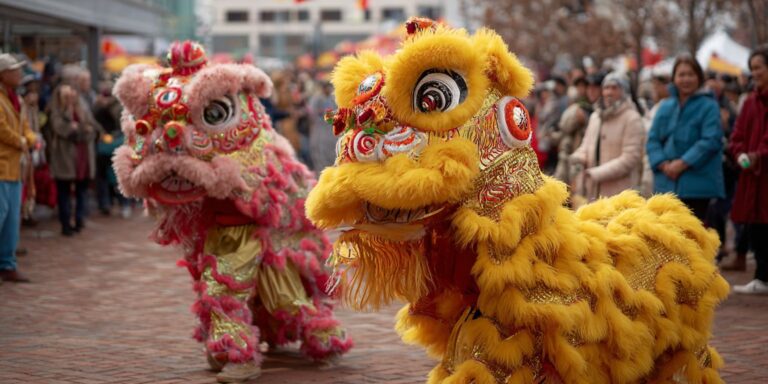
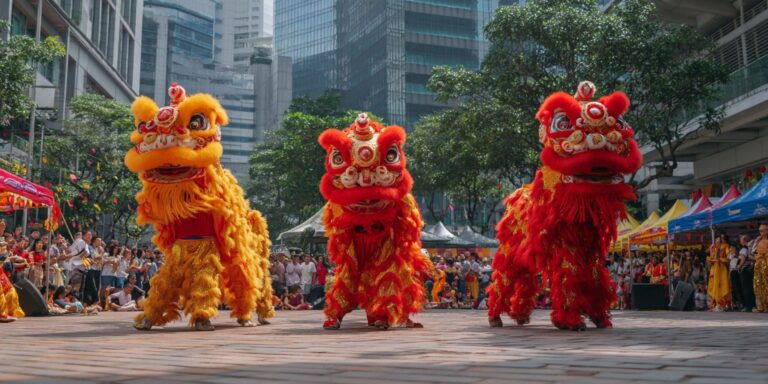
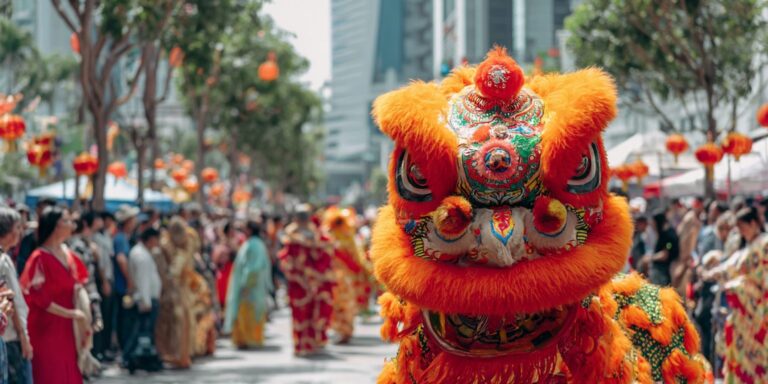
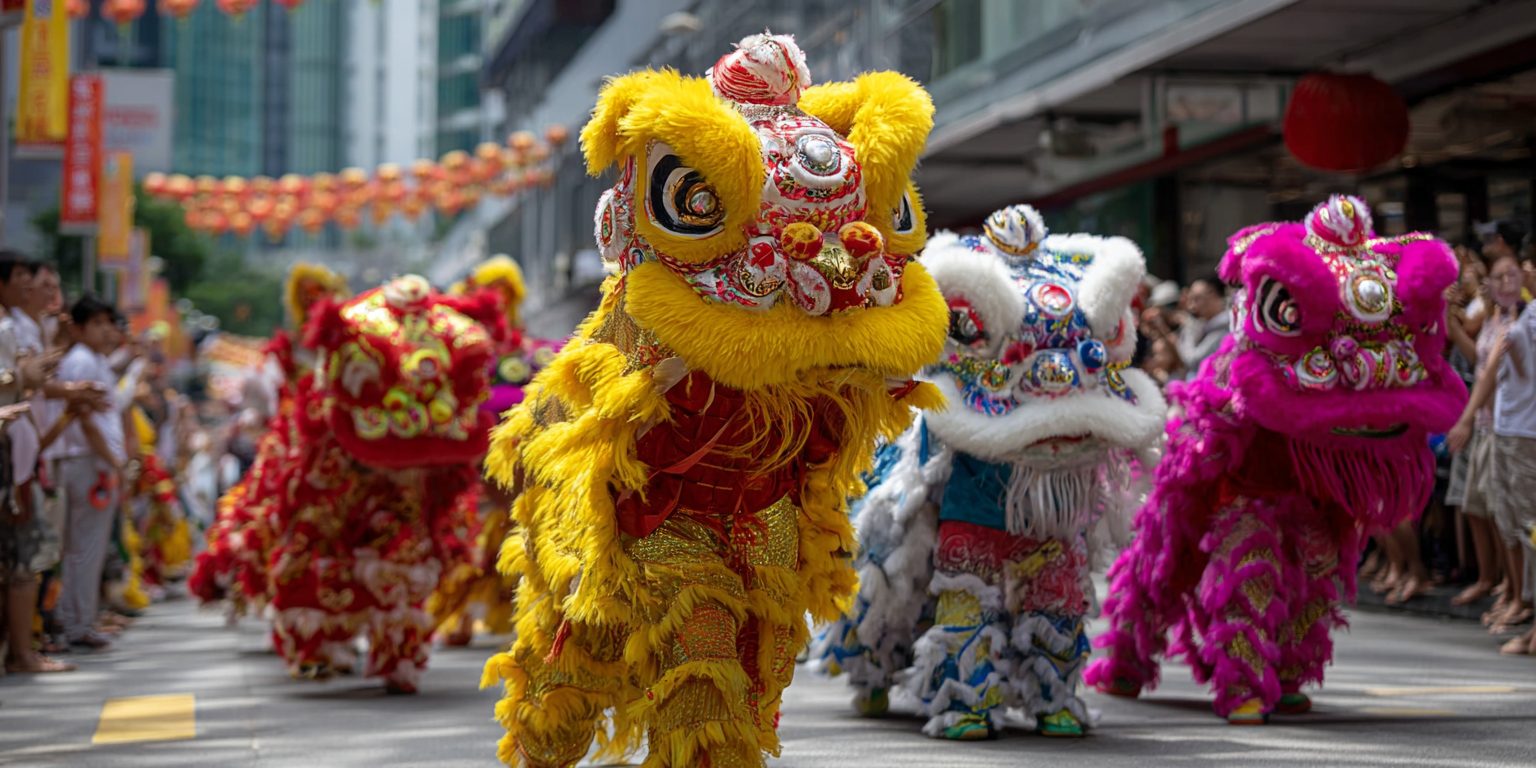
Southern lion dance in Singapore is instantly recognizable by its elaborate costumes featuring large expressive eyes, prominent mouths, and intricate fur detail. Dancers mimic the movements of a real lion with measured steps, sharp head shakes, and symbolic gestures such as ‘plucking the greens’—the act of retrieving lettuce or oranges to bestow fortune upon event hosts.
This style tends to be favored for traditional ceremonies where symbolism is paramount. Northern lion dance is more acrobatic, often performed by pairs who leap across benches or high platforms while maintaining playful interactions. The lions here are smaller in size but come adorned with bright colors and jingling bells that add a festive note to their energetic routines.
Local schools and multicultural events often prefer the Northern style for its entertainment value and ability to captivate diverse audiences. In recent years, local preferences have shifted toward performances that blend both traditions with new elements like pop music soundtracks or cross-cultural collaborations—reflecting Singapore’s modern identity while honoring its roots.
Wolf Events specializes in customizing lion dance experiences tailored to each occasion’s needs, whether you seek classic Southern symbolism or an innovative Northern-inspired show.
Modern Adaptations and Community Impact
Singapore’s lion dance scene has evolved tremendously in recent years, blending deep-rooted tradition with fresh, modern influences. What was once reserved for the Chinese New Year is now a vibrant year-round spectacle at business launches, weddings, and school celebrations. This shift reflects Singapore’s dynamic, multicultural landscape and a renewed appreciation for the lion dance as a living art form.
Younger audiences are increasingly drawn to innovative routines that feature contemporary music and daring acrobatic stunts, yet the performances remain grounded in cultural heritage. The symbolism—prosperity, good fortune, and unity—continues to resonate. The use of props like oranges and lettuce holds special meaning in Singapore, signifying wealth and abundance for those who witness or invite the performance.
Lion dance troupes are also bridging generational gaps by experimenting with both Southern and Northern styles, integrating modern choreography while preserving the essence of the tradition. These adaptations ensure that lion dance remains relevant as a unifying force across Singapore’s diverse communities. For event organisers looking to create a memorable impact, engaging a professional troupe like Wolf Events not only brings authenticity but fosters communal spirit.
Troupes across Singapore are redefining what it means to experience a lion dance performance. Modern adaptations now often feature remixes of traditional drum beats with pop or electronic music, capturing the attention of tech-savvy crowds without sacrificing cultural integrity. Acrobatics have become bolder too—lions leap from platform to platform, symbolising overcoming obstacles with grace.
Innovations in Performance and Music
These performances remain deeply meaningful – tossing oranges and lettuce still represents the bestowing of luck and prosperity, even when set to energetic soundtracks or fused with elements from other cultural acts. Such creative approaches make lion dance accessible and exciting for all ages and backgrounds, ensuring its place in future celebrations.
Lion dance has become more than just a Chinese tradition; it’s now woven into Singapore’s multicultural fabric. Today’s performances are featured at Malay weddings, Indian festivals, corporate events for international firms, and neighbourhood block parties regardless of ethnicity. The communal spirit is especially evident during Rénrì—the seventh day of Chinese New Year—which celebrates humanity’s creation and reminds everyone of shared roots.
Lion Dance as a Unifying Force in Multicultural Singapore
Lion dances unite people from all walks of life through their universal messages of hope, luck, and prosperity. When businesses invite lion dancers for openings or milestones, they’re not only embracing good fortune but also reinforcing bonds within their teams and communities. Wolf Events champions this inclusive approach by tailoring performances for every audience while honouring tradition.
Lion dances unite people from all walks of life through their universal messages of hope, luck, and prosperity. When businesses invite lion dancers for openings or milestones, they’re not only embracing good fortune but also reinforcing bonds within their teams and communities. Wolf Events champions this inclusive approach by tailoring performances for every audience while honouring tradition.
If you want your next event to inspire unity and lasting memories, reach out via WhatsApp or our Contact Form.
Common Questions
What does the lion dance symbolize in Singapore?
In Singapore, the lion dance symbolizes prosperity, good fortune, and the warding off of evil spirits. It is also seen as a way to bring communities together and celebrate cultural heritage.
Why are oranges and lettuce used in lion dance performances?
Oranges and lettuce are used because they symbolize wealth and prosperity. The act of the lion ‘eating’ and ‘spitting’ them out represents the spreading of good fortune.
When is the lion dance performed in Singapore?
Lion dance is most commonly performed during Chinese New Year but is also featured at business openings, weddings, school events, and other celebrations to bring luck and happiness.
What is the difference between Southern and Northern lion dance styles?
Southern lion dance, predominant in Singapore, features one lion and focuses on symbolic movements and expressions, while Northern lion dance uses two lions and is often more acrobatic.
How has lion dance evolved in Singapore?
Lion dance in Singapore has incorporated modern music, acrobatics, and creative routines to engage younger audiences while preserving its traditional roots and symbolism.
As we’ve uncovered, lion dance in Singapore is far more than a festive spectacle—it’s a living emblem of prosperity, unity, and deep-rooted tradition. From the rhythmic beat of drums to the symbolic scattering of oranges and lettuce, every element of the performance tells a story that resonates with both heritage and hope for good fortune.
Curious about the vibrant world behind these iconic dances? Dive deeper into our website to discover more insights on lion dance symbolism in Singapore. If you’re planning an event or simply want to experience this rich tradition up close, don’t hesitate to Whatsapp Us or reach out via our Contact Form.