Lion Dance to Ward Off Evil Spirits – Tradition, Symbolism & Modern Performances in Singapore
Lion Dance to Ward Off Evil Spirits – Tradition, Symbolism & Modern Performances in Singapore remains a vibrant and essential part of the city-state’s cultural landscape. In 2025, lion dance performances continue to be central to Chinese New Year celebrations and business openings, emphasizing their time-honored purpose of expelling evil spirits and ushering in prosperity.
The practice draws from deep-rooted legends like Nian Shou and centuries-old symbolism, with each performance incorporating distinct costumes, rhythmic drum music, and choreographed movements that captivate audiences.
Modern lion dance in Singapore showcases a blend of tradition and innovation, integrating elements such as Bian Lian mask changing and the God of Fortune mascot for added spectacle. The art form is increasingly adapted to multicultural settings, sparking discussion about its compatibility with non-Chinese communities while maintaining its core symbolism.
Differences between Northern and Southern lion dance styles are also gaining attention, as groups explore new ways to celebrate heritage through creative choreography and collaborations at festive events, corporate launches, weddings, and community gatherings.
Lion Dance to Ward Off Evil Spirits – Cultural Significance in Singapore
Lion dance has long been a powerful tradition in Singapore, celebrated for its ability to ward off evil spirits and usher in good fortune. The beat of the drums, the vibrant movements of the lion, and the clash of cymbals combine to create an atmosphere charged with energy. This performance is not just for show—every gesture, costume detail, and rhythm carries deep meaning rooted in ancient beliefs about protection and prosperity.
In 2025, lion dance remains at the heart of Chinese New Year festivities across Singapore. More businesses and communities are seeking performances that both honor tradition and embrace modern showmanship. It’s common to see lion dance troupes collaborating with acts like Bian Lian mask changing or appearances by the God of Fortune mascot.
This fusion keeps the spirit of lion dance alive while appealing to a new generation. The acceptance and adaptation of lion dance in Singapore’s multicultural landscape is also remarkable. As debates continue about its place within non-Chinese faith communities, many have come to appreciate its universal message of hope, unity, and protection.
Today, lion dance brings people together at business openings, weddings, festivals, and community events—always carrying its core symbolism of driving away negativity and inviting success.
Origins and Legends – The Story of Nian Shou
The legend of Nian Shou lies at the heart of the lion dance tradition. According to Chinese folklore, Nian was a fearsome beast that would emerge each Lunar New Year to terrorize villages. It was only through loud noises, bright colors, and coordinated movements—echoed today in the lion dance—that villagers could scare Nian away.
Over time, this story evolved into an annual ritual symbolizing collective strength against misfortune. In Singapore, this legend is retold each year during festive performances. Troupes pay homage to Nian by incorporating dramatic music and bold choreography designed to mimic both the ferocity and playfulness of a mythical beast. These origins give every performance a sense of purpose beyond entertainment—they act as a living shield against bad luck.
| Legend Element | Lion Dance Representation | Symbolic Meaning |
|---|---|---|
| Nian Shou (the beast) | Lion costume & fierce movements | Protection from harm |
| Loud noises | Drums & cymbals | Scaring away evil spirits |
| Red decorations | Vibrant costumes | Good fortune & celebration |
Symbolism of the Lion Dance in Expelling Evil
Every aspect of a lion dance performance is steeped in symbolism aimed at banishing negative forces. The lion’s expressive face is crafted to appear both fierce and auspicious, intimidating evil spirits while charming audiences. Movements such as leaping or shaking signify shaking off bad luck or sweeping away obstacles.
Music plays a crucial role—the thunderous drums echo through neighborhoods or business fronts as a spiritual alarm clock, waking up positive energies for the new year or new venture. In modern Singapore, these symbolic gestures resonate not just with those who understand their origins but also with people from all walks of life who crave renewal and success.
| Performance Element | Purpose | Associated Outcome |
|---|---|---|
| Leaping Lion Movements | Dispels bad luck | Renewed prosperity |
| Eye-dotting Ritual | Awakens spiritual energy | Invites good fortune |
| Offering Lettuce (Cai Qing) | Symbolizes wealth & growth | Brings abundance |
Lion Dance in Singapore’s Multicultural Celebrations
Singapore’s diverse society has embraced lion dance beyond its Chinese roots. Today you’ll find lion dance performances integrated into Malay Hari Raya celebrations, Deepavali gatherings with Indian families, and even interfaith community events. These adaptations reflect Singapore’s spirit of inclusion while respecting cultural origins. Businesses from various backgrounds now engage lion troupes for grand openings or milestone celebrations—not just for luck but also as a sign of unity with local traditions.
Performers often collaborate with other acts like Bian Lian mask changing or invite God of Fortune mascots for added blessings. Wolf Events specializes in customizing these experiences for any audience—simply Whatsapp-Link”>WhatsApp us or use our Contact Form for expert advice on making your next celebration truly unforgettable.
Wolf Events Fact Machine
Did you know? The lion dance’s drumming patterns are believed to mimic the heartbeat, energizing both performers and audience while scaring away malevolent spirits—a key reason why live percussion is never omitted from traditional performances.
Key Elements of a Lion Dance Performance
A lion dance performance in Singapore is a vibrant blend of artistry, athleticism, and deep-rooted symbolism. Its primary role is to ward off evil spirits and usher in prosperity, especially during Chinese New Year celebrations and business openings. The performance draws from centuries-old legends, such as the tale of Nian Shou—a mythical beast frightened away by loud sounds and fierce-looking lions.
Today, these traditions are thoughtfully preserved even as lion dance evolves with modern showmanship and new choreography. Every lion dance tells a story that resonates across Singapore’s multicultural landscape. While rooted in Chinese heritage, the performance has been embraced by communities of all backgrounds for its energy and auspicious meaning.
The distinctive features—costume, music, and choreography—each play a crucial role in delivering an unforgettable spectacle. Whether it’s a festive occasion or a corporate event, the lion dance remains an enduring symbol of good fortune and unity.
Lion Costume – Colors and Symbolism
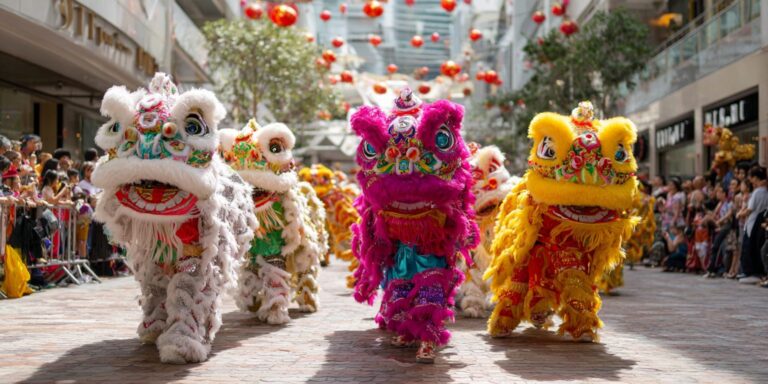
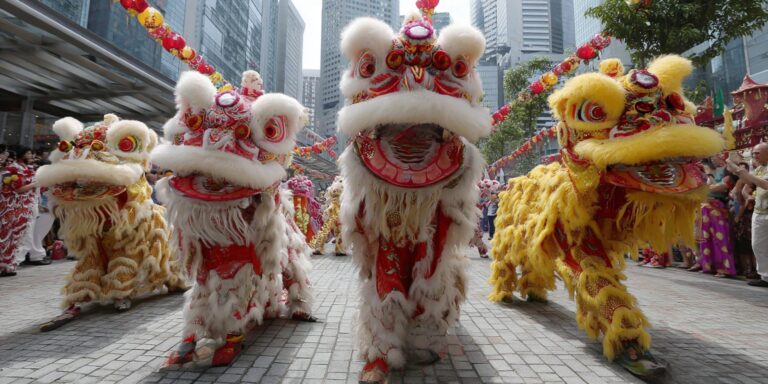
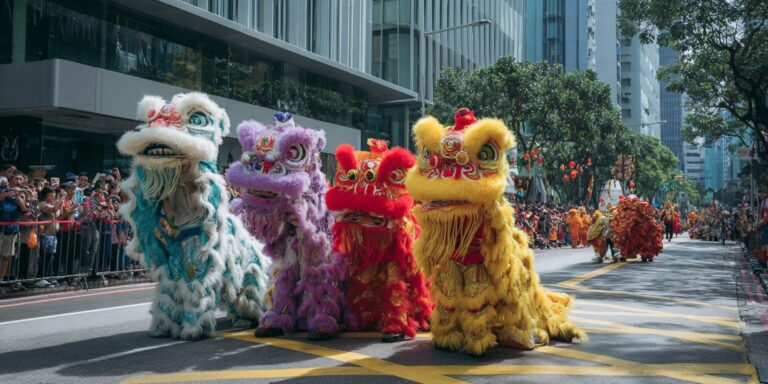
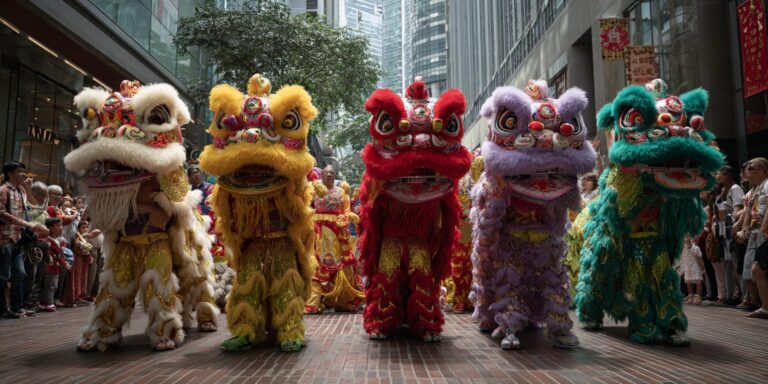
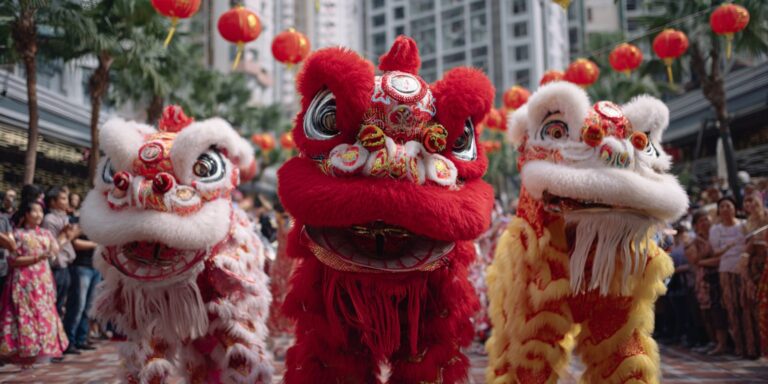
The lion costume stands out as the visual centerpiece of any performance. Each color carries its own symbolism – red for happiness and luck, gold for wealth and prosperity, green for growth and harmony. In Singapore, both Northern and Southern styles appear at various events. The Southern lion is more common here—its large expressive eyes, prominent horn, and vibrant fur patterns evoke strength and wisdom.
Modern performances sometimes feature custom designs or mascots that reflect company branding or specific wishes for the event. Despite these creative updates, the core symbolism remains unchanged – every detail on the costume is meant to repel negative energy while inviting abundance.
Music and Drumming – Creating Auspicious Energy
No lion dance is complete without thunderous drums, cymbals, and gongs. The music sets the tempo for the entire performance while creating an atmosphere charged with auspicious energy. Specific drum patterns correspond to different segments—entering a venue, overcoming obstacles, or presenting blessings. In Singapore’s evolving scene, some troupes blend traditional rhythms with contemporary beats to captivate modern audiences.
However, the fundamental goal remains – to mimic the chaos that once scared away Nian Shou and continue driving away misfortune today.
Role of Performers and Choreography
Performers bring life to the lion through precise coordination and athletic skill. Typically working in pairs—one controlling the head, another guiding the body—the dancers must synchronize their movements perfectly to mimic a lion’s curiosity or playfulness. Choreography can range from traditional routines to innovative stunts that thrill spectators. In 2025, more troupes in Singapore experiment with integrating other acts such as Bian Lian mask changing or God of Fortune mascots for added excitement.
Despite these innovations, discipline remains key; every move is rooted in tradition yet adapted for today’s multicultural audience.
Lion Dance for Business Prosperity and Special Occasions
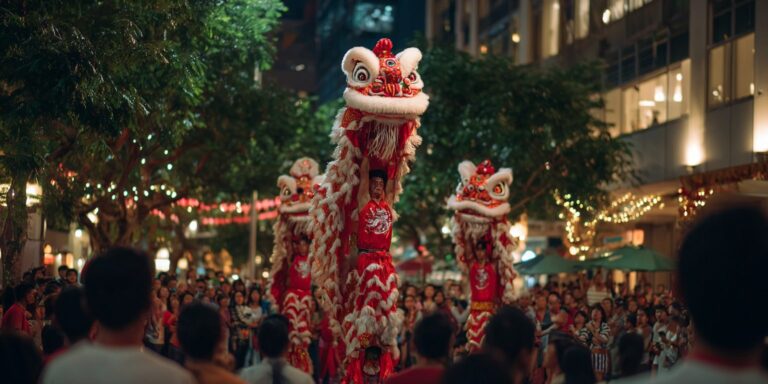
Lion dance continues to shape Singapore’s business landscape and festive scene in 2025. From gleaming new shopfronts to grand hotel lobbies, the lion’s arrival is a sign of good fortune, prosperity, and communal optimism. The rhythmic beating of drums, clashing cymbals, and the colourful, expressive lions create an atmosphere that draws crowds and energises any occasion.
The symbolism of the lion dance runs deep—each movement is designed to ward off evil spirits and invite wealth. Rooted in ancient legends such as the tale of Nian Shou, this tradition thrives in Singapore’s multicultural context. While some debate its adaptation among non-Chinese communities, its appeal has grown broader than ever.
Businesses now see lion dance not just as a cultural gesture but as a strategic way to mark milestones, impress clients, and foster a sense of unity within diverse teams. Wolf Events specialises in performances that merge tradition with contemporary flair. We understand every business or special event is unique.
Whether you want to highlight your grand opening or add excitement to a corporate dinner, our lion dance troupes bring an authentic experience tailored for modern Singapore.
Blessing New Businesses and Events
A lion dance is more than a performance—it’s a ceremonial blessing for new ventures and important milestones. In Singapore’s bustling commercial hubs, owners often invite the lions to usher in luck on their opening day. The act of “cai qing” (plucking the greens) symbolises gathering wealth and clearing obstacles from the path ahead.
This tradition isn’t limited to shop openings. Lion dances now feature at product launches, community events, weddings, and even company anniversaries. Each appearance is carefully choreographed – vibrant costumes represent strength and wisdom; performers move with skill to mimic the lion’s spirit; powerful drumbeats awaken energy in every attendee. Such attention to detail ensures that each blessing feels personal—and effective.
With demand rising for meaningful celebrations in 2025, Wolf Events delivers performances that respect both heritage and your specific needs.
Integration with God of Fortune Mascot and Bian Lian
Singapore audiences are increasingly drawn to performances that combine lion dance with other traditional acts such as the God of Fortune mascot or Bian Lian mask changing. This integration adds depth and spectacle—imagine a procession where the God of Fortune greets guests while the lion dances energetically around him, followed by a masterful Bian Lian artist seamlessly changing masks in time with the music.
Such collaborations create richer cultural experiences for all ages and backgrounds. They also emphasise harmony—a core theme in Singapore’s multicultural society—by blending different traditions into one unforgettable show. At Wolf Events, we offer packages that include these elements for maximum impact at your event.
Lion dance remains one of the most vibrant cultural performances in Singapore, especially during major events like Chinese New Year or business openings. The two main styles—Northern and Southern lion dance—each bring distinct energy, symbolism, and tradition to the stage. While both serve the essential purpose of warding off evil spirits and inviting prosperity, their origins, movements, and performance elements differ significantly.
Lion Dance Styles – Northern vs Southern Traditions
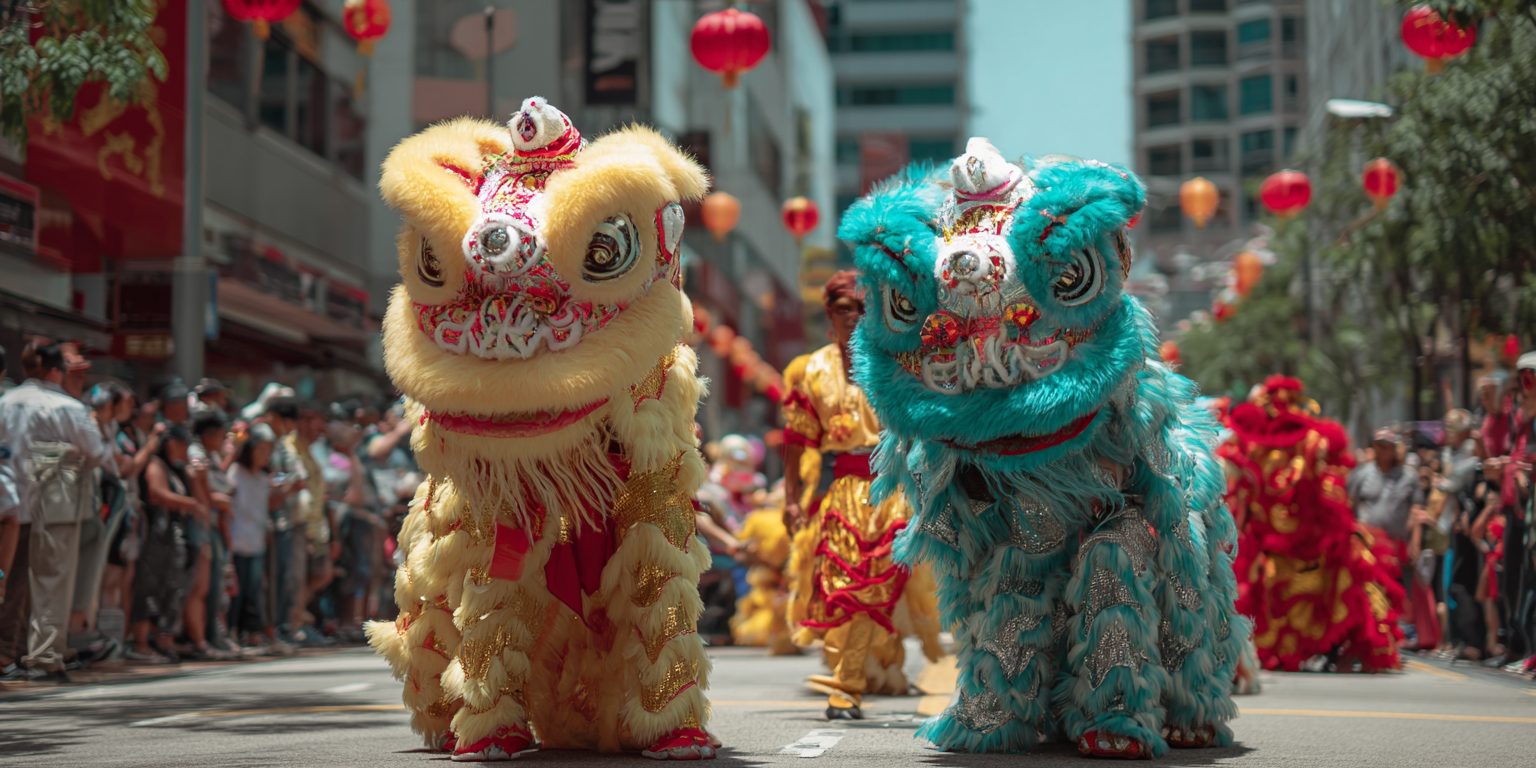
The Southern lion dance, more commonly seen in Singapore, is recognized for its dramatic head movements, expressive eyes, and intricate costumes with bold colors. This style often incorporates powerful drum rhythms and acrobatic stunts to embody the legendary lion that chases away misfortune. In contrast, the Northern lion dance features a shaggier costume with a more playful appearance, often performed in pairs to mimic the natural behavior of lions.
The choreography tends to be lighter and more humorous, reflecting Northern China’s interpretation of the lion as a symbol of joy and celebration. Singapore’s multicultural context has allowed both styles to flourish and even blend with other traditional acts like Bian Lian mask changing or God of Fortune mascot appearances.
Today’s performances often feature innovative choreography and dynamic music while remaining deeply rooted in their symbolic roles—expelling negative influences and ushering in wealth for families and businesses alike. For those seeking a memorable lion dance performance that honors tradition while embracing modern showmanship, Wolf Events stands out as an expert partner.
Lion dance in Singapore has undergone an exciting transformation, blending centuries-old traditions with contemporary flair. While its roots remain deeply tied to the ancient legend of Nian Shou—where the fierce lion scared away evil spirits—today’s performances captivate audiences with dynamic choreography, vibrant costumes, and innovative musical arrangements. Each lion dance continues to embody powerful symbolism, driving away misfortune and inviting prosperity, especially during Chinese New Year celebrations and business openings.
Singapore’s multicultural landscape has also shaped how lion dance is perceived and celebrated. The art form now resonates beyond its Chinese origins, with communities of various backgrounds embracing its energy and meaning. This integration is evident as lion dance troupes collaborate with other traditional acts such as Bian Lian mask changing or God of Fortune mascots, creating immersive spectacles that appeal to a broader audience.
The Modern Evolution of Lion Dance in Singapore
Modern lion dance performances in 2025 highlight both Northern and Southern styles, each offering distinct movements and visual identities. The Southern style remains popular for its lively expressions and acrobatic stunts, while the Northern variant adds diversity to the scene with its playful footwork. The evolution of lion dance in Singapore is not just about preservation—it’s about adaptation, ensuring that this time-honoured tradition remains relevant and cherished for generations to come.
For those planning events or seeking unique cultural experiences, Wolf Events stands ready to bring the magic of modern lion dance to your doorstep.
Modern lion dance performances in 2025 highlight both Northern and Southern styles, each offering distinct movements and visual identities. The Southern style remains popular for its lively expressions and acrobatic stunts, while the Northern variant adds diversity to the scene with its playful footwork. The evolution of lion dance in Singapore is not just about preservation—it’s about adaptation, ensuring that this time-honoured tradition remains relevant and cherished for generations to come.
For those planning events or seeking unique cultural experiences, Wolf Events stands ready to bring the magic of modern lion dance to your doorstep. Message us on Whatsapp or use our Contact Form for bookings.
Common Questions
What is the purpose of the lion dance in Chinese culture?
The lion dance is performed to ward off evil spirits, bring good luck, and ensure prosperity, especially during Chinese New Year and important occasions.
How does the lion dance ward off evil spirits?
The lion dance uses loud music, vibrant colors, and energetic movements to scare away negative energies and evil spirits, a tradition rooted in the legend of the Nian Shou.
Why is the lion dance important for businesses in Singapore?
Businesses invite lion dance troupes to bless their premises, attract prosperity, and symbolically protect against misfortune, especially at openings or during festive periods.
What are the key elements of a lion dance performance?
A lion dance features a lion costume (head and body), skilled performers, rhythmic drum, gong, and cymbal music, and symbolic colors and patterns representing luck and fortune.
How is the lion dance different from the dragon dance?
The lion dance involves two performers in a lion costume, while the dragon dance uses multiple people holding a long dragon figure on poles; both have distinct movements and symbolism.
As Singapore continues to embrace both tradition and innovation, the lion dance remains a vibrant symbol of protection and prosperity—warding off evil spirits while bringing communities together in celebration. Whether you’re seeking to infuse your business opening with auspicious energy or simply want to experience the electrifying music and choreography up close, this ancient art form never fails to impress.
Curious about the deeper symbolism, performance elements, or the latest trends in lion dance? Browse around our website for in-depth guides, insights on modern shows, and tips on integrating traditional acts like Bian Lian and God of Fortune mascots into your next event. If you have questions or want to book a performance, just Whatsapp Us or reach out via our Contact Form.