Lion Dance vs Dragon Dance Differences – Singapore’s Guide to Festive Performances
Lion Dance vs Dragon Dance Differences – Singapore’s Guide to Festive Performances addresses the ongoing confusion between these two iconic traditions, especially as their popularity surges at corporate events and private celebrations in Singapore. With enhanced choreography, innovative costume designs, and a renewed focus on cultural heritage, understanding the core distinctions between lion and dragon dance performances is increasingly important for event planners and audiences alike.
This guide highlights key differences in number of performers, choreography styles, symbolism, costume features, audience engagement, and the types of occasions where each dance is most fitting. By examining both traditional roots and modern adaptations—such as LED costumes and fusion choreography—this article provides a detailed comparison tailored to Singapore’s unique festive landscape.
Lion Dance vs Dragon Dance – Key Differences
Lion Dance and Dragon Dance are two of the most captivating traditional performances in Singapore, yet many still confuse the two. Both art forms hold deep-rooted significance in Chinese culture, especially during festive seasons and grand openings. However, their differences are striking, from the number of performers to their symbolism and visual spectacle.
In Singapore’s vibrant events scene, demand for both Lion Dance and Dragon Dance has surged, especially at corporate launches and private celebrations. Event organisers now seek performances that not only honour tradition but also bring a modern flair—think LED-lit costumes and fusion choreography. Still, understanding what makes each dance unique is key to choosing the right act for your special occasion.
Wolf Events stands ready to guide clients through these choices, ensuring every performance leaves a lasting impression.
Number of Performers and Choreography
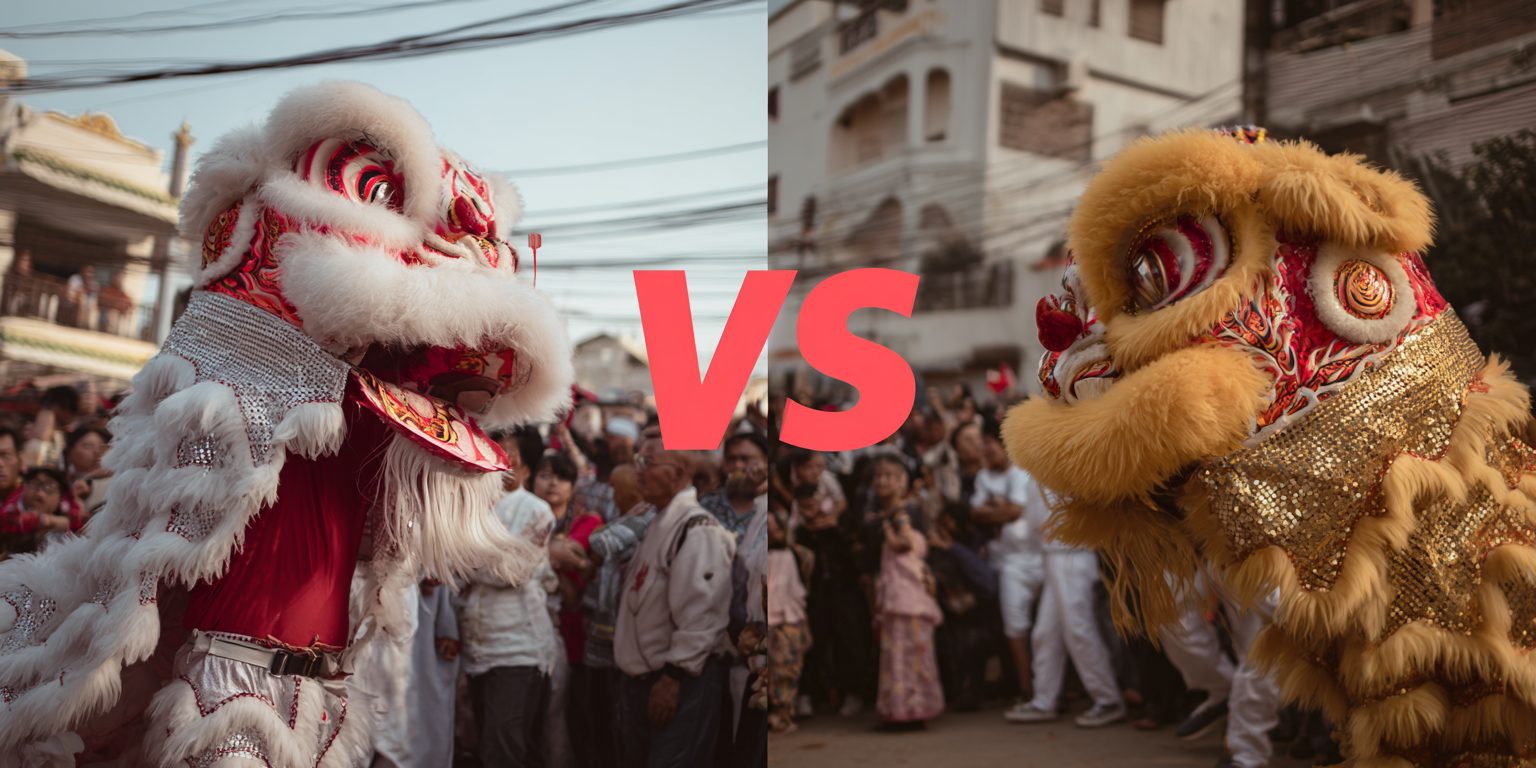
The Lion Dance typically features two performers per lion—one controlling the head and front legs, another handling the back. This close teamwork allows for agile stunts, acrobatics on high poles, and synchronized footwork that captivates audiences in intimate settings or smaller venues. By contrast, Dragon Dance is a large-scale ensemble act.
It often involves 9 to 15 performers or more, each holding a section of the dragon on poles. The choreography is elaborate – the dragon weaves through complex patterns, mimicking flowing movements that symbolize power and good fortune. In Singapore’s parades or spacious event halls, Dragon Dance delivers maximum impact with its scale and energy.
| Dance | Typical Number of Performers | Choreography Style |
|---|---|---|
| Lion Dance | 2 (per lion) | Acrobatic, coordinated stunts |
| Dragon Dance | 9-15+ | Large-scale synchronized patterns |
Costume Design and Visual Impact
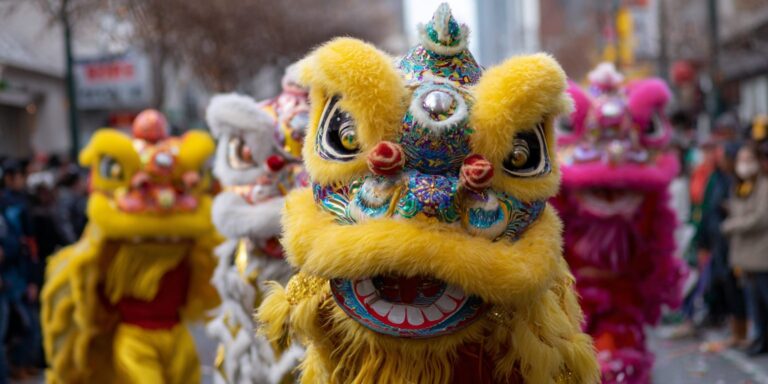
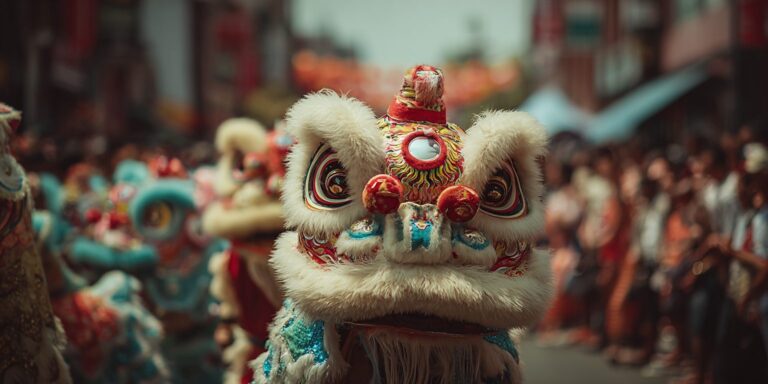
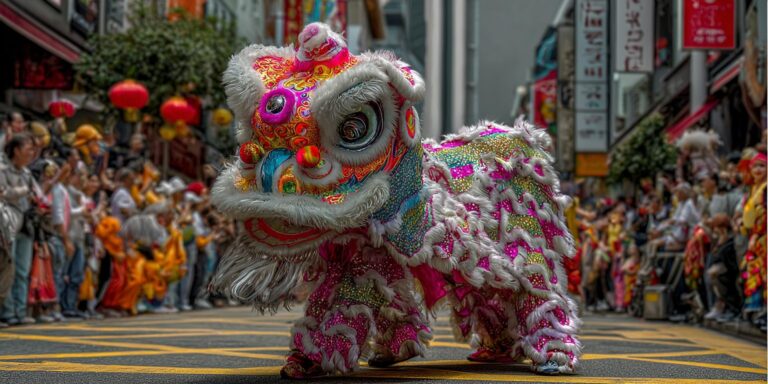
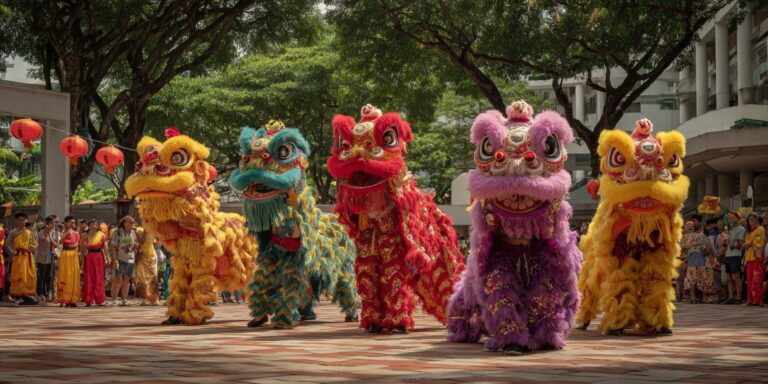
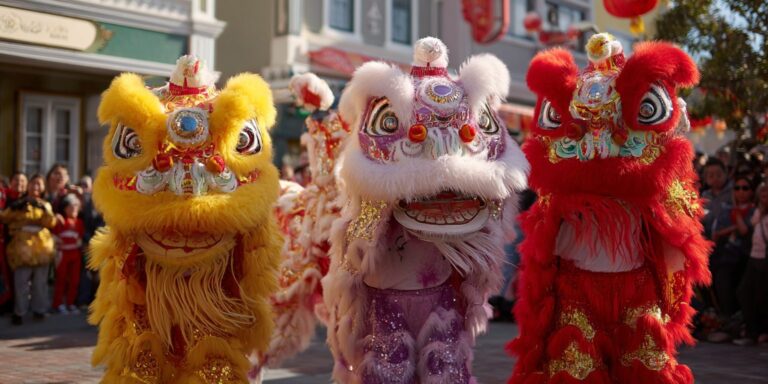
Lion Dance costumes are meticulously crafted with expressive eyes, movable jaws, and ornate fur—each feature designed for animation and personality. Modern troupes in Singapore often incorporate LED lights or custom branding elements to suit corporate events while preserving cultural motifs like auspicious colours. Dragon Dance costumes are much longer—sometimes up to 70 meters—and feature vibrant scales that shimmer as they undulate across a crowd.
The sheer size of the dragon costume ensures it stands out at outdoor parades or major mall launches. Enhanced by recent innovations like illuminated bodies or themed designs, both dances now blend tradition with state-of-the-art showmanship.
| Feature | Lion Dance Costume | Dragon Dance Costume |
|---|---|---|
| Length/Size | ~2m per lion | ~10–70m per dragon |
| Key Elements | Fur, expressive face, movable mouth | Scales, long body segments |
| Modern Enhancements | LED lights, brand logos | LED lighting effects |
Movement Styles and Audience Interaction
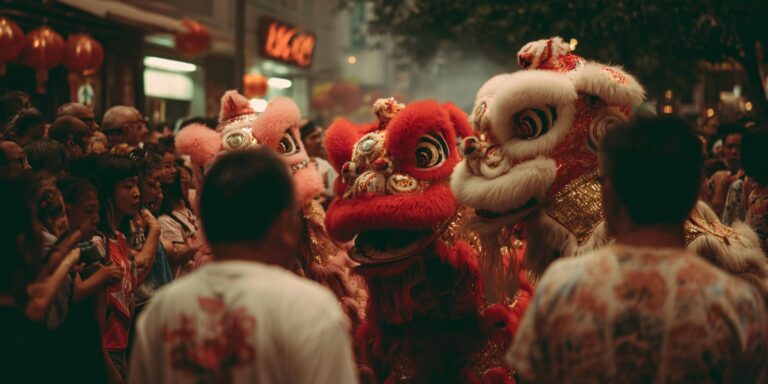
Lion Dancers engage closely with their audience—sometimes “eating” auspicious greens (cai qing), interacting with children or VIPs, even posing for photos after the show. The movement is lively – jumps on pedestals or playful gestures mimic a real lion’s curiosity. Dragon Dances focus more on collective movement; performers work in harmony to animate the dragon’s fluid body as it chases a pearl of wisdom.
While less interactive on an individual level than Lion Dances, Dragon Dances create a sense of communal celebration—ideal for big crowds at Singaporean festivals or parades.
Symbolism and Cultural Meaning
Lion Dances symbolize courage, prosperity, and warding off evil spirits—a must-have at business openings across Singapore. Every element from the lion’s colours to its movements carries symbolic meaning rooted in tradition but adapted for modern contexts. Dragon Dances represent power, strength, good luck and community unity. The dragon is seen as a benevolent creature bringing rain and blessings—a reason it features prominently in national parades or major citywide events.
Both dances have evolved over centuries but remain pillars of Chinese cultural heritage in Singapore’s multicultural landscape. To experience these traditions at your next event or opening ceremony—and discover how Wolf Events customizes each performance—message us on Whatsapp today or use our easy Contact Form.
Wolf Events Fact Machine
Did you know? In Singapore, Lion Dances are traditionally performed with an odd number of lions for business openings—believed to bring better luck and ward off negative energy—while Dragon Dances often feature teams with at least nine performers, as ‘nine’ symbolises longevity and eternity in Chinese culture.
Occasions and Venues for Lion and Dragon Dance in Singapore
Lion Dance and Dragon Dance performances continue to be a cornerstone of Singapore’s cultural celebrations, captivating audiences at a wide variety of venues. In 2025, the demand for these traditional acts has surged, especially at business openings and private events. This renewed interest reflects a growing appreciation among locals and expatriates alike for preserving and showcasing Chinese heritage.
Corporate clients and private hosts increasingly seek out performances that blend tradition with modernity. Troupes now offer LED-lit costumes, enhanced choreography, and tailored acts that fit specific event themes without losing their symbolic roots. Whether performed at shopping malls, hotels, offices, or even private residences, both Lion Dance and Dragon Dance can be customized to fit the space and occasion—making them ideal for both large public festivals and intimate family gatherings.
One common challenge is distinguishing between the two art forms. Lion Dance typically features two performers per lion, focusing on acrobatics and close audience interaction. Dragon Dance requires a larger team to manipulate the long, undulating dragon, creating a sweeping visual spectacle best suited for open spaces like parades or large outdoor venues.
Understanding these differences helps organizers select the right performance for their event’s purpose and venue size.
Business Openings and Corporate Events
Singapore businesses often turn to Lion Dance performances to usher in prosperity during store launches or milestone anniversaries. The energetic movements of the lion are believed to chase away bad luck while inviting good fortune—a tradition deeply rooted in Chinese symbolism. Modern corporate events now request customized lion costumes featuring company colours or logos, further strengthening brand presence during product launches or annual dinners.
Dragon Dance also appears at high-profile corporate functions, especially those seeking a grand spectacle. The dragon’s impressive length and synchronized choreography make it perfect for atriums or outdoor courtyards. Companies occasionally combine Lion Dance with Mask Changing or God of Fortune Mascot appearances to amplify audience engagement. Organizers are encouraged to consult experienced providers like Wolf Events for advice on space planning, performance duration, and thematic customization.
More couples are choosing Lion Dance for their wedding day in Singapore as a symbol of joy and marital harmony. The vibrant lion brings an auspicious start to married life while thrilling guests with its playful antics. Some families opt for Southern-style lions known for expressive features that charm children during birthdays or anniversary gatherings.
Weddings and Private Celebrations
Dragon Dances are less common at weddings due to space requirements but can make a memorable impression at larger banquet halls or outdoor garden parties. With innovations like LED lighting and fusion music tracks, these performances add a contemporary twist without losing cultural significance. Private hosts often pair Lion Dance with interactive acts such as Mask Changing (Bian Lian) to keep guests entertained throughout the celebration.
Singapore’s major festivals—like Mid-Autumn Festival parades—are incomplete without dramatic Dragon Dances weaving through crowds in Chinatown or heartland districts. These public spectacles highlight the difference between lion dance vs dragon dance – dragons require dozens of performers moving in perfect harmony to mimic flowing water or mythical flight. Lion Dances also command attention during community carnivals and mall promotions by engaging spectators up close with playful stunts such as lettuce tossing (cai qing).
Parades and Public Festivals
Many troupes now blend traditional movements with modern choreography, making each appearance unique yet instantly recognizable. Organizers looking to energize large crowds should consider combining both acts alongside supporting mascots for maximum impact. If you’re planning a festival activation in 2025, Wolf Events offers expert guidance on tailoring performances to suit your location’s logistics while ensuring safety compliance.
Singapore’s vibrant lion and dragon dance scene continues to evolve, blending age-old traditions with creative modern touches. As we move further into 2025, demand for these performances is surging at corporate events, business openings, and private celebrations—each seeking a unique cultural experience that stands out. Event organisers now look beyond just the festive atmosphere, seeking performances that reflect both heritage and innovation.
Confusion between lion dance and dragon dance remains common, especially as both are regular features at major parades and ceremonies. Troupes in Singapore actively educate audiences on the symbolic meaning and performance differences between these two iconic displays. Enhanced choreography, updated costume designs, and interactive elements are now commonplace. Troupes are not only preserving traditional symbolism but also embracing LED enhancements, brand customisation, and cross-cultural fusion acts to cater to modern tastes.
Regional Variations and Modern Innovations
The evolution isn’t limited to costumes or movements; supporting acts like Bian Lian (Mask Changing) and God of Fortune Mascots have become crucial for audience engagement. These innovations ensure every event—from a grand opening in the CBD to an intimate birthday party—receives a tailored performance that leaves a lasting impression.
Wolf Events leads this trend in Singapore by offering bespoke packages that combine tradition with fresh, visually captivating elements.
In Singapore, the Southern lion dance remains the most recognisable style at business launches and family gatherings. Its bold head design—often adorned with thick fur and large expressive eyes—symbolises power and good fortune. Performances typically involve two dancers per lion – one manoeuvring the head while the other controls the tail.
The choreography focuses on strong martial arts-inspired stances, dramatic leaps, and playful interactions with spectators. The Northern lion dance is less commonly seen but equally impressive when featured at large parades or special events. Known for its shaggy red or golden mane and energetic acrobatic routines, this style draws inspiration from northern Chinese folklore.
Southern vs Northern Lion Dance
Unlike its southern counterpart, Northern lions often appear in pairs (male and female), emphasising lively footwork and group formations rather than solo stunts. The distinct choreography of each regional style offers audiences a glimpse into China’s diverse cultural tapestry while catering to different venues—from intimate office spaces to expansive shopping malls.
Lion dance costumes have undergone remarkable transformation over recent years in Singapore. Traditional paper-mâché heads now feature lightweight materials for greater agility during complex routines. Customised LED lighting is increasingly popular for evening performances—illuminating lions with brand colours or dazzling patterns tailored to corporate clients. Attention to detail is key – intricate embroidery reflects each troupe’s identity while durable synthetic fabrics withstand demanding schedules without sacrificing visual appeal.
For businesses seeking a memorable launch or families wanting something special at a milestone celebration, these modern enhancements bring an extra layer of excitement that appeals across generations.
Modern Costume Enhancements
Fusion performances have taken centre stage in Singapore’s event landscape this year. Combining classic lion or dragon routines with contemporary dance styles creates high-energy spectacles that captivate diverse audiences. Some troupes collaborate with live bands or street dancers for multi-layered shows that blend East and West seamlessly. Supporting acts like Mask Changing (Bian Lian) add an element of surprise—performers switch masks within seconds using secret techniques rooted in Sichuan opera traditions.
The God of Fortune mascot is another crowd favourite at business openings or festive gatherings, mingling with guests for photo opportunities and lucky blessings. Wolf Events curates these dynamic combinations for clients who want more than just a traditional show—delivering memorable experiences that foster engagement long after the drums fall silent.
Fusion Performances and Supporting Acts
Fusion performances have taken centre stage in Singapore’s event landscape this year. Combining classic lion or dragon routines with contemporary dance styles creates high-energy spectacles that captivate diverse audiences. Some troupes collaborate with live bands or street dancers for multi-layered shows that blend East and West seamlessly. Supporting acts like Mask Changing (Bian Lian) add an element of surprise—performers switch masks within seconds using secret techniques rooted in Sichuan opera traditions.
The God of Fortune mascot is another crowd favourite at business openings or festive gatherings, mingling with guests for photo opportunities and lucky blessings. Wolf Events curates these dynamic combinations for clients who want more than just a traditional show—delivering memorable experiences that foster engagement long after the drums fall silent.
Common Questions
What is the main difference between Lion Dance and Dragon Dance?
Lion Dance is performed by two dancers in a compact costume, focusing on acrobatic movements and audience interaction, while Dragon Dance involves a team of performers manipulating a long, segmented dragon, emphasizing fluid, wave-like motions.
Which dance is more suitable for small venues?
Lion Dance is ideal for smaller spaces due to its compact size and agility, whereas Dragon Dance requires a larger area for its sweeping movements.
What do Lion Dance and Dragon Dance symbolize?
Lion Dance represents protection, courage, and good fortune, believed to ward off evil spirits. Dragon Dance symbolizes power, prosperity, and abundance, bringing blessings to the community.
Are Lion Dance and Dragon Dance performed at the same events?
Both are popular at Chinese New Year and festive celebrations, but Lion Dance is also common at business openings and weddings, while Dragon Dance is typically featured in parades and large public events.
How do the costumes differ between Lion Dance and Dragon Dance?
Lion Dance costumes are shorter, expressive, and cover the performers, while Dragon Dance costumes are long, segmented, and held aloft on poles, with performers visible.
Choosing between Lion Dance and Dragon Dance is more than just a matter of personal taste—it’s about matching the right energy and symbolism to your celebration or event. Whether you prefer the dynamic interplay of two performers in a lion costume or the synchronized spectacle of a full dragon troupe, understanding these differences empowers you to create an unforgettable festive experience that resonates with Singapore’s rich cultural tapestry.
If you’re still weighing your options or eager to see how these performances can be customised for your next corporate launch, wedding, or festival, feel free to browse around our website for deeper insights and inspiration on Lion Dance vs Dragon Dance differences.
And when you’re ready to bring the magic to life at your event, reach out via Whatsapp Us or our Contact Form—our team at Wolf Events is here to help you celebrate in style.