Northern Lion Dance Singapore Differences – History, Style, and Cultural Impact
Northern Lion Dance Singapore Differences – History, Style, and Cultural Impact explores how this vibrant tradition has evolved uniquely within Singapore. Recent efforts by the Singapore Chin Woo (Athletic) Association to share historical archives have shed light on the rich heritage of Northern Lion Dance, particularly through rare photographs and stories of the Golden Lions.
As interest grows, there is renewed focus on understanding how Northern Lion Dance compares with its more prevalent Southern counterpart in terms of performance style, costume design, and symbolic elements.
Despite its deep roots, Northern Lion Dance remains less common in public performances across Singapore. However, martial arts associations and cultural showcases are driving a resurgence, alongside increasing participation from Indian and Malay youths that reflects broader cultural integration. Challenges persist in preserving authentic traditions due to the dwindling number of local costume makers and limited mainstream exposure.
This article examines these Northern lion dance Singapore history details, the role of the Chin Woo Association, key differences in style and costume, and the impact of ethnic diversity on this evolving art form.
Northern Lion Dance Singapore Differences – An Overview
Northern Lion Dance in Singapore carries a distinct identity, shaped by its historical roots and the dedicated efforts of cultural associations. Unlike the more commonly seen Southern style, the Northern Lion Dance features expressive costumes, playful choreography, and a deep connection to martial arts heritage.
Recent interest from the Singapore Chin Woo (Athletic) Association has brought renewed attention to this tradition, offering rare glimpses into its history through archival photos and stories of the renowned Golden Lions troupe. The dance itself stands out for its acrobatic elements and theatrical storytelling. While Southern Lion Dance is often associated with strong drumming and powerful footwork, the Northern version is celebrated for dynamic leaps, intricate stunts, and a touch of humor in performance.
Despite facing challenges such as dwindling costume makers and limited public appearances, Northern Lion Dance continues to inspire a new generation of performers. This growing appeal is further fueled by increased participation from diverse ethnic backgrounds, reflecting Singapore’s unique multicultural landscape.
| Aspect | Northern Lion Dance | Southern Lion Dance |
|---|---|---|
| Head Shape | Rounder with open mouth | Angular with sharp features |
| Performance Style | Acrobatic & theatrical | Rhythmic & powerful |
| Costume Features | Shaggy mane, expressive eyes | Short fur, bold colors |
| Cultural Associations | Martial arts focus (Chin Woo) | Clan associations |
Historical Origins and Chin Woo Athletic Association
The roots of Northern Lion Dance in Singapore are closely linked with Chinese martial arts movements that arrived in the early 20th century. The Chin Woo Athletic Association played an instrumental role in introducing and sustaining this art form locally. Their lion dance troupe—affectionately known as the Golden Lions—has preserved archival photos and oral histories that document decades of dedication.
These materials not only highlight key performances but also trace how lion dance became a symbol of unity among different communities in Singapore. Today, the Chin Woo Association continues to nurture new talent while safeguarding tradition. Their efforts have ensured that Northern Lion Dance remains relevant despite shifting cultural interests.
By opening their archives, they invite younger generations to appreciate both the artistry and discipline required for this unique performance.
Costume Features and Symbolism
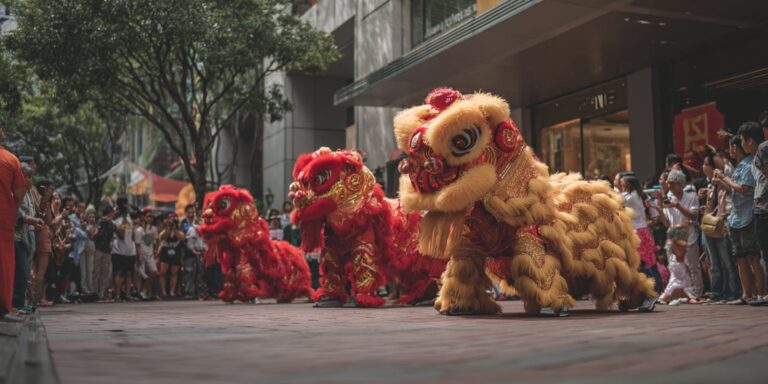
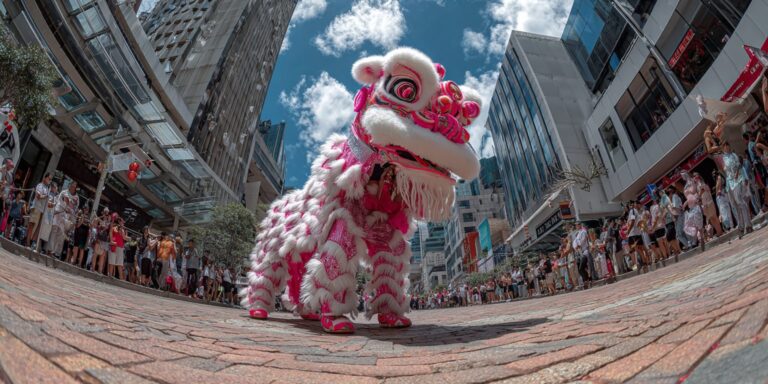
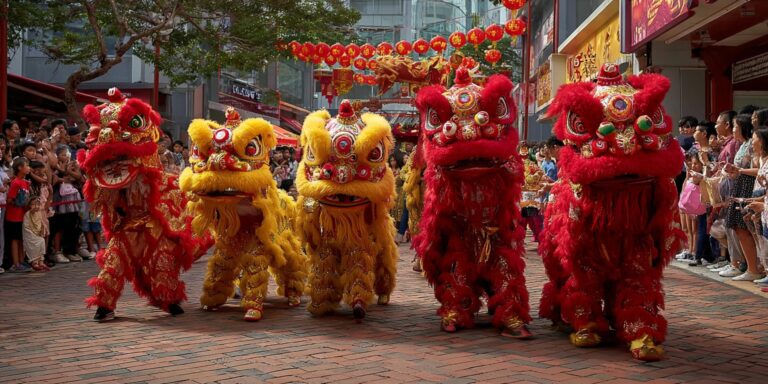
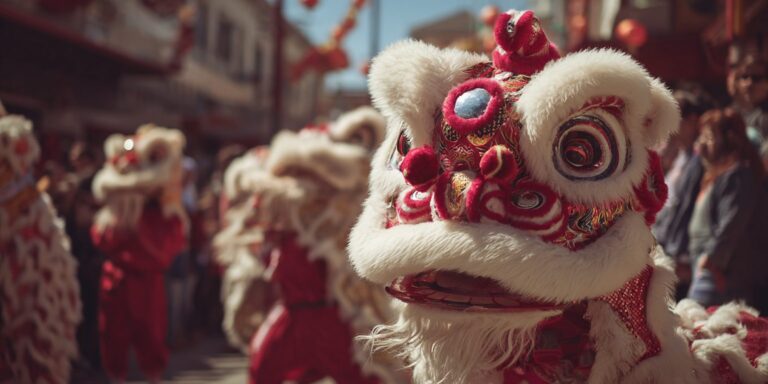
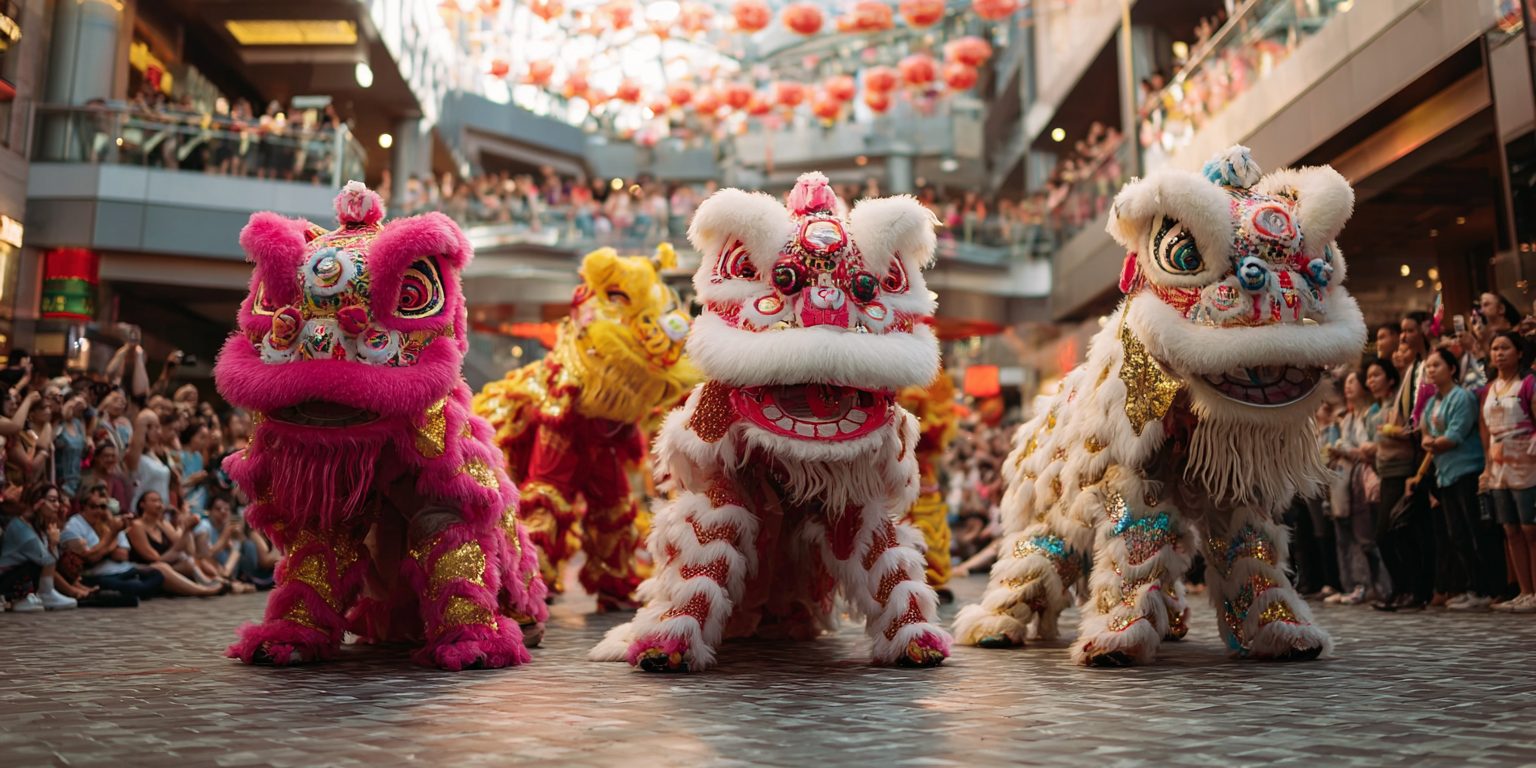
The costume is central to Northern Lion Dance’s visual appeal. Unlike their Southern counterparts, Northern lions feature rounder heads with expressive eyes and mouths that open wide. The mane is typically shaggy and vibrant, intended to mimic a young lion cub full of energy and curiosity. Bells often adorn the headpiece for added effect during jumps.
Each element carries meaning—the open mouth symbolizes boldness while bright colors represent good fortune. However, sourcing authentic costumes has become challenging as traditional makers retire or close shop in Singapore. Many troupes now rely on overseas suppliers or adapt older designs locally to keep the tradition alive.
Performance Style – Acrobatics and Theatricality
Northern Lion Dance is renowned for its acrobatic feats—leaping over benches, balancing on high poles, and incorporating martial arts movements into storytelling routines. Performers must train extensively in both strength and agility to master these routines safely. Unlike the stately power moves of Southern troupes, Northern performances often include comic skits or mimicry acts between two dancers playing ‘lion cubs.’ This playful approach delights audiences at festivals and cultural showcases across Singapore.
As more Indian and Malay youths join these troupes, new interpretations emerge—blending athleticism with cross-cultural creativity.
Wolf Events Fact Machine
The first known Northern Lion Dance troupe in Singapore was established by the Chin Woo (Athletic) Association in 1929, making it one of the earliest organizations to introduce Northern Lion traditions outside China.
Comparing Northern and Southern Lion Dance in Singapore
Lion dance performances have long been a colourful tradition in Singapore, but not all lion dances are created equal. The Northern and Southern styles each bring their own flair to the stage, shaped by centuries of history and evolving local culture.
In recent years, renewed interest in the Northern Lion Dance—spurred on by groups like the Singapore Chin Woo (Athletic) Association—has brought rare archival stories and images to light, allowing new generations to appreciate this less common but richly symbolic art form. While Southern Lion Dance is a familiar sight at corporate launches and festive street corners, Northern Lion Dance is now making a comeback through martial arts circles and cultural festivals.
The revival is timely, as Singapore’s diverse population sees more Indian and Malay youths taking up the lion head. This unique blend of tradition and integration reflects Singapore’s vibrant multicultural landscape. However, challenges remain – sourcing authentic Northern costumes is increasingly difficult as traditional makers become scarce, threatening a vital link to the past.
Wolf Events remains committed to preserving both styles, working with experts and passionate performers to ensure every event tells an unforgettable story.
| Aspect | Northern Lion Dance | Southern Lion Dance |
|---|---|---|
| Popularity in Singapore | Less common, growing through martial arts associations | Most common at public events and celebrations |
| Typical Performers | Often martial arts troupes; increasing ethnic diversity | Traditionally Chinese clans; now also diverse |
| Costume Availability | Challenging to source locally-made designs | Widely available from local makers |
Visual and Movement Differences
Northern Lion Dance stands out with its shaggy golden mane, rounder head shape, and expressive eyes that blink—a stark contrast from the angular faces of Southern lions. Movements are highly acrobatic; dancers leap onto benches or perform playful antics that mimic real lions’ curiosity. Southern Lion Dance relies on powerful footwork and sharp gestures rooted in traditional martial arts stances, often emphasising strength over playfulness.
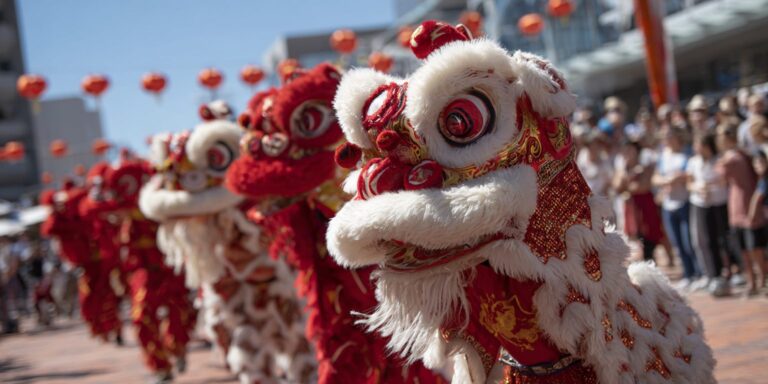
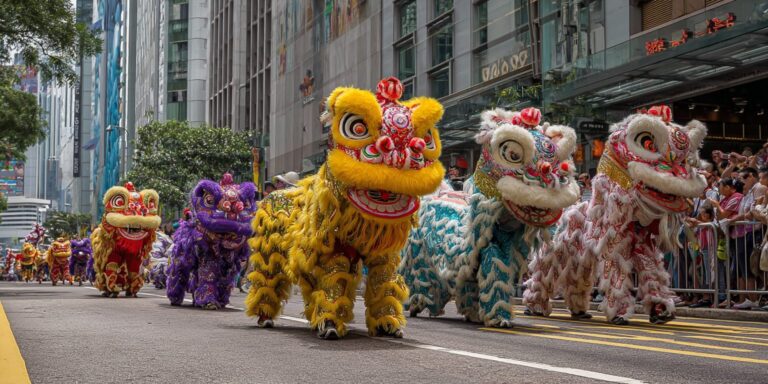
Costume details also set them apart – Northern lions feature vibrant fur trims and ornate bells that jingle with every jump. Their tails are longer and bushier, adding drama to their dynamic routines. Southern lions use bold colours—red for luck or gold for prosperity—and intricate embroidery reflecting regional symbolism. Wolf Events offers both styles for clients seeking authenticity or innovation at their next event.
Cultural Roles and Occasions
Southern Lion Dance dominates most festive occasions in Singapore—from Lunar New Year parades to business openings—where it symbolises good fortune and drives away bad luck. Its ritualistic movements are deeply tied to community beliefs about prosperity. Northern Lion Dance often appears at cultural showcases or martial arts competitions thanks to its roots with associations like Chin Woo.
It plays an educational role by introducing audiences to lesser-known Chinese traditions while celebrating ethnic diversity within modern troupes. As more non-Chinese youths join lion dance teams across Singapore, both styles become bridges for cross-cultural understanding—a vision Wolf Events proudly supports by tailoring performances for any occasion.
Challenges and Evolution of Northern Lion Dance
Northern Lion Dance in Singapore has always been a fascinating contrast to its Southern counterpart. The style stands out with its playful, acrobatic movements and elaborate, furry costumes—a visual treat rarely seen in most public celebrations here. While the Southern Lion Dance dominates festive events, the Northern tradition survives through martial arts associations like Singapore Chin Woo (Athletic) Association, which has played a pivotal role in preserving these unique performances and their cultural stories.
This year, renewed attention has been drawn to Northern Lion Dance through the opening of Chin Woo’s archives, offering rare glimpses into the Golden Lions era. These stories and photographs highlight not only the legacy but also the challenges faced by practitioners today. With fewer traditional costume makers and limited local expertise, sourcing authentic Northern Lion costumes is becoming increasingly difficult.
Despite these hurdles, there’s a growing curiosity—helped by cultural showcases and a new wave of youth involvement—that’s slowly bringing this art form back into Singapore’s cultural spotlight.
Costume Sourcing and Preservation
Authentic Northern Lion costumes are crucial for capturing the essence of this traditional performance. Unlike the more angular Southern lions with their vibrant scales, Northern lions are crafted with soft fur and expressive faces that demand skilled workmanship. In Singapore, experienced artisans capable of creating or restoring these costumes have become scarce.
Many troupes now rely on overseas suppliers or painstakingly restore existing pieces to keep performances alive. The diminishing pool of local costume makers means every remaining piece is treasured. Some troupes collaborate with older craftsmen or even look for retired artisans to pass on their knowledge. The Chin Woo Association’s recent archival project not only preserves historical photos but also documents intricate details of costume design for future generations.
This commitment ensures that even as materials evolve or sources shift abroad, the authenticity and spirit of Northern Lion Dance remain rooted in Singapore.
Ethnic Diversity and Youth Participation
Lion dance in Singapore is experiencing a quiet but meaningful transformation. Once considered a Chinese-only art form, Northern Lion Dance troupes are now seeing an influx of Indian and Malay youths eager to learn and perform. This shift brings fresh perspectives while deepening cultural understanding across ethnic lines—a reflection of Singapore’s inclusive spirit.
Troupes are adapting training methods to welcome newcomers from all backgrounds. Young members often share how lion dance builds confidence and bridges friendships beyond language or heritage barriers. Associations like Chin Woo actively encourage this diversity by offering workshops open to all communities and schools. As more young people join, they inject new energy into performances while safeguarding the legacy for years ahead.
Expert Insights and Authoritative Sources
Northern Lion Dance in Singapore is steeped in rich history, with much of its legacy preserved through the efforts of organizations like the Singapore Chin Woo (Athletic) Association. Their recently opened archives offer a rare glimpse into the evolution of the Golden Lions, bringing to light photographs and stories that highlight how Northern Lion Dance first took root in Singapore.
These historical accounts help deepen our understanding of how martial arts associations have shaped the art form and continue to keep its traditions alive. Expert sources have noted key differences between Northern and Southern Lion Dance styles, particularly in performance and costume design. While Southern Lion Dance remains more visible at public events, Northern Lion Dance is gaining traction thanks to renewed interest from cultural groups and martial arts communities.
This resurgence comes at a time when sourcing authentic Northern Lion costumes is becoming increasingly challenging due to the dwindling number of traditional costume makers in Singapore. Recent expert commentary also highlights a new wave of cultural integration within lion dance troupes. Indian and Malay youths are joining these groups, reflecting Singapore’s broader ethos of multiculturalism.
Authoritative voices from both official platforms like Roots.gov.sg and independent blogs emphasize how this growing diversity is helping preserve and revitalize Northern Lion Dance, ensuring that it remains relevant for future generations. For those seeking reliable expertise or looking to experience an authentic performance, Wolf Events works closely with established troupes and encourages you to reach out via Whatsapp or the contact form for more information.
Common Questions
What are the main differences between Northern and Southern Lion Dance styles in Singapore?
Northern Lion Dance features larger, shaggier costumes, vibrant colors, and acrobatic movements, often resembling dogs or wolves. Southern Lion Dance is smaller, with a prominent horn and sharper, symbolic movements.
Where can you see Northern Lion Dance performances in Singapore?
Northern Lion Dance is mainly performed by martial arts associations like Chin Woo and at select cultural events, but is less common than Southern Lion Dance in public festivals.
Why is Northern Lion Dance less common in Singapore compared to Southern Lion Dance?
Southern Lion Dance is more popular for street performances and celebrations, while Northern Lion Dance is traditionally linked to martial arts and requires specialized costumes and acrobatic skills, which are harder to source and maintain.
What challenges do Northern Lion Dance troupes face in Singapore?
Key challenges include sourcing traditional costumes, recruiting new performers, and maintaining public interest, as well as noise complaints during practices.
How has the Northern Lion Dance evolved in Singapore?
The tradition has evolved from exclusive martial arts entertainment to broader cultural showcases, with increasing ethnic diversity and renewed interest from youth.
As we’ve seen, the Northern Lion Dance in Singapore is a vibrant tapestry woven from history, martial arts tradition, and cultural diversity. From its Chin Woo Athletic Association roots to its distinct acrobatics and theatrical flair, this art form remains both a living heritage and an evolving performance. The renewed interest and growing participation from all walks of life highlight that the Northern Lion’s roar still resonates in modern Singapore.
Curious to learn more about the fascinating differences between Northern and Southern Lion Dance or how you can experience this tradition up close? Browse around our website for deeper insights, rare photos, and expert interviews on “Northern Lion Dance Singapore Differences – History, Style, and Cultural Impact.” If you’re ready to bring this spectacular performance to your next event or want guidance on preserving these traditions, Whatsapp Us or reach out via our Contact Form—we’re
here to help!