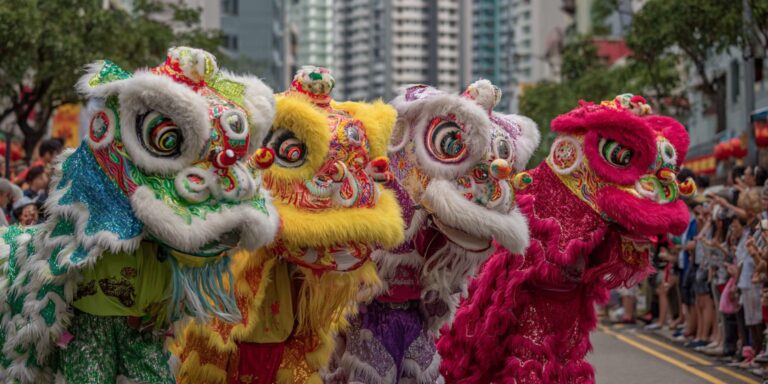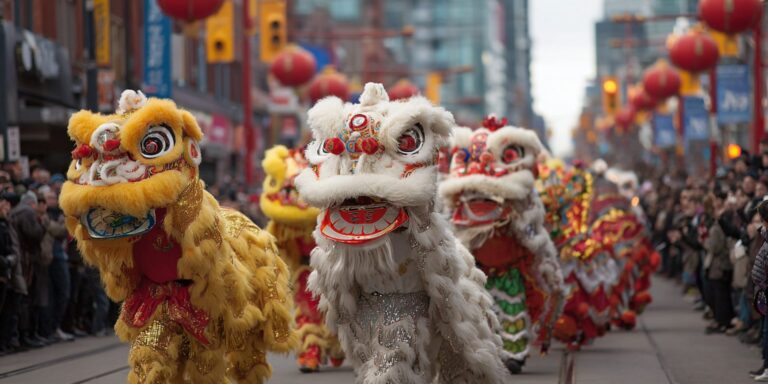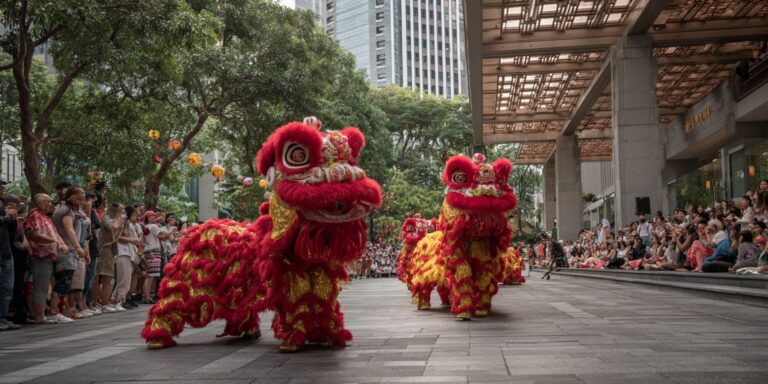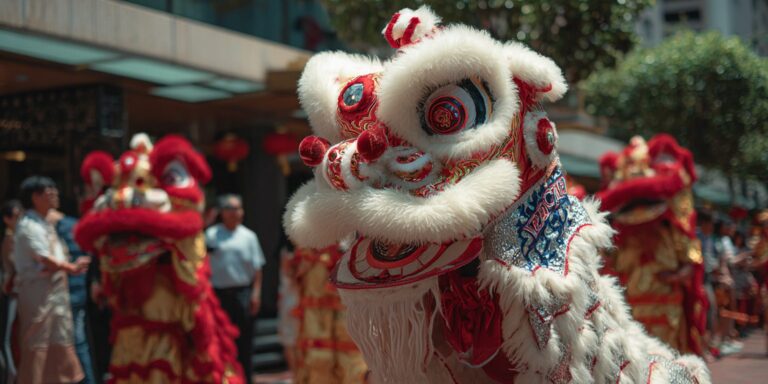
Story Behind Cai Qing Practice – The Lion Dance Ritual Bringing Prosperity to Singapore Events
The story behind Cai Qing practice – the lion dance ritual bringing prosperity to Singapore events reveals a centuries-old tradition deeply rooted in Chinese culture, now thriving in Singapore’s multicultural landscape. Originating as a symbolic act within the lion dance, cai qing—literally ‘plucking the greens’—has evolved into a key feature at modern business launches, community gatherings, and festive celebrations, representing the wish for prosperity and good fortune.
Recent years have seen a resurgence of interest in cai qing, with more companies and organizations incorporating this ritual into their events. Digital storytelling and academic research have made the origins, symbolism, and ritual steps of cai qing more accessible to younger generations and international audiences, ensuring its relevance while preserving its heritage value in Singapore’s vibrant event scene.
Story Behind Cai Qing Practice in Lion Dance
Cai qing, or ‘plucking the greens,’ stands as one of the most captivating and meaningful rituals in the lion dance tradition. Its roots stretch deep into Chinese folklore and history, where it began as a test of agility and intelligence for lion dancers, but quickly evolved into a symbol of good fortune and prosperity.
In 2025, cai qing continues to thrive in Singapore, bridging the gap between ancient customs and contemporary celebrations. The resurgence of cai qing in recent years is no accident. As more businesses and communities embrace this practice during festive occasions, its importance grows not just as a performance but as an act that blesses spaces and people with luck.
Digital storytelling and cultural documentation have made cai qing accessible to younger generations, ensuring that its rich heritage is preserved even as it adapts to modern contexts. For many Singaporeans today, cai qing is not just a spectacle—it’s a vital tradition that connects us to our shared past while shaping how we celebrate prosperity now.
Historical Origins and Folklore
The historical origins of cai qing are layered with legend and fact. Early records from the Tang Dynasty mention lion dance rituals performed to usher in blessings for temples and communities. Folklore tells of villagers using clever tricks to hang vegetables high above their doors, challenging the lion to retrieve them—symbolising the overcoming of obstacles for future success.
Over centuries, these stories blended with Buddhist traditions and local customs across southern China, giving rise to the vibrant cai qing practice we see today. Expert voices like Andy Kwok Man-lung highlight how these ancient tales continue to influence modern performances. In Singapore’s multicultural setting, cai qing has evolved further by incorporating local flavours, yet remains deeply rooted in its original purpose – warding off evil spirits while inviting wealth.
| Era/Source | Key Development | Significance |
|---|---|---|
| Tang Dynasty Texts | Earliest documented lion dance rituals | Foundation for ritual symbolism |
| Folk Legends | ‘Plucking the greens’ challenges for lions | Represents overcoming adversity |
| Modern Singapore | Revival in festivals & business events | Blending heritage with modern prosperity |
Symbolism and Meaning of Cai Qing
Cai qing carries profound meaning beyond its visual spectacle. The act of ‘plucking the greens’ is steeped in symbolism – lettuce (shengcai) represents wealth due to its phonetic similarity to ‘growing money,’ while other elements like oranges stand for good luck and unity. The lion’s playful yet determined approach mirrors the values of perseverance and cleverness prized in Chinese culture.
In business settings across Singapore today, inviting a lion dance troupe for cai qing signals hope for growth in the year ahead. The ritual’s careful steps—from blessing offerings to presenting auspicious banners—underscore a collective wish for harmony, safety, and abundance. This shared symbolism resonates across generations and cultures.
| Element Used | Symbolic Meaning | Common Usage |
|---|---|---|
| Lettuce (Shengcai) | ‘Growing Wealth’ | Placed at entrances/businesses |
| Oranges | ‘Good Luck & Harmony’ | Given after plucking by lion |
| Red Packets | ‘Reward & Prosperity’ | Inserted within greens or props |
Cai Qing in Singapore’s Cultural Celebrations
Singapore’s vibrant tapestry makes cai qing a highlight at both traditional Chinese festivities and multicultural events throughout the year. It’s now common to see this ritual not only during Lunar New Year but also at Mid-Autumn gatherings, National Day events, and grand openings of new businesses. Lion troupes adapt their performances to suit different audiences—sometimes integrating Malay or Indian music elements—while always preserving the core essence of blessing through cai qing.
This inclusiveness has sparked renewed interest among younger Singaporeans who find pride in participating or witnessing these rituals. Community centres regularly host workshops explaining cai qing steps and meanings to non-Chinese residents too, helping spread appreciation far beyond its roots. Wolf Events champions this spirit by offering bespoke performances that blend tradition with innovation—reach out via Whatsapp or our Contact Form if you wish to bring authentic prosperity blessings to your next celebration.
Wolf Events Fact Machine
Did you know? In Singapore, some cai qing rituals now feature QR codes hidden among the ‘greens’ for lions to ‘pluck’—a creative blend of tradition and technology that started appearing at corporate events in 2023.
Cai Qing Rituals – Steps and Customs
Cai qing, or “plucking the greens,” is an integral part of lion dance, steeped in centuries-old folklore and symbolism. Its roots can be traced to ancient Chinese legends where lions would clear away evil spirits and bring blessings to communities by ‘plucking’ offerings of lettuce or other greens. This ritual has evolved over time, but its meaning remains – prosperity, luck, and renewal.
In Singapore today, cai qing rituals have become a vibrant feature of not only Chinese New Year festivities but also corporate launches, store openings, and multicultural celebrations. The steps are often accompanied by rhythmic drumbeats, dramatic choreography, and symbolic gestures that reflect both the artistry of the troupe and the wishes of the host.
Modern adaptations have made cai qing accessible to wider audiences while preserving its rich heritage. With renewed interest in tradition, many companies now choose to include cai qing in their annual events as a gesture for business prosperity and good fortune. Digital storytelling platforms and cultural organizations have also played a key role in keeping the ritual relevant for younger generations and international guests.
Wolf Events continues to champion this tradition, ensuring every performance is both authentic and memorable.
Preparation and Key Elements
Preparation for cai qing begins well before the event itself. Lion dance troupes carefully choreograph each move to ensure precision and respect for tradition. Fresh lettuce or other greens are chosen for their symbolism—’sheng cai’ (生菜) sounds like ‘growing wealth’ in Mandarin. Red packets (hongbao) are often attached to the greens as an offering from hosts, symbolizing further prosperity.
The ritual starts with blessings from elders or organizers. The lion approaches the greens with curiosity, sniffs around them, then performs acrobatic movements to ‘pluck’ the offering. After retrieving it with their mouth or paws, the lion will ‘chew’ the greens theatrically before spitting them out in an auspicious manner—scattering luck and energy across the venue.
Every detail is designed to invoke blessings while respecting cultural traditions.
Differences Between Northern and Southern Cai Qing
Northern and Southern styles of cai qing differ not only in choreography but also in philosophy and presentation. Southern lion dance, most common in Singapore, emphasizes agility and dramatic storytelling—the lion interacts playfully with obstacles or challenges set up around the greens. This version is particularly popular at business openings where intricate stunts symbolize overcoming adversity.
In contrast, Northern styles tend to focus on martial prowess with powerful leaps and synchronized footwork reminiscent of Chinese opera traditions. The northern lions themselves look different—featuring more ornate heads with long flowing fur—while southern lions are more expressive in facial features. Both styles share a core intent – bringing fortune to those present—but their artistic interpretations offer unique experiences for audiences.
Cai Qing in Modern Events and Business Openings
Cai qing, or “plucking the greens,” has found a renewed place in Singapore’s business openings and modern events. Once rooted primarily in Chinese New Year celebrations, cai qing is now a sought-after ritual for companies aiming to usher in good fortune, especially during office launches, product unveilings, and milestone anniversaries.
The practice’s symbolism—where the lion “eats” the greens and spits them out to bless the premises—resonates with new businesses looking to invite prosperity and ward off misfortune. Recent years have seen cai qing become more than a traditional custom; it has evolved into a cultural highlight that bridges generations and backgrounds.
Companies now include detailed explanations of the ritual for their international staff and clients, making the tradition accessible and meaningful even beyond the local Chinese community. This adaptation not only preserves Chinese heritage but also strengthens workplace unity through shared festive experiences. The digital age has further amplified cai qing’s appeal.
Social media and online storytelling have demystified its origins, steps, and significance, allowing younger Singaporeans and global audiences to appreciate its rich folklore. As Singapore continues to embrace multiculturalism, cai qing serves as a vibrant reminder of how tradition can adapt gracefully to modern business needs.
Corporate clients increasingly choose cai qing as the centrepiece of their event programmes. Whether at new office launches or annual company dinners, the lion dance troupe’s performance energises guests while symbolising a fresh start. Event organisers often request customized cai qing routines that highlight their brand colours or incorporate company logos into the vegetable arrangements.
Adaptation for Corporate and Community Events
This personal touch connects employees with tradition while celebrating corporate identity. Community groups also embrace cai qing at block parties, family days, and multicultural festivals across Singapore. The ritual is now frequently accompanied by emcees explaining its meaning in English or bilingual formats, ensuring everyone understands its role in attracting good luck.
Schools sometimes invite troupes for educational demonstrations so younger generations can witness the careful steps—preparing the lettuce (or other greens), hiding red packets within, and performing intricate lion movements before delivering blessings to all present.
Modern event planners often weave cai qing into a tapestry of festive acts for maximum impact. In Singapore today, it’s common to see lion dance troupes collaborating with mask-changing performers or drummers to create a seamless entertainment flow. These integrated shows keep audiences engaged while elevating the sense of occasion—especially at large-scale launches or multicultural carnivals.
Integration with Other Festive Performances
Combining cai qing with other traditional performances showcases Singapore’s unique fusion of old and new. It allows organisers to celebrate heritage while offering dynamic visual spectacles that appeal across ages and backgrounds. At Wolf Events, our team specialises in creating bespoke packages where lion dance transitions smoothly into drum shows or God of Fortune mascot appearances—perfect for anyone looking to impress both local guests and international VIPs.
Cai qing, or “plucking the greens,” stands as a vibrant pillar in Singapore’s lion dance tradition. While its roots stretch deep into Chinese folklore, the practice has transformed in recent years, weaving ancient symbolism with contemporary celebration. In Singapore, cai qing has become more than just a festive highlight—it embodies the transmission of heritage, prosperity, and unity across generations and communities.
Expert Insights and Cultural Significance
Experts like Andy Kwok Man-lung emphasize that cai qing’s ritual steps are more than performance art; they are a living expression of cultural memory. The greens represent wealth and luck, while the lion’s playful yet precise actions mimic overcoming obstacles to secure success. The revival of traditional elements at multicultural events and corporate gatherings shows how cai qing adapts to new contexts, yet remains faithful to its core message.
Ongoing research by organizations such as the Singapore Chinese Cultural Centre highlights regional differences in cai qing, especially between northern and southern lion dance styles. These insights help demystify the ritual for younger audiences and non-Chinese participants. Today, cai qing is not just preserved but actively reimagined—integrating digital storytelling and creative staging to keep this tradition meaningful and relevant in modern Singapore.
Ongoing research by organizations such as the Singapore Chinese Cultural Centre highlights regional differences in cai qing, especially between northern and southern lion dance styles. These insights help demystify the ritual for younger audiences and non-Chinese participants. Today, cai qing is not just preserved but actively reimagined—integrating digital storytelling and creative staging to keep this tradition meaningful and relevant in modern Singapore.
Common Questions
What is the story behind the cai qing practice in lion dance?
Cai qing, meaning ‘plucking the greens,’ originated from ancient Chinese folklore and is performed during lion dances to symbolize the lion overcoming obstacles and bringing prosperity by ‘plucking’ auspicious greens, usually lettuce, which sounds like ‘wealth’ in Chinese.
Why is cai qing important in Singapore’s lion dance tradition?
Cai qing is a highlight of lion dance performances in Singapore, especially during Chinese New Year and business openings, as it is believed to bring luck, drive away evil spirits, and ensure prosperity for the coming year.
How does cai qing differ between northern and southern lion dance styles?
Southern lion dance, popular in Singapore, features more elaborate and acrobatic cai qing routines, while the northern style is generally less focused on this ritual and has different choreography and symbolism.
What are the typical steps in a cai qing performance?
The lion approaches the greens, investigates, ‘eats’ them, and then spits out the leaves to symbolize spreading good luck and fortune. Sometimes, red packets (hongbao) are hidden within the greens for added auspiciousness.
Can cai qing be performed at events other than Chinese New Year?
Yes, cai qing is also performed at business openings, weddings, and milestone celebrations to invoke prosperity and ward off negative energy.
As we’ve uncovered, the cai qing practice is far more than a colourful spectacle—it’s a living tradition that continues to shape Singapore’s celebrations and business milestones. From its deep historical roots to its modern-day adaptations, cai qing remains a powerful ritual for inviting prosperity and honouring cultural heritage in our vibrant city.
If you’re intrigued by the intricate symbolism or want to discover how cai qing can elevate your next event, don’t stop here. Browse around our website for more insights on the story behind cai qing practice in lion dance, and feel free to Whatsapp Us or reach out via our Contact Form for personalised guidance or bookings.