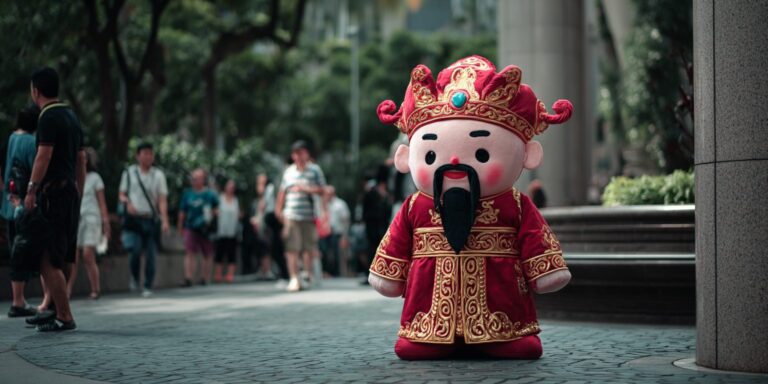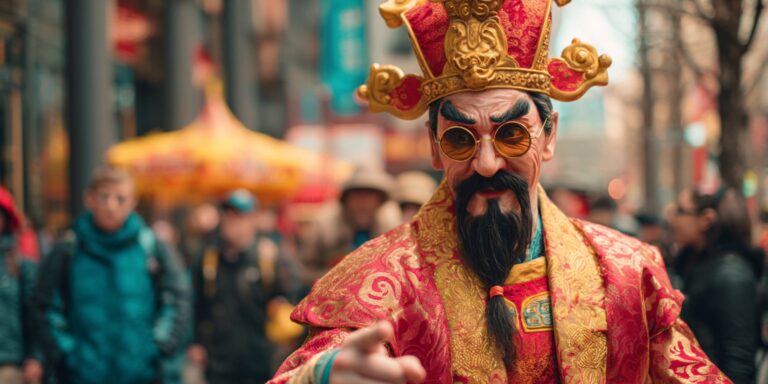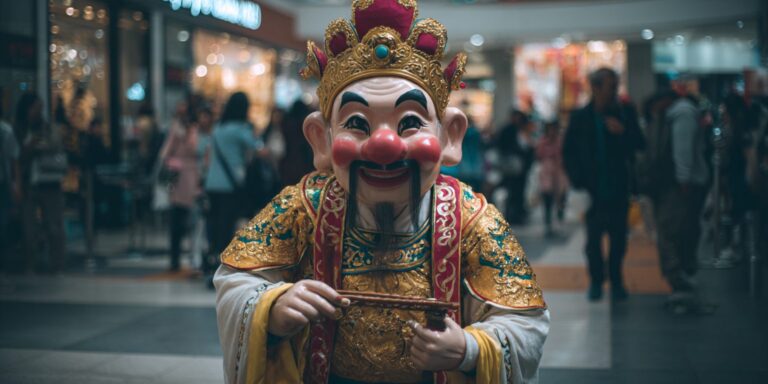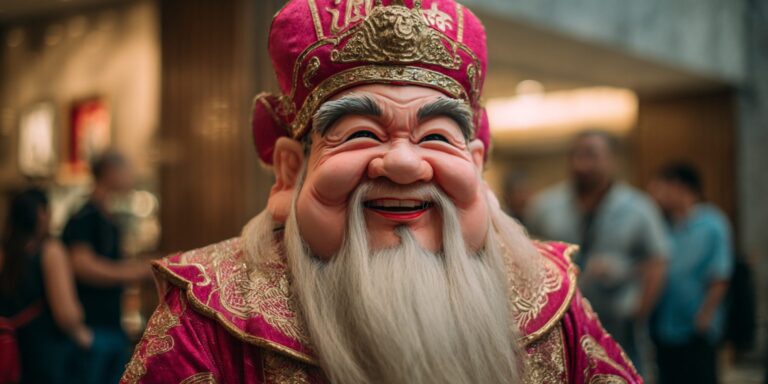
Symbolism of God of Fortune Mascots in Singapore – Tradition, Prosperity & Modern Celebrations
The symbolism of God of Fortune mascots in Singapore – Tradition, Prosperity & Modern Celebrations is deeply rooted in Chinese culture, evolving to reflect both age-old beliefs and contemporary trends. For the 2025 Lunar New Year, the God of Fortune mascot features new elements like the Red Treasure Bowl filled with gold, silver, and jewels, symbolizing abundance and wealth.
The inclusion of the snake motif highlights fertility, protection, longevity, and prosperity—values that resonate strongly within Singapore’s festive landscape.
Interactive God of Fortune mascots remain a staple at Chinese New Year celebrations and corporate events in Singapore. These mascots not only distribute red packets and chocolate coins but also foster engagement through photo opportunities and lively performances. Alongside the God of Fortune, Fu Lu Shou mascot trios are gaining popularity for their unique blessings of happiness, prosperity, and longevity.
This fusion of tradition with modern entertainment underscores the enduring cultural importance and evolving appeal of prosperity mascots in Singapore.
Symbolism of God of Fortune Mascots in Singapore
In Singapore, the God of Fortune mascot—also known as Cai Shen Ye—stands as a vibrant symbol of prosperity and good luck, especially during the Lunar New Year. The presence of this mascot at events is deeply rooted in Chinese cultural traditions, reflecting both the desire for wealth and the collective hope for a flourishing year ahead.
These mascots do more than decorate—they embody blessings and foster community spirit at every gathering. Over the years, God of Fortune mascots have evolved to reflect modern sensibilities while still honoring their traditional significance. In 2025, design updates include elements like the Red Treasure Bowl brimming with gold, silver, and jewels, capturing abundance and optimism for the Year of the Snake.
Interactive features—such as photo opportunities and distributing red packets—make these mascots a crowd favorite at both corporate functions and private celebrations across Singapore. There’s also a growing trend to feature Fu Lu Shou mascot trios alongside or instead of the traditional God of Fortune. While Fu Lu Shou represent happiness, prosperity, and longevity respectively, Cai Shen Ye remains the quintessential prosperity mascot.
Each brings unique blessings, making them ideal for different event needs. For those planning festive events in Singapore, engaging a God of Fortune mascot from an experienced provider like Wolf Events ensures an authentic experience that resonates with guests of all ages. Message us on WhatsApp or use our contact form to secure your mascot booking early for upcoming celebrations.
Cultural Origins and Meaning
The origins of the God of Fortune trace back centuries within Chinese folklore, where Cai Shen Ye is revered as a bringer of wealth and luck. In Singapore’s multicultural setting, his appearance at Lunar New Year events bridges tradition and modernity—honoring ancestors while catering to contemporary celebrations. The God of Fortune’s popularity reflects local values – diligence rewarded by prosperity and communal sharing of good fortune.
Unlike other mascots such as Fu Lu Shou—who each represent happiness (Fu), prosperity (Lu), or longevity (Shou)—the God of Fortune focuses squarely on financial luck and abundance. His role goes beyond entertainment; he is seen as an auspicious presence whose blessings are believed to set a positive tone for businesses, families, and communities as they embark on another year.
| Mascot | Main Symbolism | Common Event Usage |
|---|---|---|
| God of Fortune (Cai Shen Ye) | Prosperity & Wealth | Lunar New Year Parties, Corporate Openings |
| Fu | Happiness | Family Gatherings |
| Lu | Prosperity/Status | Corporate Functions |
| Shou | Longevity/Health | Senior Celebrations |
Key Symbolic Elements (Red Treasure Bowl, Pearls, Attire)
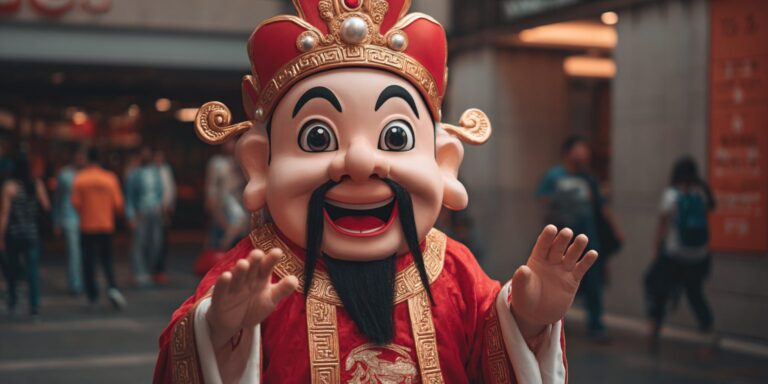
Every detail in the God of Fortune mascot’s design carries meaning. The Red Treasure Bowl—newly emphasized in 2025—is filled with gold ingots, silver coins, and sparkling jewels. This bold addition amplifies wishes for overflowing abundance in the year ahead. The red color itself stands for good luck and joy throughout Chinese culture.
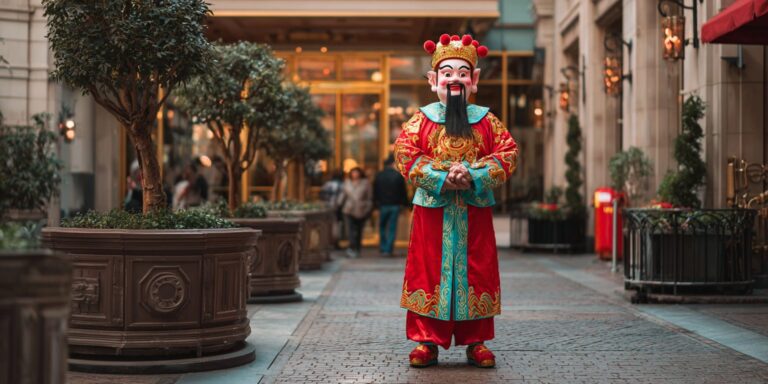
Pearls featured on attire signify wisdom gained through experience—a nod to both wealth and enlightenment. The mascot’s robes are often embroidered with lucky motifs such as clouds (symbolizing rising fortune) or snake patterns this year (representing protection and fertility). Such details ensure every appearance feels intentional and meaningful.
For hosts who want their event to shine with authentic blessings and energy, requesting specific elements like the Red Treasure Bowl or pearl accessories can elevate guest engagement. Wolf Events offers customisable options so your celebration stands out with cultural depth as well as festive flair.
| Element | Symbolic Meaning | 2025 Feature |
|---|---|---|
| Red Treasure Bowl | Abundance & Prosperity | Highlighted; Filled with Jewels |
| Pearls | Wisdom & Wealth | Embroidered on Robes |
| Attire Colors/Patterns | Luck & Protection (Snake Motif) | Integrated into Costume Design |
Wolf Events Fact Machine
The God of Fortune mascot’s Red Treasure Bowl, newly emphasized for the 2025 Lunar New Year in Singapore, is inspired by ancient Chinese wealth rituals where bowls filled with jewels were placed at entrances to attract prosperity—a tradition still practiced in some local homes today.
Role of God of Fortune Mascots in Modern Singapore Events
God of Fortune mascots have evolved into powerful cultural icons for events across Singapore. Beyond their traditional roots, these mascots now incorporate modern elements—like the Red Treasure Bowl filled with gold, silver, and jewels—to represent abundance and prosperity in a way that resonates with today’s audiences. In 2025, the Year of the Snake adds another layer of meaning, as the snake motif is woven into the mascot’s attire to symbolise protection, longevity, and fertility.
The demand for God of Fortune mascots continues to rise at both corporate and private functions. Their presence brings more than just festive cheer; they are seen as tangible bearers of luck and positive energy. Modern event planners now look for mascots that can deliver interactive experiences—engaging guests through vibrant performances, photo opportunities, and playful interactions.
The result is a seamless blend of heritage and entertainment, making the God of Fortune mascot an essential highlight for any major celebration in Singapore. Event organisers have also embraced Fu Lu Shou mascot trios alongside Cai Shen Ye to offer a fuller spectrum of blessings – happiness, prosperity, and longevity.
Each character introduces distinct cultural significance while creating memorable moments for guests. As these traditions adapt to contemporary preferences, Wolf Events remains committed to delivering meaningful mascot experiences that honour both tradition and modern expectations.
Chinese New Year and Festive Celebrations
During Chinese New Year festivities in Singapore, God of Fortune mascots play a central role in both public events and private gatherings. Their arrival signals the ushering in of prosperity and good fortune for the coming year—a tradition deeply cherished by families and businesses alike. The 2025 iteration features new design details such as jewel-encrusted treasure bowls and intricate snake patterns on robes, reflecting this year’s zodiac symbolism.
Fu Lu Shou trios are increasingly included at larger events, amplifying blessings across different aspects of life. While Cai Shen Ye focuses on wealth, Fu Xing brings happiness, Lu Xing signifies career success, and Shou Xing represents longevity. These characters often make coordinated appearances at shopping malls, corporate offices, temples, and community centres throughout the festive season.
Wolf Events has seen growing requests for fully interactive mascot performances during Chinese New Year—where mascots distribute red packets or chocolate coins to guests and pose for photos to create lasting memories. Booking your God of Fortune mascot early ensures you get the most engaging experience tailored for your celebration.
Interactive Experiences and Guest Engagement
Modern God of Fortune mascots go beyond passive appearances—they actively engage event attendees with dynamic performances and guest interactions. Photo booths featuring Cai Shen Ye remain a huge hit at weddings, D&Ds (Dinner & Dances), product launches, and community events throughout Singapore. Guests appreciate receiving red packets or gold-foil chocolate coins from the mascot as a symbol of luck.
Wolf Events’ interactive approach creates lively atmospheres where attendees feel personally blessed by the God of Fortune or even all three Fu Lu Shou deities. Hosts can customise interactions – from walkabout blessings to staged lucky draws led by the mascots themselves. This personalised engagement not only enlivens celebrations but also leaves a memorable impression on every guest present.
The God of Fortune mascot, or Cai Shen Ye, holds a special place in Singapore’s festive landscape, especially during Chinese New Year celebrations. In 2025, its design has evolved to include a Red Treasure Bowl overflowing with gold, silver, and jewels—a powerful symbol of abundance and prosperity for the Year of the Snake.
God of Fortune vs. Fu Lu Shou Mascots – Symbolism and Usage
The addition of the snake motif goes beyond tradition, now representing fertility, protection, longevity, and wealth. This modern take on the God of Fortune keeps the cultural narrative fresh while deeply resonating with local audiences. Fu Lu Shou mascots offer a different but equally rich symbolism. As a trio, they embody happiness (Fu), prosperity (Lu), and longevity (Shou).
Increasingly popular at events, these mascots provide layered blessings that go beyond mere wealth. Their presence at corporate functions or community gatherings creates an atmosphere where tradition meets celebration. While both mascot types are rooted in Chinese culture, each brings distinct blessings and unique experiences to various occasions in Singapore.
Today’s event planners look for more than just visual appeal—they seek mascots that engage guests through interactive experiences like photo sessions and the distribution of red packets or chocolate coins. Wolf Events continually adapts to these trends by offering updated mascot designs and curated performances that keep audiences entertained and culturally connected.
For event organizers aiming to leave a lasting impression, understanding the nuanced roles and symbolism of each mascot can elevate any celebration.
The God of Fortune mascot is synonymous with bestowing immediate luck and financial blessings. Its vibrant attire, treasure-filled bowl, and interactive gestures make it ideal for events where prosperity is the central theme—think company openings, retail launches, or major festive gatherings in Singapore. The energy it brings is contagious; guests love lining up for photos or eagerly receiving symbolic gifts like chocolate coins from the hands of Cai Shen Ye.
Distinct Blessings and Event Suitability
Fu Lu Shou mascots offer a broader spectrum of well-wishes – happiness for families, career advancement for professionals, and long life for elders. Their combined presence creates a sense of completeness—making them particularly suitable for milestone celebrations such as weddings, anniversaries, and community banquets where multiple blessings are desired. Their appeal is versatile; whether at an intimate family dinner or a grand corporate gala, these mascots adapt seamlessly.
When choosing between these iconic figures for your next event in Singapore, consider your audience’s expectations and the type of blessing you wish to emphasize. If prosperity takes center stage, opt for the God of Fortune mascot—especially with its 2025 upgrades from Wolf Events. For holistic blessings across happiness, status, and longevity, Fu Lu Shou offers unmatched cultural depth.
Mascot design in Singapore has evolved rapidly, especially for festive icons like the God of Fortune and Fu Lu Shou. Organisers now look for mascots that balance tradition with contemporary flair, ensuring they remain culturally authentic while resonating with today’s audiences. For 2025’s Year of the Snake, the God of Fortune mascot features a Red Treasure Bowl brimming with gold, silver, and jewels—a visual metaphor for abundance and prosperity.
The snake motif, woven into the costume and props, highlights themes of fertility, protection, longevity, and wealth. These thoughtful design elements do more than catch the eye; they root every performance in cultural significance. Performance trends have shifted to favour interactivity over passive spectacle. Modern mascots aren’t just admired from afar; they move among guests, offer blessings, distribute red packets or chocolate coins, and pose for memorable photos.
Modern Trends in Mascot Design and Performance
The Fu Lu Shou trios have also grown in popularity at events. Each character—Fu (happiness), Lu (prosperity), and Shou (longevity)—brings their own blessings to the occasion. Their coordinated appearances create a dynamic atmosphere that appeals to both traditionalists and younger crowds. This evolution ensures mascot performances remain a highlight at corporate gatherings, shopping mall festivities, and private celebrations alike.
Wolf Events brings these modern trends to life by offering meticulously designed mascots that capture both cultural depth and guest engagement.
The demand for authenticity has never been higher when it comes to event mascots in Singapore. Audiences want more than generic costumes; they expect meaningful details like the Red Treasure Bowl or symbolic attire that reflect centuries-old beliefs. Incorporating pearls and ornate fabrics isn’t just about aesthetics—it’s a nod to heritage and respect for cultural roots.
This attention to detail amplifies the blessing bestowed by each mascot appearance. Interactivity is now central to guest appeal. The God of Fortune mascot no longer simply stands on stage; instead, he moves through crowds engaging directly with attendees—offering auspicious greetings, distributing lucky tokens, or posing for selfies. This hands-on approach turns every guest into an active participant in the celebration.
Authenticity, Interactivity, and Guest Appeal
Fu Lu Shou mascots take this further by allowing groups of friends or colleagues to receive multiple blessings in one encounter—heightening excitement and photo opportunities. Wolf Events specializes in creating these immersive experiences that guests remember long after your event ends.
Mascots like the God of Fortune and Fu Lu Shou are deeply woven into Singapore’s festive culture, especially during the Lunar New Year. Their presence goes beyond simple entertainment—they serve as living embodiments of prosperity, happiness, and longevity. The God of Fortune mascot, or Cai Shen Ye, is instantly recognizable and beloved at both public and private events.
In 2025, the new Red Treasure Bowl, brimming with gold, silver, and jewels, amplifies this year’s theme of abundance and wealth. The addition of snake motifs not only marks the Year of the Snake but also brings layers of meaning tied to fertility, protection, and enduring fortune. Event professionals in Singapore highlight how these mascots transform celebrations.
Expert Insights on Mascot Significance in Singapore
Interactive God of Fortune mascots create memorable experiences by distributing red packets and chocolate coins while engaging guests for photos—making them a must-have for corporate galas and family gatherings alike. In recent years, the trio of Fu Lu Shou mascots has gained traction. Each character—Fu (Happiness), Lu (Prosperity), and Shou (Longevity)—brings a specific blessing to guests, further enriching the cultural tapestry of any event.
The evolution in mascot design is evident in their elaborate attire, detailed accessories like pearls or treasure bowls, and animated performances that blend tradition with modern flair. Cultural organizations and event experts agree that these symbolic elements are more than just visual appeal—they’re rooted in centuries-old beliefs yet adapt seamlessly to contemporary celebrations.
For businesses and families looking to host meaningful events, choosing the right mascot is an important decision that can elevate the festive mood while honoring heritage.
The evolution in mascot design is evident in their elaborate attire, detailed accessories like pearls or treasure bowls, and animated performances that blend tradition with modern flair. Cultural organizations and event experts agree that these symbolic elements are more than just visual appeal—they’re rooted in centuries-old beliefs yet adapt seamlessly to contemporary celebrations.
For businesses and families looking to host meaningful events, choosing the right mascot is an important decision that can elevate the festive mood while honoring heritage. To discover how Wolf Events can bring this unique energy to your next celebration or to book a mascot for your event in Singapore, message us on WhatsApp or use our Contact Form today.
Common Questions
What does the God of Fortune mascot symbolize in Singapore?
The God of Fortune mascot, or Cai Shen Ye, symbolizes prosperity, wealth, and good luck, making it a central figure in Chinese New Year and festive celebrations across Singapore.
Why hire a God of Fortune mascot for events?
Hiring a God of Fortune mascot adds cultural significance, interactive entertainment, and memorable experiences to events, while also symbolically inviting good fortune and blessings for guests.
What is the difference between the God of Fortune and Fu Lu Shou mascots?
The God of Fortune (Cai Shen Ye) represents wealth and prosperity, while Fu Lu Shou is a trio of deities symbolizing happiness (Fu), prosperity (Lu), and longevity (Shou), each with distinct attire and blessings.
What are the latest trends in God of Fortune mascot appearances?
Recent trends include mascots with enhanced interactive features, culturally authentic costumes, and symbolic props like the Red Treasure Bowl and pearls, reflecting evolving traditions and guest expectations.
How does the God of Fortune mascot engage guests at events?
The mascot engages guests by mingling, posing for photos, distributing red packets or chocolate coins, and offering blessings, creating a lively and memorable atmosphere.
The God of Fortune mascot in Singapore isn’t just a cheerful presence at your event—it’s a living tradition, meticulously crafted to weave together centuries-old symbolism with contemporary flair. Whether it’s the gleaming Red Treasure Bowl or the intricate snake motifs for 2025, each element carries a story of prosperity, abundance, and well-wishes for all who celebrate.
Curious about how these mascots can elevate your next celebration or want to dive deeper into their cultural meaning? Browse around our website for more details on the symbolism of God of Fortune mascots in Singapore, from their rich heritage to their growing popularity at modern events. For bookings or expert advice, Whatsapp Us or reach out via our Contact Form—we’re always happy to help bring good fortune to your occasion.