Temple Festival Lion Dance Singapore – Traditions, Dates & Modern Trends for 2025
Temple Festival Lion Dance Singapore – Traditions, Dates & Modern Trends for 2025 explores the evolving role of lion dance performances at Singapore’s vibrant temple festivals. In 2025, lion dance remains a highlight during major events such as Chinese New Year and significant deity birthdays, including the Jade Emperor on February 6 and Sea Goddess Mazu on April 19.
These celebrations draw crowds to iconic venues like Thian Hock Keng Temple, where traditional lion dances are paired with new elements such as Bian Lian mask changing and appearances by God of Fortune mascots.
Recent festival seasons have seen a surge in high-pole lion dance acts and roving mascots at both temple grounds and public community events like Springtime Splendor @ Nee Soon. This blend of tradition and innovation not only honors the cultural significance of lion dance but also offers a family-friendly experience for all ages.
With detailed coverage of auspicious dates, performance highlights, and expert commentary from leading troupes and event organisers, this guide provides everything needed to experience the best of temple festival lion dance Singapore 2025.
Temple Festival Lion Dance Singapore – A Living Tradition
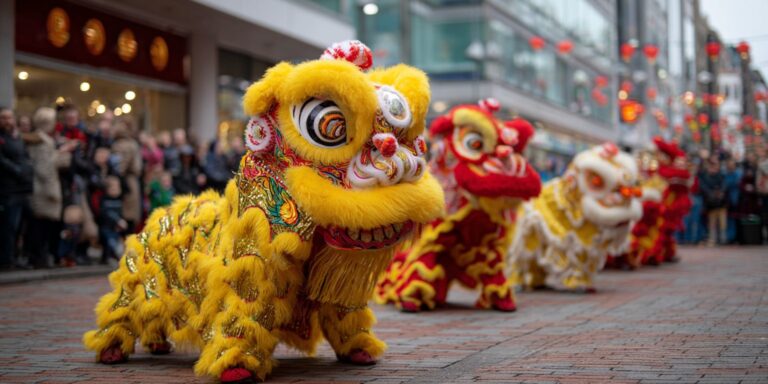
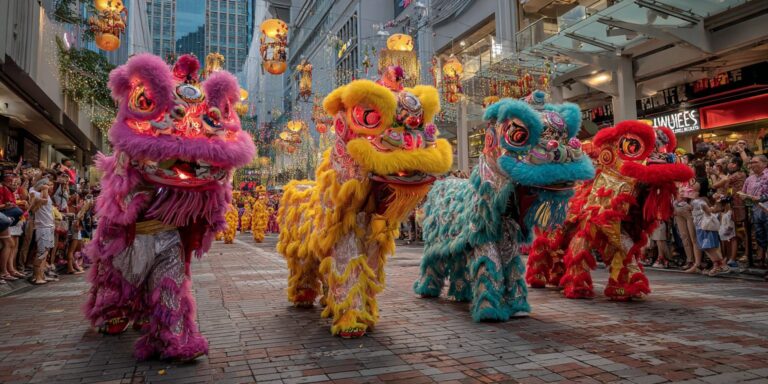
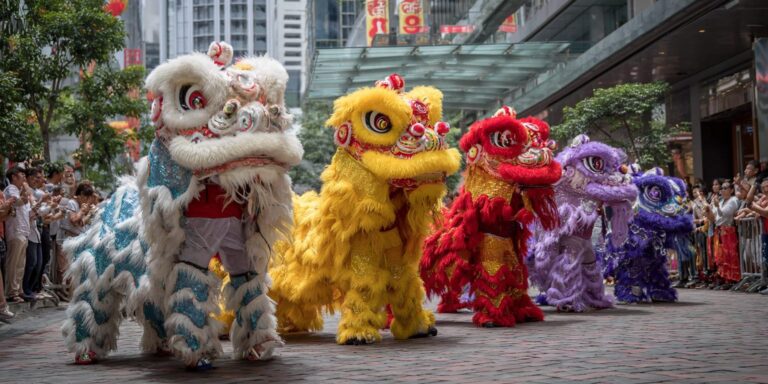
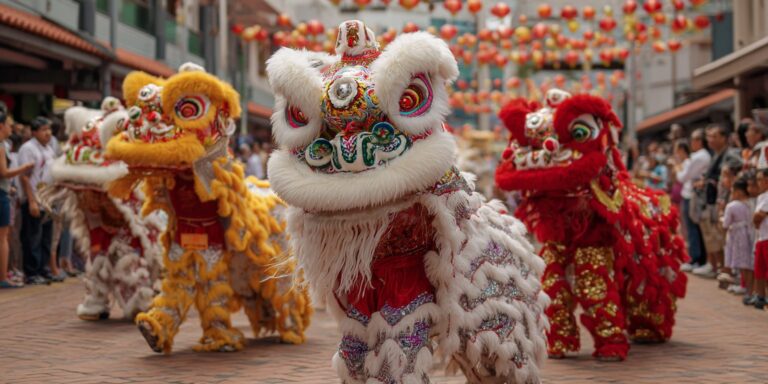
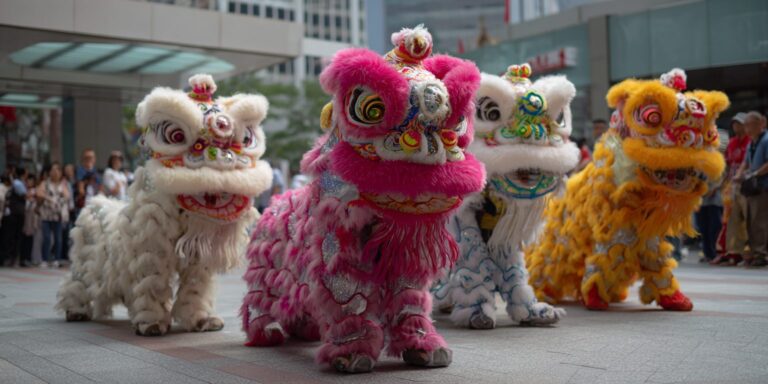
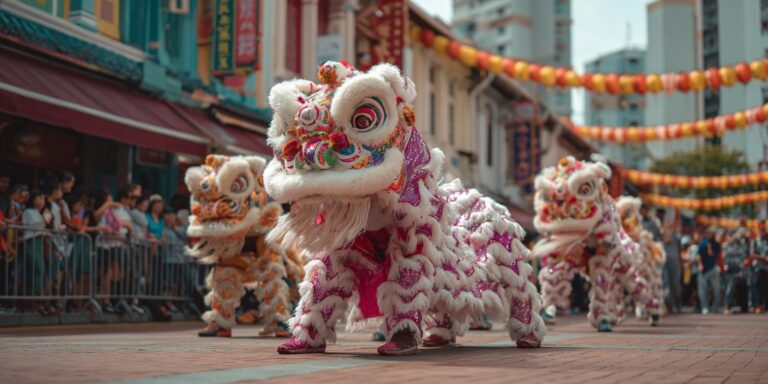
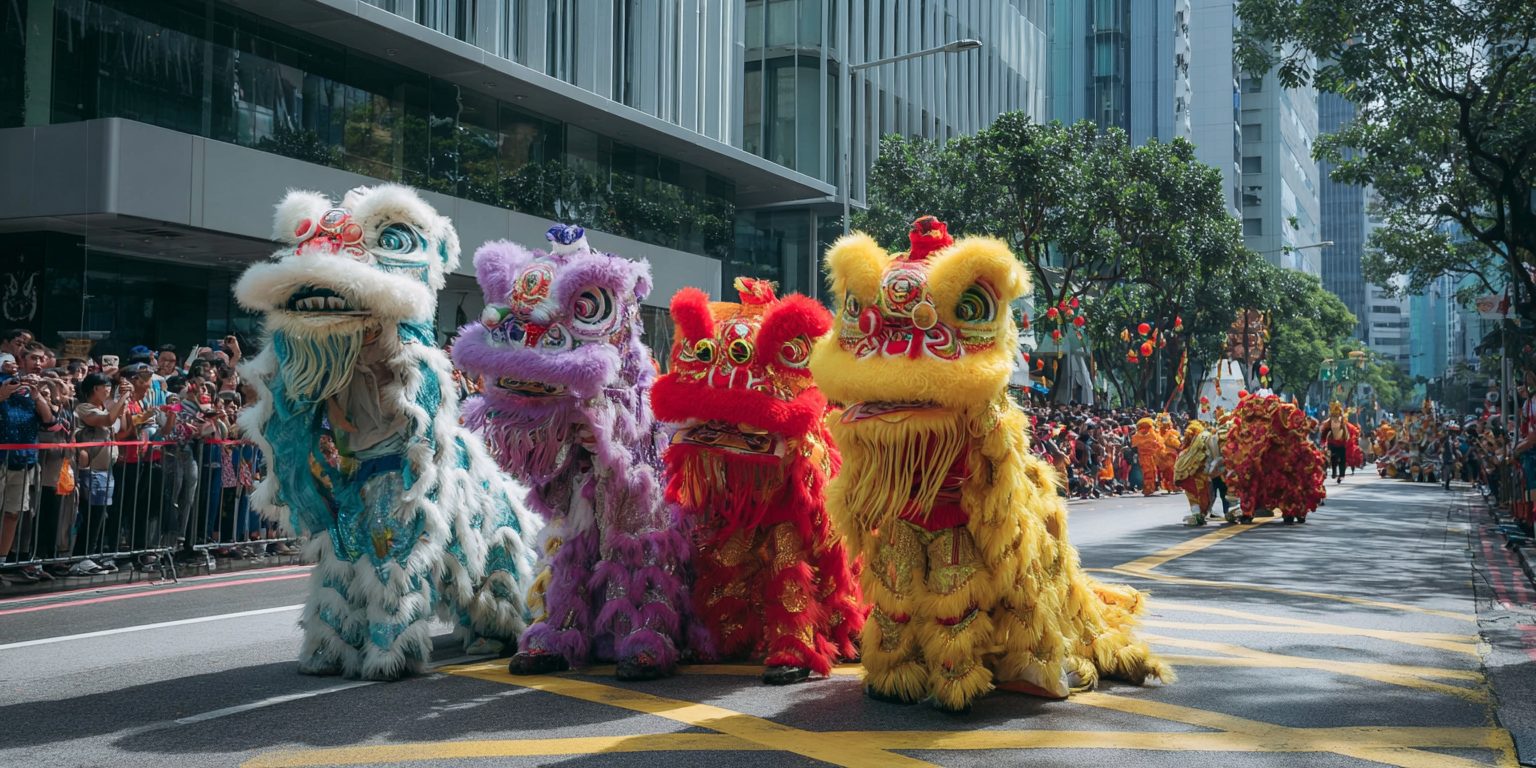
Lion dance performances are the heartbeat of temple festivals in Singapore, infusing energy and spiritual meaning into every celebration. Whether it’s the thunder of drums welcoming the Jade Emperor’s birthday or a vibrant display at Thian Hock Keng Temple for Mazu, the tradition remains a living, evolving artform.
In 2025, temple festival lion dance Singapore events continue to attract crowds of all ages, blending time-honoured rituals with exciting modern twists like high-pole acrobatics and roving God of Fortune mascots. Organisers now integrate Bian Lian mask changing and interactive mascots alongside lion dance troupes, creating immersive experiences for both devotees and families.
These performances go beyond spectacle; they serve as blessings, inviting prosperity and warding off bad luck for worshippers and the wider community. From Chinese New Year temple events to community festivals like Springtime Splendor @ Nee Soon, lion dance is a symbol of unity and cultural pride that bridges generations.
Wolf Events remains at the forefront of these celebrations, offering expert advice on auspicious dates for lion dance Singapore events and tailored performances to suit any temple or public venue. To secure your preferred date or craft a unique festival experience with Bian Lian or God of Fortune mascot appearances, contact Wolf Events directly via WhatsApp or through our online Contact Form.
| Event | Date (2025) | Location / Temple |
|---|---|---|
| Jade Emperor’s Birthday | 6 February | Multiple temples islandwide |
| Sea Goddess Mazu’s Birthday | 19 April | Thian Hock Keng Temple |
| Springtime Splendor @ Nee Soon | March (TBC) | Nee Soon Central |
| Sentosa Temple Fair | May (TBC) | Sentosa Island |
The Cultural and Spiritual Significance of Lion Dance at Temples
Lion dance at temple festivals carries deep spiritual weight in Singapore. Traditionally, the lion is believed to chase away evil spirits, usher in good fortune, and bless devotees with peace and prosperity. Each performance is more than entertainment—it’s an offering to deities, a ritual rooted in respect for ancestors and divine forces.
On auspicious dates such as deity birthdays or major lunar occasions, temples invite skilled lion dance troupes to perform elaborate routines. The sound of cymbals and drums draws worshippers into the courtyard as the lions bow before altars or leap atop high poles (jongs), symbolising triumph over obstacles. At these sacred moments, community members come together not just to watch but to participate in a collective act of reverence.
Wolf Events works closely with temple organisers to ensure every performance aligns with traditional customs while captivating today’s diverse audiences.
Key Temple Festivals Featuring Lion Dance in 2025
Singapore’s temple calendar in 2025 is packed with vibrant lion dance showcases tied to major religious milestones. The Jade Emperor’s Birthday on February 6th sees temples across the island hosting early morning blessings with roaring lions leading processions. On April 19th, Thian Hock Keng Temple becomes a focal point for Mazu celebrations featuring high-pole lion dances that draw large crowds.
Outside these marquee dates, community-driven events like Springtime Splendor @ Nee Soon and Sentosa’s temple fairs incorporate Bian Lian mask changing and God of Fortune mascot appearances alongside traditional lion dances. These festivals welcome families, tourists, and locals alike—making them ideal opportunities for event planners seeking a blend of heritage and modern spectacle.
Did you know? Thian Hock Keng Temple in Singapore has hosted lion dance performances for over a century during Mazu’s birthday celebrations, making it one of the island’s oldest continuous festival traditions.
Wolf Events Fact Machine
Temple festivals in Singapore continue to be vibrant showcases of culture and tradition, with lion dance performances taking centre stage. Auspicious dates—especially those tied to major deity birthdays and traditional lunar festivals—remain the most sought-after periods for temple committees and event planners to book renowned troupes. The spiritual significance of these days elevates the festive atmosphere, drawing crowds eager to witness the energetic movements, clashing cymbals, and symbolic blessings that lion dance brings.
Auspicious Dates for Lion Dance Performances at Temples
In 2025, temples across Singapore will once again host elaborate lion dance shows on key dates such as the Jade Emperor’s Birthday on February 6 and the Sea Goddess Mazu’s Birthday on April 19. These events attract devotees and families alike, who come not just for prayers but for an immersive cultural experience.
Modern elements like high-pole (jong) lion dances and interactive God of Fortune mascots now complement traditional routines, making each celebration more memorable. For those planning temple events or community festivals, securing a top-tier lion dance troupe for these auspicious dates is essential.
Lion dance performances during major deity birthdays are considered especially auspicious in Singapore’s temple calendar. On these revered occasions—such as the Jade Emperor’s Birthday and Mazu’s Birthday—temple grounds become lively with not only traditional rituals but also spectacular lion dance displays. These performances are believed to usher in prosperity, ward off misfortune, and honour the deities with vibrant energy.
| Festival/Event | Date (2025) | Typical Temple Venues |
|---|---|---|
| Jade Emperor’s Birthday | February 6 | Thian Hock Keng Temple, Loyang Tua Pek Kong |
| Mazu’s Birthday | April 19 | Thian Hock Keng Temple |
| Chinese New Year Eve/Day | January 28-29 | Multiple temples islandwide |
| Lantern Festival (Yuan Xiao Jie) | February 12 | Kong Meng San Phor Kark See Temple |
Major Deity Birthdays and Their Celebrations
In recent years, celebrations have grown in scale and creativity. High-pole lion dances wow audiences with daring acrobatics above temple courtyards, while Bian Lian mask changing artists add a magical touch to processions. The God of Fortune mascot often roams among devotees, scattering gold coin chocolates and blessings.
Temples like Thian Hock Keng have led the way by seamlessly blending tradition with modern performance art, ensuring every major deity birthday is unforgettable for attendees of all ages.
Chinese New Year remains the highlight of Singapore’s temple festival calendar. Lion dance troupes are booked months in advance to perform at midnight prayers and first-day celebrations across popular temples. The electrifying beats of drums welcome a fresh year filled with hope and fortune. High-pole lion dances have become a must-see attraction at many large temples during this period.
Chinese New Year and the Lantern Festival
The Lantern Festival—or Yuan Xiao Jie—marks the close of Chinese New Year festivities. Temples light up with lantern displays while families gather to enjoy night markets and watch lion dances weave through crowds under glowing lights. This festival is also an opportunity for event organisers to incorporate God of Fortune mascots or even Bian Lian performers into their programming, delighting both children and adults.
Temple festivals in Singapore have always been vibrant showcases of tradition, but recent years have seen a transformation in the way these celebrations come alive. The high-pole lion dance, or ‘jong’ performance, now stands as a spectacular centerpiece at major events—dazzling crowds with acrobatics that soar above temple courtyards and public plazas.
These gravity-defying displays are particularly popular during auspicious occasions like the Jade Emperor’s Birthday and Mazu’s birthday, where the energy of the lions is believed to invite blessings and prosperity. Bian Lian, or mask changing performance, has emerged as another captivating act, seamlessly blending with Singapore’s multicultural festival scene. When paired with roving God of Fortune mascots, these performances turn temple grounds and public spaces into interactive wonderlands.
Modern Trends – High-Pole Lion Dance, Bian Lian, and Mascots
Audiences are not just observers—they become part of the celebration as mascots mingle with families and Bian Lian artists dazzle with lightning-fast transformations. This dynamic approach keeps centuries-old traditions relevant while attracting new generations of festival-goers. Families and communities now expect more than just a lion dance—organisers must curate immersive experiences that balance authenticity with entertainment.
From Sentosa’s bustling spring events to serene temple celebrations at Thian Hock Keng, modern festival programming is thoughtfully designed to delight all ages. Wolf Events continues to lead this evolution by providing innovative performances that honor heritage while setting new standards for engagement at Singapore’s most important religious and cultural festivals.
Singapore’s temple festivals in 2025 see a seamless blending of God of Fortune mascots with the artistry of Bian Lian. These elements aren’t just crowd-pleasers—they’re powerful symbols that amplify the festive spirit and connect audiences directly with Chinese cultural roots. The God of Fortune mascot roves through temple grounds, blessing visitors with lucky tokens and photo opportunities that resonate on social media.
When combined with a Bian Lian mask changing performance, the atmosphere becomes electric. The quick-change artistry draws cheers from children while elders appreciate the deep symbolism behind each mask’s expression. This integration enhances both religious ceremonies and public festivals by making them more interactive, memorable, and accessible to audiences who may be experiencing these traditions for the first time.
Integration of God of Fortune Mascots and Bian Lian
Wolf Events specialises in choreographing these combined acts for temples and community venues across Singapore. Their expertise ensures every appearance feels fresh yet respectful—making them the top choice for event planners seeking cultural authenticity without sacrificing entertainment value.
Festival organisers across Singapore now design their temple events to be welcoming for every generation. The inclusion of interactive mascots, hands-on craft booths, child-friendly workshops, and engaging stage performances ensures there’s something for everyone—whether you’re seeking spiritual connection or family fun. Lion dance troupes adapt their routines to engage younger audiences without losing sight of ritual meaning.
Community zones often feature cultural storytelling sessions or simple drumming tutorials so children can participate beyond watching from afar. Such thoughtful programming reflects how temple festivals remain vital gathering points for Singapore’s multicultural society in 2025. Wolf Events works closely with temples and community groups to create inclusive festival experiences that respect tradition yet feel thoroughly modern.
Family-Friendly and Community-Centric Festival Activities
Temple festivals in Singapore remain a vibrant showcase for lion dance, drawing crowds who come for both spiritual blessings and the sheer spectacle of the performance. These events highlight the enduring connection between the lion dance and religious celebrations, especially during major occasions such as the Jade Emperor’s Birthday in February and Mazu’s Birthday in April.
The rhythmic drumbeats and energetic movements of the lions are believed to bring luck, drive away misfortune, and usher in prosperity for devotees and visitors alike. In 2025, temple festival lion dance performances have grown more elaborate, blending tradition with modern showmanship. High-pole (jong) routines have become a crowd favourite, with troupes demonstrating agility and teamwork atop narrow platforms several metres above ground.
Roving God of Fortune mascots and Bian Lian mask changers add interactive excitement, making these festivals accessible and enjoyable for families and younger audiences. Community events at spaces like Sentosa or Nee Soon now regularly feature these performances as headline acts, underscoring their popularity beyond temple grounds.
Where to Experience Temple Festival Lion Dance in Singapore
With each temple festival offering its own unique blend of rituals, performances, and cultural activities, Singaporeans have more opportunities than ever to experience the magic of lion dance in a festive atmosphere.
Thian Hock Keng Temple stands out as a key venue where the temple festival lion dance takes centre stage. On Mazu’s birthday each April, this historic temple hosts high-energy lion dance shows that draw both devotees and tourists. Yu Huang Gong is another essential stop during Jade Emperor’s Birthday celebrations every February; here, lion dancers perform intricate routines to honour one of Taoism’s most important deities.
Outside traditional temples, community venues like Sentosa Island and Nee Soon Community Club are expanding what it means to celebrate with a temple festival lion dance. These locations blend cultural heritage with modern entertainment by including Bian Lian mask changing performances and roving God of Fortune mascots alongside the classic lion dance.
The result is an inclusive festival atmosphere that attracts families from all walks of life.
Notable Temples and Community Venues
The next major dates for temple festival lion dance in Singapore include Jade Emperor’s Birthday on February 6 and Mazu’s Birthday on April 19. Both are marked by large-scale performances at their respective temples, featuring high-pole stunts and spectacular drumming sequences.
At community festivals like Springtime Splendor @ Nee Soon or Sentosa’s Chinese New Year festivities, audiences can look forward to creative collaborations—lion dancers sharing the stage with Bian Lian artists or God of Fortune mascots distributing blessings. Families seeking memorable experiences should mark their calendars early as these events often attract large crowds eager to witness world-class lion dance troupes.
If you’re considering booking a performance for your own event or want tips on choosing auspicious dates, Wolf Events offers expert advice tailored to your needs.
Upcoming Events and Performance Highlights
The next major dates for temple festival lion dance in Singapore include Jade Emperor’s Birthday on February 6 and Mazu’s Birthday on April 19. Both are marked by large-scale performances at their respective temples, featuring high-pole stunts and spectacular drumming sequences.
At community festivals like Springtime Splendor @ Nee Soon or Sentosa’s Chinese New Year festivities, audiences can look forward to creative collaborations—lion dancers sharing the stage with Bian Lian artists or God of Fortune mascots distributing blessings. Families seeking memorable experiences should mark their calendars early as these events often attract large crowds eager to witness world-class lion dance troupes.
If you’re considering booking a performance for your own event or want tips on choosing auspicious dates, Wolf Events offers expert advice tailored to your needs. Message us via WhatsApp or use our contact form today—let’s make your celebration unforgettable.
Common Questions
What is the significance of lion dance at temple festivals in Singapore?
Lion dance is believed to bring good fortune, drive away evil spirits, and bless the temple and its devotees, making it a vital part of temple festivals and Chinese New Year celebrations in Singapore.
When are the most auspicious dates for temple lion dance performances?
The most auspicious dates are during Chinese New Year, especially the Jade Emperor’s Birthday (February 6, 2025), and the Lantern Festival (February 12, 2025), as well as during major deity birthdays such as Mazu’s birthday in April.
Are God of Fortune mascots and Bian Lian performances common at temple festivals?
Yes, God of Fortune mascots and Bian Lian (mask changing) are increasingly featured alongside lion dance at temple festivals and community events to enhance the festive atmosphere and attract families.
Where can I watch temple festival lion dance performances in Singapore?
Popular venues include Thian Hock Keng Temple, Sri Mariamman Temple (Temple Street), Sentosa Sensoryscape, and community events like Springtime Splendor @ Nee Soon.
What are the latest trends in lion dance performances at temple festivals?
Recent trends include high-pole (jong) lion dance, integration with roving mascots, and combining traditional lion dance with modern elements like Bian Lian and interactive performances for broader appeal.
As Singapore’s temple festivals continue to evolve, the lion dance remains a vibrant symbol of heritage and community spirit, seamlessly blending age-old rituals with dazzling modern flair. With key events like the Jade Emperor’s Birthday and Mazu celebrations on the horizon in 2025, there’s no better time to witness how tradition and innovation come together on temple grounds.
Curious about where and when to catch these electrifying performances, or how God of Fortune mascots and Bian Lian artists are redefining the festival scene? Browse around our website for detailed guides, up-to-date calendars, and insider tips on making the most of Singapore’s temple festival lion dance experience. For personalised advice or to book a performance, Whatsapp Us or reach out via our Contact Form.