Venue Requirements for Lion Dance in Singapore – 2025 Regulations & Event Planning
Venue Requirements for Lion Dance in Singapore – 2025 Regulations & Event Planning have become more defined following recent updates by the Building and Construction Authority (BCA) and HDB. For condominiums, lion dance performances are now only permitted in communal spaces with prior approval, while the traditional ‘cai qing’ ritual is strictly prohibited both in common areas and inside individual units due to noise, safety, and inclusivity concerns.
HDB estates, on the other hand, allow lion dance performances—including ‘cai qing’—as long as community guidelines are followed and noise is minimized during late-night or early-morning hours.
Event organizers must pay close attention to noise restrictions, venue size requirements, and necessary booking procedures when planning lion dance shows in Singapore for 2025. Coordination with property management is essential to secure approvals and meet safety guidelines. Special attention should be given to cultural considerations to ensure inclusivity in multicultural communities, especially when arranging high-pole or ritual performances.
Up-to-date understanding of these regulations is crucial for successful event planning and compliance.
Venue Requirements for Lion Dance in Singapore
Lion dance performances remain an iconic part of Singapore’s festive celebrations, but hosting these vibrant displays requires careful attention to venue regulations. With updated guidelines in 2025, property managers and event organisers must be aware of evolving rules for condominiums, HDB estates, and commercial spaces. Each property type has its own set of requirements shaped by safety, noise control, and cultural considerations.
If you’re planning to bring a lion dance to your community or business, you’ll need to coordinate closely with management councils and follow strict approval procedures. Understanding these requirements helps ensure smooth performances that are respectful to all residents. Wolf Events works directly with clients to meet every guideline so you can enjoy the energy of lion dance without unnecessary complications.
Reach out via WhatsApp or our contact form for expert help with bookings and compliance.
Regulations for Condominiums and HDB Estates
Singapore’s BCA has tightened restrictions for lion dance performances in condominiums as of 2025. While general shows may be approved for communal spaces like function rooms or courtyards, the ‘cai qing’ ritual is now expressly prohibited both in common areas and inside individual units. This move addresses concerns about noise, safety hazards, and inclusivity—especially in mixed-resident environments.
HDB estates continue to allow lion dance performances, including the beloved ‘cai qing,’ provided that organisers follow estate-specific guidelines. Timing is key – avoid late-night or early-morning sessions to respect neighbours’ rest. Always check with your Residents’ Committee or Town Council before confirming your booking. Wolf Events can assist with paperwork and direct coordination if needed.
Noise and Safety Considerations
Lion dance is known for its powerful drums and cymbals, so managing sound levels is crucial—especially in residential settings. Current rules emphasise performing during reasonable hours (typically 9am–9pm) to avoid complaints or intervention by authorities. Safety protocols require clear access routes for performers and emergency exits unobstructed at all times.
Venues must be free from slippery floors or low ceilings that could hinder the acrobatics of a lion dance troupe. Wolf Events conducts a site recce prior to every show to ensure we can deliver a safe, crowd-pleasing performance.
Approval and Booking Procedures
Booking a lion dance in Singapore requires more than just picking a date—you’ll need written approval from the relevant property management office or Town Council well ahead of time. Most condominiums require at least two weeks’ notice, complete with performer details and insurance documentation. HDB estates may have simpler processes but still require notification and adherence to block-specific rules on timing and space usage.
For commercial venues or shopping malls, advance booking is essential due to high demand during festive periods like Chinese New Year. Wolf Events helps streamline this process with ready-to-submit forms and direct liaisons where possible.
Space and Accessibility Needs
A successful lion dance needs ample space for energetic movements—and sometimes high-pole stunts if requested. Ideally, venues should offer a minimum clear area of 6×6 metres indoors, or larger outdoor spaces free from overhead obstructions. Accessibility matters too – easy entry points allow performers to transport heavy drums and props without hassle.
Elevators should accommodate costume carts if performing above ground level. Our team at Wolf Events advises on space suitability during your enquiry so there are no surprises on show day.
| Venue Type | Minimum Space Needed | Accessibility Notes |
|---|---|---|
| Condominium Function Room | 6×6 metres | Lift access required |
| HDB Void Deck | 8×8 metres | Ground floor preferred |
| Shopping Mall Atrium | 10×10 metres+ | Loading bay access |
Special Considerations for ‘Cai Qing’ Ritual
‘Cai qing,’ the symbolic plucking of greens by the lion for luck, is subject to strict controls in 2025—especially in condominiums where it is now prohibited due to concerns raised by residents about mess and noise. In HDBs and commercial spaces where it’s still welcomed, organisers must prepare suitable arrangements – pre-approved locations for the ritual (like void decks), safe mounting points for greens or ang pows, and clear communication with neighbours about timing.
Our team ensures all rituals meet both tradition and compliance—message Wolf Events early if you wish to include ‘cai qing’ in your celebration.
Cultural Sensitivity and Inclusivity
Singapore’s diversity means lion dance events often take place alongside residents of different backgrounds. Cultural sensitivity isn’t just good manners—it’s part of the new regulatory landscape. Event organisers should inform all residents about upcoming performances through notices or digital channels, highlighting expected duration and purpose. Inclusive practices—such as inviting neighbours of all backgrounds—help foster goodwill across communities.
Wolf Events can provide bilingual emcees or printed guides on the origins of lion dance upon request.
Wolf Events Fact Machine
Did you know? The ‘cai qing’ ritual—where the lion ‘plucks the greens’—is officially prohibited in both communal areas and individual units of Singapore condominiums as of 2025, following new BCA guidelines focused on noise and safety.
Lion Dance Performance Types and Venue Suitability
Lion dance performances in Singapore have evolved to suit a variety of venues, each with its own set of regulations and requirements. The Building and Construction Authority (BCA) and HDB community guidelines now play a crucial role in determining what is possible, especially for residential spaces.
For condominiums, general lion dance displays can bring vibrant energy to communal areas, but strict rules apply—particularly the prohibition of the ‘cai qing’ ritual due to concerns over noise, safety, and inclusivity. Residents must seek prior approval from management before any performance, ensuring all logistics are coordinated for a smooth experience.
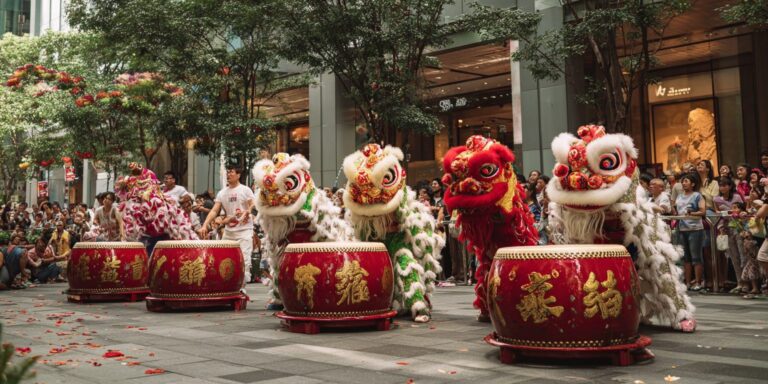
In contrast, HDB estates remain more flexible, allowing both standard performances and the celebrated ‘cai qing’ ritual as long as community guidelines are respected. Noise levels must be kept in check, particularly during early mornings or late evenings. Major commercial venues such as shopping malls continue to host large-scale lion dance events, often featuring elaborate setups and high-pole acts that draw crowds during festive seasons.
Whether you’re planning a show at your residence or a public venue, understanding the latest 2025 regulations ensures your event runs seamlessly and respectfully.
Standard Lion Dance vs. High-Pole Performances
Standard lion dance routines are ideal for most venues due to their manageable space requirements and lower safety risks. These performances typically involve two performers per lion, accompanied by drummers and musicians who create an energetic atmosphere without the need for specialized equipment or staging. They fit comfortably into communal condo spaces, HDB courtyards, or even smaller event halls.
High-pole performances demand significantly more space and come with heightened safety considerations. These dramatic shows involve acrobatic feats on poles reaching up to three meters or more, captivating audiences but also requiring meticulous planning. Venues must provide unobstructed vertical clearance, reinforced flooring for pole anchoring, and ample buffer zones for crowd safety.
High-pole acts are best suited for large commercial spaces or outdoor areas that can accommodate both the technical setup and spectator numbers.
Suitable Venues for Different Performance Types
Choosing the right venue is key to a successful lion dance event in Singapore. For condominiums, communal function rooms or open lawns work well for standard performances if you have secured prior approval from property management—remember that ‘cai qing’ rituals are not allowed here in 2025. HDB estates offer greater flexibility – void decks and open plazas are popular spots where both standard routines and traditional rituals can take place within noise limits.
For high-pole acts or larger troupe performances, commercial venues such as shopping malls or outdoor plazas are preferable. These locations provide sufficient space for complex setups while ensuring public safety with dedicated event management teams. Always consult venue management early in your planning process to confirm availability, compliance with current regulations, and any specific requirements they may have.
Working with Property Management and Event Organizers
Collaborating with property managers and event organizers in Singapore is essential when planning a lion dance performance. Regulations have become stricter in 2025, especially for condominiums, where the Building and Construction Authority (BCA) now enforces clear guidelines. Property managers expect early communication, comprehensive risk assessments, and proof of compliance with safety standards before granting approval for communal spaces.
The popular ‘cai qing’ ritual faces particular scrutiny—it’s no longer permitted in condo common areas or individual units due to concerns about noise, safety, and cultural inclusivity. For HDB estates, organizers can still host lion dance performances, including ‘cai qing,’ but need to be mindful of timing and community harmony.
Avoiding late-night events is crucial, as noise remains a top concern for residents. Shopping malls and commercial venues typically have more flexibility but still require adherence to venue-specific policies. Advance planning—often months ahead—is key to securing preferred dates and ensuring all approvals are in place. Wolf Events specializes in managing these processes smoothly and can guide clients through every step, from site surveys to paperwork.
Whether it’s for festive celebrations or corporate events, working closely with property management ensures a smooth experience for everyone involved. Being proactive about noise control, respecting cultural sensitivities, and following the latest venue requirements will help your event stand out—without causing unnecessary disruptions.
| Venue Type | Lion Dance Allowed? | ‘Cai Qing’ Allowed? | Noise/Time Restrictions |
|---|---|---|---|
| Condominium (Communal Area) | Yes (with approval) | No | Strict; no late hours |
| Condominium (Individual Unit) | No | No | N/A |
| HDB Common Area | Yes | Yes | No late/early hours |
| Shopping Mall | Yes | Usually Yes | Venue dependent |
Steps for Securing Venue Approval
Start by checking the specific rules set by your property management or building committee. For condos in Singapore, submit a formal request well in advance—ideally two to three months before your intended event date. Include details such as troupe accreditation, performance type (with or without ‘cai qing’), duration, expected audience size, and your plan for minimizing disruption.
Most managers require documentation like insurance certificates and risk assessment reports from the lion dance troupe. For HDB venues or public spaces, reach out to the relevant town council or grassroots organization early to secure permits. Commercial venues usually have their own booking portals or event teams; coordinate closely to ensure compliance with internal guidelines.
Wolf Events can handle these procedures on your behalf, streamlining approvals so you can focus on enjoying the celebration.
Communication Tips for a Smooth Event
Maintain open lines of communication with both property management and event stakeholders throughout the planning process. Be transparent about performance details—timings, sound levels, number of performers—and address any concerns proactively. Provide regular updates as you receive approvals or make changes to the schedule. Listen carefully to feedback from residents or tenants; showing sensitivity goes a long way in multicultural communities like Singapore’s.
On event day itself, ensure your team arrives early for setup and checks in with venue staff before starting the show. Wolf Events has extensive experience liaising with management councils across Singapore and can help anticipate potential issues before they arise.
Common Questions
What are the venue requirements for a lion dance performance in Singapore?
Venues must provide sufficient open space, ensure safety for performers and audience, and comply with noise regulations. Approval from property management is often required, especially in condominiums and commercial spaces.
Can lion dance be performed in Singapore condominiums?
General performances may be allowed in communal areas with prior approval, but the ‘cai qing’ ritual is prohibited in both common areas and individual units due to noise and safety concerns as of 2025.
Are there noise restrictions for lion dance performances?
Yes, lion dance performances are typically permitted only during reasonable hours, especially during festive periods. Avoid scheduling late at night or early in the morning to minimize disturbance.
Is lion dance allowed in HDB estates in 2025?
Yes, lion dance performances, including the ‘cai qing’ ritual, are allowed in HDB estates if community guidelines are followed and shared spaces are respected.
What should event organizers consider when booking a lion dance troupe?
Organizers should define event needs, secure venue approval, confirm space and safety requirements, and book early—especially during peak seasons like Chinese New Year.
Navigating the updated 2025 venue requirements for lion dance performances in Singapore can be a complex process, but being well-informed is half the battle won. Whether you’re organising a show in a condominium, HDB estate, or commercial venue, understanding the latest regulations and securing the necessary approvals ensures your event runs smoothly and respectfully for all involved.
If you’re keen to dive deeper into specific booking steps, space considerations, or cultural nuances, we invite you to browse around our website for comprehensive guides and practical tips on every aspect of lion dance event planning. For tailored advice or to book a performance, don’t hesitate to Whatsapp Us or reach out via our Contact Form—our team is ready to help make your next event unforgettable.